Northern Quolls Find Refuge: Endangered Australian Marsupials Introduced to Feral-Free Sanctuary in North Queensland

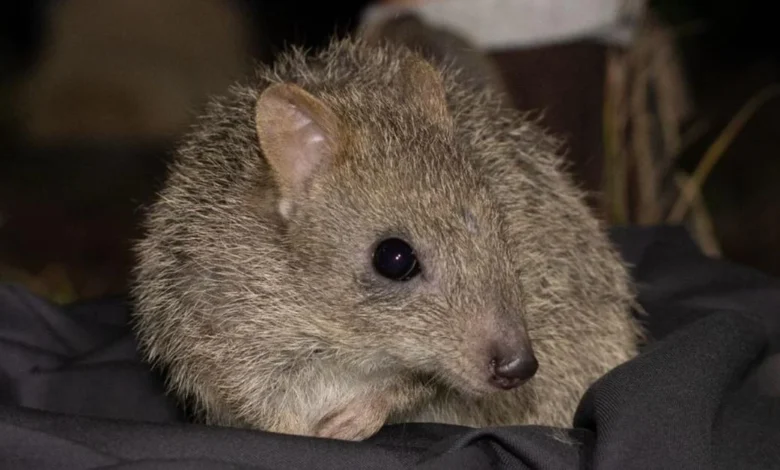
In the rugged, sun-drenched hills of North Queensland, a new chapter is beginning for one of Australia’s most charismatic and elusive native carnivores. This September, conservationists heralded a monumental step forward for the endangered northern quoll, as the Australian Wildlife Conservancy (AWC) successfully released its first wave of the spotted, cat-sized marsupials into a newly established, feral predator-free haven. Situated within the Mt Zero-Taravale Wildlife Sanctuary on traditional Gugu Badhun Country, this carefully engineered sanctuary represents more than just a safe haven for a single species; it marks a strategic counteroffensive against a century of ecological decline that has systematically pushed Australia’s native fauna to the brink of extinction.
The initial cohort of settlers consists entirely of females, many of whom arrived carrying the next generation nestled safely within their pouches. By timing the collection efforts meticulously to align with the species’ unique and intense biological life cycle, field ecologists have managed to secure a foundational population with optimal demographic and reproductive potential. As conservation scientists look toward the future, this ambitious translocation project—backed by a powerful coalition of field researchers, academic institutions, and innovative biotechnology funding—aims to rewrite the survival script for a species that has battled relentless pressures since the early 1930s.
The Biological Clock: Understanding the Northern Quoll
To fully grasp the significance of the Mt Zero-Taravale reintroduction, one must understand the remarkably intense life history of the northern quoll (Dasyurus hallucatus). Unlike many other mammals, northern quolls live fast and die young—a phenomenon driven primarily by an extreme reproductive strategy found in few other vertebrate species.
During the annual breeding season, male northern quolls engage in exhaustive physical competition and mate indiscriminately, pushing their bodies to absolute physiological limits. The stress of this intense mating season, combined with severe sleep deprivation and total suppression of the immune system, causes almost all adult males to succumb to stress-induced mortality en masse shortly after the mating period concludes.
This biological reality presents both a challenge and a strategic opportunity for wildlife managers. By timing population surveys and collection windows precisely around this seasonal shift, conservation teams can harvest wild specimens with minimal disruption to the broader demographic structure. Prioritizing females carrying pouch young effectively achieves a two-for-one conservation milestone: securing genetically diverse female founders while simultaneously protecting the emerging generation of offspring that will form the bedrock of the new colony.
Over a planned two-year collection window, the AWC recovery team aims to gather up to 30 individual quolls sourced from four distinct, genetically robust wild populations across northern Australia. Rather than stripping any single habitat of its biodiversity, researchers carefully select just a handful of animals from each location. This method ensures that the source populations remain genetically resilient while the newly established sanctuary colony benefits from maximum genetic variance, mitigating the risks of inbreeding depression that frequently plague captive or island-isolated conservation breeding programs.
A Century of Decline: The Multi-Pronged Threat Matrix
The plight of the northern quoll is inextricably linked to the broader ecological crisis unfolding across the Australian continent. Once widely distributed across the tropical savannas and open woodlands of northern Australia—from the Pilbara region in Western Australia all the way to southeastern Queensland—the species has experienced a catastrophic contraction of its historic range since the 1930s.
Today, the northern quoll is officially listed as Endangered under national environmental legislation, threatened by a synergistic matrix of anthropogenic and ecological pressures. Among the most destructive forces are invasive predators, particularly feral cats and red foxes, which hunt adult quolls and decimate vulnerable young. Furthermore, inappropriate fire regimes—characterized by frequent, high-intensity fires driven by climate change and altered land management—have systematically destroyed the complex understory habitats and rocky outcrops that quolls rely upon for shelter, denning, and foraging.
However, no single factor has proven as devastatingly efficient at clearing northern quolls from the landscape as the cane toad (Rhinella marina). Introduced to Australia in 1935 in a misguided attempt to control agricultural pests in sugarcane plantations, the toxic amphibians rapidly colonized tropical and subtropical regions. Unlike native predators that evolved alongside toxic prey, northern quolls lack the physiological defenses or innate behavioral aversions necessary to survive an encounter with the cane toad’s parotoid glands. A single bite can deliver a lethal dose of bufotoxin, wiping out entire local populations of quolls within weeks of the amphibians’ arrival.
Dr. Jennifer Anson, the AWC senior ecologist who led the recent reintroduction effort, emphasized the profound vulnerability of the species in an unprotected landscape. "Creating a secure population within a feral predator-free fenced area provides greater certainty for the species’ future," Dr. Anson noted, highlighting the immediate need to insulate vulnerable populations from systemic threats.
Engineering a Sanctuary: Inside the Mt Zero-Taravale Haven
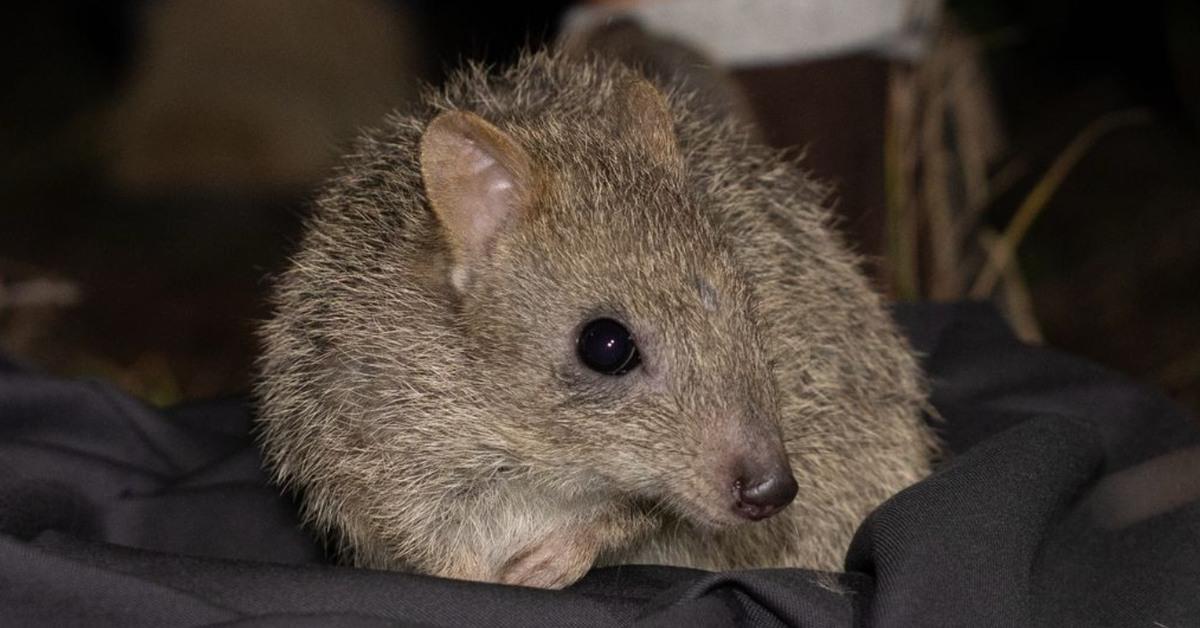
The frontline of this conservation battle is located within the 950-hectare feral-free fenced enclosure at Mt Zero-Taravale Wildlife Sanctuary. Designed to act as an impenetrable fortress against invasive mesopredators and cane toads, the massive exclusion fence allows native species to thrive without the constant existential pressure of introduced hazards.
Every quoll introduced to the sanctuary is fitted with a specialized telemetry collar, enabling researchers to track movement patterns, habitat utilization, and survival rates in real-time. This active monitoring is supplemented by an extensive network of motion-sensor cameras distributed strategically across the landscape. These cameras provide continuous observational data, allowing field ecologists to evaluate how the animals adapt to their new environment, identify preferred den sites, and monitor reproductive success among the founding mothers.
The long-term mathematical projections for the sanctuary are exceptionally promising. Conservation models indicate that the initial founding population could expand rapidly, potentially reaching a carrying capacity of up to 300 individuals within the fenced enclosure. More importantly, this secure enclave serves as an incubator for a much broader vision. If the population thrives and ecosystem indicators remain positive, the AWC plans to eventually open the gates to the wider sanctuary, unlocking an additional 20,000 hectares of prime contiguous habitat.
"We need northern quolls to have a balanced ecosystem in mainland Australia," stated Dr. Andrew Pask, Chief Biology Officer at Colossal Biosciences. The reintroduction is heavily supported by the Colossal Species Reintroduction Fund, a philanthropic initiative known for backing ambitious conservation technologies and large-scale ecological restoration projects.
Collaborative Science and Technological Innovation
The partnership between the Australian Wildlife Conservancy and Colossal Biosciences represents a powerful synthesis of traditional field conservation and cutting-edge biotechnology. While AWC personnel focus on securing the physical ground, building robust fencing, and managing on-the-ground threats, scientific partners are tackling the underlying vulnerabilities that affect quolls living outside the protected zones.
Researchers at the University of Melbourne, working in collaboration with Colossal, are actively researching genetic and behavioral resistance to cane toad toxins in northern quolls. Some wild populations in regions heavily impacted by toads have begun exhibiting behavioral avoidance—refusing to eat the toxic amphibians—while others show preliminary signs of physiological tolerance. By decoding the genetic architecture behind these survival traits, scientists hope to develop targeted interventions that could protect unmanaged populations lingering across the broader northern Australian landscape.
For the Australian Wildlife Conservancy, this project is a critical milestone on the path toward its ambitious 2035 strategic goals. The organization has committed to boosting threatened species reintroductions by 50 percent over the next decade, utilizing predator-free fencing and intensive population management as primary tools to reverse the extinction crisis gripping the continent.
Broader Ecological Implications and the Road Ahead
The return of the northern quoll to Mt Zero-Taravale is not merely an exercise in saving a single charismatic mammal; it is an essential step in repairing damaged trophic webs. As mid-tier native predators, northern quolls play a vital ecological role in regulating invertebrate populations and small vertebrates, contributing to the overall health and resilience of the forest and savanna floors.
Felicity Le Hotellier, the AWC senior field ecologist who personally oversaw the release of the marsupials, reflected on the broader cultural and environmental importance of the milestone. "We’re creating a stronghold for the species and restoring the local ecosystem by reinstating the quoll’s ecological role as a native predator to the sanctuary," she observed.
Signs of hope are emerging across other regions of the AWC’s portfolio as well. Recently, northern quolls were documented returning to Piccaninny Plains on Cape York after more than 80 years of absence from the area—tangible proof that the species retains a deep-seated resilience and an innate capacity for recovery when given a reprieve from human-induced pressures.
Nearly a century after the long, quiet decline of Australia’s spotted little hunter began, a new generation of northern quolls is opening its eyes in a landscape designed to protect them. Supported by rigorous science, robust philanthropic backing, and the dedicated efforts of field conservationists, these founding mothers represent a powerful testament to what is possible when modern innovation meets boots-on-the-ground determination.