K-12 Education Policy Shifts: A Comprehensive Analysis of the 2026 Midterm Election Results, District Consolidations, and Future Outlook

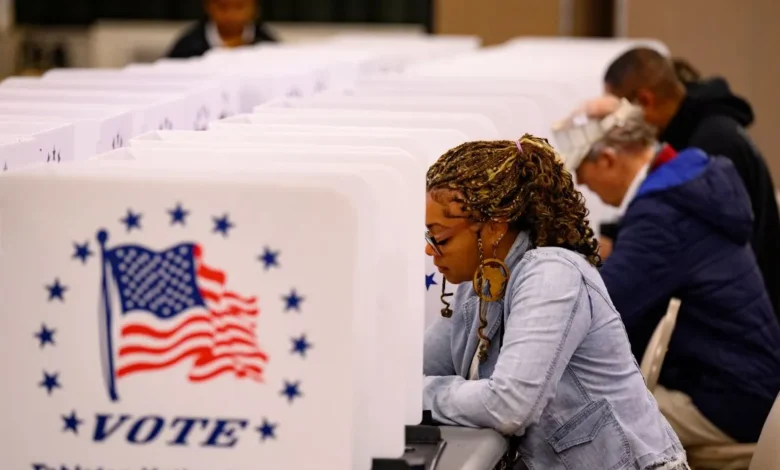
The political landscape of the United States underwent a significant transformation following the conclusion of the 2026 midterm elections, sending ripples through every sector of public administration, with K-12 public education standing at the epicenter of these impending policy changes. Published on November 9, 2026, initial legislative reviews and educational analyses by K-12 Dive editor Roger Riddell highlighted a sweeping redistribution of power in Washington, D.C., and across various state legislatures. Democrats secured decisive victories, reclaiming control of both chambers of the United States Congress and successfully flipping critical gubernatorial seats in five states, including Ohio—where voters cast crucial ballots at locations such as St. Patrick’s Church in Youngstown.
These electoral shifts promise to reshape federal and state-level priorities for public schools. Policy experts anticipate that the balance of power will directly influence contentious educational debates, ranging from federal funding allocations and diversity, equity, and inclusion (DEI) mandates to the political involvement and collective bargaining strength of teachers unions. However, despite the dramatic political realignment, educational analysts caution that systemic inertia, localized control, and existing state-level statutes mean that the needle may not move equally across all educational domains.
The 2026 midterms represent a pivotal moment in contemporary American politics, occurring midway through a decade marked by post-pandemic academic recovery, shifting demographic trends, and intense cultural debates over curricula and school board governance. As districts nationwide grapple with declining enrollment and financial sustainability, the intersection of partisan politics and local school administration has never been more pronounced.
The Congressional Shift and Federal Education Priorities
The return of both the House of Representatives and the Senate to Democratic control marks a sharp departure from the divided government that characterized the mid-2020s. Under the previous legislative configuration, federal education policy was frequently deadlocked, characterized by intense partisan skirmishes over parental rights, federal oversight of civil rights enforcement in schools, and budgetary caps on the U.S. Department of Education.
With a unified Democratic legislative majority, federal lawmakers are expected to pivot toward bolstering public school funding, increasing investments in Title I programs for low-income students, and expanding federal support for early childhood education and mental health services in schools. Education committees in both congressional chambers are anticipated to launch renewed oversight into how states have utilized lingering federal recovery funds and to scrutinize state voucher programs—often referred to as education savings accounts (ESAs)—that redirect public tax dollars toward private and religious schooling.
Furthermore, the federal stance on civil rights enforcement is projected to undergo a notable pivot. The U.S. Department of Education’s Office for Civil Rights is expected to aggressively investigate complaints related to discriminatory practices, bolster protections for LGBTQ+ students, and push back against state-level restrictions on library books and historical curricula concerning race and gender.
State-Level Transformations and Gubernatorial Victories
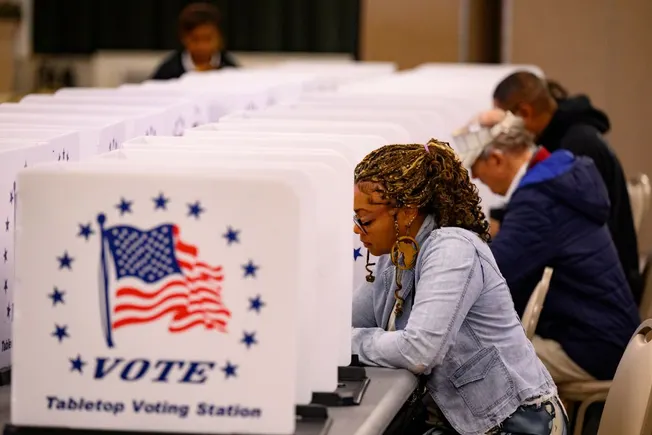
While federal legislation sets broad parameters, the daily reality of K-12 education is fundamentally determined at the state and local levels. The 2026 midterm elections featured high-stakes gubernatorial races across the country, with Democrats capturing key statehouses in pivotal regions. In Ohio, for instance, voters delivered a clear mandate that shifted the state’s executive leadership, a trend mirrored in four other states where gubernatorial seats changed partisan hands.
In states that flipped from Republican to Democratic control, newly empowered governors and legislative majorities are poised to challenge existing conservative education reforms. Over the past several years, numerous states enacted sweeping universal school choice programs, restricted classroom discussions on systemic racism, and implemented strict limitations on transgender student participation in athletics and the use of preferred pronouns.
With new leadership in place, proponents of public education anticipate a strong push to freeze or repeal universal voucher expansions, arguing that such programs drain critical resources from already underfunded traditional public school systems. Additionally, newly elected governors are expected to collaborate more closely with state teachers unions, potentially rolling back merit-pay structures, restoring traditional collective bargaining rights, and increasing baseline per-pupil funding formulas.
Conversely, in states where conservative legislatures retain supermajorities, the policy divergence between statehouses and federal mandates is expected to widen. This dynamic sets the stage for protracted legal battles over federal funding conditions, civil rights compliance, and local curriculum authority, mirroring the intense federal-state friction witnessed earlier in the decade.
Demographic Realities: Enrollment Declines and District Consolidations
While partisan politics command national headlines, school districts across the country face an equally pressing, non-partisan crisis: shifting demographics and chronic enrollment declines. As birth rates continue to drop nationwide and families migrate away from traditional urban and rust-belt centers toward suburban and Sun Belt communities, public school districts are finding themselves operating massive infrastructure with a fraction of their historical student populations.
A prime illustration of this fiscal and operational squeeze is unfolding in Colorado’s Poudre School District, located in the Fort Collins area. Faced with sustained enrollment drops, the district’s leadership approved a comprehensive restructuring plan that will result in the closure or consolidation of eight schools between the 2027–28 and 2028–29 academic years.

According to district data and enrollment projections, Poudre School District anticipates an average enrollment of approximately 23,566 students between 2025 and 2030. However, the district’s physical capacity significantly outstrips this projection, leaving more than 10,500 vacant seats across its facilities. Operating half-empty buildings drains operational budgets on utilities, maintenance, and administrative overhead, funds that district officials argue would be better utilized inside the classroom for instructional support, teacher salaries, and specialized student services.
The situation in Poudre is far from unique. Districts from the Pacific Northwest to the Northeast are grappling with the painful reality of school closures. These decisions frequently ignite intense community pushback, as neighborhood schools often serve as social and cultural anchors for local families. School boards are increasingly forced to balance fiscal responsibility against community sentiment, a difficult calculus that will define local education governance for the remainder of the decade.
Policy and Legal Landscape: Where the Needle May Not Move
Despite the monumental shift in Washington and the gubernatorial flips across several states, policy experts caution that systemic inertia will temper the pace and scope of actual change in classrooms. The decentralized nature of American education means that local school boards retain immense authority over day-to-day operations, curriculum selection, and personnel decisions.
-
Universal School Choice Programs: While newly elected Democratic governors may attempt to rein in or audit universal voucher programs, unwinding established systems is legally and politically complex. In states where ESAs have been codified into law and utilized by tens of thousands of families, dismantling these programs faces formidable legal hurdles and fierce resistance from parent advocacy groups.
-
Teacher Shortages and Workforce Dynamics: The national teacher shortage remains a persistent challenge that transcends partisan politics. While increased state funding and stronger union partnerships under Democratic administrations may improve compensation packages, systemic issues such as burnout, student behavioral challenges, and competitive private-sector wages cannot be resolved by legislative fiat alone.
-
Curriculum Debates and Local Control: Contentious debates over library books, gender identity policies, and historical instruction are deeply entrenched at the local level. Even with a more sympathetic federal administration, school boards in conservative districts are likely to continue pushing local policies that reflect the cultural values of their specific communities, frequently resulting in a patchwork of regulations from one county to the next.
Chronology of Educational Milestones Leading to Late 2026

- Early 2024–2025: Post-pandemic federal Elementary and Secondary School Emergency Relief (ESSER) funds officially expire, forcing school districts nationwide to confront severe fiscal cliffs and make difficult budget cuts.
- Late 2024–2025: A wave of state-level legislation expands universal school choice programs to over a dozen states, while simultaneously fueling intense cultural battles over DEI initiatives and curriculum transparency.
- Mid-2025: Demographic reports highlight accelerating enrollment declines in urban and mid-sized school districts, prompting early discussions regarding facility consolidations and building closures in districts like Colorado’s Poudre School District.
- November 3, 2026: The midterm elections take place. Voters in states like Ohio head to the polls at locations such as St. Patrick’s Church in Youngstown, delivering decisive victories for Democrats who recapture both chambers of Congress and flip five key gubernatorial seats.
- November 9, 2026: Policy analysts and education media outlets release comprehensive post-election reviews, projecting significant shifts in federal education oversight, civil rights enforcement, and funding priorities.
Stakeholder Reactions and Official Responses
The intersection of shifting federal power, state-level realignments, and local fiscal crises has elicited varied responses from key educational stakeholders and advocacy organizations:
- Public Education Advocates and Labor Unions: Representatives from major national teachers unions, including the National Education Association (NEA) and the American Federation of Teachers (AFT), have expressed cautious optimism following the 2026 midterms. Union leadership anticipates that a Democratic-controlled Congress and newly sympathetic governors will prioritize increased investments in public school infrastructure, support higher educator compensation, and push back against legislation that undermines public education funding.
- School Choice Coalitions: Proponents of private school choice and parental rights have signaled readiness to defend existing state laws. While acknowledging that a unified Democratic Congress may attempt to pass restrictive federal oversight bills, choice advocates emphasize that the legal framework protecting ESAs and charter schools remains robust at the state level, particularly in conservative heartlands.
- Local District Administrators: Superintendents and school board members are largely focused on the immediate operational challenges of declining enrollment and fiscal sustainability. Organizations representing school administrators note that while federal policy shifts are important, the day-to-day survival of public school districts depends heavily on state funding formulas and community buy-in regarding difficult decisions such as facility closures and consolidations.
Broader Impact and Future Implications
As the United States transitions into the second half of the 2020s, the K-12 public education system stands at a critical juncture. The convergence of a politically reconfigured federal government, newly empowered state executives, and an unprecedented demographic contraction guarantees that educational administration will remain a primary battleground for social and economic policy.
The restoration of Democratic control in Congress and key statehouses sets the stage for renewed federal activism in civil rights enforcement, equity initiatives, and public school investment. However, the efficacy of these national directives will ultimately be mediated by state-level resistance and the harsh fiscal realities facing local districts.
As demonstrated by the Poudre School District’s consolidation plan, the foundational challenge for public education is no longer merely managing post-pandemic recovery, but adapting to a smaller, shifting student population while maintaining high academic standards and equitable access. Navigating these competing pressures will require pragmatic leadership, bipartisan collaboration at the local level, and a willingness to make difficult structural adjustments to ensure the long-term viability of the American public school system.
Related posts: