Bong Joon Ho Reflects on The Host 20th Anniversary 4K Restoration and Its Uncanny Modern Relevance

Two decades after redefining the monster movie genre with a distinctively South Korean lens, visionary director Bong Joon Ho is bringing his landmark film back to the big screen. Magnolia Pictures has announced a nationwide theatrical re-release of The Host, featuring a brand-new 4K restoration that honors the visual pedigree of its 2006 premiere. For the Oscar-winning auteur, the milestone is not merely a celebration of past craftsmanship, but a sobering reminder of how art can mirror an unyielding, cyclical world history.
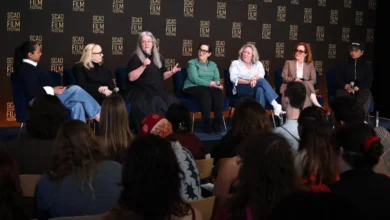
The remastered version is scheduled to return to theaters nationwide on November 20, offering both longtime enthusiasts and a new generation of cinemagoers the chance to experience the blockbuster on the big screen. Adding to the cultural event, special screenings on November 21 and 23 will feature an exclusive, in-depth conversation between Bong and acclaimed British filmmaker Edgar Wright, exploring the technical and thematic underpinnings of the work.
Reflecting on the passage of time since the film first captivated audiences at the Cannes Film Festival, Bong shared his astonishment with industry press. Expressing a sentiment familiar to many creators whose early works outlive their initial release windows, the director marveled at how quickly the decades have evaporated. Yet, beneath the nostalgia lies a stark realization: the socio-political anxieties baked into the film’s narrative DNA have only intensified with age.
Main Facts and Narrative Premise
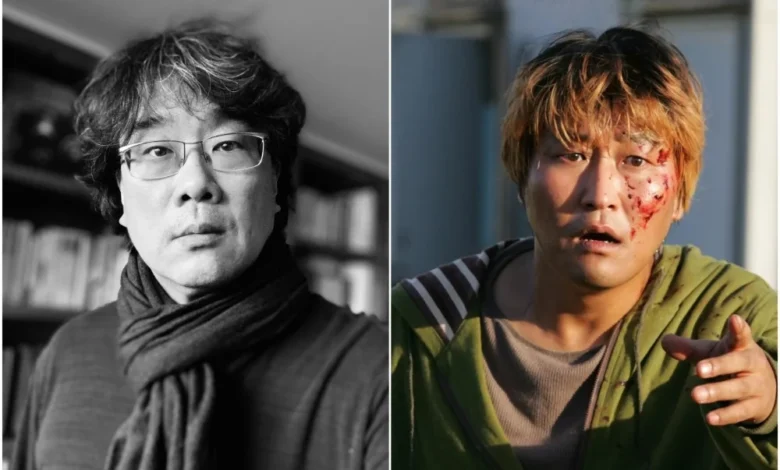
For those unfamiliar with the genre-bending masterpiece, The Host follows Gang-du, played by veteran actor Song Kang-ho—a slacker father who nods off on the job at his modest snack kiosk alongside Seoul’s bustling Han River. Sudden panic erupts when a grotesque, mutated creature crawls out of the murky water, rampaging through terrorized crowds and snatching Gang-du’s young schoolgirl daughter, Hyun-seo, portrayed by Ko A-sung.
In the chaotic aftermath, government authorities and foreign officials intervene, declaring the beast to be the carrier of an unverified, lethal virus. Placed inside a sealed-off quarantine zone by the river, Gang-du receives a desperate phone call from Hyun-seo, confirming she is terrified but alive. Refusing to succumb to bureaucratic paralysis, Gang-du and his estranged family members—played by Byun Hee-bong, Park Hae-il, and Bae Doo-na—resolve to breach the containment zone and rescue her.
The production was a monumental international undertaking for its time. New Zealand’s renowned Weta Workshop constructed intricate, physical models of the creature, while visual effects house The Orphanage handled the complex digital animation and integration. The result was a seamless blend of practical effects and cutting-edge CGI that grounded the supernatural threat in a tangible, urban reality.
The Chronology of an Auteur: From The Host to Parasite
The trajectory of Bong Joon Ho’s career over the past twenty years represents one of the most remarkable rises in contemporary cinema. Following the international acclaim of The Host, Bong continued to push cinematic boundaries with projects like Mother (2009) and the dystopian sci-fi epic Snowpiercer (2013).
However, it was his 2019 masterpiece, Parasite, that shattered the ultimate glass ceiling. The dark satire won the prestigious Palme d’Or at Cannes and went on to sweep the 92nd Academy Awards, capturing four Oscars, including Best Picture, Best Director, and Best International Feature Film. Notably, it marked the first time in history that a non-English-language film secured the top prize in the Academy’s history, cementing Bong as a titan of global filmmaking.
Despite the monumental success of Parasite and subsequent English-language ventures like Okja, the director remains deeply connected to the roots of his filmography. His willingness to revisit The Host underscores a career-long dedication to maintaining the integrity of his past works rather than indulging in Revisionist digital alterations.
Historical Context and Satire of Misinformation
When Bong originally penned the script for The Host, the world was navigating the lingering anxieties of the 2002–2004 SARS outbreak. However, the film’s narrative scope extended far beyond public health crises, functioning primarily as a sharp political satire.
A pivotal scene in the movie features U.S. lawmakers quietly conceding that the supposed contagious virus spreading across Korea does not actually exist. This specific sequence was a deliberate critique of the official misinformation campaigns surrounding the launch of the Iraq War, which was justified by the alleged presence of weapons of mass destruction that ultimately were never found.
In the two decades since, Bong notes with palpable frustration that humanity has cycled through compounding global crises, most notably the COVID-19 pandemic and ongoing modern geopolitical conflicts. Speaking on the uncanny timeliness of his creature feature, the director observed that whether history is viewed as benevolent or detrimental, human society seems perpetually bound to repeat its foundational errors. Even though the celluloid print of the film remains unchanged, an ever-shifting political landscape continuously renders its core themes relevant.
Technical Restoration and Preservation Philosophy
The primary objective behind the 4K remastering process was to faithfully replicate the organic aesthetic of a fresh 35mm film print, matching how the feature looked during its world premiere at Cannes in 2006. Unlike many contemporary productions shot on digital or Kodak stock, The Host was captured on Fuji film stock. Bong was determined to preserve the delicate, distinct color grading and palettes he originally formulated alongside cinematographer Kim Hyung-ku.
Paradoxically, the production team utilized modern digital technologies to restore and enhance the authentic, analog look of the movie. Because the initial visual effects were completed in 2005 and 2006—an era preceding widespread 4K resolution standards—the original effects shots required careful upscaling. The restoration crew meticulously balanced the imagery to ensure the creature still blended convincingly into its live-action environments.
While Bong acknowledges that modern viewings reveal minor imperfections in the digital effects alongside elements that leave him slightly unsatisfied, he firmly rejects the temptation to alter the film. Drawing a direct parallel to the preservation of personal journals, the director maintains that a film should stand as an unvarnished historical record of an artist’s capability at a specific moment in time.
He noted a similar temptation faced by veteran director Ridley Scott, who famously removed specific shots during the re-release of his 1979 sci-fi classic Alien. Though Bong admitted to experiencing a brief impulse to trim a shot or two from The Host, he ultimately practiced restraint, leaving the original cut intact as a guarded secret.
Sound Design and Future Projects
Sound design has always played an integral role in Bong’s filmmaking methodology. For The Host, the audio mixing was executed at Livetone, a premier post-production facility in Seoul where Bong has collaborated with the same sound supervisor for a quarter of a century. The studio maintains the intact original sound library, a testament to the enduring creative partnerships that define the director’s career.
The creature’s unique vocalizations required extensive experimentation during the original production. Sound designers recorded and heavily processed the physical noises of sea lions, subsequently layering them with dynamic vocal performances by Korean actor Oh Dal-su to create the chilling auditory profile recognized by audiences worldwide. While the film could theoretically be upgraded to immersive Dolby Atmos formats—the standard for Bong’s post-Okja output—final confirmations regarding the specific sound mix for the North American re-release remain pending.
Looking beyond archival restorations, Bong has a clear vision for his future output. Following the completion of his highly anticipated animated feature Ally, the director has confirmed plans to return to his creative roots. In previous statements to industry media, Bong indicated an intention to dive back into a dedicated slate of crime and horror films, signaling a thrilling return to the genre spaces that initially launched him to international prominence. For an artist who has continuously explored the darker corridors of human nature, returning to these genres feels less like a departure and more like coming home.