For decades, dietary fiber has been the undisputed cornerstone of nutritional advice for maintaining a healthy gut microbiome. It is the classic prescription for digestive regularity, cardiovascular support, and immune function. However, emerging research from the Ludwig Institute for Cancer Research at Princeton University suggests that fiber is only half of a more complex nutritional equation. A new class of indigestible plant proteins, termed "Prifs" (proteins imitating fiber), appears to play a critical, previously overlooked role in regulating the chemical landscape of the human gut and, by extension, overall systemic health.
The findings, detailed in two major studies published in the Proceedings of the National Academy of Sciences (PNAS) and Nature Metabolism, represent a paradigm shift in how scientists understand the interplay between diet, microbial activity, and host metabolism. By utilizing advanced isotope-tracing techniques, researchers have begun to map exactly how specific plant components dictate whether gut bacteria produce life-sustaining metabolites or hazardous compounds that contribute to chronic diseases.
The Mechanism of Microbial Metabolism
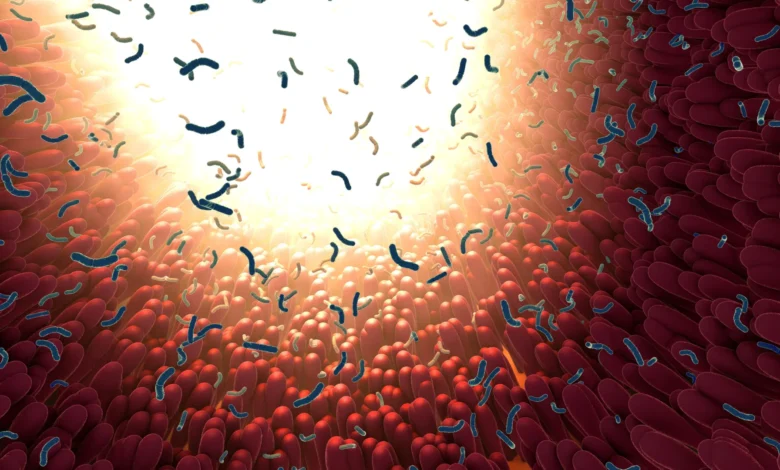
To understand the significance of these findings, one must first look at the chemical output of the intestinal tract. The gut microbiome is a bustling bioreactor, teeming with trillions of microorganisms that process dietary inputs. When these bacteria break down amino acids—the fundamental building blocks of protein—they produce metabolites. Some of these, such as phenylpropionate and hippuric acid, are associated with metabolic health and ideal body weight. Others, including p-cresol sulfate and phenol sulfate, are linked to inflammatory responses, cancer progression, and renal impairment.
For years, the medical community assumed that gut bacteria were solely responsible for the synthesis of these compounds. The research team, led by Jenna AbuSalim and Joshua Rabinowitz, sought to challenge this assumption and investigate how specific dietary choices influence these outputs. Their work suggests that the gut environment is a competition for resources. When fiber is scarce, gut bacteria may turn to the host’s own protective mucus layer for sustenance. This degradation of the intestinal lining not only compromises the barrier between the microbiome and the body but also triggers the production of harmful phenol metabolites.
Chronology of the Discovery
The path to this discovery involved a multi-year effort to refine isotope-tracing methodologies. In early 2023, the team began deploying stable isotope labeling in mouse models to track the metabolic journey of amino acids. Unlike radioactive labeling, which can alter cellular behavior, stable isotopes act as a "chemical signature," allowing researchers to see exactly where specific nutrients travel and how they are synthesized.
By June 2024, the team published their findings in Nature Metabolism, which upended the long-standing belief that the body’s circulating metabolites are exclusively microbial in origin. Shortly thereafter, the PNAS study confirmed that indigestible plant proteins act as a secondary fuel source. These "Prifs" do not just pass through the digestive system; they provide a cleaner, safer substrate for bacteria to metabolize, effectively crowding out the harmful processes that would otherwise lead to the consumption of the gut’s protective mucus.
Supporting Data and Scientific Implications
The data produced by these studies provides a granular look at the biochemical pathways involved. By comparing the metabolite profiles of antibiotic-treated mice—which had significantly depleted microbiomes—with those of healthy control groups, the researchers were able to isolate which compounds were truly microbial and which were produced by the host’s own tissues.
The results were striking: mammalian cells possess a much greater capacity for synthesizing indole metabolites—such as indole-3-lactate and indole-3-acetate—than previously realized. This discovery is vital for clinical medicine, as it suggests that trying to improve health outcomes solely by manipulating the microbiome via probiotics may be insufficient if the host’s own metabolic pathways are not also accounted for.
Furthermore, the data regarding Prifs suggests a potential shift in food labeling standards. If indigestible proteins are confirmed to be as essential as fiber for gut homeostasis, the current focus on "total protein" content in nutrition labels may be an insufficient metric. Nutritionists may soon need to distinguish between bioavailable proteins and those that function as functional "prebiotic" structural components.
Perspectives from the Research Team
Joshua Rabinowitz, who serves as the Director of the Princeton Branch of the Ludwig Institute for Cancer Research, emphasizes the importance of precision in future dietary interventions. "There’s growing interest across medical disciplines in manipulating the human microbiome or using its metabolic products themselves for therapy," Rabinowitz noted. "Diet holds great promise for controlling the microbiome and its outputs. But to devise effective therapeutic interventions, we need to understand what aspects of the diet control which microbial outputs."
The research team believes that the classification of Prifs as a distinct dietary category will simplify the development of "precision nutrition." By identifying the specific proteins that promote beneficial phenol production, clinicians could eventually design therapeutic diets tailored to patients with specific chronic conditions, such as inflammatory bowel disease (IBD) or metabolic syndrome.
Broader Impact on Public Health
The implications of these studies reach far beyond basic biology. In the context of cancer research, the ability to modulate the production of indole metabolites is particularly promising. Because these compounds are involved in immune cell activity and tumor suppression, the ability to control their levels through diet could theoretically enhance the efficacy of immunotherapy.
However, the research also serves as a cautionary tale against oversimplification. The fact that the body can synthesize many of these compounds independently suggests that the microbiome-gut-brain axis is not a one-way street. Future clinical trials will need to account for the "host contribution" to the metabolite pool. If a patient is placed on a restrictive diet to change their gut bacteria, but their own cells are producing the target metabolites, the intervention may fail to yield the desired health outcomes.
Challenges and Future Directions
While these findings are transformative, they remain largely confined to laboratory and animal models. Translating these insights into human clinical practice requires longitudinal studies that account for the massive variability in human diets and genetics. The human gut microbiome is uniquely responsive to environmental factors, stress, and medication, all of which could influence how Prifs are metabolized.
Additionally, identifying which specific plant proteins constitute "Prifs" remains an ongoing challenge. The researchers have established that these proteins resist digestion, but the food industry will need to categorize and quantify these substances before they can be effectively utilized in dietary recommendations. As AbuSalim noted, "We think Prifs represent an emerging class of dietary nutrients that shape the composition of the gut microbiome and could have a far-reaching influence on metabolic health."
The Road Ahead
The scientific community is already responding to the findings. Experts in nutritional biochemistry are advocating for a re-evaluation of how dietary fiber is studied, suggesting that future research must analyze fiber and protein structures in tandem rather than in isolation.
As public health officials continue to refine dietary guidelines to combat the global rise in metabolic diseases, the integration of microbiome science will become increasingly critical. The recognition that our food provides not just energy, but chemical instructions to our microbiome and our own cells, marks the beginning of a new era in nutrition.
In the coming years, it is likely that food packaging will evolve to reflect this nuance. Just as fiber content became a standard marker for digestive health in the late 20th century, Prifs may well become the next frontier in nutritional labeling. For the average consumer, the takeaway is clear: the health benefits of a plant-based diet are more profound than previously understood, rooted in a complex, cooperative chemical dance between the food we eat, the microbes we host, and the cells that constitute our own bodies.
This research was made possible through funding from the Ludwig Institute for Cancer Research, the National Institutes of Health, the National Institute of Diabetes and Digestive and Kidney Diseases, the Princeton Alliance for Collaborative Research and Innovation, and Princeton University. As investigations continue, the medical field moves one step closer to a future where "you are what you eat" is understood with the precision of a molecular map.
Related posts: