The Ultimate Parisian Getaway: A Comprehensive Guide to Packing, Navigation, and Cultural Exploration in the City of Light

Paris continues to maintain its status as the most visited city in the global tourism sector, drawing millions of international travelers annually to its vibrant neighborhoods, architectural landmarks, and world-renowned culinary scene. As cultural events like Art Basel Paris and the recurring seasonal Fashion Weeks draw increasingly diverse crowds, the logistics of preparing for a trip to the French capital require careful consideration. Navigating the unique blend of historic cobblestone streets, unpredictable weather patterns, and the famously effortless aesthetic of French-girl style demands a strategic approach to packing and itinerary planning. Whether embarking on a four-day excursion or an extended holiday, travelers must balance aesthetic aspirations with the practical realities of urban exploration.
Main Facts and Strategic Packing for the French Capital
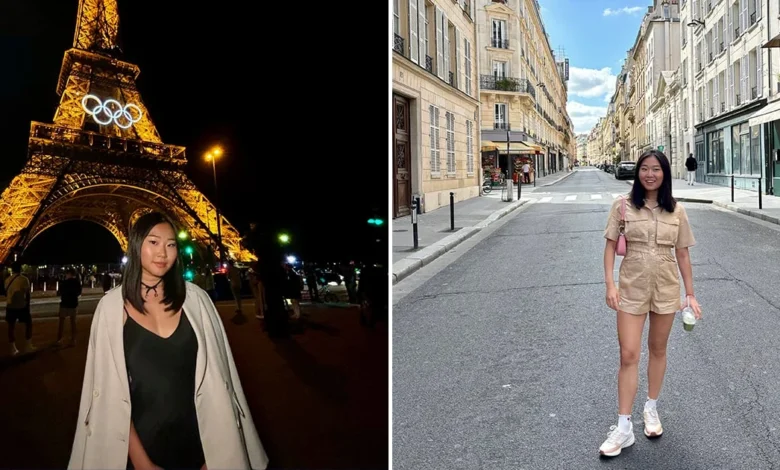
The foundational strategy for any successful trip to Paris begins with luggage management, particularly for travelers adhering to carry-on restrictions during peak travel seasons. Operating within a limited suitcase capacity necessitates a disciplined approach to wardrobe curation. Travel stylists and frequent flyers consistently recommend establishing a neutral color palette that mirrors the classic capsule wardrobe synonymous with French fashion. Timeless garments—such as tailored slip dresses, elevated basic tees, and adaptable structured blazers—serve as the cornerstone of this methodology.
Efficiency remains paramount when maximizing suitcase space. Packing items capable of transitioning seamlessly from daytime sightseeing to evening dining minimizes excess baggage. Simple accessories, including quality leather belts, statement handbags, and comfortable low-profile heels, allow wearers to modify their look without necessitating a complete outfit change. Given that Paris is fundamentally a walking city characterized by historic cobblestone pathways and uneven terrain, footwear selection is critical. Visitors must prioritize comfortable, durable shoes that can endure extensive daily mileage without compromising sartorial standards.
Furthermore, atmospheric conditions in Paris demand careful preparation. The city’s microclimate can shift rapidly within a matter of hours, transitioning from bright sunshine to sudden precipitation. Consequently, seasoned travelers advise incorporating lightweight, layerable outerwear, weather-resistant footwear, and a compact travel umbrella into daily carry items to mitigate the discomfort of sudden weather fluctuations.
Chronology and Seasonal Attractions Throughout the Parisian Calendar
Understanding the rhythm of the city requires examining the annual calendar of cultural events that shape tourism trends. While Paris remains a premier year-round destination, specific periods see surges in international arrivals tied to global art, fashion, and commerce.
Spring (March to May) marks the beginning of the peak tourist season, coinciding with blooming flora in historic green spaces such as the Tuileries and Luxembourg Gardens. During this period, fashion enthusiasts arrive for seasonal trade shows and industry events.
Summer (June to August) brings long daylight hours, vibrant outdoor café culture, and major international tourism peaks. Travelers during these months frequently contend with higher accommodation costs and warmer temperatures, making lightweight clothing and strategic hydration essential.
Autumn (September to November) introduces the prestigious Art Basel Paris, an event that draws global contemporary art collectors, curators, and enthusiasts to the capital. This season also hosts additional Fashion Week cycles, transforming the city into a global showcase for haute couture and ready-to-wear collections.
Winter (December to February) offers a more subdued atmosphere, marked by holiday illuminations along the Champs-Élysées, festive markets, and significantly shorter queues at major cultural institutions such as the Louvre and the Musée d’Orsay.
Geographic Layout: Navigating the Left Bank and Right Bank
Parisian geography is fundamentally defined by the Seine River, which bisects the urban landscape into two distinct regions: the Left Bank (Rive Gauche) and the Right Bank (Rive Droite). Each side possesses a unique historical identity, architectural style, and cultural atmosphere that influences visitor itineraries.
The Left Bank is historically celebrated for its bohemian heritage, intellectual associations, and artistic legacy. Encompassing the Latin Quarter and Saint-Germain-des-Prés, this region houses significant cultural institutions, including the Panthéon, the Musée d’Orsay, and the expansive Luxembourg Gardens, alongside the iconic iron lattice of the Eiffel Tower. The ambiance here tends to be more academic and literary, echoing the historic haunts of famous writers and philosophers.
Conversely, the Right Bank is widely associated with commerce, luxury, and grand urban planning. It features monumental sites such as the Louvre Museum, the historic grandeur of Place Vendôme, and the bustling commercial avenue of the Champs-Élysées. Navigating between these two distinct areas is facilitated by an extensive public transit network, including the Métro and municipal bus lines. However, tourism experts recommend securing accommodations in centrally located neighborhoods to minimize transit times and maximize pedestrian access to primary attractions.
Supporting Data and Tourism Metrics
Statistical data from municipal tourism boards and international travel authorities underscore the enduring appeal of the French capital. Prior to global disruptions in the early 2020s, Paris consistently welcomed upwards of 30 to 40 million visitors annually across hotel and alternative lodging sectors. The economic impact of this tourism influx is profound, supporting thousands of local businesses, hospitality ventures, and cultural preservation initiatives.
Surveys conducted among international travelers indicate that architectural sightseeing, culinary exploration, and museum visitations remain the primary motivators for trips to Paris. Furthermore, data regarding urban mobility highlights the city’s heavy reliance on pedestrian infrastructure and public transit. With ongoing municipal investments in pedestrianization—such as the expansion of bicycle lanes and the restriction of vehicular traffic in historic zones—the emphasis on walking and eco-friendly transit has never been more pronounced.
Excursions Beyond the City Limits: Day Trips Worth Taking
While the urban core of Paris offers endless exploration, travel itineraries frequently incorporate regional excursions to contextualize French history, art, and gastronomy. Prominent day-trip destinations within a short transit radius of the capital include:
-
Giverny: Located approximately 75 kilometers northwest of Paris, this rural village is internationally renowned as the former home and gardens of Impressionist master Claude Monet. Visitors can tour the famous water lily pond and Japanese bridge that inspired his iconic canvas series.
-
The Palace of Versailles: Situated just southwest of Paris, the former royal residence of Louis XIV exemplifies opulent 17th-century French Baroque architecture. The estate attracts millions of annual visitors to its Hall of Mirrors, extensive formal gardens, and the Trianon palaces.
-
The Champagne Region: Centered around cities like Reims and Epernay, this northeastern wine-producing region offers guided tours and tastings at historic Champagne houses, providing insight into the viticultural traditions behind the world’s most famous sparkling wine.
Broader Impact and Economic Implications of Parisian Tourism
The steady influx of global visitors carries significant economic, environmental, and cultural implications for the Île-de-France region. Tourism generates substantial tax revenues for local governance, funding public infrastructure projects, park maintenance, and the upkeep of national heritage sites. However, municipal authorities continuously grapple with the challenges of overtourism, including rising real estate costs in central districts, wear and tear on historic infrastructure, and the displacement of local residents in favor of short-term vacation rentals.
In response, local government bodies have increasingly promoted sustainable tourism initiatives, encouraging visitors to explore lesser-known neighborhoods beyond the traditional tourist corridors of the 1st, 7th, and 8th arrondissements. By dispersing economic benefits to outer districts and promoting eco-friendly transit options like cycling and walking, the city aims to balance the commercial vitality of the tourism sector with the quality of life for permanent residents.
As travelers continue to seek out the cultural riches of the City of Light, meticulous preparation remains the key to a successful journey. From adopting the understated elegance of a Parisian capsule wardrobe to understanding the historical dichotomy of the Left and Right Banks, a well-planned itinerary ensures that every visitor can experience the enduring allure of Paris authentically and respectfully.