Why Deer Print Is Replacing Leopard and Zebra as the Ultimate Fall and Winter Fashion Trend

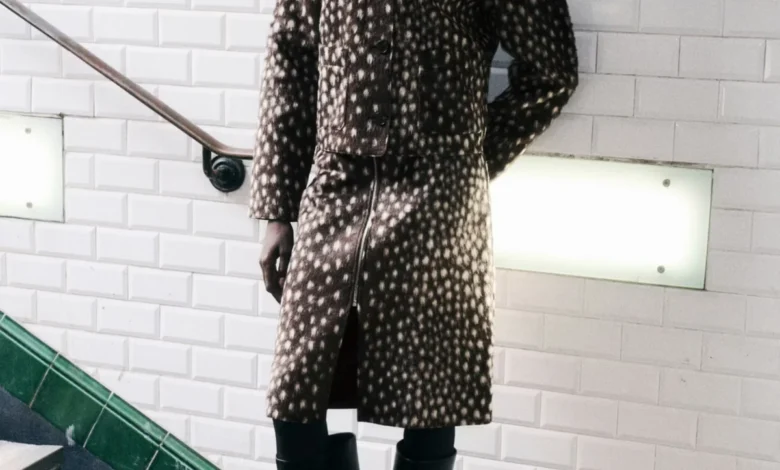
The landscape of seasonal animal prints is undergoing a significant evolution as the fashion industry enters its latest aesthetic chapter for the autumn and winter seasons. For decades, traditional motifs such as leopard spots, zebra stripes, and tiger prints have dominated luxury runways and high-street collections alike, serving as the default textures for statement-making outerwear and accessories. However, market shifts heading into late 2026 indicate a distinct pivot toward a softer, more nuanced alternative: deer print.
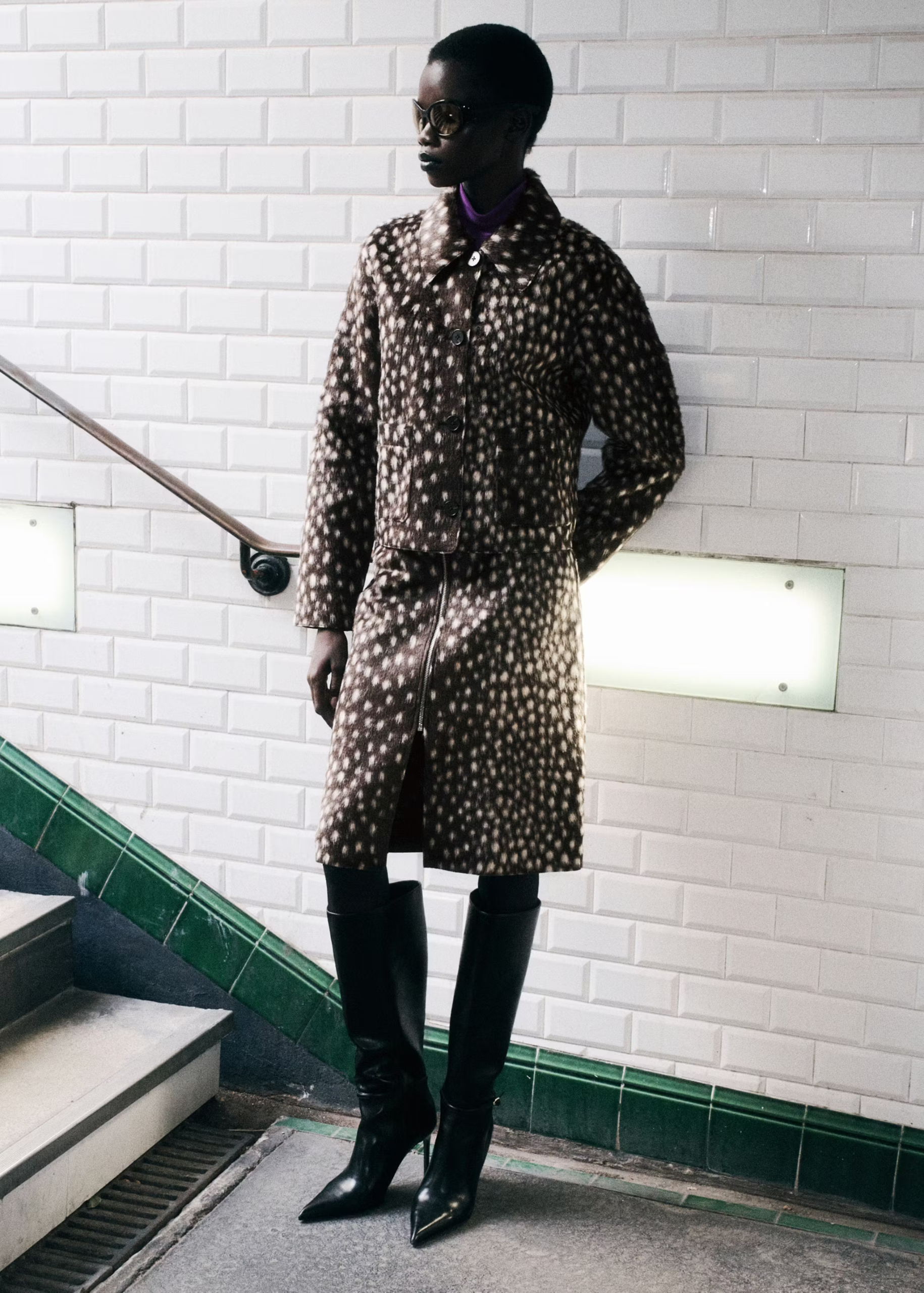
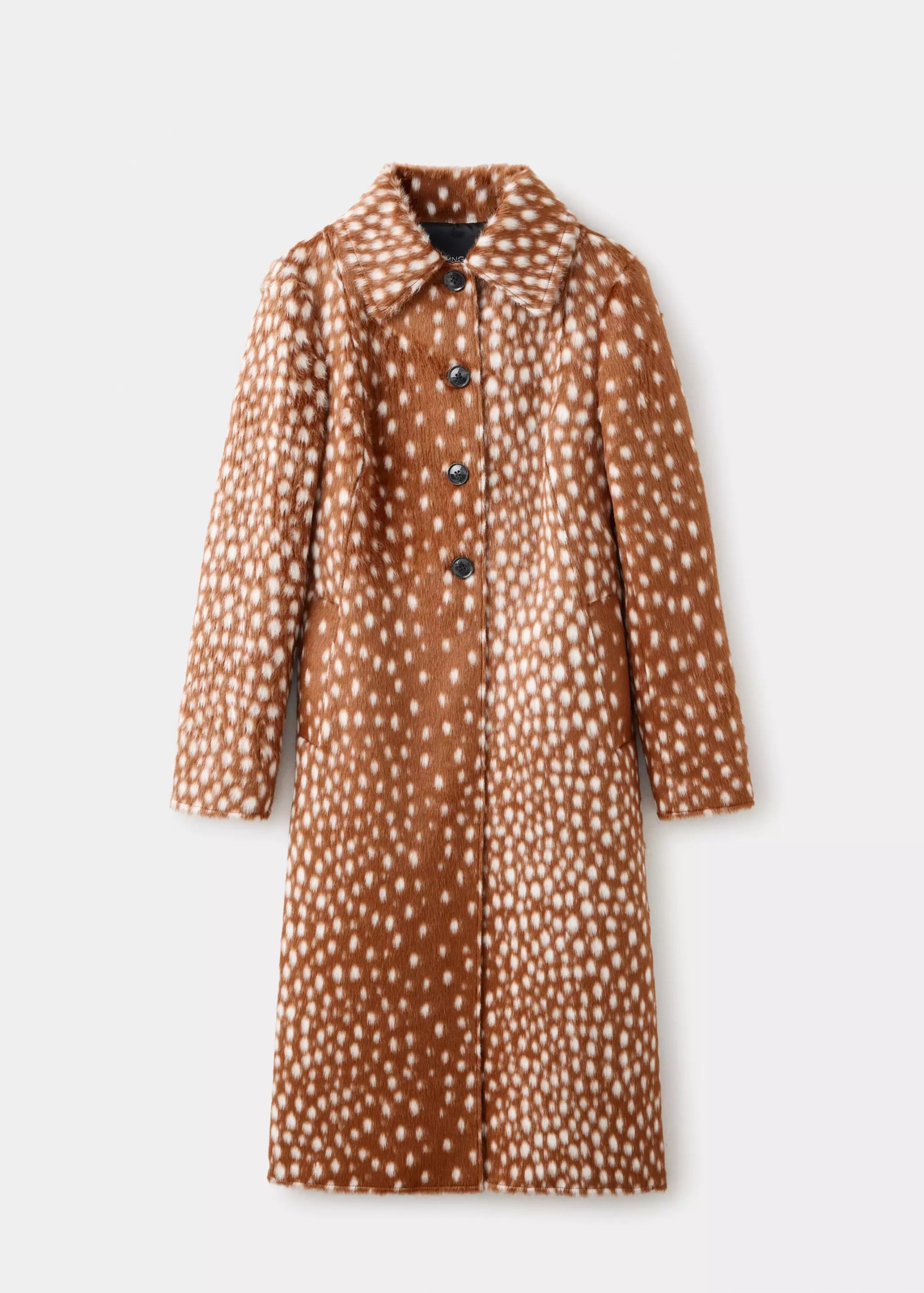
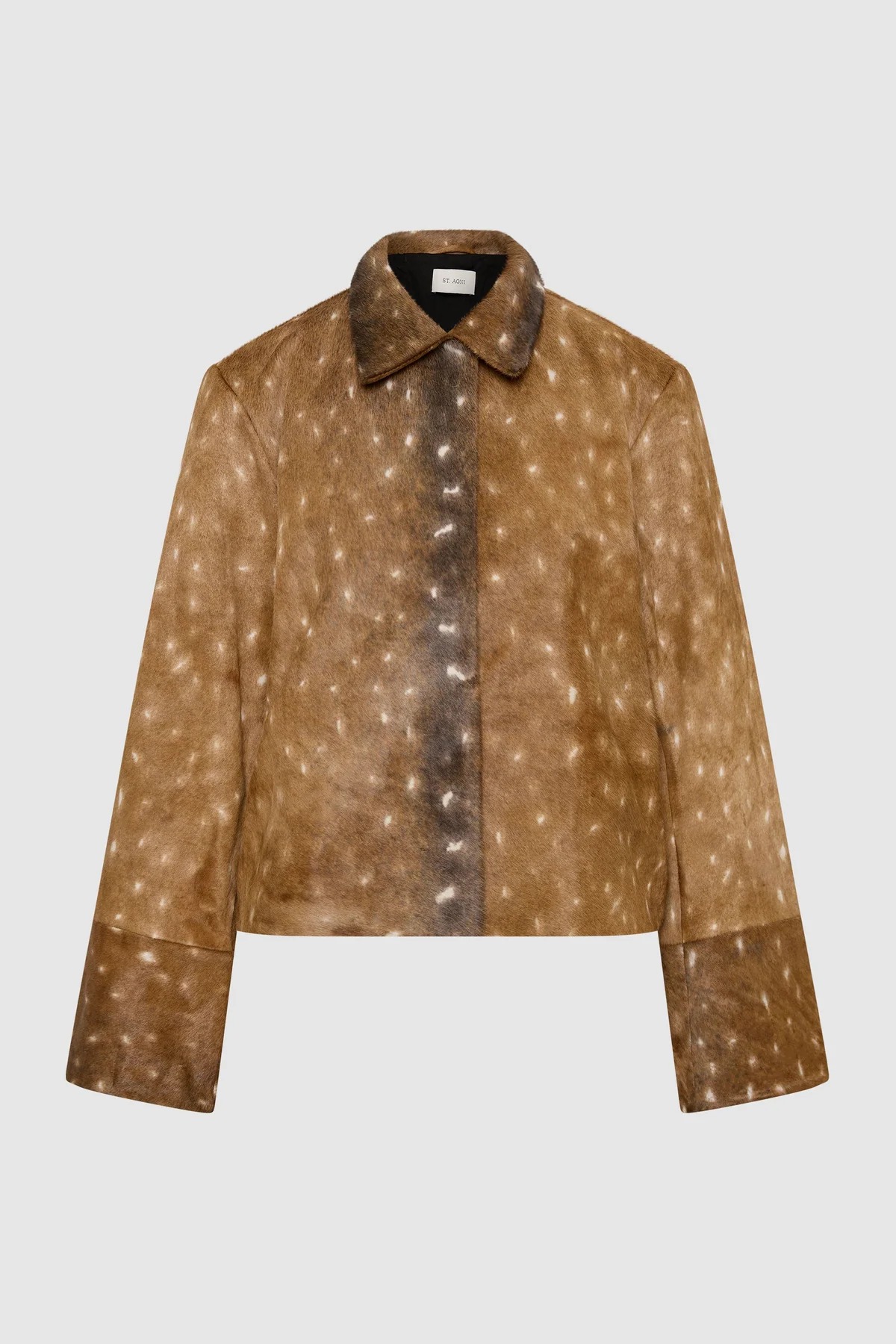
Characterized by warm caramel tones, delicate white speckles, and an undeniable woodland charm, this emerging trend—frequently referenced in design circles as fawn or Bambi print—has successfully bridged the gap between whimsical nostalgia and high-end polish. Far from being a fleeting novelty, the pattern has rapidly infiltrated collections from major luxury houses and accessible contemporary brands alike, signaling a broader consumer appetite for textured neutrals that feel both fresh and wearable.
The Woodland Era Takes Over Global Runways
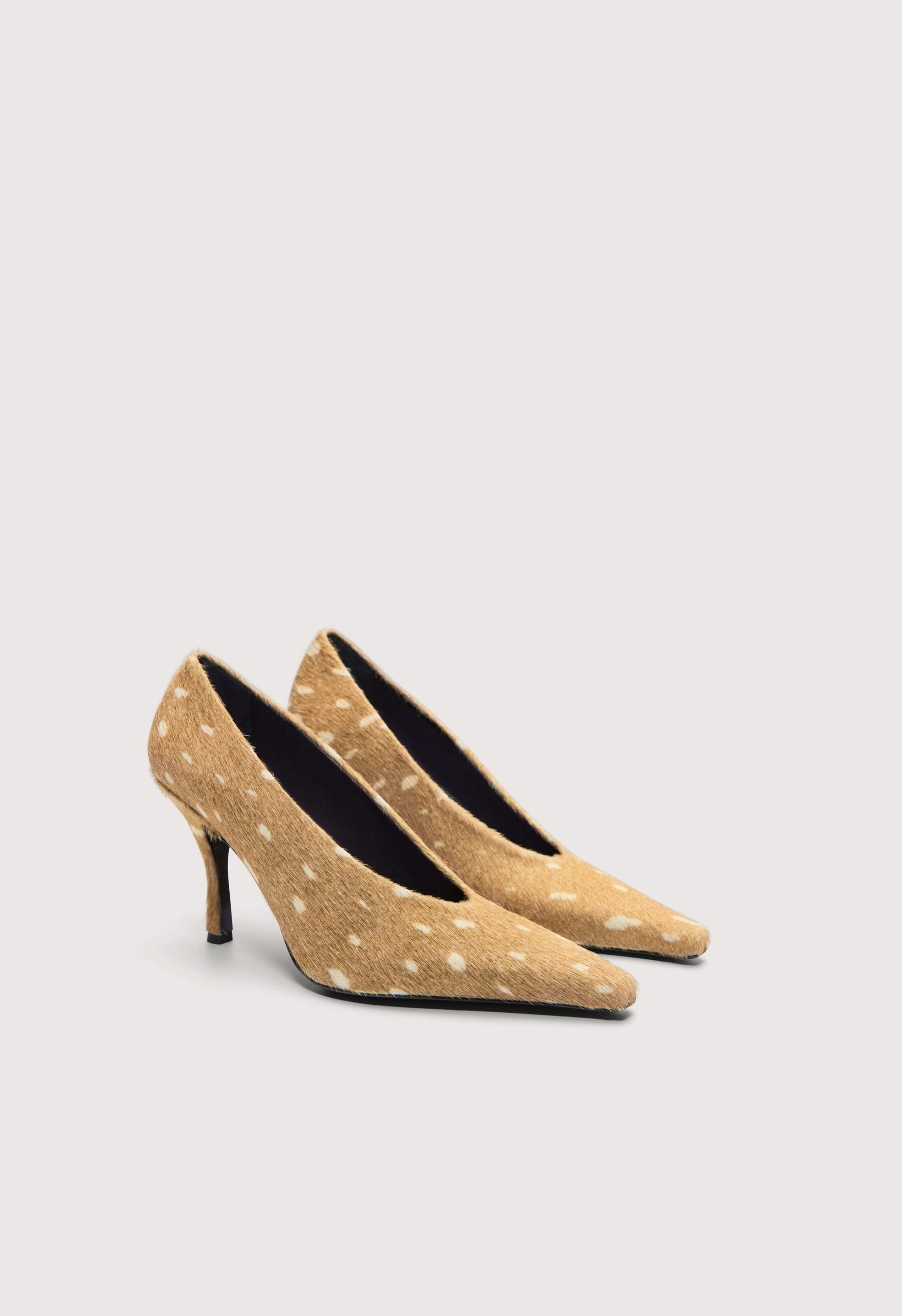
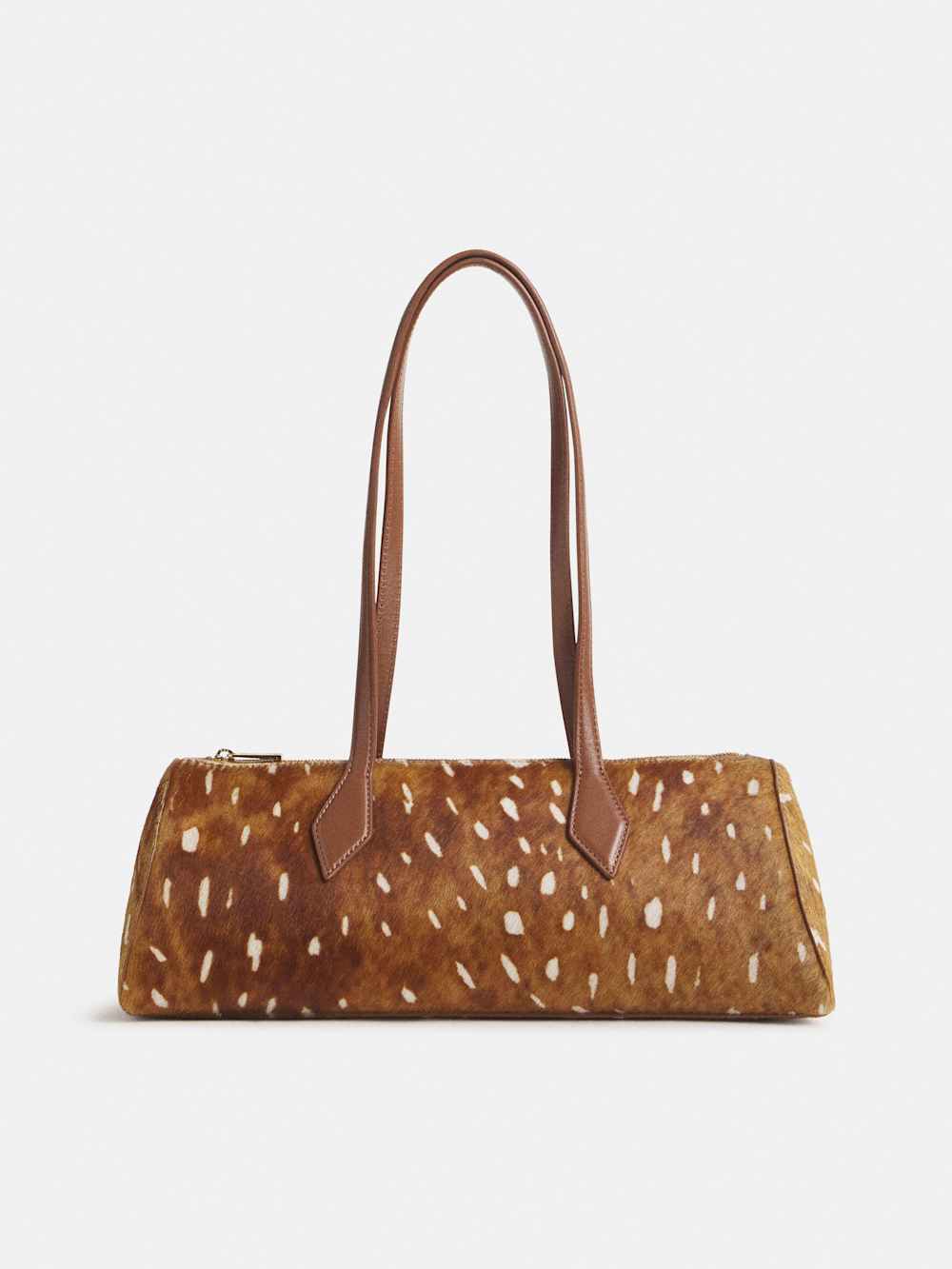
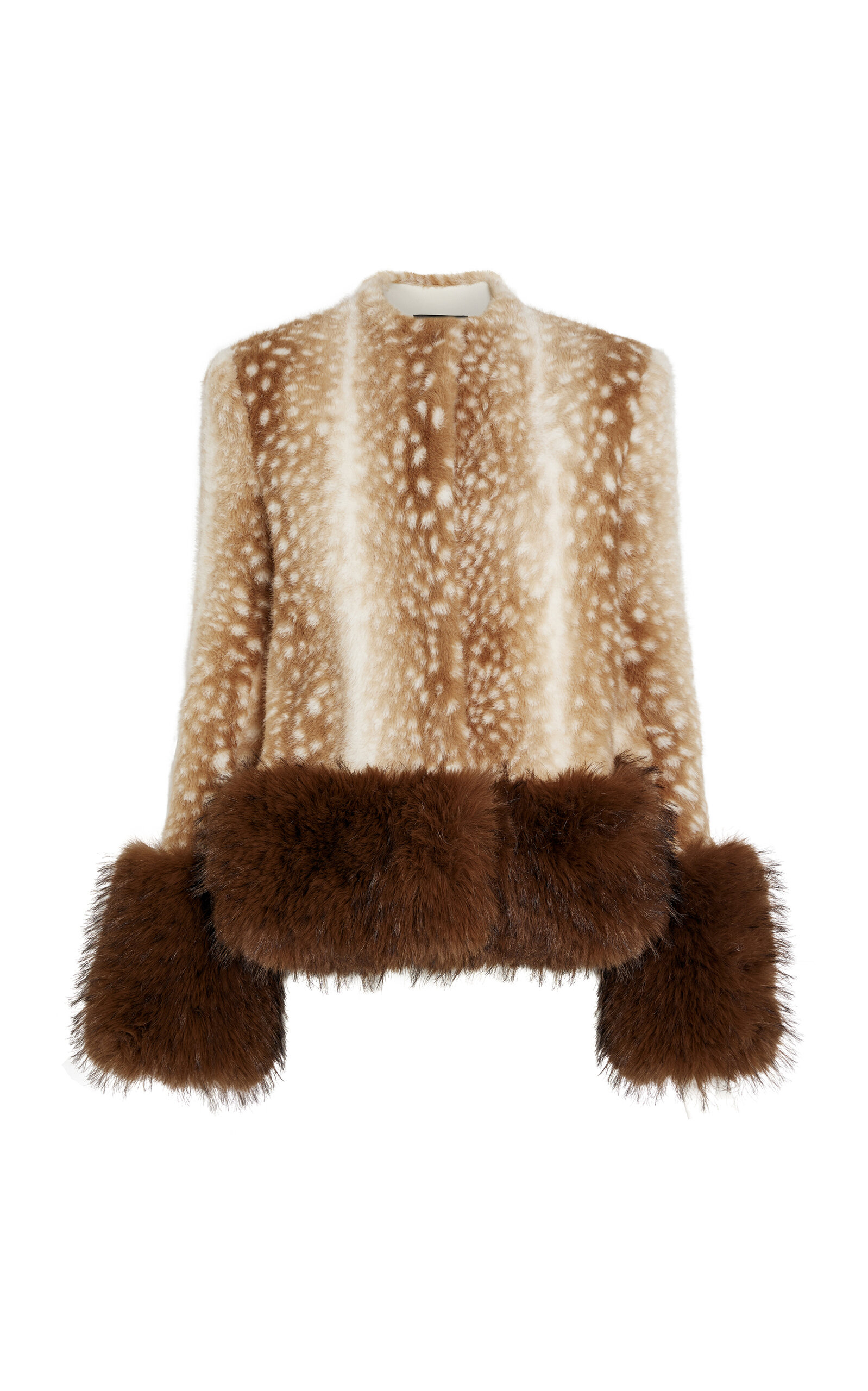
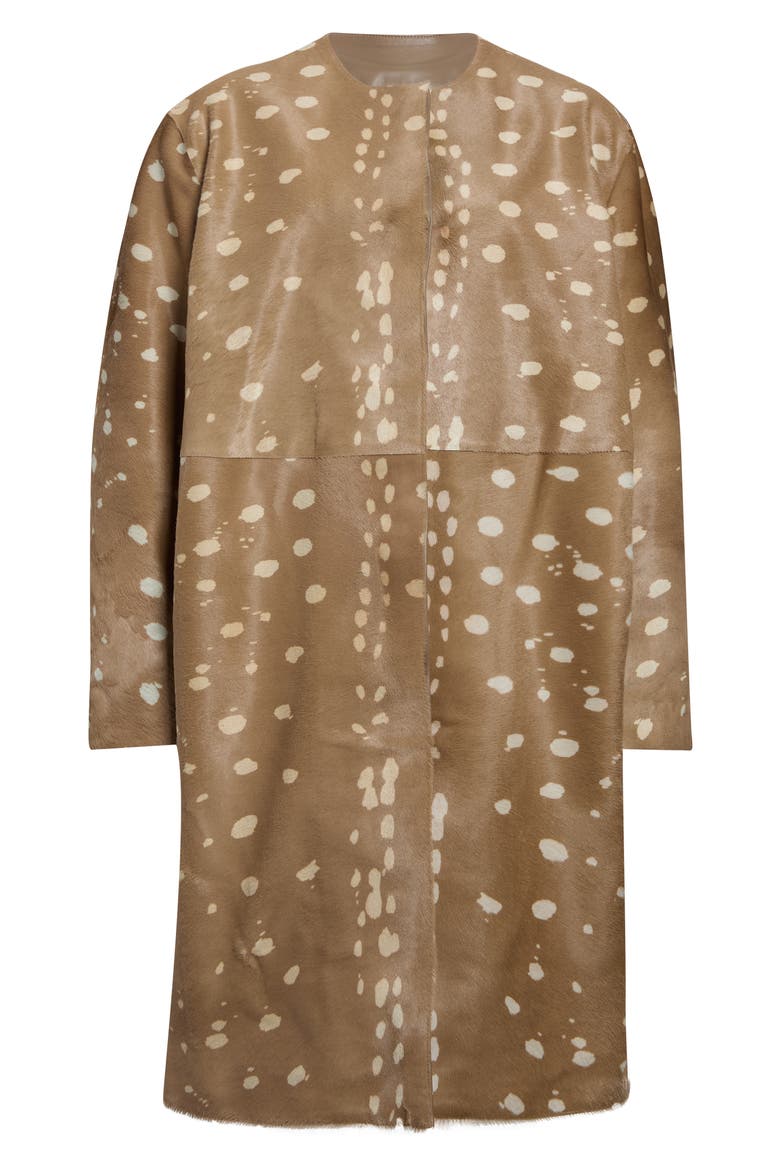
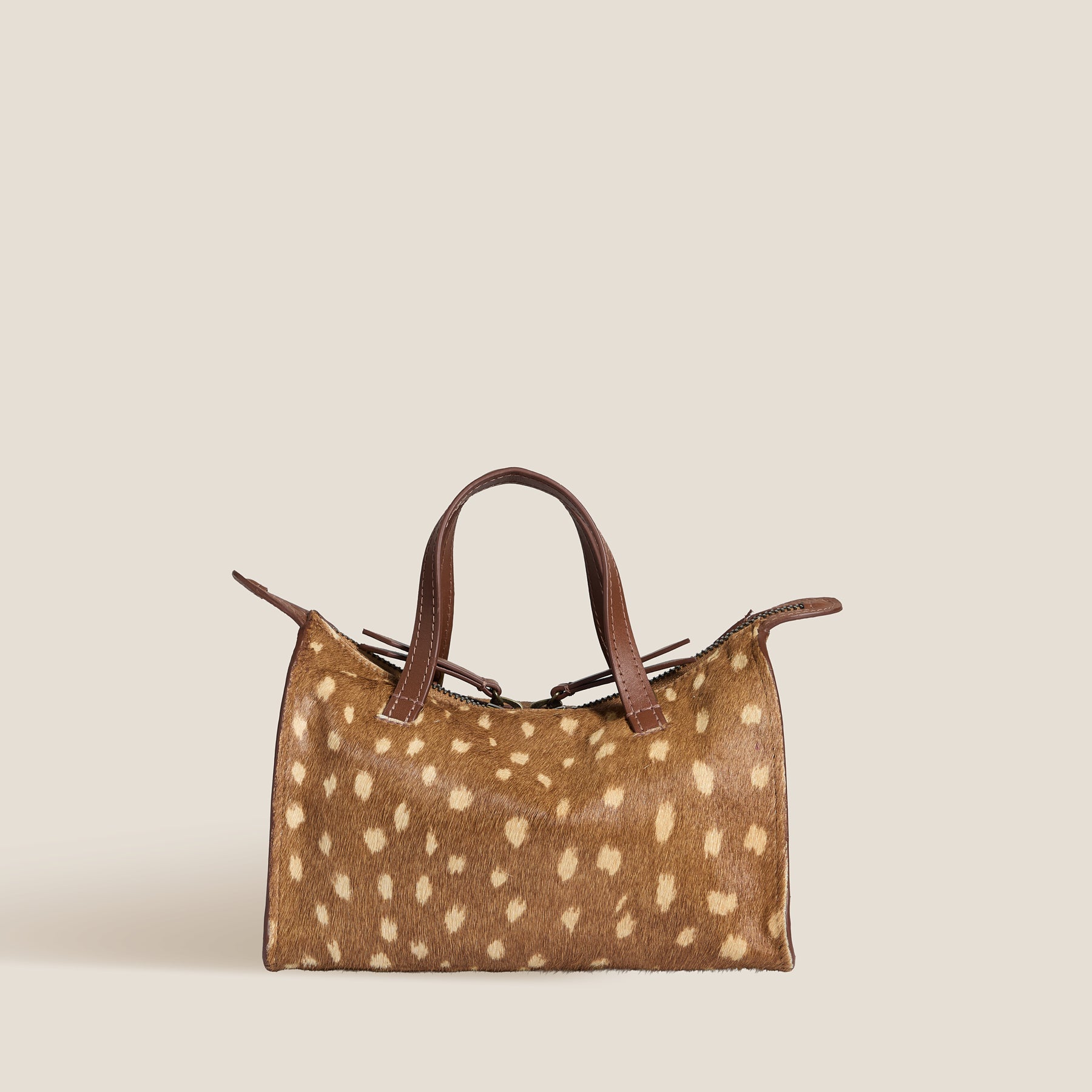
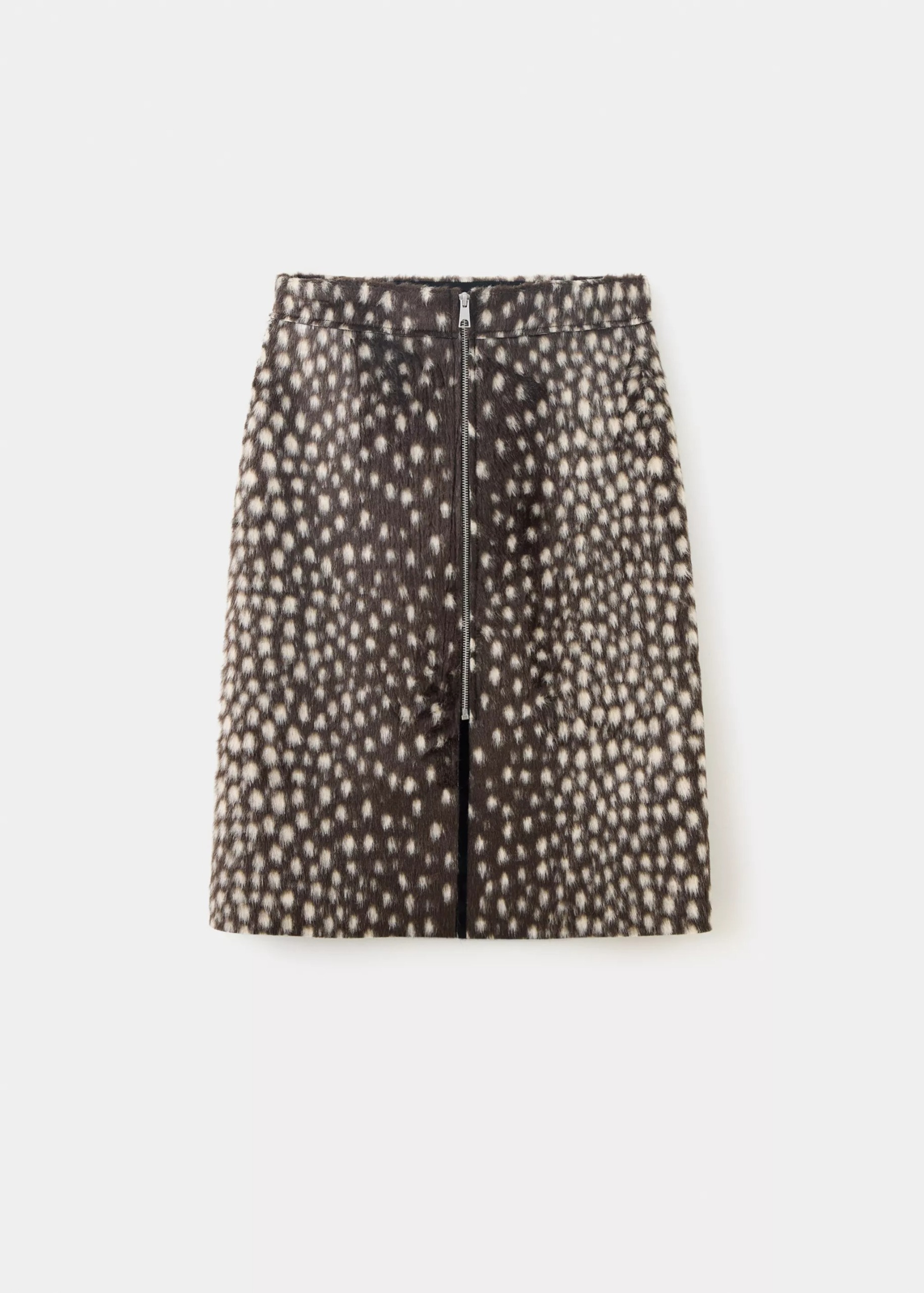
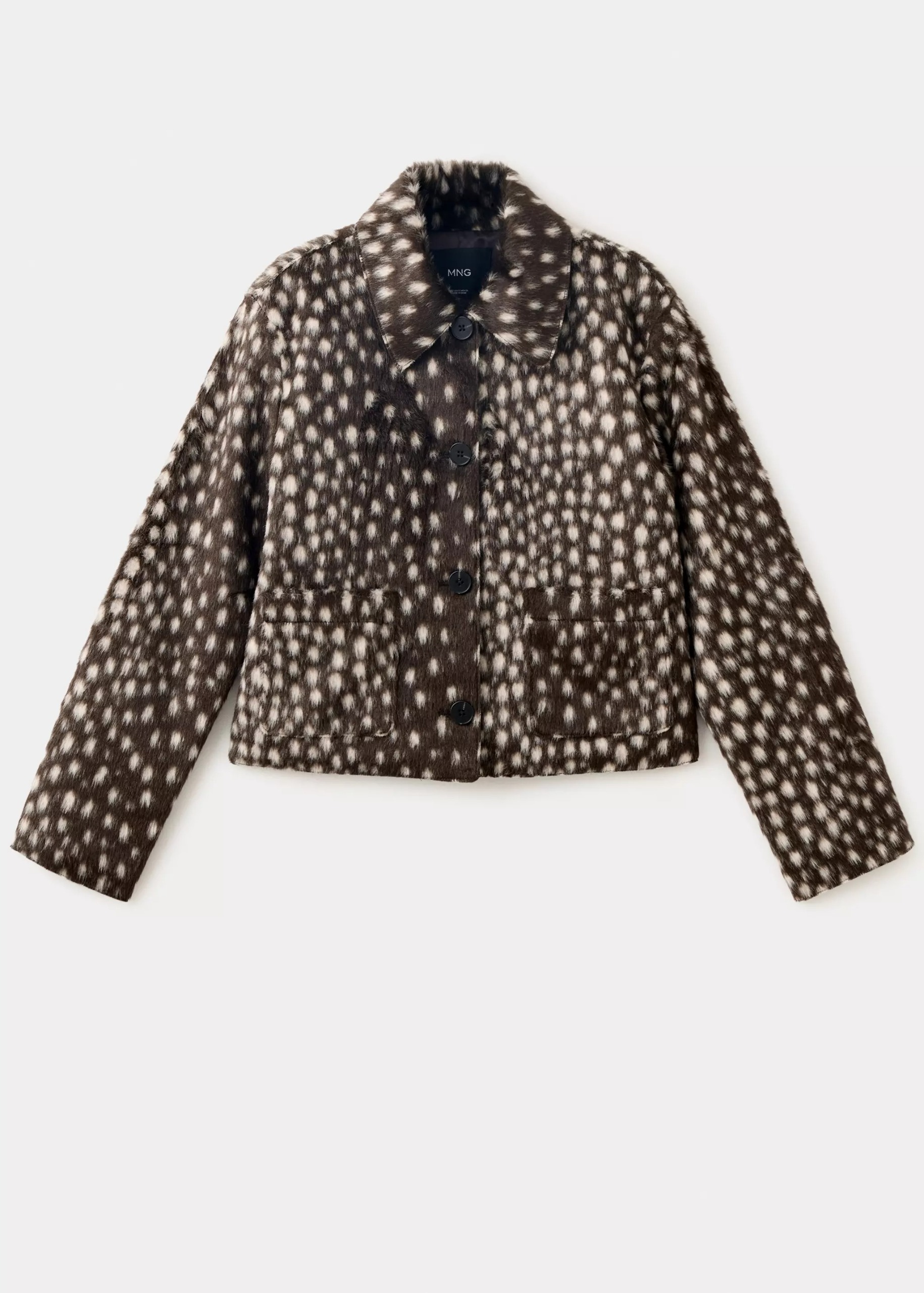
The genesis of the deer print resurgence can be traced back to recent runway presentations and early seasonal rollouts from trend-setting labels. Brands including St. Agni, Loulou de Saison, Mango, and Reformation have officially entered what industry insiders describe as their "woodland era." Rather than restricting the motif to minor accessories, these designers have incorporated the pattern into substantial wardrobe staples, ranging from longline faux-fur outerwear and calf-hair statement coats to sleek midi skirts and architectural shoulder bags.
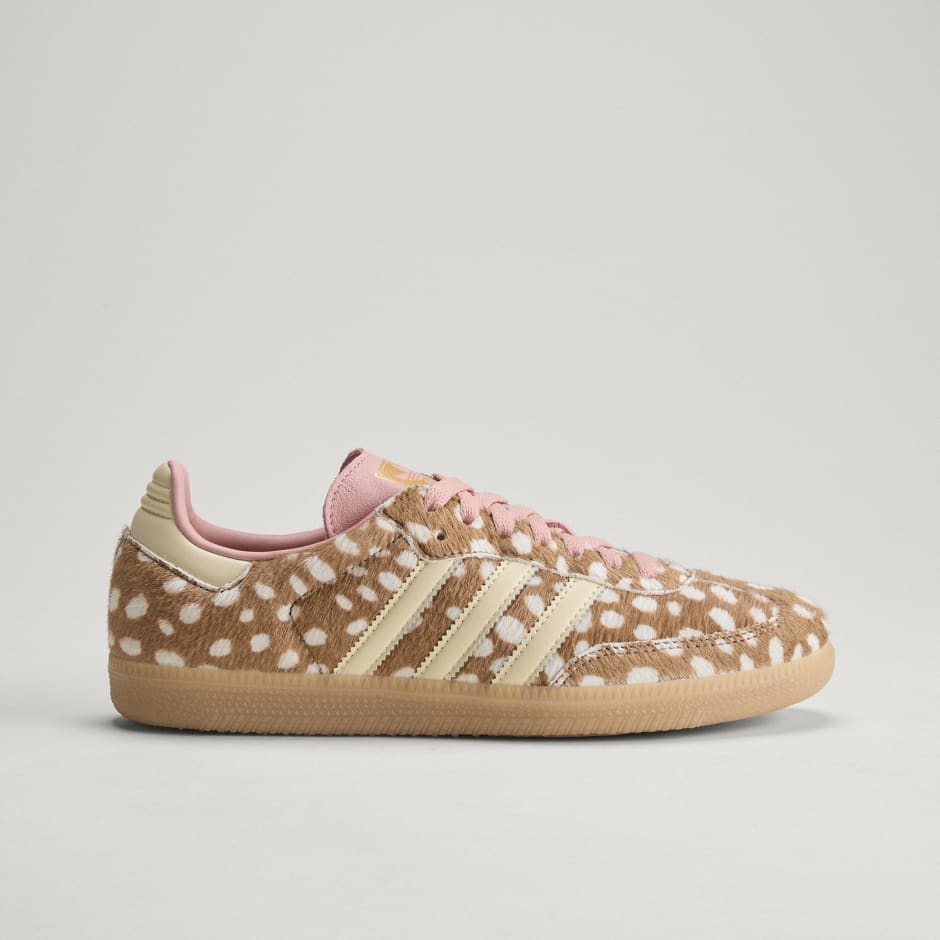
Even footwear giants have embraced the aesthetic. Adidas, renowned for its perennial collaborations and trend-responsive silhouettes, introduced spotted iterations of its iconic Samba sneaker, instantly generating a surge of consumer demand and cementing the print’s viability across casualwear categories. This widespread adoption across diverse price points and product types demonstrates that deer print is not merely an avant-garde runway experiment, but a commercially viable shift in consumer preferences.
Styling the Neutral: How to Wear Deer Print
A primary driver behind the rapid adoption of deer print is its surprising versatility. Historically, animal prints like leopard have been categorized as bold statements requiring careful balancing within an ensemble. In contrast, trend forecasters and stylists are advising consumers to treat deer print as a functional wardrobe neutral.
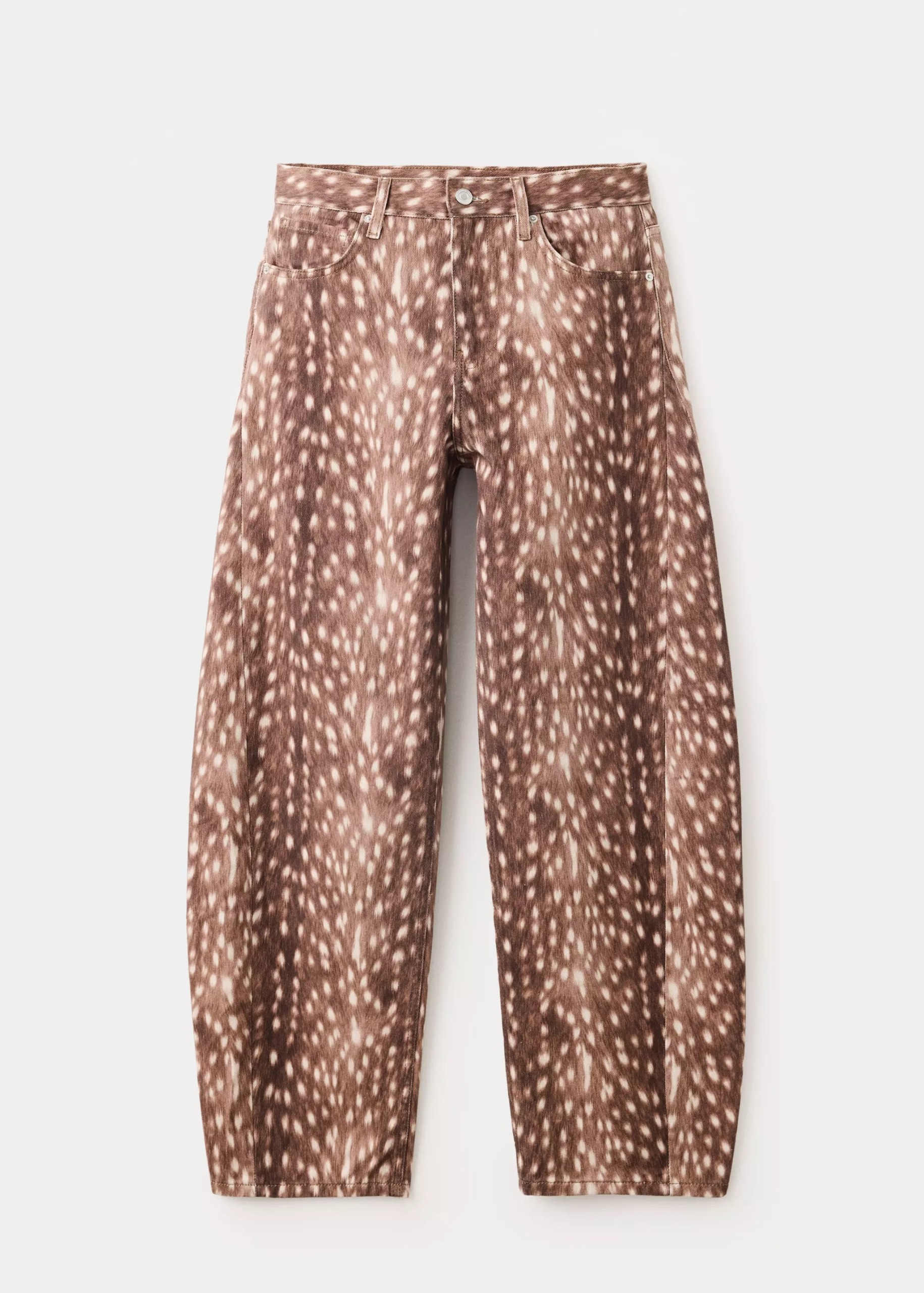
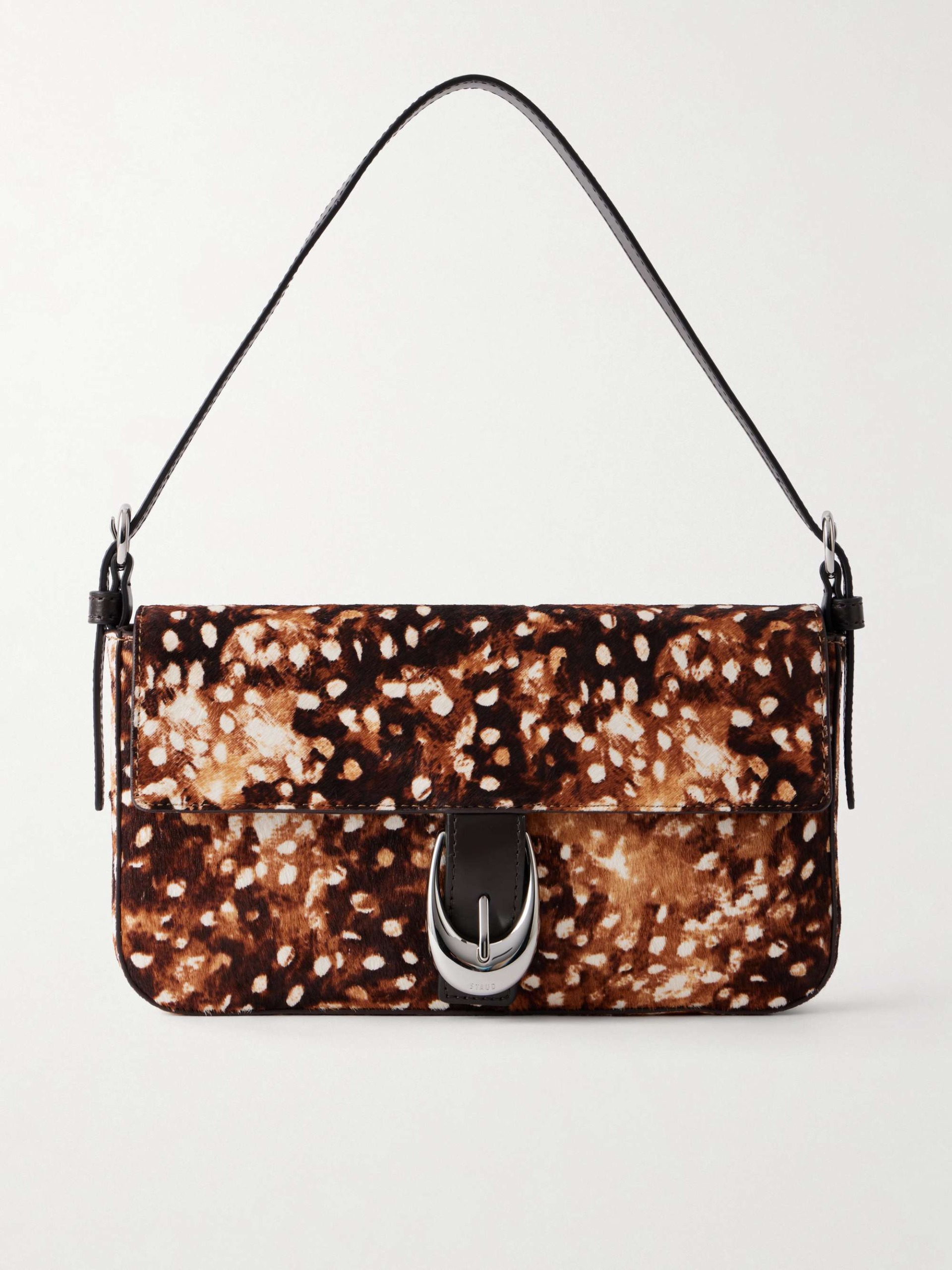
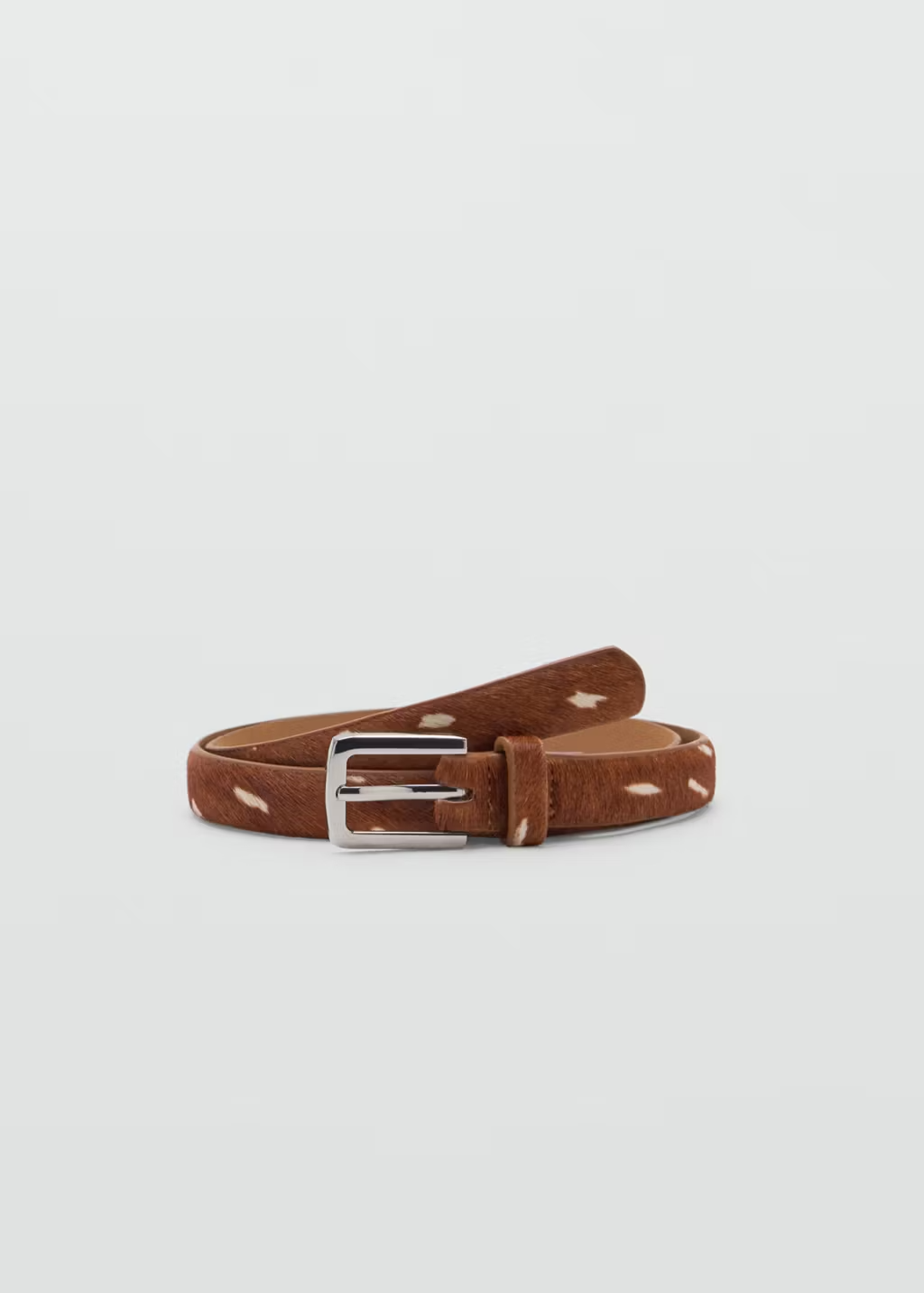
The pattern’s underlying palette of rich browns, tans, and creams allows it to harmonize effortlessly with existing cold-weather staples. A plush fawn-print coat, for instance, functions with the same ease as a traditional camel overcoat when thrown over pleated trousers and a minimalist cashmere sweater or basic white T-shirt. Similarly, a compact deer-print handbag or a calf-hair belt provides just enough textural contrast to elevate a straightforward weekend outfit without overwhelming the visual balance of the look.
Market Analysis: The Consumer Shift Toward Quiet Textures
The rise of deer print aligns with a broader macroeconomic and stylistic shift in the fashion industry away from hyper-saturated logos and neon statements toward tactile, understated luxury. Over the past several seasons, consumers have demonstrated an increased preference for tactile fabrics—such as shearling, pony-effect leather, brushed wool, and calf hair—that communicate quality through touch as much as sight.
Industry analysts note that animal prints historically experience a resurgence during periods of economic uncertainty, functioning as a classic, enduring motif that retains consumer interest. However, the specific migration from aggressive prints like leopard to the softer, gentler aesthetics of fawn print reflects a psychological desire for comfort, warmth, and subtle sophistication. This softer animal motif offers the excitement of a pattern without the traditional loudness associated with conventional feline prints.
Key Pieces Dominating the Season
Retail data indicates that consumer spending on deer-print items is concentrated in specific product categories, reflecting how shoppers prefer to incorporate the trend into their wardrobes:
- Outerwear: Longline faux-fur coats and cropped jackets, such as those offered by Mango and A.W.A.K.E. MODE, represent the highest-ticket items driving the trend. These pieces serve as anchor elements for winter wardrobes.
- Accessories: Shoulder bags, totes, and structured purses from labels like Reformation, STAUD, and Parker Thatch allow risk-averse consumers to test the trend through smaller investments.
- Footwear: Statement pumps from Loulou de Saison and casual sneakers from Adidas demonstrate that the pattern translates effectively across both formal and streetwear aesthetics.
- Separate Staples: Midi skirts, balloon jeans, and leather belts provide foundational versatility for building complete head-to-toe seasonal looks.
Industry Implications and Future Outlook
As the retail calendar progresses deeper into the winter months, the commercial success of deer print is likely to influence upcoming spring and summer collections through lighter fabrications like silk and cotton blends. The rapid sell-through rates observed across digital storefronts and brick-and-mortar boutiques suggest that retailers underestimated initial consumer demand for the motif.
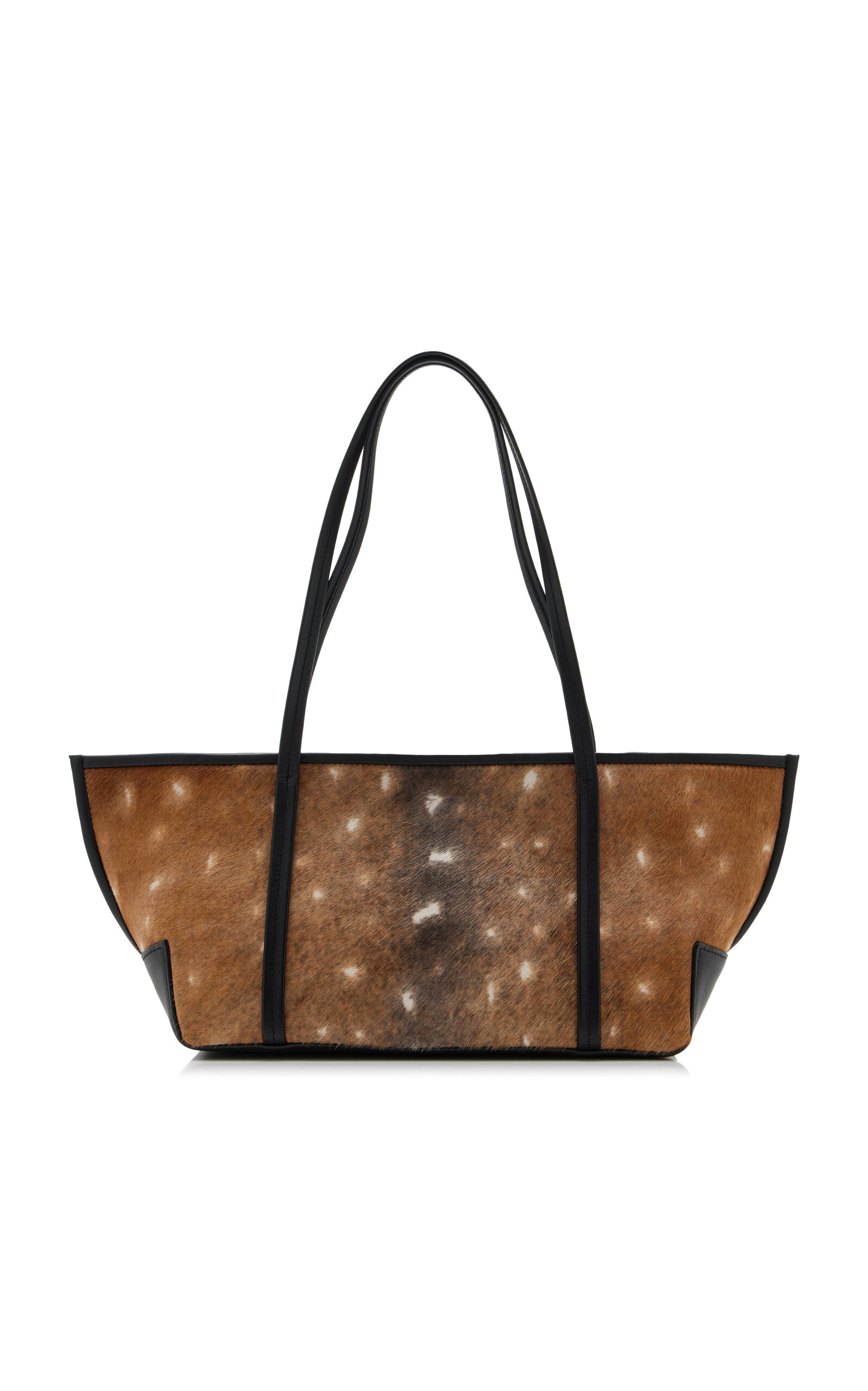
For brands and designers, the success of the fawn print trend underscores the importance of reinterpreting classic tropes in response to changing cultural moods. By softening the edges of traditional animal prints, the fashion industry has successfully introduced a new staple that promises to remain influential well beyond the current seasonal cycle. Whether adopted as a statement coat or a subtle accessory, deer print has firmly established its place as the defining pattern of the season.