The silent crisis of American public education: Why mass school closures are failing to solve systemic budget deficits

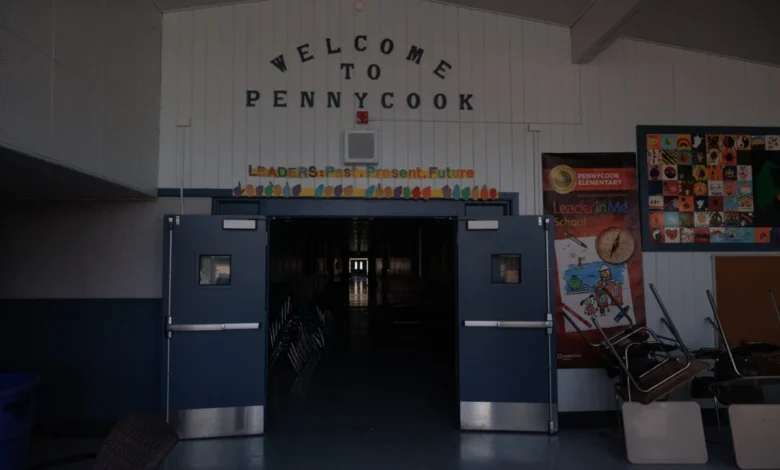
The start of a new academic year, traditionally a time of optimism and renewal, has become a source of profound instability for thousands of families across the United States. As school districts grapple with the long-term consequences of declining birth rates, shifting demographics, and the expiration of pandemic-era federal relief, a growing number of jurisdictions are resorting to the permanent closure of campuses. While district officials often frame these consolidations as necessary "right-sizing" efforts, the reality on the ground reflects a complex, often painful transition that frequently fails to deliver the promised financial stability, while simultaneously disrupting the academic trajectory of the nation’s most vulnerable students.
According to a comprehensive analysis of federal education data conducted by Big Local News at Stanford University, 1,156 U.S. public schools shuttered during the previous academic year. This figure represents the highest rate of school closures since the onset of the COVID-19 pandemic, signaling a pivotal shift in how American communities manage their educational infrastructure.
The Anatomy of Decline: A Chronology of Fiscal Strain
The current crisis is not a sudden phenomenon but rather the culmination of a multi-decade trend. To understand the current wave of closures, one must look at the intersection of population shifts and fiscal policy.
In the early 2000s, many school districts expanded their footprints to accommodate growing student populations. However, birth rates in the U.S. have been on a consistent downward trajectory for two decades. When combined with the post-pandemic rise in private school voucher programs and the expansion of homeschooling—factors that have drawn significant numbers of students away from traditional public institutions—districts are now finding themselves with vast, expensive, and underutilized physical plants.
The timeline of this decline is stark:
- 2006-2010: Peak enrollment levels in many urban districts, followed by the initial signs of stagnation.
- 2019-2020: The pandemic causes an immediate, sharp drop in enrollment, with many students opting for private alternatives or leaving the public system entirely.
- 2021-2023: Federal ESSER (Elementary and Secondary School Emergency Relief) funds mask the underlying fiscal deficits, providing a temporary buffer against the need for structural cuts.
- 2024-2025: The "fiscal cliff" arrives. Federal funding expires, and districts are forced to reconcile their budgets with actual, diminished student headcounts.
A primary example of this trajectory is the Vallejo City Unified School District in California. Twenty years ago, the district served nearly 18,000 students. Today, that number has plummeted to approximately 9,300. The district has been forced to close five campuses since 2025—roughly 25% of its total inventory—while simultaneously proposing layoffs for up to one-third of its staff to address a $36 million budget shortfall.
The Myth of Financial Efficiency
A critical point of tension in the national conversation surrounding school closures is the discrepancy between projected savings and actual fiscal outcomes. Research from institutions such as the University of Chicago and various independent education policy groups indicates that closing schools rarely provides the immediate relief that administrators anticipate.
The "hidden costs" of consolidation are significant. When a school closes, the district must account for the following expenses:
- Transportation and Logistics: Busing students to more distant campuses significantly increases fuel, maintenance, and personnel costs.
- Severance and Personnel: Legal and contractual obligations to laid-off teachers and support staff often negate short-term salary savings.
- Facility Maintenance: Empty buildings must still be heated, cooled, insured, and secured to prevent vandalism or degradation, costs that can persist for years after a campus shuts its doors.
Lydia Rainey, a research principal at the Center on Reinventing Public Education, emphasizes that states are unlikely to intervene with the massive infusions of cash required to stave off these closures. "States aren’t about to open the coffers and swoop in with additional funds to save schools," Rainey notes. Consequently, districts are left to manage the decline on their own, often exacerbating the very problems they hope to solve.
The Human Cost: Disruption and Academic Instability
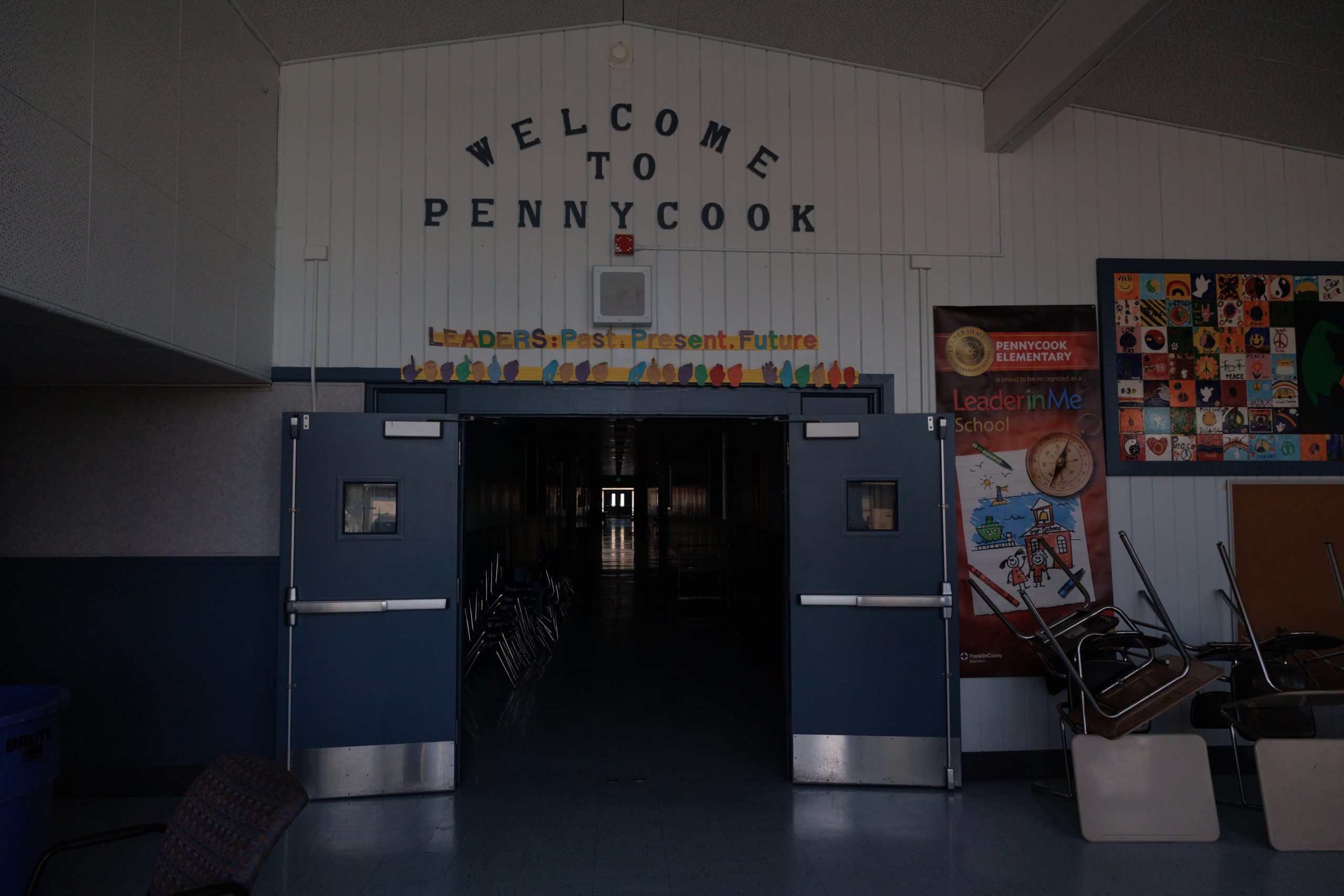
For students like those in the Vallejo district, the policy decisions made in boardrooms have immediate, tangible consequences in the classroom. When schools close, students are often reassigned to larger, more crowded environments.
Kimberly Núñez-Brandão, a parent in Vallejo, illustrates the cycle of frustration. After her daughter’s elementary school was shuttered, the student was transferred to Glen Cove Elementary. The experience was marred by overcrowding, with initial class sizes exceeding 30 students. The instability reached a breaking point in October when the student’s fifth-grade teacher resigned, leaving the class to be managed by a long-term substitute.
"They already overwhelmed teachers with 30-plus students," Núñez-Brandão said. "Who’s winning here?"
Academic research consistently warns that this level of volatility has long-term impacts. Studies from the UChicago Consortium on School Research have demonstrated that displaced students often suffer measurable, persistent declines in reading and mathematics scores. These effects are compounded when students are moved to schools that are already struggling with low performance or high teacher turnover. The loss of a stable, familiar environment can break the social bonds that are essential for student development, making it difficult for children to regain their academic footing.
Broader Implications and Future Outlook
The ripple effects of school closures extend far beyond the individual student. When a neighborhood school closes, it often acts as a catalyst for further population decline. Families who feel that the local school system is unstable are more likely to relocate to neighboring districts or transition to private schooling. This, in turn, reduces the district’s enrollment-based funding, creating a "downward spiral" that forces even more closures in subsequent years.
Districts are now attempting to innovate to stem this tide. In Vallejo, administrators are attempting to pivot by renovating older facilities and launching specialized programs—such as a planned Tagalog-language school—to attract diverse demographics and families who might otherwise move to the San Francisco metro area.
However, the structural challenges remain immense. Analysts at Bellwether and WestEd have projected that declining enrollment could result in an $11.5 billion annual loss in state revenue for public schools by the 2030-2031 academic year. This looming financial reality suggests that the current wave of closures is not a temporary anomaly, but a long-term adjustment to a new demographic reality.
A System in Transition
The systemic challenges facing U.S. public schools require a nuanced approach that balances fiscal responsibility with the necessity of maintaining community-centered learning environments. Currently, the lag between enrollment decline and physical infrastructure reduction remains a significant hurdle. As Stanford economist Thomas Dee and sociologist Jaymes Pyne have observed, while the number of schools has decreased, the pace of these closures has not kept up with the 3% decline in public school enrollment seen between 2019 and 2024.
As districts across the country—including major systems in Houston, Philadelphia, and Cleveland—weigh their options, the focus is shifting from simple cost-cutting to a more difficult conversation about the role of the schoolhouse in a changing society. The challenge for the coming decade will be to ensure that in the pursuit of "right-sizing," the foundational goal of providing a high-quality, stable education for every child is not lost in the ledger.
For parents like Núñez-Brandão, the promise of "concentrated resources" often rings hollow when compared to the reality of empty desks and the turnover of teachers. As the fiscal year progresses and more districts announce their plans for the 2026-2027 cycle, the nation remains caught between the cold mathematics of school board budgets and the lived experience of the families who rely on the public education system to provide a stable foundation for the next generation. The path forward remains uncertain, with the only guarantee being that further consolidation is inevitable in a landscape where both the student population and the financial support structures are fundamentally changing.
Related posts: