Michael John Roberts, Versatile Animation Director and Force Behind BoJack Horseman, Dies at 46

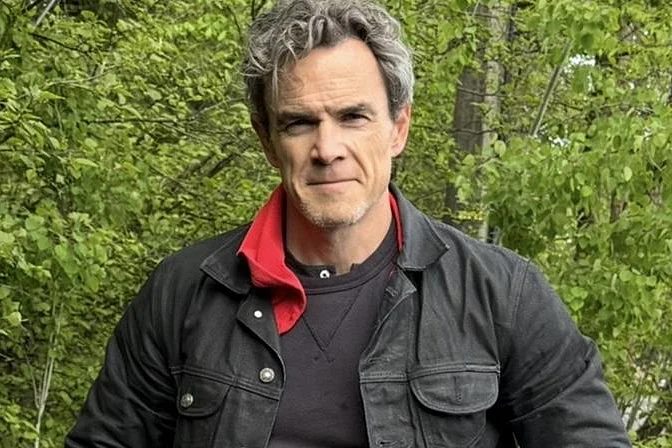
Michael John Roberts, an acclaimed animator, director, producer, and storyboard artist whose creative fingerprint helped define some of the most influential adult and alternative animated television series of the past two decades, passed away on Wednesday in Los Angeles at the age of 46. His death was caused by glioblastoma, an aggressive and malignant form of brain cancer.
Throughout a career that spanned more than twenty years, Roberts built a reputation for visual ingenuity, understated wit, and an exceptional ability to breathe psychological depth into animated storytelling. While his peers and fans best remember him for his pivotal contributions to Netflix’s landmark series BoJack Horseman—including directing its iconic title sequence—his portfolio extended far beyond television animation into commercial production, music videos, and digital streaming experiments. He leaves behind an enduring legacy in the modern golden age of television animation.
A Life Shaped by Art and Quiet Curiosity
Born and raised in Toronto, Canada, Roberts displayed an early affinity for visual arts, a passion that eventually led him to enroll at Canada’s Sheridan College, an institution globally renowned for nurturing generations of premier animators, illustrators, and digital artists. Upon completing his formal training, Roberts entered the industry at the ground level, working initially as a junior animator before transitioning into storyboard artistry and ultimately stepping into the director’s chair.
In a heartfelt public statement released following his passing, Roberts’ family remembered him not only for his professional achievements, but for the distinct lens through which he viewed the world:
"Michael saw the world a little differently. A gifted artist with an extraordinary talent, he could find something worth exploring in what others might overlook. His creativity was not limited to what he put on paper; it shaped the way he thought, questioned, and understood the world around him."
The statement continued, highlighting the traits that made him both an exceptional collaborator and a deeply cherished individual: "He was drawn to things with character, substance, and a story beneath the surface. For Michael, the most interesting part of anything was often what you discovered by looking a little closer. He never needed to be the center of attention, though he could command it when the moment suited him. More often, he was content observing with a quiet curiosity and an artist’s eye. When he chose to join in, it might be with a thoughtful challenge or a perfectly timed observation, delivered with a clever, understated wit."
That quiet curiosity and deep appreciation for character-driven storytelling became the bedrock of his professional success, allowing him to navigate the notoriously demanding landscape of television animation with grace, creativity, and a steadfast commitment to artistic integrity.
Signature Contributions to Modern Animation
Roberts’ career trajectory mirrors the explosive evolution of adult animation during the 2000s and 2010s, a period marked by a shift away from traditional slapstick toward serialized narratives, existential themes, and sophisticated visual styles.
His most culturally resonant work arguably came through his collaboration with Raphael Bob-Waksberg on Netflix’s critically acclaimed dramedy BoJack Horseman. Roberts famously directed the series’ mesmerizing and melancholic title sequence—a visual masterpiece that traces the protagonist’s descent through alcohol, depression, and Hollywood superficiality while the background of Los Angeles shifts around him. In addition to setting the aesthetic tone for the entire series, Roberts directed two full episodes, helping to cement the show’s reputation as a groundbreaking exploration of mental health and human-animal hybrid melancholy in a satirical Hollywood setting.
Continuing his footprint in alternative adult animation, Roberts served as a director on Comedy Central’s experimental sketch series TripTank, helming an impressive 28 episodes. TripTank utilized a revolving door of animation styles and provocative humor, and Roberts’ steady hand as a director helped maintain a cohesive rhythm across the chaotic, rapid-fire format.
His directorial credits expanded across numerous other prominent projects within the industry. He lent his talents to Netflix’s blue-collar family sitcom F Is for Family, TBS and Adult Swim’s space opera Final Space, Apple TV+’s philosophical adaptation Strange Planet, and the action-oriented digital series MrBeast Lab.
Beyond directing established properties, Roberts demonstrated a strong entrepreneurial and creative streak as a creator. In 2018, he co-created Dallas & Robo, an adult animated sci-fi comedy series for YouTube Red (later YouTube Originals) starring professional wrestler John Cena and actress Kat Dennings. The series followed a disgruntled former stock car racer and her space-trucking robot companion navigating an intergalactic blue-collar world, showcasing Roberts’ signature knack for grounding absurd premises in rich, character-driven storytelling.
Commercials, Music Videos, and Versatility Across Mediums
While television animation served as the primary canvas for his narrative ambitions, Roberts’ artistic output extended into the worlds of commercial advertising and music videos. His ability to distill complex branding narratives into visually compelling, bite-sized narratives made him a sought-after commercial director. Over the years, he helmed high-profile spots for major international brands and organizations, including Honda, Burger King, ABC Television, and Pulse Electric Scooters.
In the realm of music videos, Roberts applied his distinct visual style to independent and alternative music, directing videos for beloved Canadian indie rock acts such as The Sadies and garage-rock powerhouse The Pack A.D. These projects allowed him to experiment with pacing, live-action integration, and unconventional visual effects outside the traditional constraints of network television production pipelines.
The Broader Impact of Glioblastoma and Industry Grief
The news of Roberts’ passing has sent shockwaves through the tight-knit community of Los Angeles and Canadian animators, many of whom took to social media to share tributes, memories, and expressions of grief. Colleagues noted his generosity as a mentor, his calm demeanor under the crushing deadlines of television production, and his uncompromising dedication to visual quality.
Roberts’ battle with glioblastoma brings renewed attention to the devastating nature of this primary brain tumor. Glioblastoma, which originates in the glial cells that support neurons in the central nervous system, is notoriously aggressive, fast-growing, and difficult to treat. Despite advancements in neuro-oncology, therapeutic options remain limited, and the prognosis for patients diagnosed with the condition is frequently sobering. The disease claimed Roberts at the prime of his life and career, cutting short a trajectory that still held immense creative potential.
The loss is felt profoundly by his family, professional collaborators, and the broader creative community that relied on his vision to bring complex emotional landscapes to life through drawing and motion.
Personal Life and Surviving Family
Away from the drawing board and the demanding schedule of animation production, Roberts maintained a full personal life rooted in Los Angeles. He is survived by his wife, accomplished actress Bree Williamson, known for her work in television and theater; their son, McGreggor; his parents; and a sister.
The family has requested privacy during this difficult time, directing well-wishers to honor his memory by supporting the arts, patronizing independent animation, or contributing to cancer research initiatives dedicated to finding a cure for glioblastoma.
A Lasting Artistic Legacy
Michael John Roberts entered the industry as a young animator trained in the classical traditions of Canadian institutions and emerged as a vital architect of modern adult animation. Through his work on BoJack Horseman, TripTank, Dallas & Robo, and numerous other projects, he helped dismantle the notion that animation was strictly a medium for children, proving instead that drawn and digitally rendered worlds could capture the profound, messy, and quiet realities of the human condition.
As the television landscape continues to evolve, the visual vocabulary that Roberts helped construct—characterized by meticulous attention to background detail, emotional resonance, and a refusal to pander to easy tropes—will continue to influence the animators, storyboard artists, and directors who follow in his footsteps. Though glioblastoma has claimed him at age 46, Michael John Roberts leaves behind a rich, enduring archive of stories that will be studied, watched, and appreciated for generations to come.