Pedro Pascal’s Surprise Super Bowl Halftime Cameo: A Tale of Eagerness and Last-Minute Revelations

Pedro Pascal, a figure whose enigmatic presence has captivated audiences across television and film, recently pulled back the curtain on his unexpected involvement in Bad Bunny’s groundbreaking Super Bowl LX halftime performance. In a candid conversation with Fantastic Man, Pascal revealed that his participation was a whirlwind of last-minute planning and genuine surprise, a testament to his deep admiration for the global music phenomenon. The Last of Us star confessed that he had proactively reached out to Bad Bunny’s team, expressing a fervent desire to contribute to the spectacle in any capacity, even if it meant a humble role like serving coffee. This eagerness underscores a profound respect for Bad Bunny’s cultural impact and his ability to weave together celebration and representation on a massive stage.
The Genesis of a Cameo: From Outreach to On-Field Surprise
Pascal’s journey to the Super Bowl stage began not with a formal offer, but with a proactive outreach. He shared that he had "put the feelers out through people I work with," hoping for any opportunity to be part of what he recognized as a significant cultural moment. His admiration for Bad Bunny, whose real name is Benito Antonio Martínez Ocasio, extends beyond his musical prowess. Pascal articulated this sentiment by stating, "When it comes to representation synchronized with celebration there’s no one better than Benito at the moment, and that fills me with inspiration outside of just being super into his music." This statement highlights a shared understanding of the power of performance as a vehicle for cultural expression and identity.
The timeline of Pascal’s involvement was particularly dramatic. While engaged in shooting Tony Gilroy’s upcoming project, Behemoth, Pascal had not yet received a definitive response from Bad Bunny’s camp. In a moment of playful persistence, he sent an email containing a selfie with his tongue sticking out, accompanied by the caption, "It’s really me." This lighthearted approach, characteristic of Pascal’s public persona, proved to be remarkably effective. Within a mere 25 minutes, his initiative yielded a callback, with the offer to attend the Super Bowl show extended. This rapid turnaround suggests a high level of coordination and a genuine appreciation for Pascal’s enthusiastic gesture from Bad Bunny’s team.
The Unfolding Spectacle: A "Deer in Headlights" Moment
Upon arriving at Super Bowl LX, the setting for this momentous performance, Pascal’s understanding of his role remained deliberately vague. He admitted, "I was under the impression that I would be in a suite." The only specific instruction he received was to "wear beige," a detail he initially interpreted as a practical consideration for potential photographers. This subtle directive, however, masked the true extent of his involvement.
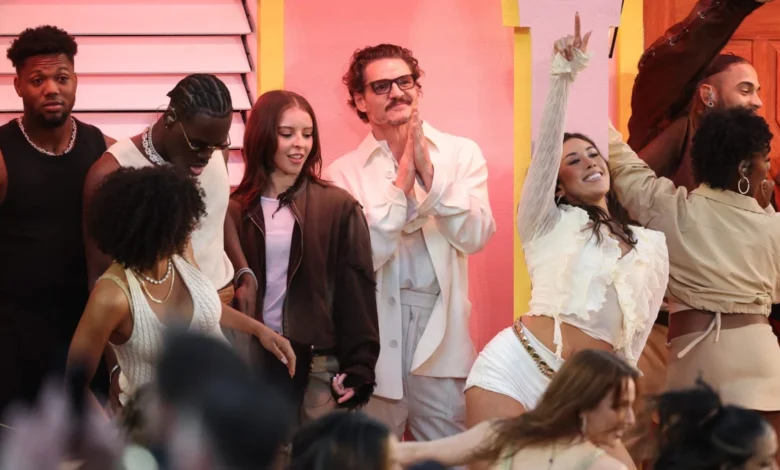
The true revelation unfolded backstage. Pascal recounted being "pulled from my seat and taken backstage," where he encountered a constellation of stars, including Cardi B, Young Miko, Karol G, and Jessica Alba. It was during a subsequent "wardrobe check" that the nature of his appearance became clear: "Okay, so the vibe is: you’re dancing." This was the pivotal moment Pascal realized he was not merely an observer but an active participant in one of the most-watched entertainment events globally.
The realization hit him with full force as he was being escorted onto the field, just moments before the performance was set to commence. He understood that he was to be part of Bad Bunny’s iconic "La Casita," a recurring set piece in his live shows that symbolizes a sense of home and cultural heritage. "I started to realize right before they started, and I was, like, ‘It’s the Casita. I’m such a fucking idiot. Oh my god, I’m going to be in the Casita,’ as I was being marched out into the field," Pascal confessed. This candid admission of surprise and slight bewilderment explains the "deer in headlights" look that many viewers may have observed, a moment of genuine, unscripted reaction amidst the polished spectacle.
A Star-Studded Ensemble: The Full Cast of Bad Bunny’s Super Bowl Extravaganza
Pedro Pascal was far from the only high-profile personality to grace the Super Bowl stage alongside Bad Bunny. The Grammy Award-winning artist curated an impressive lineup of talent, transforming the halftime show into a vibrant celebration of Latin culture and global stardom. In addition to Pascal, Cardi B, Young Miko, Karol G, and Jessica Alba, Bad Bunny also featured the legendary Ricky Martin and the iconic Lady Gaga in his mid-set performances.
The "La Casita" segment, which served as Pascal’s stage, also saw the appearances of influential figures from various spheres. Social media sensation Alix Earle, Miami nightlife impresario Dave Grutman, and baseball superstar Ronald Acuña Jr. were all part of the dynamic visual tapestry that Bad Bunny presented. This deliberate inclusion of diverse personalities underscored Bad Bunny’s ability to transcend musical boundaries and tap into broader cultural currents, making the halftime show a truly multifaceted event.
The Significance of Super Bowl LX: A Cultural Touchstone
Super Bowl LX, held in early 2026, marked a significant milestone for both the NFL and the entertainment industry. The decision to feature Bad Bunny as the halftime performer was a deliberate move by the NFL to acknowledge and embrace the growing influence of Latin artists on the global music scene. This was not the first time a Latin artist had headlined the Super Bowl halftime show, with Jennifer Lopez and Shakira’s electrifying performance in 2020 setting a precedent. However, Bad Bunny’s selection represented a continued commitment to showcasing the diverse talent that resonates with a massive, international audience.
The halftime show has evolved from a mere musical interlude into a cultural event of its own, capable of generating significant buzz and influencing trends. Bad Bunny, with his unique blend of reggaeton, trap, and Latin trap, has become a global ambassador for contemporary Latin music. His Super Bowl appearance was anticipated to be a massive platform, not only for his music but also for the broader cultural narratives he champions. The inclusion of a diverse cast of collaborators, from established icons to emerging stars and even popular cultural figures, amplified this message, demonstrating a unified front of talent and influence.
Data and Analysis: The Impact of Such Performances
The Super Bowl halftime show consistently ranks among the most-watched television events annually. In the years preceding Super Bowl LX, viewership for the halftime segment has often surpassed that of the game itself, attracting hundreds of millions of viewers worldwide. This immense reach provides artists with an unparalleled opportunity to connect with a global audience, introduce their music to new demographics, and solidify their cultural standing.
For Bad Bunny, the Super Bowl performance was a strategic masterstroke. It allowed him to showcase his artistic vision on the grandest stage, reinforcing his position as a dominant force in the music industry. The inclusion of artists like Pedro Pascal, while primarily a gesture of personal admiration, also served to broaden the appeal of the performance to fans of film and television, further expanding its reach.
The economic implications of such high-profile appearances are also substantial. Featured artists often experience significant surges in music sales, streaming numbers, and social media engagement in the days and weeks following their Super Bowl performance. Merchandise sales can also skyrocket. Furthermore, the cultural cachet gained from such an appearance can translate into lucrative endorsement deals, increased demand for live performances, and a strengthened brand identity.
Inferring Reactions and Broader Implications
While direct statements from all involved parties regarding their Super Bowl experiences are not extensively detailed in the initial report, logical inferences can be drawn. The sheer caliber of talent assembled suggests a collaborative spirit and a shared enthusiasm for Bad Bunny’s vision. Artists like Cardi B and Karol G, who have a history of collaborating with Bad Bunny, likely approached the performance with familiarity and camaraderie. For newcomers like Alix Earle and Ronald Acuña Jr., the Super Bowl stage offered an unprecedented platform to showcase their influence beyond their primary fields.
The broader implication of Bad Bunny’s Super Bowl LX performance is the continued normalization and celebration of Latin culture within mainstream American entertainment. By consistently featuring artists and themes that resonate with the Latinx community and beyond, the NFL is signaling its commitment to inclusivity and its recognition of the immense cultural and economic power of this demographic. This also sets a precedent for future Super Bowl halftime shows, encouraging a more diverse range of artists and musical genres to be considered for this coveted spot.
Pedro Pascal’s journey from offering to serve coffee to dancing on the Super Bowl stage is a compelling narrative of passion and opportunity. His willingness to be part of something larger than himself, coupled with Bad Bunny’s vision for a culturally rich and star-studded performance, created a memorable moment in Super Bowl history. The event served as a powerful reminder of the unifying power of music and entertainment, showcasing how diverse talents can converge to create an unforgettable spectacle. As the entertainment landscape continues to evolve, moments like these underscore the increasing importance of cultural representation and the boundless potential of cross-genre collaborations.