
South African Rand Holds Gains After Sarb Focuses Lower Inflation Target
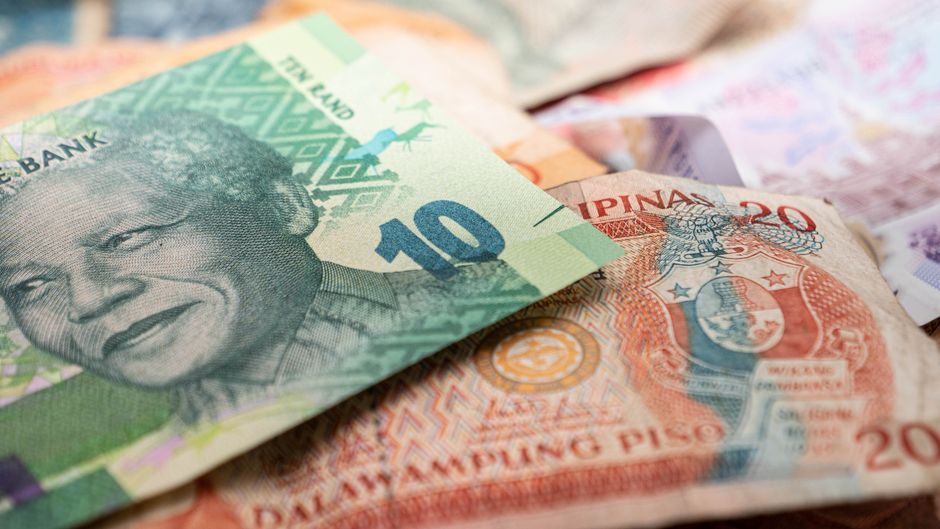
South African Rand Holds Gains as SARB Focuses on Lower Inflation Target
The South African rand has demonstrated remarkable resilience, consolidating recent gains against major global currencies. This sustained strength is largely attributable to the South African Reserve Bank’s (SARB) unwavering commitment to its inflation-targeting framework, specifically its renewed emphasis on achieving the lower end of its target range. This strategic focus by the central bank is a critical factor influencing investor sentiment and shaping the rand’s trajectory in both domestic and international markets. The SARB’s monetary policy stance, characterized by a hawkish bias throughout much of the recent past, has been instrumental in anchoring inflation expectations and providing a conducive environment for rand appreciation.
The SARB’s mandate of maintaining price stability is underpinned by an inflation target range of 3% to 6%, with a preference for the mid-point of 4.5%. However, recent pronouncements and policy decisions suggest a discernible shift towards prioritizing the lower bound of this range. This recalibration is not an arbitrary adjustment but a deliberate strategy aimed at fostering a more stable and predictable economic environment. By signaling an intention to bring inflation down to more palatable levels, the SARB is effectively conveying a message of fiscal discipline and a commitment to sustainable economic growth. This proactive approach has resonated positively with foreign investors who are seeking returns in emerging markets that offer a combination of higher yields and a stable macroeconomic backdrop. The prospect of lower inflation, if successfully managed, can lead to a reduction in the cost of borrowing, stimulate investment, and ultimately enhance the purchasing power of individuals and businesses within South Africa.
The implications of this lower inflation target for the rand are multifaceted. Firstly, it enhances the attractiveness of rand-denominated assets. As inflation erodes the real value of investments, a commitment to lower inflation makes assets like South African government bonds and equities more appealing to both local and international investors. Higher real yields, stemming from lower nominal interest rates when inflation is subdued, can attract significant capital inflows, thereby boosting demand for the rand. This increased demand translates directly into upward pressure on the currency. Secondly, a lower inflation environment can lead to a more favorable trade balance. When domestic prices are stable or falling relative to those of trading partners, South African exports become more competitive, leading to an increase in export volumes. Conversely, imports become relatively more expensive, which can dampen import demand. This improvement in the trade balance, with a potential surplus or a reduced deficit, further bolsters the rand by increasing the inflow of foreign currency.
The SARB’s hawkish stance, which has been a dominant theme in its recent monetary policy decisions, is directly aligned with its inflation-targeting objectives. The central bank has demonstrably been willing to use its primary tool – interest rates – to combat inflationary pressures. Elevated interest rates, while potentially dampening domestic demand in the short term, serve to curb inflation by making borrowing more expensive and encouraging saving. This has a cooling effect on the economy, reducing excess liquidity and thereby controlling price increases. The SARB’s forward guidance, often characterized by a cautious tone and a readiness to adjust policy as needed, has also played a significant role in managing market expectations. By clearly articulating its commitment to price stability and providing a roadmap for its policy actions, the SARB has fostered a sense of predictability that is highly valued by investors. This predictability reduces uncertainty and encourages longer-term investment decisions.
Furthermore, the SARB’s focus on the lower inflation target is indirectly influenced by global economic trends. While South Africa is an emerging market with its own set of domestic economic challenges, it is not immune to global inflationary pressures. Many developed economies have experienced a surge in inflation in recent years, driven by a confluence of factors including supply chain disruptions, commodity price shocks, and expansionary fiscal and monetary policies. In this context, the SARB’s proactive approach to managing inflation, by aiming for the lower end of its target, positions South Africa favorably relative to economies struggling with persistently high inflation. This can lead to capital flows shifting towards countries perceived as having better inflation management, further supporting the rand.
The economic rationale behind targeting the lower end of the inflation band is rooted in the concept of optimizing economic welfare. While some level of inflation can be beneficial by providing monetary policy flexibility and encouraging consumption, excessively low inflation can lead to deflationary risks, which are equally detrimental to economic growth. However, within the SARB’s target range, a move towards the lower end signifies a stronger commitment to price stability. This can translate into lower nominal wage demands, more stable business planning, and a reduced risk of inflation expectations becoming unanchored. Unanchored inflation expectations are a significant concern for central bankers, as they can become self-fulfilling prophecies, leading to persistent price pressures that are difficult to control. By actively signaling its intention to keep inflation low, the SARB aims to anchor these expectations firmly within its desired range.
The impact of this monetary policy on the South African economy extends beyond just currency appreciation. A stable and predictable inflation environment is conducive to higher levels of investment, both domestic and foreign. Businesses are more likely to undertake capital expenditure projects when they have a clear understanding of future cost structures and revenue streams. Lower inflation also enhances the competitiveness of South African businesses in international markets. As global supply chains recalibrate and trade patterns evolve, a stable domestic price environment can provide a competitive edge. Moreover, lower inflation benefits consumers by preserving their purchasing power, leading to increased consumer confidence and potentially higher consumption spending, which is a key driver of economic growth.
The rand’s performance is also intricately linked to South Africa’s fiscal policy and the broader economic reforms being implemented. While monetary policy plays a crucial role, fiscal discipline and structural reforms that enhance productivity and competitiveness are equally important for long-term currency stability and appreciation. The government’s commitment to fiscal consolidation, reducing the budget deficit, and managing public debt levels are critical factors that complement the SARB’s inflation-targeting efforts. Similarly, reforms aimed at improving the ease of doing business, attracting foreign direct investment, and diversifying the export base will further bolster investor confidence and support the rand. The synergy between sound monetary and fiscal policies, coupled with progress on structural reforms, creates a virtuous cycle that can lead to sustained economic growth and currency strength.
Looking ahead, the continued success of the SARB’s lower inflation target will depend on a range of factors, including the trajectory of global commodity prices, domestic supply-side shocks, and the evolving global monetary policy landscape. However, the central bank’s consistent commitment to its mandate, coupled with its clear communication strategy, provides a solid foundation for the rand’s continued resilience. The market will be closely watching for any deviations from this path, as well as for the broader economic and political developments that could influence the currency’s trajectory. The SARB’s focus on achieving lower inflation is not merely a technical policy adjustment; it represents a strategic imperative to build a more robust and stable South African economy, a goal that is increasingly being reflected in the strength of its currency. The market’s positive reaction to the SARB’s renewed focus on its inflation target underscores the fundamental importance of price stability as a cornerstone of macroeconomic health and currency strength.
