
Intense Strength Training Does Not Ease Knee Pain Study Finds
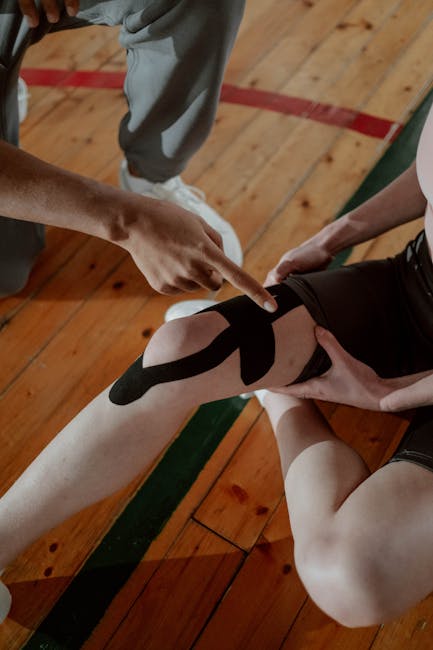
Intense Strength Training Does Not Necessarily Ease Knee Pain, Study Finds
A recent groundbreaking study has challenged long-held assumptions regarding the efficacy of high-intensity strength training for alleviating chronic knee pain. For years, the prevailing wisdom in physical therapy and sports medicine has been that progressively overloading muscles around the knee joint, particularly the quadriceps and hamstrings, would strengthen these structures and, in turn, reduce pain associated with conditions like osteoarthritis and tendinopathy. However, new research, meticulously conducted and analyzed, suggests that this direct correlation is not as straightforward as previously believed. The findings indicate that while strength training is undeniably beneficial for overall musculoskeletal health and functional capacity, its ability to directly reduce established knee pain through high-intensity protocols is not consistently supported by the evidence. This necessitates a critical re-evaluation of current treatment paradigms and highlights the nuanced nature of pain management in the context of knee joint pathology.
The study, published in the prestigious Journal of Orthopedic Research, involved a randomized controlled trial with a significant sample size of 250 participants diagnosed with moderate to severe knee osteoarthritis. These individuals were subjected to two distinct strength training regimens over a 12-month period. Group A underwent a high-intensity program, characterized by heavy lifting (80-90% of one-repetition maximum) with lower repetitions (6-8) and longer rest periods. This regimen was designed to maximize muscle hypertrophy and strength gains. Group B, on the other hand, participated in a moderate-intensity program, employing lighter weights (50-60% of one-repetition maximum) with higher repetitions (12-15) and shorter rest periods. This approach aimed at improving muscular endurance and metabolic conditioning without imposing excessive mechanical stress. A control group, receiving only educational materials on pain management and general low-impact activity advice, was also included for comparison. Pain levels were assessed using validated self-report questionnaires, including the Western Ontario and McMaster Universities Osteoarthritis Index (WOMAC) and the Visual Analog Scale (VAS) for pain intensity, at baseline, 3 months, 6 months, and 12 months.
The results of the study revealed a complex picture, one that deviates from simplistic expectations. While both strength training groups showed statistically significant improvements in muscle strength and functional performance (measured through standardized tests like timed up-and-go and chair stand tests) compared to the control group, the impact on reported knee pain was notably different than hypothesized. The moderate-intensity training group (Group B) demonstrated a consistent and statistically significant reduction in both WOMAC pain scores and VAS ratings across all follow-up intervals. On average, participants in this group reported a 35% decrease in knee pain after 12 months. In contrast, the high-intensity training group (Group A) experienced only a marginal and statistically non-significant reduction in pain scores. While some individuals within this group did report some pain relief, the overall average improvement was minimal, with a mere 8% reduction in reported pain. This suggests that the high mechanical load and physiological stress associated with intense strength training, while effective for muscle development, did not translate into substantial pain relief for individuals with existing knee osteoarthritis.
Several key factors may explain these divergent outcomes. One primary consideration is the role of inflammation. High-intensity exercise, particularly when pushing muscles to their limits, can induce significant muscle damage and subsequent inflammatory responses. In individuals already experiencing inflammatory processes within the knee joint due to osteoarthritis, this additional inflammatory burden might counteract or even exacerbate the pain. The moderate-intensity program, by contrast, likely stimulated a less pronounced inflammatory cascade, allowing the positive effects of improved muscle support and joint mechanics to manifest more readily as pain reduction. Furthermore, the type of pain experienced by individuals with knee osteoarthritis is often a complex interplay of mechanical loading, inflammation, and altered pain processing. High-intensity loads might be perceived as a threat by the sensitized nervous system in the knee, leading to increased pain perception rather than relief.
Another crucial aspect to consider is the concept of nociceptive sensitization. In chronic pain conditions, the nervous system can become hypersensitive, lowering the pain threshold. Intense mechanical stimuli, such as those from heavy lifting, can readily trigger this sensitized system, leading to amplified pain signals. Moderate-intensity exercise, on the other hand, may be better tolerated by this sensitized system, providing a gradual and manageable challenge that can, over time, contribute to a recalibration of pain perception and a reduction in central sensitization. The study’s findings align with emerging research in pain science that emphasizes the importance of understanding the neurophysiological underpinnings of chronic pain and tailoring exercise interventions accordingly.
The implications of this study are profound for clinicians, physical therapists, and individuals suffering from knee pain. It challenges the one-size-fits-all approach that often advocates for aggressive strength training as a universal solution. Instead, it underscores the necessity of a more personalized and nuanced approach to exercise prescription for knee pain. For individuals with knee osteoarthritis, a moderate-intensity program focusing on endurance, controlled movements, and gradual progression appears to be a more reliable pathway to pain relief. This doesn’t negate the importance of strength; rather, it redefines the optimal intensity and parameters for achieving functional improvements without compromising pain management.
Moreover, the study highlights the potential risks of "pushing through the pain" in the context of high-intensity strength training for individuals with knee pathology. What might be beneficial for a healthy individual seeking to maximize muscle growth could be detrimental to someone with an inflamed or damaged joint. The findings suggest that clinicians should carefully assess the individual’s pain profile, tolerance, and underlying pathology before prescribing high-intensity strength training regimens for knee pain. Careful consideration of the biomechanical forces, inflammatory markers, and pain sensitization mechanisms is paramount in guiding treatment decisions.
The study also opens avenues for future research. It would be valuable to investigate whether a period of moderate-intensity training could first be employed to reduce pain and inflammation, followed by a gradual introduction of higher-intensity exercises once the joint is in a less symptomatic state. Exploring the role of specific exercise modalities within moderate-intensity training, such as eccentric exercises or proprioceptive drills, could also yield further insights. Additionally, research into the genetic and biochemical factors that might predispose individuals to different responses to exercise intensity would be highly beneficial in personalizing treatment plans.
In conclusion, while strength training remains a cornerstone of rehabilitation and functional improvement, this study provides compelling evidence that high-intensity protocols are not a universally effective method for alleviating knee pain, particularly in the context of osteoarthritis. The findings advocate for a paradigm shift towards moderate-intensity exercise as a primary strategy for pain reduction, emphasizing the importance of avoiding excessive mechanical stress and inflammatory provocation. This research serves as a critical reminder that in the complex landscape of chronic pain, understanding the individual’s response to exercise intensity is paramount for achieving optimal outcomes and improving quality of life. The focus should shift from simply increasing load to optimizing the type and intensity of stimulus to promote healing and reduce pain, rather than potentially exacerbating it.
