
Sp Lowers Outlook Volvo Cars Rating Citing Us Tariffs Competition China
Volvo Cars’ Outlook Under Pressure: US Tariffs, Intense Competition, and China’s Dominance Cloud the Swedish Automaker’s Future
Volvo Cars, a brand historically synonymous with safety, Scandinavian design, and a premium yet accessible image, is facing a complex and increasingly challenging external environment that is impacting its future outlook. Several interwoven factors, most notably the specter of US tariffs on imported vehicles, fierce global competition, and the pervasive influence of China – both as a critical market and a formidable manufacturing competitor – are creating significant headwinds for the Swedish automaker. The company’s ability to navigate these turbulent waters will be paramount in determining its long-term success and valuation. Understanding these dynamics requires a deep dive into the specific pressures exerted by each element and their synergistic effects on Volvo’s strategic positioning.
The imposition or threat of US tariffs on imported automobiles, particularly those manufactured in China, represents a direct and immediate challenge to Volvo Cars’ global manufacturing and sales strategy. While Volvo’s primary manufacturing facilities are located in Sweden and China, the company also possesses a significant manufacturing presence in the United States, notably at its Ridgeville, South Carolina plant, which produces models like the S60 sedan for the North American market. However, a substantial portion of Volvo’s global sales, especially in the premium segment, are still met by vehicles imported from its overseas production hubs. The US market is a crucial revenue driver for Volvo, and any tariff regime that significantly increases the cost of its imported vehicles would inevitably lead to higher sticker prices for American consumers. This would diminish Volvo’s price competitiveness against rivals who have more localized production within the US or are less reliant on imports from tariff-affected regions. The company’s ability to absorb these increased costs without eroding its profit margins or alienating its target demographic is a delicate balancing act. Furthermore, the uncertainty surrounding potential tariff levels and durations creates significant planning challenges for Volvo, making it difficult to commit to long-term production and investment strategies. The company’s management must constantly assess the evolving trade policy landscape and be prepared to pivot its supply chain and production strategies to mitigate these risks, which can involve costly and time-consuming adjustments. The possibility of retaliatory tariffs from other nations further complicates this scenario, potentially impacting Volvo’s exports from other manufacturing bases.
Beyond the immediate threat of tariffs, Volvo Cars operates within an intensely competitive automotive landscape. The premium segment, in particular, is a battleground where established European luxury brands like BMW, Mercedes-Benz, and Audi have long held sway. These competitors benefit from decades of brand loyalty, extensive dealer networks, and deep-seated brand recognition. Volvo, while steadily gaining ground in recent years with its distinctive design language and strong emphasis on safety and electrification, still faces the challenge of dislodging these deeply entrenched players. The automotive industry is also undergoing a rapid and disruptive transformation driven by electrification and autonomous driving technologies. While Volvo has made significant strides in its electrification strategy, launching a range of plug-in hybrid and fully electric vehicles, its competitors are also investing heavily in these areas. The pace of innovation is relentless, and the company must continuously innovate and bring compelling electric and advanced driver-assistance system (ADAS) equipped vehicles to market to remain relevant. The sheer scale of investment required for R&D in these cutting-edge technologies puts immense pressure on Volvo’s financial resources. Moreover, the rise of new automotive players, particularly from China, is introducing entirely new dimensions to competition, challenging established notions of market dominance and value propositions.
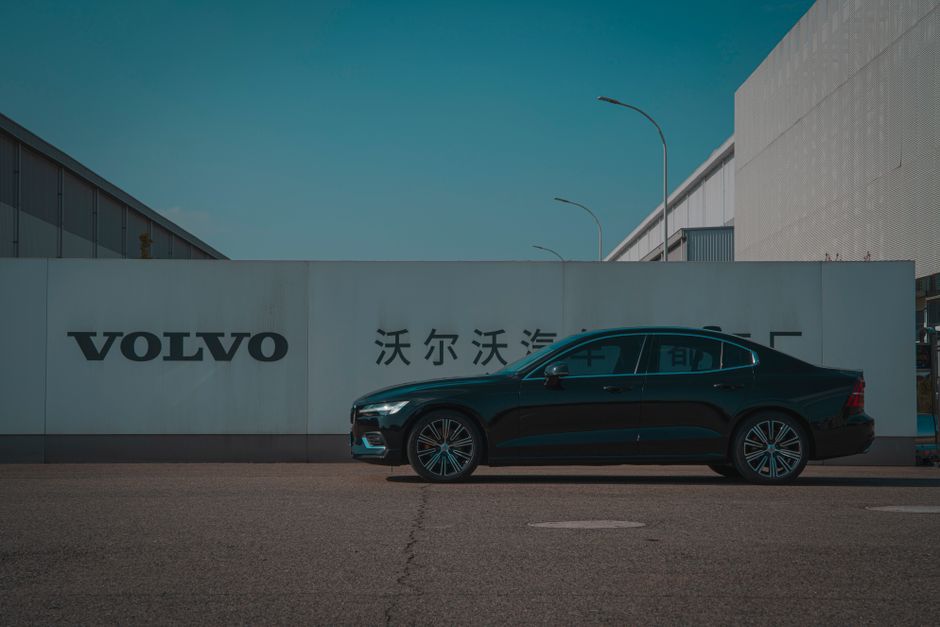
The pervasive influence of China on Volvo Cars’ outlook cannot be overstated. This influence is multifaceted, operating on both the opportunity and threat fronts. Geely, the Chinese automotive conglomerate that acquired Volvo Cars in 2010, has been instrumental in the brand’s turnaround and global expansion. China is Volvo’s largest single market, representing a substantial portion of its global sales volume. The growth of the Chinese premium automotive market, fueled by a rising middle class and a burgeoning demand for sophisticated vehicles, has been a critical engine for Volvo’s success. Geely’s deep understanding of the Chinese consumer and its extensive local network have provided Volvo with a distinct advantage in this crucial market. However, China also presents a formidable competitive threat. Chinese automotive manufacturers, backed by substantial government support and a rapidly developing technological prowess, are increasingly producing vehicles that rival established global players in terms of design, features, and increasingly, in electrification. Brands like BYD, NIO, and XPeng are not only dominating the domestic Chinese market but are also beginning to expand their global ambitions, posing a direct competitive challenge to Volvo, especially in emerging markets and potentially even in traditional Western strongholds. Furthermore, if US tariffs were to specifically target vehicles manufactured in China, it would create a direct conflict for Volvo, as a significant portion of its production for global markets, including some destined for the US, originates from Chinese facilities. This necessitates a careful balancing act for Volvo, leveraging its Chinese manufacturing capabilities for growth while simultaneously mitigating the risks associated with geopolitical trade tensions. The dual role of China as both a vital market and a potent manufacturing competitor creates a complex strategic dilemma for Volvo.
The implications of these factors for Volvo Cars’ valuation are significant and warrant careful consideration. A company’s valuation is intrinsically linked to its future earnings potential, its market position, and the perceived risks associated with its operations. The uncertainty surrounding US tariffs introduces a layer of downside risk, potentially impacting future profitability through increased costs or reduced sales volumes in a key market. The intense competition, coupled with the high investment required for technological advancements, puts pressure on profit margins and necessitates a sustained high level of capital expenditure. While Volvo’s strong brand equity and its commitment to electrification are positive attributes, they must be weighed against these significant external pressures. The valuation of Volvo Cars, as part of the larger Geely Holding Group or as a standalone entity considered for investment, must account for the potential erosion of market share due to aggressive competitors, both traditional and emerging. The company’s ability to successfully execute its electrification strategy and to navigate the complex geopolitical trade landscape will be critical determinants of its future financial performance and, consequently, its valuation. Analysts and investors will be closely scrutinizing Volvo’s adaptability, its cost management strategies, and its capacity to innovate in the face of these multifaceted challenges. The reliance on the Chinese market, while a source of growth, also introduces an element of concentrated risk, and any significant economic or political shifts within China could have a material impact on Volvo’s overall outlook and valuation. Therefore, a comprehensive assessment of Volvo Cars’ outlook necessitates a nuanced understanding of the interplay between these global economic and geopolitical forces, each contributing to a more challenging and uncertain operating environment.
