Democratic Republic of the Congo Faces Ecological Crisis as Oil and Gas Drilling Bids Threaten Half the Nations Land and Vital Wildlife Habitats

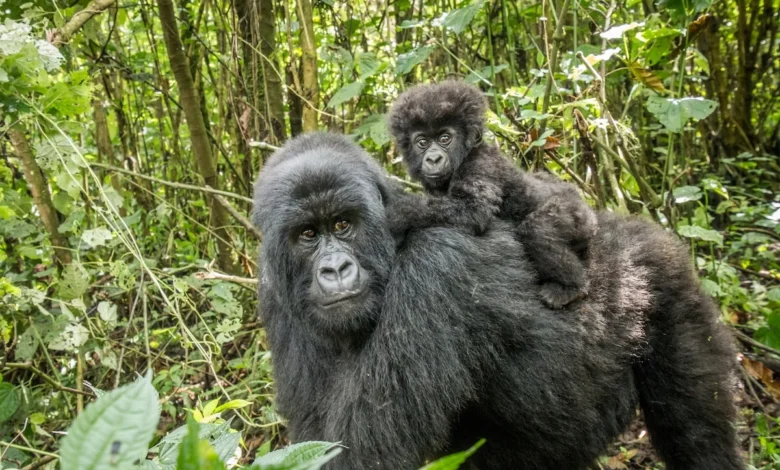
The Democratic Republic of the Congo (DRC) is currently positioned at a critical crossroads that could determine the future of the global climate and the survival of some of the world’s most iconic endangered species. According to a comprehensive new report titled "Forests to Frontlines: Oil Expansion Threats in the DRC," the Congolese government is moving forward with plans to open more than half of its national territory to oil and gas exploration. This massive expansion of the extractive industry encompasses approximately 306 million acres (124 million hectares) of land, a significant portion of which consists of intact tropical forests, carbon-dense peatlands, and critical habitats for species such as the mountain gorilla, the eastern lowland gorilla, and the bonobo.
The report, published by Earth Insight in partnership with the Coalition des Organisations de la Société Civile pour le Suivi des Reformes et de Action Publique (CORAP), Our Land Without Oil, and Rainforest Foundation UK, highlights a dramatic escalation in the government’s auctioning process. The current licensing round includes 52 oil blocks, an addition to three previously awarded blocks, which together threaten 64 percent of the country’s pristine forest cover. This move has sparked intense international concern, as the DRC contains the second-largest tropical rainforest on Earth, often referred to as the "second lung" of the planet, trailing only the Amazon in its capacity to sequester carbon and regulate global weather patterns.
The Ecological Significance of the Congo Basin
The Congo Basin is not merely a regional asset but a global necessity for climate stability. The DRC’s rainforests are characterized by towering canopies, complex river systems, and a mosaic of ecosystems that have remained largely undisturbed for centuries. These forests provide a home to a staggering wealth of biodiversity. Among the most vulnerable are the great apes; the DRC is the only country in the world where three of the four types of great apes coexist: gorillas, chimpanzees, and bonobos.
The mountain gorilla, found in the high-altitude forests of the Virunga National Park, is a primary concern for conservationists. While conservation efforts have seen their numbers slowly rise in recent years, the encroachment of industrial oil infrastructure threatens to reverse decades of progress. Habitat fragmentation, noise pollution from seismic surveys, and the construction of access roads for drilling rigs provide pathways for poachers and illegal loggers, further endangering these sensitive populations.
Beyond the charismatic megafauna, the DRC is home to thousands of endemic plant species and rare birds that are found nowhere else on Earth. These ecosystems provide essential services, including water purification for the millions who live along the Congo River and its tributaries, and the maintenance of rainfall patterns that support agriculture across the African continent.
The Carbon Bomb: Cuvette Centrale Peatlands
One of the most alarming revelations in the Earth Insight report is the overlap between the proposed oil blocks and the Cuvette Centrale peatlands. This region represents the largest tropical peatland complex in the world. Peatlands are highly efficient carbon sinks, storing vast amounts of organic matter that has accumulated over millennia. It is estimated that the Cuvette Centrale alone stores roughly 30 gigatons of carbon—an amount equivalent to three years of total global fossil fuel emissions.
The extraction of oil in these areas requires draining the peatlands or clearing large swaths of the water-logged forest. When peat is drained or disturbed, the organic matter begins to decompose, releasing stored carbon dioxide and methane into the atmosphere. Scientists warn that disturbing the Cuvette Centrale could trigger a "carbon bomb," significantly accelerating global warming and making international climate targets, such as those set in the Paris Agreement, virtually impossible to achieve. The report notes that the majority of this peatland complex is now included within the newly designated oil blocks, placing it at extreme risk of irreversible degradation.
Socio-Economic Impacts and Human Rights Concerns
The human cost of this industrial expansion is equally significant. The areas earmarked for auctioning are home to an estimated 39 million people. This population includes a diverse array of forest-dependent communities and Indigenous Peoples who have served as the traditional stewards of the land for generations. These communities rely on the forests for food, medicine, building materials, and spiritual identity.
Pascal Mirindi, the campaign coordinator for Notre Terre Sans Pétrole (Our Land Without Oil), expressed the deep frustration felt by local civil society. In a statement reported by The Guardian, Mirindi emphasized the lack of logic in the government’s current trajectory. He pointed out that while the government is publicly promoting the Kivu-Kinshasa ecological corridor—a project intended to foster sustainable development and conservation—it is simultaneously auctioning off the very land that forms that corridor.

"We are reminding our leaders that the Congolese people are the primary sovereign," Mirindi stated. "We will not remain silent while certain people organize themselves to sell off our future."
The Earth Insight report confirms that 72 percent of the recently established Kivu-Kinshasa Green Corridor intersects with the new oil blocks. This overlap not only threatens the ecological integrity of the corridor but also undermines its credibility as a legitimate climate solution or a model for sustainable development.
A Chronology of Fossil Fuel Expansion in the DRC
The current situation is the result of a steady increase in the DRC government’s focus on fossil fuel extraction as a means of economic growth.
- 2005: EcoWatch and other environmental organizations began documenting the increasing pressure on the Congo Basin from extractive industries.
- 2021: At the COP26 climate summit in Glasgow, the DRC signed a $500 million deal with the Central African Forest Initiative (CAFI) to protect its forests. However, the agreement included provisions that allowed for "regulated" extractive activities.
- 2022: The DRC government launched a controversial auction for 30 oil and gas blocks. This move was met with widespread condemnation from environmental groups and some international donors, as several blocks overlapped with Virunga National Park and the Cuvette Centrale peatlands.
- 2024: Reports emerged that the government was expanding its ambitions, seeking to monetize its fossil fuel reserves to fund infrastructure and poverty reduction programs.
- 2025: The current licensing round represents a massive escalation, expanding the scope to 52 oil blocks and covering more than half of the country’s total land area.
International Reactions and Civil Society Demands
The international community has reacted with a mixture of concern and diplomatic pressure. While some Western nations have criticized the move, others have been accused of hypocrisy, given their own continued reliance on and expansion of fossil fuel production.
Environmental NGOs and Congolese civil society organizations are calling for an immediate halt to the auctioning process. The "Forests to Frontlines" report outlines several key recommendations:
- Cancellation of the 2025 Round: The DRC government and its international partners should cancel the current licensing round and commit to a moratorium on future hydrocarbon expansion in sensitive ecosystems.
- Recognition of Rights: The legal rights of local communities and Indigenous Peoples must be respected, ensuring they have the power to veto projects that threaten their traditional lands.
- Aligned Financing: International donor support and climate financing should be tied to the DRC’s commitments to biodiversity and carbon preservation. This includes the development of alternative economic models, such as high-integrity carbon markets and sustainable agroforestry.
- Transparency and Governance: Civil society must be given a seat at the table in environmental governance and decision-making processes to ensure transparency and accountability.
Anna Bebbington, a research manager at Earth Insight, warned that the impacts would be global. "Oil and gas development in these fragile ecosystems would have devastating impacts on biodiversity, communities, land rights, and the global fight against climate change," she noted.
Analysis of Economic Logic vs. Environmental Reality
The DRC government defends its actions by citing the need for economic development. As one of the poorest countries in the world despite its vast mineral wealth, the government argues that it has a sovereign right to exploit its natural resources to improve the lives of its citizens. Officials have frequently pointed out that industrialized nations built their wealth on fossil fuels and are now asking developing nations to remain poor to save the planet.
However, environmental analysts argue that the "oil for development" model is often a fallacy in nations with weak governance. They point to the "resource curse" seen in other oil-producing African nations, where oil wealth has led to increased corruption, environmental devastation, and conflict, rather than broad-based economic prosperity. Furthermore, the global shift toward renewable energy means that the DRC risks investing in "stranded assets"—infrastructure for a fuel that the world is actively trying to phase out.
The potential for sustainable alternatives, such as eco-tourism, sustainable harvesting of forest products, and payments for ecosystem services, offers a different path. However, these models require significant upfront investment and long-term commitment from the international community to be viable alternatives to the immediate cash infusions promised by oil contracts.
Conclusion
The scale of the proposed oil expansion in the Democratic Republic of the Congo represents a defining moment for 21st-century environmental policy. The decision to open 306 million acres to drilling puts at risk not only the unique biodiversity of the Congo Basin and the rights of millions of people but also the stability of the global climate. As the 2025 licensing round proceeds, the pressure on the DRC government and its international partners to find a more sustainable path continues to mount. The fate of the Cuvette Centrale and the great apes that inhabit the Congo’s forests now rests on whether the world can provide a compelling economic alternative to the extraction of the oil beneath the trees.