Hyundai IONIQ 5 inventory dries up at several dealers as demand for the updated electric SUV surges

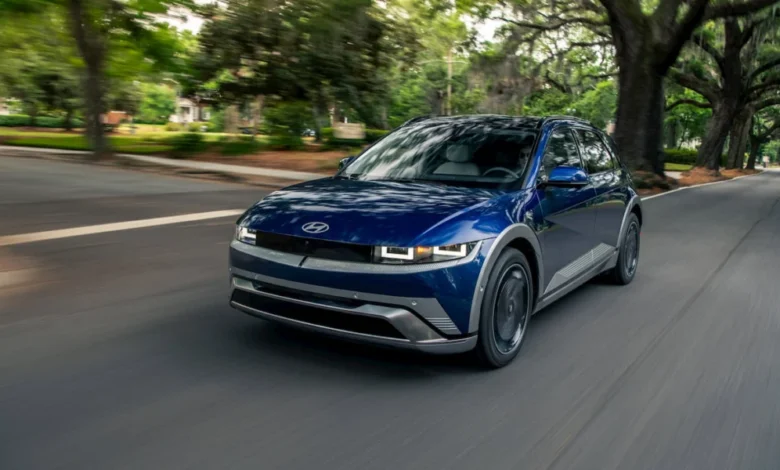
The Hyundai IONIQ 5, which has solidified its position as a cornerstone of the South Korean automaker’s electric vehicle (EV) strategy, is currently facing a significant inventory shortage across the United States. Despite robust production efforts and the recent commencement of manufacturing at the company’s new domestic facilities, Hyundai dealerships are reporting that units are frequently sold before they even arrive on the lot. This surge in demand follows a series of strategic price reductions, technical enhancements, and the introduction of the first US-built models, which have collectively positioned the IONIQ 5 as the primary challenger to Tesla’s long-standing dominance in the North American EV market.
The Inventory Paradox: Online Availability vs. Physical Reality
Current market data presents a curious discrepancy for prospective buyers. While digital inventory tools, including Hyundai’s official website and third-party aggregators like EVfinder.com, suggest a healthy supply of vehicles across various regions, the reality on the ground is starkly different. Reports from dealerships in diverse geographic locations, ranging from the Northeast to the Rocky Mountains, indicate that "available" inventory listed online often consists of vehicles that have already been reserved or sold via down payments.

In Vermont, local news outlets have highlighted the situation at Burlington Hyundai, where the IONIQ 5 has completely sold out, leaving the dealership with a growing waitlist of eager consumers. A similar trend has been observed at Stevinson Hyundai in Frederick, Colorado, where high turnover rates have left the showroom floor devoid of the popular crossover. Industry analysts suggest that this "phantom inventory" is a byproduct of high-velocity sales; the software used to track vehicle arrivals often lags behind the speed at which sales teams finalize contracts with customers who have pre-ordered their vehicles.
A Chronological Success: From Concept to Market Leader
To understand the current supply strain, one must look at the rapid trajectory of the IONIQ 5 since its global debut.
- 2021 Launch: The IONIQ 5 was introduced as the first model under Hyundai’s dedicated IONIQ battery-electric sub-brand. Built on the Electric-Global Modular Platform (E-GMP), it immediately garnered critical acclaim for its 800-volt fast-charging architecture and "Parametric Pixel" design language.
- 2022-2023 Market Expansion: The vehicle secured numerous prestigious awards, including World Car of the Year, World Electric Vehicle of the Year, and World Car Design of the Year. During this period, Hyundai struggled with global supply chain disruptions but managed to maintain a steady climb in sales figures.
- 2024 Strategic Pivot: As the US federal tax credit landscape shifted due to the Inflation Reduction Act (IRA), Hyundai moved aggressively to localize production. The company broke ground on the "Metaplant America" in Georgia, a $7.6 billion investment designed to ensure its EVs would eventually qualify for the full $7,500 federal tax credit.
- 2025-2026 Model Refinement: Hyundai introduced the 2025 and 2026 model years with significant upgrades, including larger battery packs, a refined interior with physical buttons for frequently used functions, and the integration of the North American Charging Standard (NACS) port, allowing native access to Tesla’s Supercharger network.
Technical Enhancements and the 2026 Model Year
The 2026 Hyundai IONIQ 5 represents the most significant update to the platform since its inception. Engineers addressed several consumer pain points while enhancing the vehicle’s performance metrics. The standard battery capacity has been increased, pushing the EPA-estimated range for the Long Range Rear-Wheel Drive (RWD) model to 318 miles. Even the All-Wheel Drive (AWD) variants, which prioritize performance and traction, now offer competitive ranges that alleviate "range anxiety" for the average commuter.
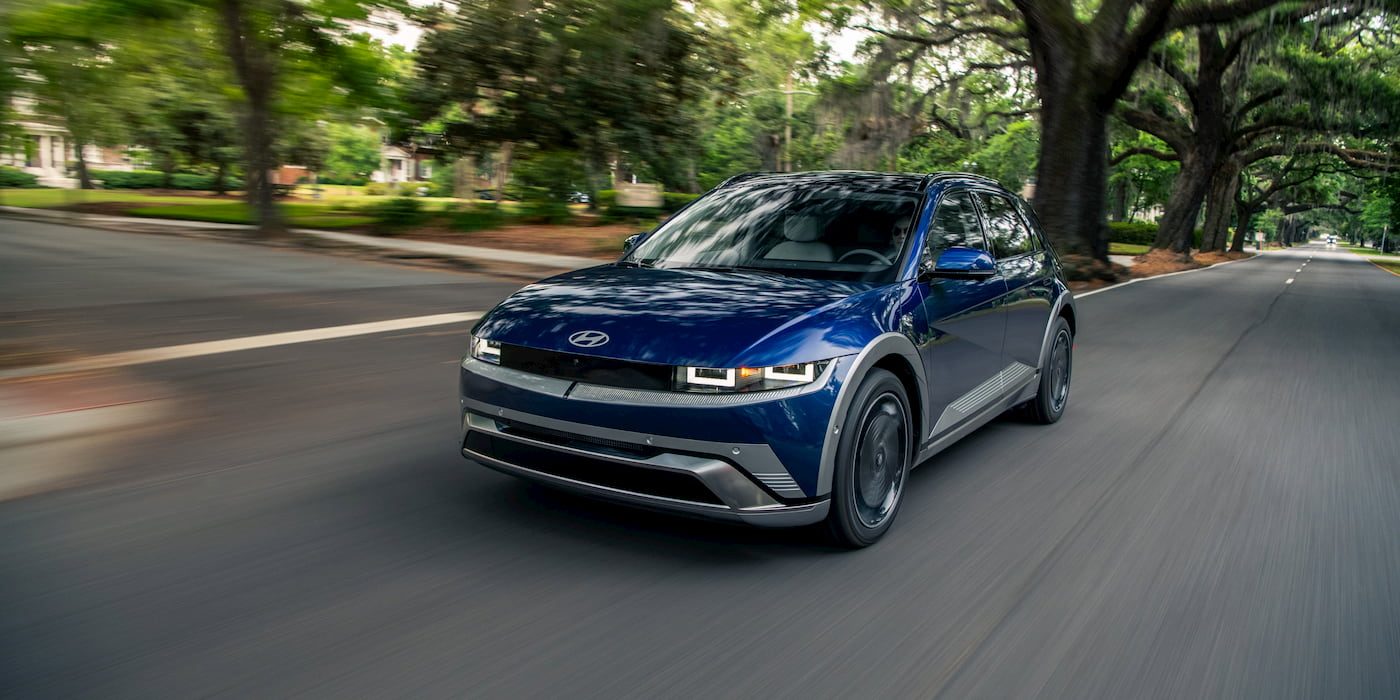
The inclusion of the NACS port is perhaps the most strategic technical update. By adopting the same plug standard as Tesla, Hyundai has effectively removed one of the largest barriers to EV adoption: charging infrastructure reliability. Furthermore, the 2026 model introduced the XRT trim, a more rugged, off-road-oriented version of the SUV featuring a higher ground clearance, all-terrain tires, and unique styling cues, catering to a growing segment of "active lifestyle" buyers.
Financial Strategy: Aggressive Pricing and Conquest Rates
The current inventory shortage is not merely a result of technical superiority but is heavily driven by Hyundai’s aggressive financial maneuvering. Following the temporary loss of the federal tax credit for imported models, Hyundai chose to absorb the cost to remain competitive. In late 2025, the company announced price cuts of nearly $10,000 on specific trims of the 2026 model year.
"These price adjustments reflect Hyundai’s commitment to affordability and our long-term strategy to lead the electric transition," a company spokesperson stated during the rollout of the ‘Getaway Summer Sales Event.’
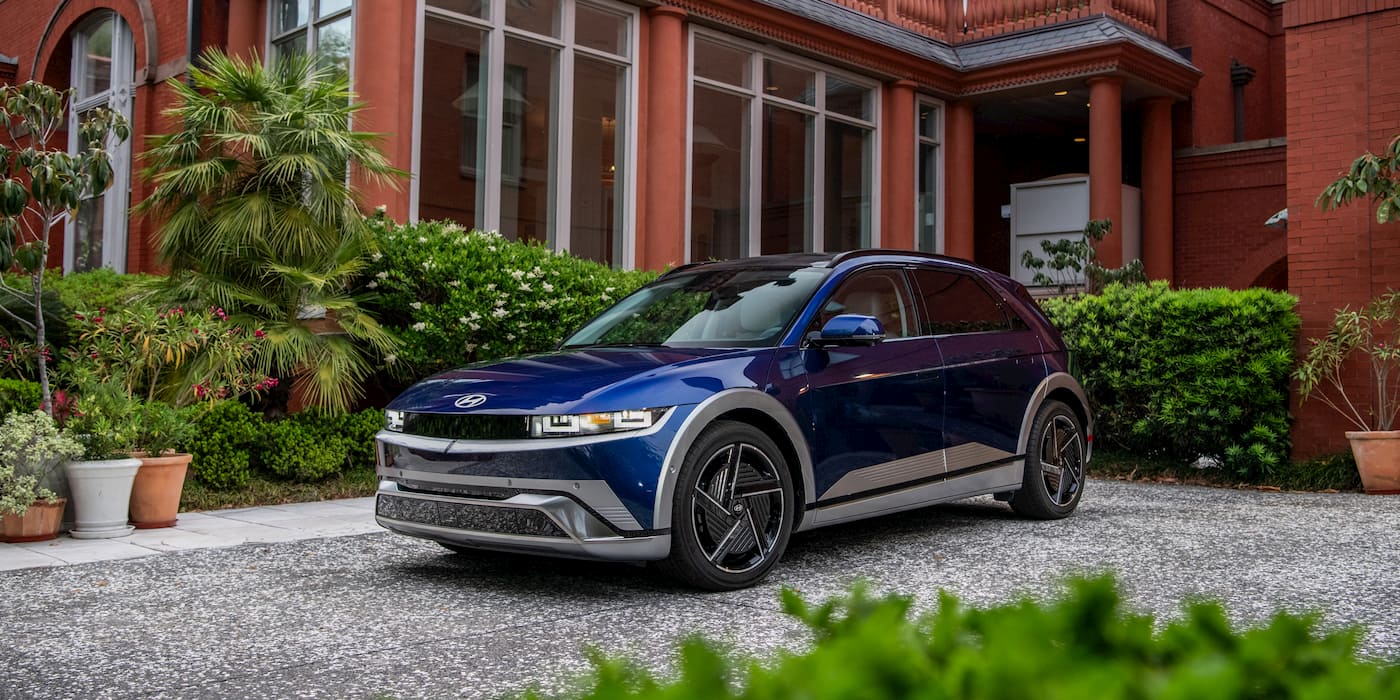
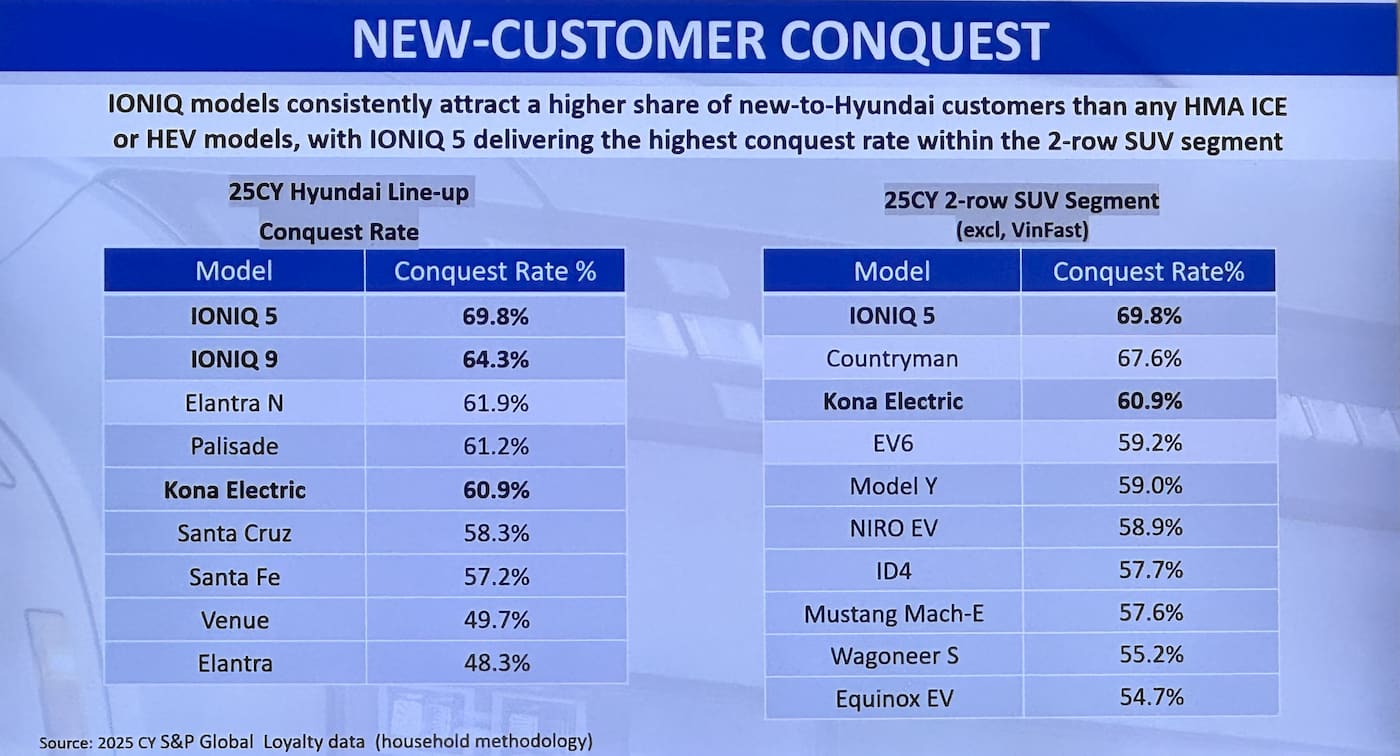
This strategy has resulted in industry-leading "conquest rates." Data indicates that the IONIQ 5 had a 69.8% conquest rate last year, meaning nearly 70% of buyers were switching to Hyundai from other automotive brands. This is significantly higher than the brand’s internal combustion engine (ICE) or hybrid vehicles. The IONIQ 5 is particularly successful at attracting former Tesla owners and those moving out of luxury German brands who are seeking a combination of avant-garde design and high-speed charging capabilities.
Comparative Market Analysis: Sales Data and Incentives
In the first half of 2026, the IONIQ 5 emerged as the third best-selling electric vehicle in the United States, trailing only the Tesla Model Y and Model 3. It currently holds the title of the best-selling non-Tesla EV in the country. This achievement is underscored by the broader recovery of the EV market; Kelly Blue Book (KBB) estimates that over 247,000 EVs were sold in the US in Q2 2026, representing a 14.7% increase over the first quarter.
Hyundai’s promotional offers have been a primary catalyst for this volume. Through the current sales cycle, the manufacturer has offered:
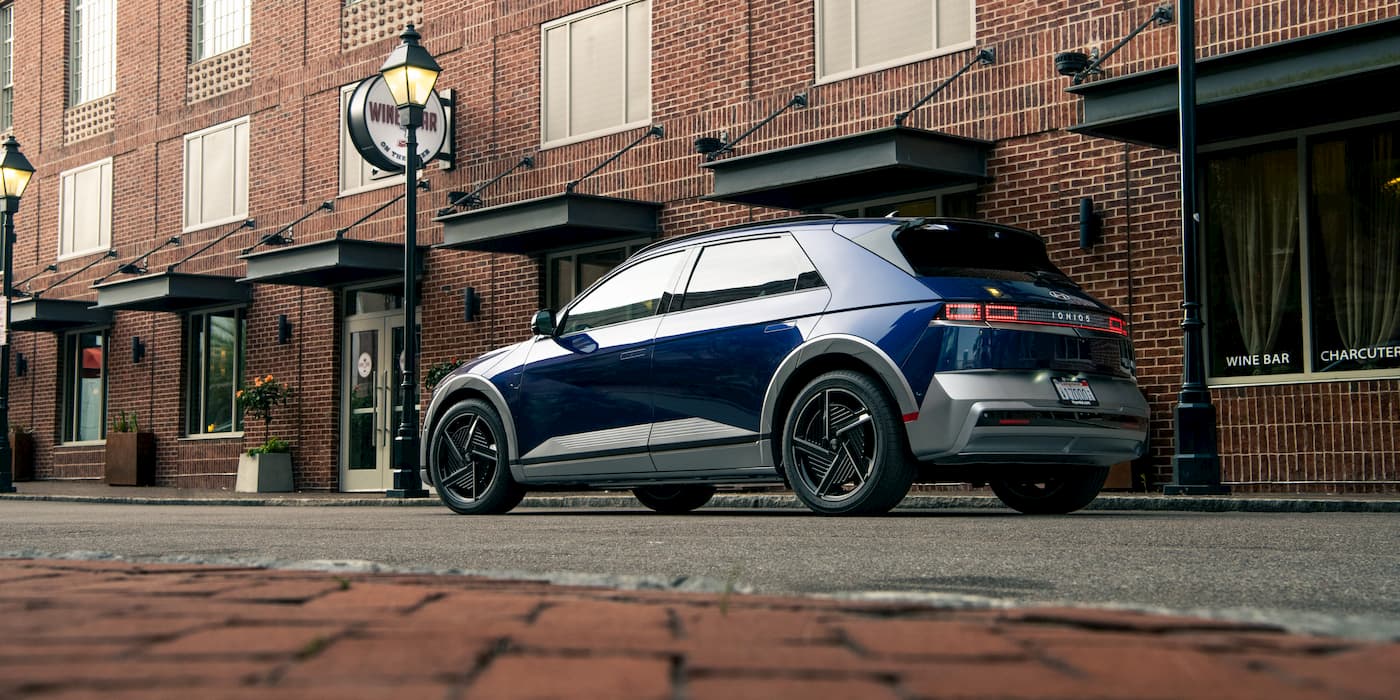
- 0% APR Financing: Available for up to 72 months on select trims.
- Lease Deals: Monthly payments starting as low as $269 for the Standard Range SE and $279 for the 318-mile Long Range SE.
- Cash Incentives: Up to $10,000 in Retail Bonus Cash on specific configurations.
- Deferred Payments: Options for zero payments for the first 90 days of ownership.
When compared to rivals like the Toyota bZ4X or the Chevrolet Equinox EV, the IONIQ 5 often presents a superior value proposition. While the base prices may be similar, Hyundai’s aggressive lease residuals and 800V charging hardware—which allows the vehicle to charge from 10% to 80% in just 18 minutes—give it a distinct edge in the eyes of tech-savvy consumers.
Regional Impact and Dealer Feedback
The scarcity of the IONIQ 5 is felt most acutely in states with strong EV mandates or high fuel costs. Dealerships in the Pacific Northwest and the Northeast report that the "Getaway Summer Sales Event," which runs through Labor Day, has accelerated the depletion of stock.
Dealer principals have noted that the 2026 model’s production at the Georgia Metaplant has begun to alleviate some logistical pressures, but the facility is still scaling toward its full capacity of 300,000 vehicles per year. Until the plant reaches peak output, the "sold-before-delivery" phenomenon is expected to persist.
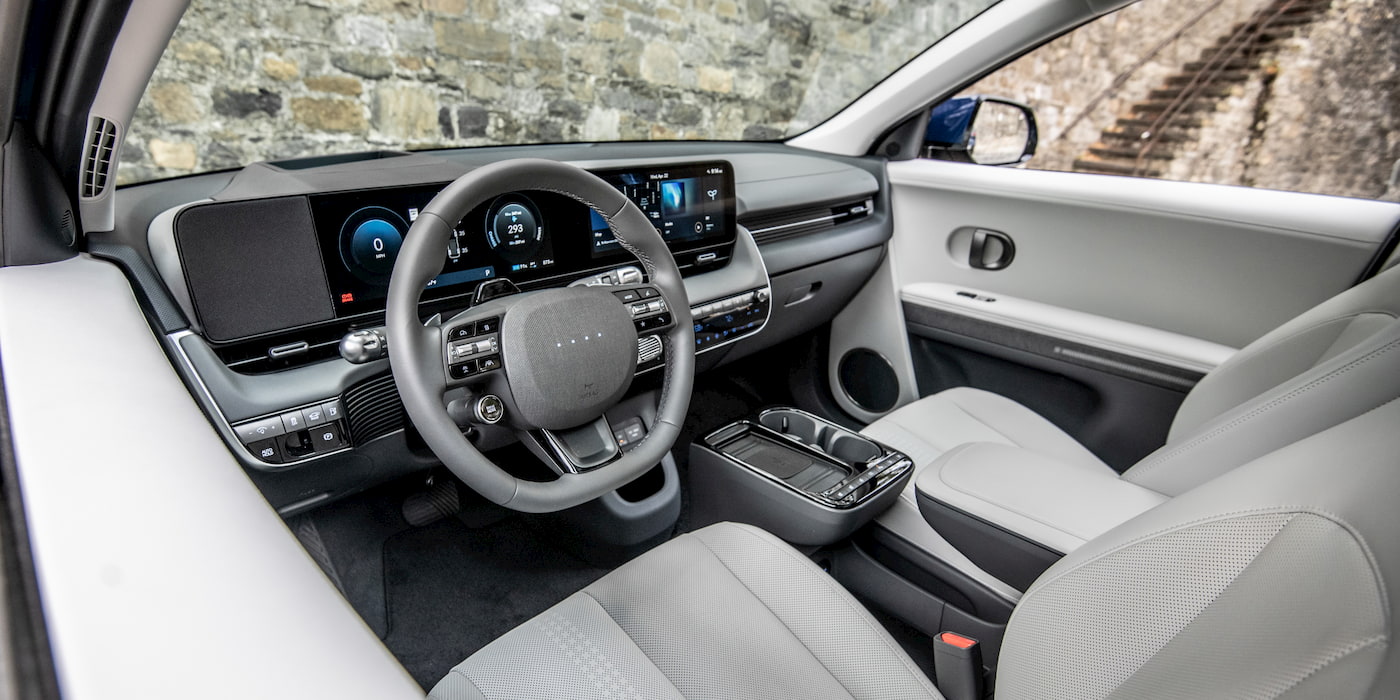
Buyers are reportedly becoming more flexible, often traveling several hundred miles to secure a specific trim or color. "We are seeing customers from two or three states away calling to put deposits on vehicles that are still on the car carrier," noted one sales manager in the Midwest. "If it has the 318-mile range and the new infotainment system, it doesn’t stay on the lot for more than 48 hours."
Broader Implications for the Automotive Industry
The success of the IONIQ 5 and the resulting inventory crunch serve as a bellwether for the shifting American automotive landscape. It proves that there is a deep reservoir of demand for electric vehicles that are priced competitively with gasoline-powered SUVs and offer "no-compromise" technology.
Furthermore, Hyundai’s ability to pivot its supply chain to US soil in record time has put immense pressure on other legacy automakers. While Ford and GM have faced delays in their respective EV programs, Hyundai’s momentum appears to be accelerating. The inventory shortage, while frustrating for individual consumers in the short term, serves as a powerful validation of the brand’s "EV-first" philosophy.
As the industry moves toward the latter half of 2026, the focus will remain on Hyundai’s ability to ramp up production at its Georgia facility. If the company can synchronize its high manufacturing capacity with its aggressive pricing strategy, the IONIQ 5 may not only remain a "hot seller" but could permanently redefine the hierarchy of the American SUV market. For now, prospective buyers are encouraged to contact dealers directly and prepare for a potential wait, as the days of finding a row of IONIQ 5s ready for immediate delivery appear to be over for the foreseeable future.
Related posts: