Hyundai Expands High-Performance Ecosystem with Official N Performance Parts for Ioniq 5 N and Elantra N in North America

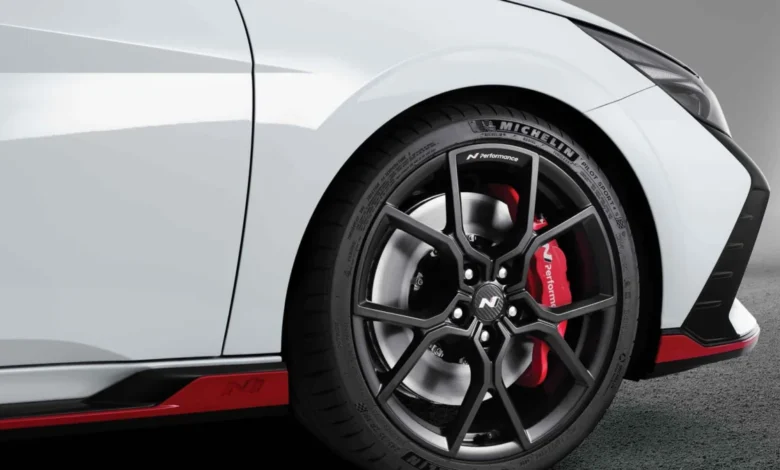
Hyundai Motor Company has officially announced the launch of its dedicated N Performance Parts line in the United States, targeting owners of the high-performance Ioniq 5 N and the Elantra N. This strategic move signals a significant expansion of the South Korean automaker’s commitment to the enthusiast market, moving beyond the production of performance vehicles into the lucrative and brand-building world of factory-backed aftermarket components. By offering these parts through select US dealerships, Hyundai aims to bridge the gap between its championship-winning motorsport programs and the daily driving experiences of its customers. The introduction of these components marks a pivotal moment for the N brand as it seeks to establish a permanent foothold in a segment traditionally dominated by European and Japanese rivals.
The Evolution of the N Brand: From Namyang to the World
The N brand, which derives its name from both Namyang—Hyundai’s global research and development center in South Korea—and the Nürburgring—the world-renowned German test track where these vehicles are honed—has undergone a rapid transformation since its inception. Launched under the leadership of former BMW M engineering chief Albert Biermann, the division was tasked with creating vehicles that were not just fast in a straight line, but "corner rascals" capable of sustained track use.
The success of the i30 N in Europe and the subsequent popularity of the Veloster N and Elantra N in North America provided the foundation for this latest expansion. However, the introduction of the Ioniq 5 N represented a paradigm shift, proving that the division could translate its philosophy of driver engagement into the realm of battery-electric vehicles (BEVs). The new N Performance Parts catalog is the logical next step in this evolution, allowing owners to further refine the aesthetics and mechanical capabilities of their vehicles with components that carry a factory guarantee of quality and fitment.
Comprehensive Catalog: Balancing Aesthetics and Engineering
The newly unveiled catalog for the US market is divided into two primary categories: visual enhancements and functional performance upgrades. While some items are designed to heighten the aggressive presence of the vehicles, others leverage advanced materials to reduce weight and improve aerodynamic efficiency.
Interior and Aesthetic Refinements
For both the Ioniq 5 N and the Elantra N, Hyundai is offering a series of interior upgrades designed to enhance the tactile connection between driver and machine. Central to this is a new Alcantara-wrapped steering wheel, a material chosen for its superior grip and heat-management properties during spirited driving. Complementing this are bespoke floor mats, branded wheel nuts, and various decals that allow owners to personalize the exterior of their vehicles without compromising the original design language.
High-Performance Hardware for the Elantra N
The Elantra N, which remains a favorite among internal combustion enthusiasts, receives a more extensive list of functional upgrades. Among the most notable additions is a carbon-fiber rear wing. In automotive engineering, carbon fiber is prized for its high strength-to-weight ratio; by replacing standard components with carbon fiber, Hyundai reduces the vehicle’s center of gravity and improves high-speed stability through enhanced downforce.
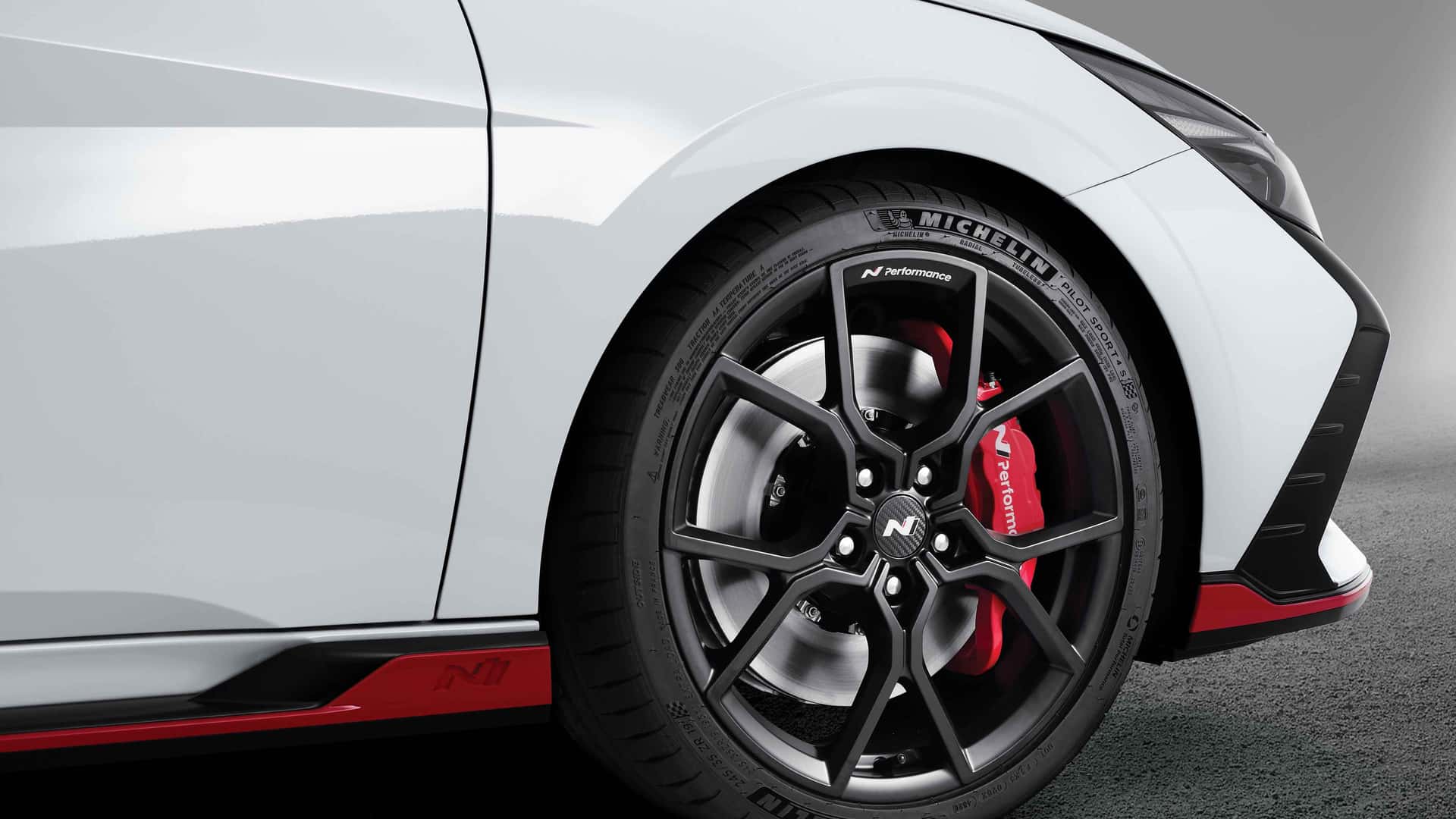
Furthermore, Elantra N owners can opt for 19-inch forged alloy wheels. Unlike traditional cast wheels, forged wheels are manufactured using intense heat and pressure, resulting in a grain structure that is significantly stronger and lighter. Reducing unsprung mass—the weight of components not supported by the suspension—is one of the most effective ways to improve steering response, braking performance, and overall suspension agility. Carbon-fiber side mirror covers round out the Elantra N’s performance-oriented exterior package.
Strategic Importance of the North American Market
The decision to launch these parts in the United States reflects Hyundai’s understanding of the unique nature of the American enthusiast market. In the US, car culture is deeply rooted in personalization and "tuning." By providing official parts, Hyundai is effectively capturing revenue that might otherwise go to third-party aftermarket companies, while simultaneously ensuring that modifications do not negatively impact the vehicle’s integrated safety and performance systems.
Joon Park, Vice President of the N Management Group at Hyundai Motor Company, emphasized that these parts are "rigorously engineered" to meet the specific demands of what the company calls "Nthusiasts." Park stated that the goal is to provide a higher degree of design personalization and performance for owners who crave a motorsports-inspired experience. This approach aligns with the broader industry trend where brands like BMW (M Performance), Toyota (TRD/GR Parts), and Honda (HPD) offer similar ecosystems to foster brand loyalty.
Comparative Analysis: The South Korean "N Performance Garage" Model
While the US rollout is currently limited to select dealerships, it draws inspiration from the established infrastructure in South Korea. In its home market, Hyundai operates "N Performance Garages," dedicated facilities where owners can purchase parts and, in some cases, utilize professional-grade tools and bays to install the components themselves under expert supervision. This "DIY-friendly" corporate culture has been instrumental in building a tight-knit community of N owners in Korea.
Industry analysts suggest that if the US pilot program is successful, Hyundai may look to implement similar dedicated performance hubs in major American metropolitan areas. Such a move would further distinguish the N brand from its competitors by offering a lifestyle-oriented service model that goes beyond the traditional dealership service department.
Technical Specifications and Performance Implications
The impact of these parts extends beyond simple vanity. For the Elantra N, the 2.0-liter turbocharged inline-four engine already produces a robust 276 horsepower (which can overboost to 286 hp via the "N Grin Shift" function). When combined with the new 19-inch forged wheels, the reduction in rotational inertia allows the engine to spin up more freely, potentially shaving fractions of a second off acceleration times and improving the car’s "flickability" in tight corners.
For the Ioniq 5 N, the challenge is different. As an EV weighing approximately 4,800 pounds, the Ioniq 5 N relies heavily on sophisticated software and heavy-duty hardware to mask its mass. The addition of Alcantara interior bits and lightweight exterior accents helps to align the car’s cabin feel with its supercar-rivaling 641-hp output. Hyundai has hinted that future performance parts for the Ioniq 5 N may include more aggressive brake cooling ducts and specialized suspension bushings, specifically tuned for the unique weight distribution of an electric platform.
Chronology of Hyundai’s Performance Milestones
The launch of the N Performance Parts line is part of a broader timeline of achievements for the division:
- 2017: Global debut of the i30 N, the first dedicated N model.
- 2018: Introduction of the Veloster N to the North American market, winning several "Performance Car of the Year" awards.
- 2021: Launch of the Elantra N and Kona N, expanding the lineup to sedans and SUVs.
- 2023: World premiere of the Ioniq 5 N at the Goodwood Festival of Speed, marking the brand’s first high-performance EV.
- 2024: Refresh of the Elantra N with updated styling and cooling systems.
- Current: Launch of the official N Performance Parts catalog in the US.
Broader Impact on the Automotive Landscape
Hyundai’s aggressive expansion into the performance parts sector is a calculated risk that appears to be paying dividends. By treating the N brand as a premium performance sub-brand, Hyundai is successfully shifting public perception. No longer viewed merely as a value-oriented manufacturer, Hyundai is now a legitimate contender in the enthusiast space.
This shift has broader implications for the used car market as well. Vehicles equipped with factory-backed performance parts often hold their value better than those with non-branded aftermarket modifications. This "OEM+" (Original Equipment Manufacturer plus) approach appeals to a wider demographic of buyers who want enhanced performance without the reliability concerns often associated with third-party tuning.
Future Outlook and Corporate Vision
Looking ahead, Hyundai and its luxury arm, Genesis, have committed to launching 58 new models in North America by 2030. A significant portion of these will be electrified, and the N division will play a crucial role in ensuring that these future EVs remain exciting to drive. The company’s new design philosophy, "Stronger, Not Louder," suggests a focus on sophisticated engineering and aerodynamic efficiency rather than purely ostentatious styling.
The expansion of the N Performance Parts line is expected to continue throughout the year and into 2025. As the N brand matures, it is likely that we will see even more specialized components, perhaps including track-ready brake pads, adjustable coilover suspension kits, and even software-based performance upgrades.
By fostering a culture of personalization and performance, Hyundai is doing more than just selling cars; it is building a community. For the "Nthusiasts" in the United States, the arrival of these official parts is a clear signal that Hyundai is listening to their demands for a more engaging and personalized driving experience. As the automotive industry continues its transition toward electrification, the N brand serves as a reminder that the thrill of driving—whether powered by gasoline or electrons—remains a central pillar of the Hyundai identity.