Stellantis delays production of Jeep Grand Wagoneer EREV and Ram 1500 REV as supply chain challenges reshape electrification strategy

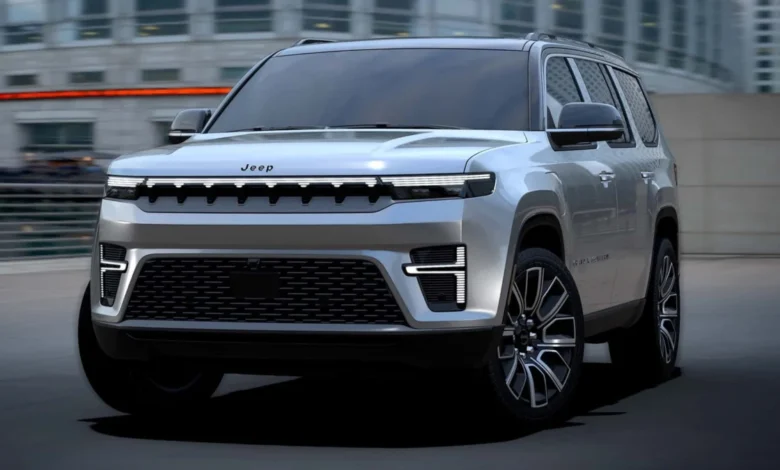
Stellantis has officially adjusted the production timelines for two of its most anticipated electrified flagship vehicles, the Jeep Grand Wagoneer Extended-Range Electric Vehicle (EREV) and the Ram 1500 REV. According to internal supplier memos and industry reports, the production launch for the Jeep Grand Wagoneer EREV at the Warren Truck Assembly Plant in Michigan has been pushed back to November 2026, marking a six-month delay from the previously established May 2026 target. Concurrently, the Ram 1500 REV, which is also slated for production within the same manufacturing ecosystem, has seen its launch window shift to mid-April 2027, representing a nine-month departure from its original mid-2026 scheduling.
These adjustments underscore the complexities inherent in Stellantis’s "Dare Forward 2030" strategic plan, which has increasingly pivoted toward series-hybrid technology—often referred to as EREV—in response to cooling consumer demand for pure battery-electric vehicles (BEVs) and a more cautious approach to capital expenditure.
The Technical Interdependency of the EREV Platform
The primary driver behind these scheduling shifts is not a failure of the vehicle designs themselves, but rather the intricacies of the shared powertrain architecture. Both the Jeep Grand Wagoneer EREV and the Ram 1500 REV rely on a sophisticated 400-volt battery system integrated with a high-output electric motor and an internal combustion engine acting as an onboard generator.
Industry analysts suggest that the synchronization of this "series-hybrid" drivetrain requires a delicate balance of software calibration and hardware procurement. Because both vehicles utilize the same core electric guts, any bottleneck in the supply chain for the battery modules, power inverters, or the integration of the gasoline-powered range extender creates a ripple effect. When one program experiences a technical or logistical delay, the shared nature of the platform forces a recalibration of the entire launch calendar.
Stellantis has historically emphasized the versatility of its STLA Frame platform, which is designed to accommodate multiple energy sources. However, the move to prioritize EREV technology over pure BEV variants for these high-margin trucks has necessitated a more rigid adherence to specific component suppliers who are struggling to scale production of the specialized hardware required for these high-voltage, high-capacity systems.
A Chronology of Changing Expectations
The road to the current launch window has been characterized by evolving corporate priorities. Initially, the Ram 1500 REV was marketed as a direct competitor to the Ford F-150 Lightning and the Chevrolet Silverado EV—a pure battery-electric pickup. However, as market conditions shifted, Stellantis made the strategic decision to cancel the pure BEV version of the Ram 1500, pivoting the "REV" moniker to represent the extended-range platform.
- Mid-2023: Stellantis showcases the Ram 1500 REV as an all-electric flagship.
- Early 2024: Internal planning sets a mid-2026 target for the launch of both the Grand Wagoneer EREV and the Ram 1500 REV.
- Late 2024: Reports emerge regarding the cancellation of the pure BEV pickup project, solidifying the EREV as the primary focus for the heavy-duty and light-duty truck segments.
- Early 2025: Supplier memos indicate that the complexity of the 400-volt powertrain integration is exceeding initial project timelines.
- Current Status: The Grand Wagoneer EREV is confirmed for November 2026, and the Ram 1500 REV is confirmed for April 2027.
This timeline reflects a broader industry trend where automakers are increasingly trading "first-to-market" advantages for "right-to-market" stability. By delaying the launch, Stellantis aims to ensure that the powertrain’s performance, particularly its range-extending efficiency, meets the stringent expectations of truck buyers who prioritize towing capacity and uptime.
Official Stance and Corporate Messaging
In its official communications, Stellantis has avoided using the term "delay," preferring to characterize these shifts as alignment with market readiness. Spokespeople for the company have maintained that both the Grand Wagoneer and the Ram 1500 remain on track for their respective 2026 and 2027 model-year cycles.
The company’s executive leadership has frequently emphasized that the EREV technology offers the "best of both worlds"—the quiet, instant torque of an electric vehicle with the convenience and range security of an internal combustion engine. From a marketing perspective, the company is positioning these vehicles as the ultimate solution for owners who want to transition to electrification without the anxiety associated with public charging infrastructure, which remains a significant hurdle in the North American market.
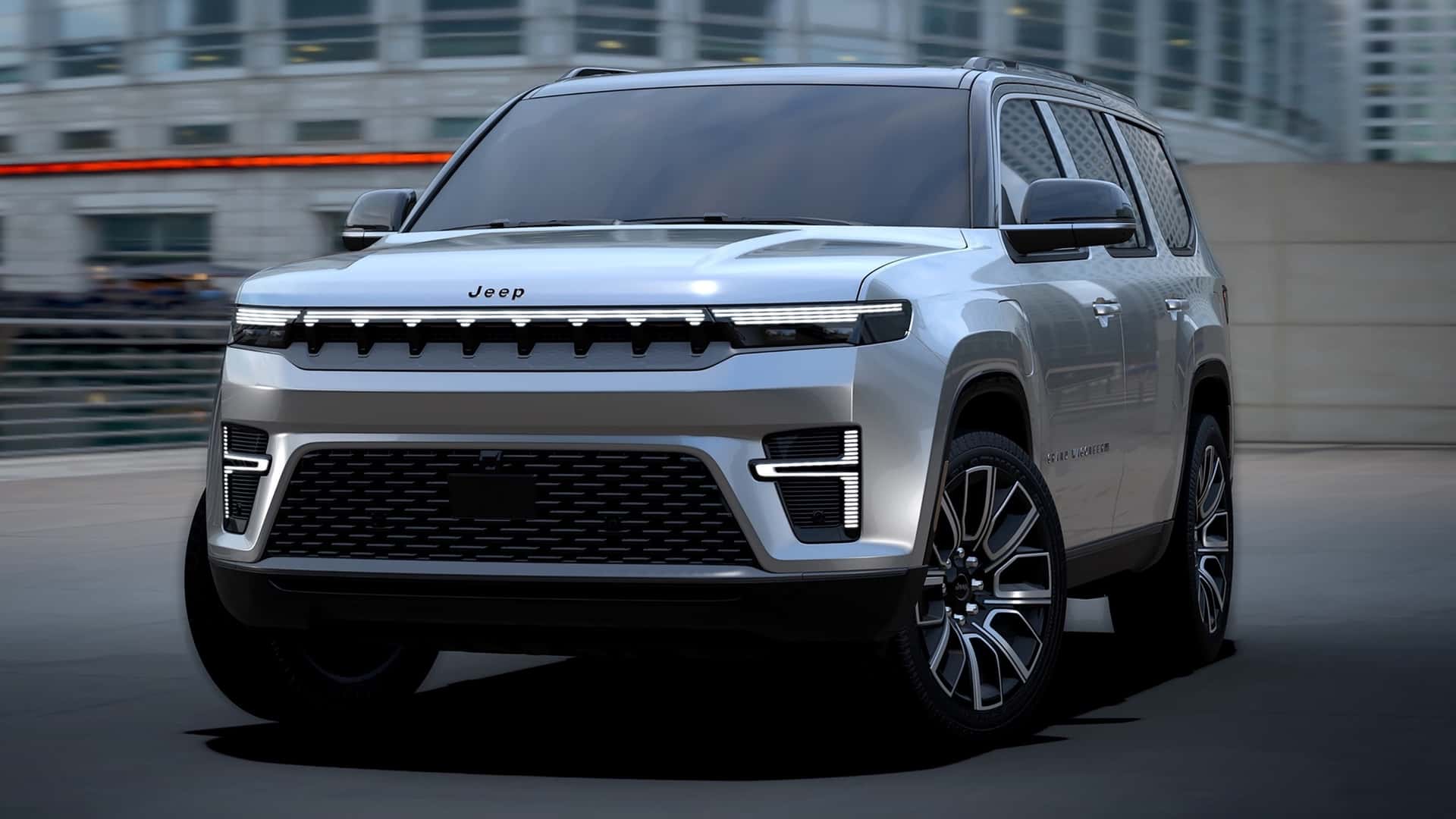
Despite the lack of a formal public announcement, the shift in dates has been communicated to the supply base to ensure that the Warren Truck plant and its peripheral facilities are adequately prepared for the production ramp-up. For Stellantis, the financial health of these programs is paramount; as "halo" products, they are designed to lead the brand’s image and command premium pricing, leaving little room for error during the initial production phase.
Broader Implications for the Stellantis Portfolio
The delay of these vehicles carries significant implications for the company’s competitive positioning. By moving the launch dates into 2026 and 2027, Stellantis is effectively conceding the early-adopter market for electric trucks to competitors like Ford, General Motors, and potentially Tesla, which have already established a presence in the segment.
However, there is a strategic argument for this wait-and-see approach. By the time the Ram 1500 REV reaches the market in 2027, the initial "growing pains" of the electric truck segment—including issues related to cold-weather performance and charging efficiency—may have been addressed by the industry at large. Furthermore, the 400-volt architecture serves as a bridge, allowing Stellantis to test the market’s appetite for hybrid-electric powertrains before committing to even more expensive 800-volt systems.
Investors are keeping a close watch on these developments. The company’s ability to execute on these flagship projects is viewed as a litmus test for its overall electrification strategy. With high-interest rates and fluctuating energy prices, the EREV model acts as a hedge; it is less susceptible to the volatility of the EV tax credit landscape and more aligned with the purchasing habits of traditional pickup truck and SUV owners who may be wary of fully abandoning gasoline.
Analysis: Navigating the "Valley of Death"
The transition from traditional internal combustion to electrified propulsion is frequently referred to in manufacturing circles as the "Valley of Death"—a period where development costs are at their peak while revenue remains non-existent. For Stellantis, the Grand Wagoneer EREV and the Ram 1500 REV are the primary vehicles meant to carry the company across this valley.
The six-to-nine-month delay is a significant period in the automotive world, often equivalent to millions of dollars in additional research, development, and re-tooling costs. Yet, the risk of launching a flagship product with software bugs or powertrain deficiencies is far greater. A flawed launch could permanently damage the reputation of the Jeep and Ram brands, which rely heavily on customer loyalty and the perception of rugged reliability.
Furthermore, these delays highlight the growing influence of the supply chain in vehicle development. In the past, automakers dictated terms to their suppliers; today, the process is increasingly collaborative. The reliance on common hardware means that Stellantis is essentially building a "platform ecosystem." While this reduces long-term manufacturing costs through economies of scale, it also creates a high-stakes scenario where the entire ecosystem is only as fast as its slowest component.
As the industry approaches the 2026 and 2027 model years, the success of these two vehicles will likely determine the pace at which Stellantis introduces future electric models. If the EREV powertrain proves to be a robust and popular choice, it could serve as the foundation for a wide range of future products across the Dodge, Chrysler, and Jeep lineups. Conversely, if the production hurdles continue to mount, the company may find itself forced to re-evaluate its reliance on these complex hybrid systems in favor of more traditional or more aggressive full-BEV strategies.
Ultimately, the decision to push these launch dates back is a pragmatic, if difficult, choice. By opting for a more measured rollout, Stellantis is prioritizing the long-term viability of its electrified future over the short-term optics of meeting an aggressive, albeit optimistic, schedule. The market will now wait to see if the extra time allows the company to deliver the seamless, high-performance experience that consumers have been promised.