Kia EV3 GT First Drive: High Performance Electric SUV Targets European Market with Dynamic Refinements and Virtual Gear Shift Technology

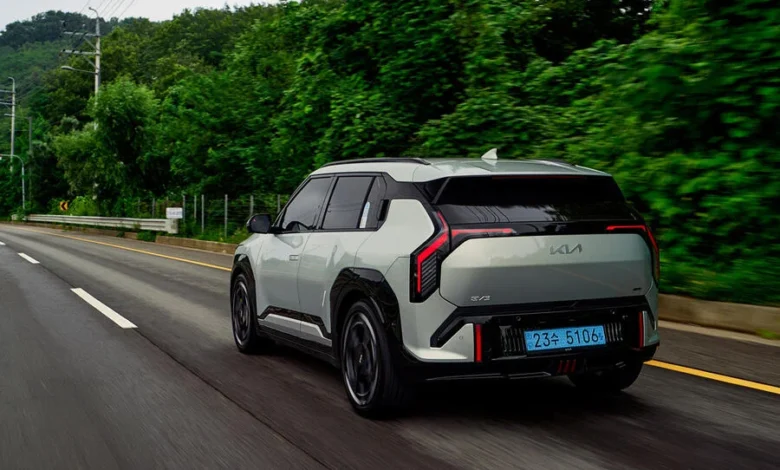
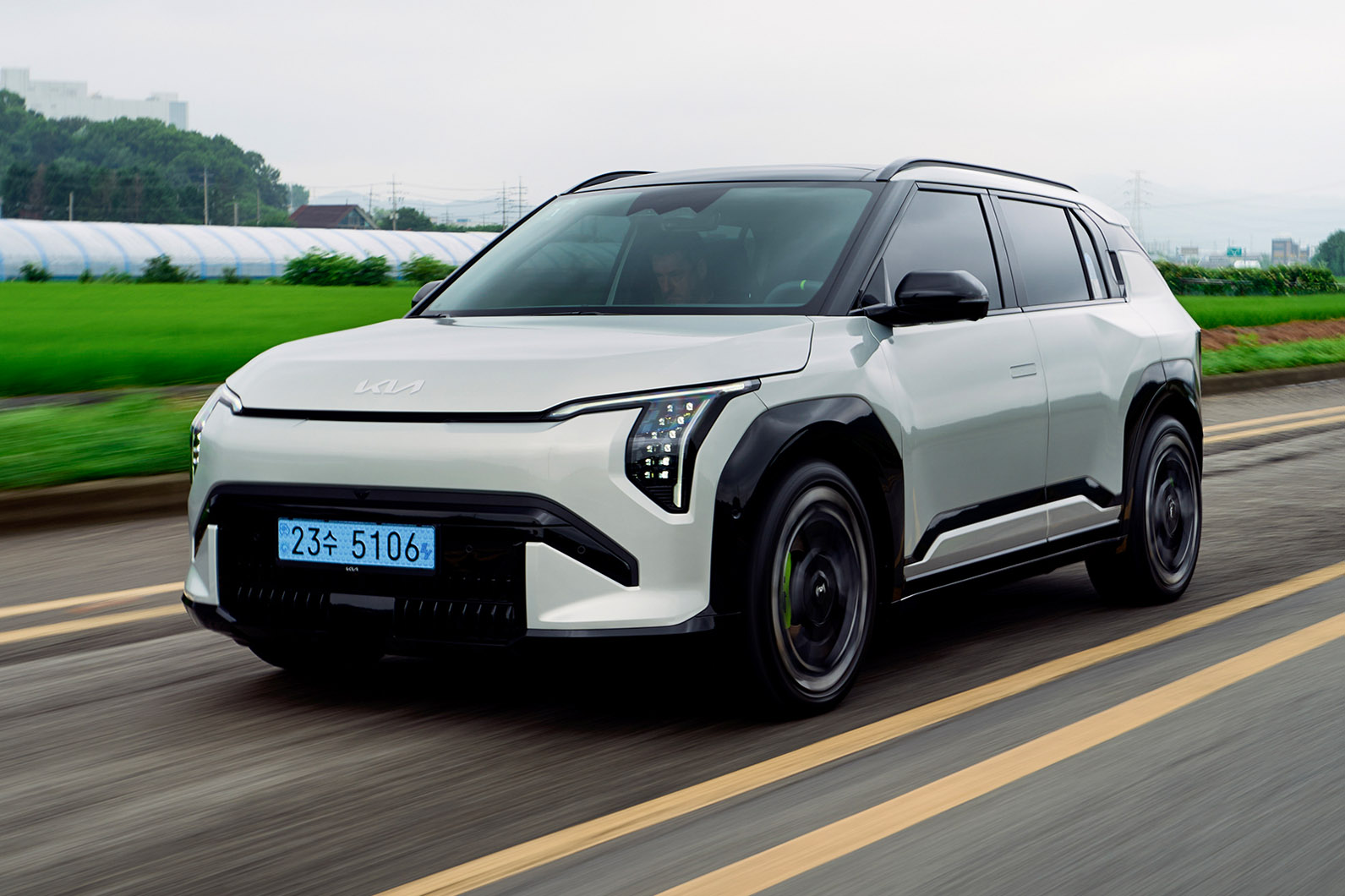
The Kia EV3 GT represents the latest evolution in Kia’s aggressive electrification strategy, positioning itself as a high-performance variant within the brand’s burgeoning dedicated electric vehicle lineup. As the automotive industry shifts toward sustainable mobility, Kia is seeking to prove that compact electric crossovers can deliver the same emotional engagement and driving dynamics traditionally associated with internal combustion engine (ICE) performance cars. Recent testing of pre-production prototypes in South Korea has provided a comprehensive look at the vehicle’s mechanical layout, digital innovations, and the specific refinements planned for its eventual arrival in the European market.
Engineering and Drivetrain Architecture
At the core of the Kia EV3 GT is the Hyundai Motor Group’s Electric Global Modular Platform (E-GMP), though it has been tailored to meet the cost and size requirements of the compact SUV segment. Unlike its larger siblings, the EV6 and EV9, which utilize an 800-volt hardware architecture, the EV3 utilizes a 400-volt system. This choice was made to balance performance with affordability, yet the GT trim pushes the limits of this configuration.
The powertrain configuration of the EV3 GT focuses on maximizing traction and delivery. However, early technical assessments reveal a notable absence of a mechanical or electronic limited-slip differential (LSD) at the front axle. Instead, Kia engineers have implemented a sophisticated torque-vectoring program. This system relies on a combination of physical friction braking and regenerative braking to manage torque distribution. By applying braking force to the inner wheel during cornering, the system helps the vehicle pivot, effectively mimicking the behavior of a traditional differential.
During testing on South Korean proving grounds, the system demonstrated high levels of competence in standard driving scenarios. Traction remained consistent, with no discernible evidence of axle-tramp or torque-steer—common issues in high-torque front-biased electric vehicles. Nevertheless, the limitations of a brake-based torque-vectoring system become apparent under extreme duress. When pushed into tight, technical bends, the EV3 GT can struggle with "scruffy" exits as the software attempts to manage the immediate torque delivery of the electric motors without the mechanical bite of a physical locking differential.
Dynamics and Handling Characteristics
The current tuning of the EV3 GT favors stability and momentum. It is a vehicle that excels in sweeping, high-speed corners where it can maintain a set line and utilize its low center of gravity—a byproduct of the floor-mounted battery pack. In its current pre-production state, the car is described as a "quietly enjoyable" and "quick" transport solution, though it currently lacks the multi-dimensional character found in dedicated sports cars.
Recognizing the specific demands of the European enthusiast market, Kia has confirmed a series of significant hardware and software revisions for European-specification models. These changes are designed to make the car feel more "alive" and communicative. Key updates include:
- Steering Weight and Feedback: Engineers are working to implement a more pronounced ramping up of steering weight as the cornering loads increase. This aims to provide the driver with a better sense of the front tires’ grip levels.
- Damper Recalibration: The suspension system will undergo a total overhaul for the European launch. The goal is to achieve closer body control, reducing vertical movements and ensuring the car remains composed over the undulating and often poorly surfaced "B-roads" characteristic of the United Kingdom and mainland Europe.
- Chassis Rigidity: While the E-GMP platform is inherently stiff, the GT model features additional bracing to ensure that the suspension components can work more effectively under high lateral loads.
Digital Innovation: The Virtual Gear Shift (VGS)
Perhaps the most controversial and talked-about feature of the Kia EV3 GT is the Virtual Gear Shift (VGS). This digital "trick" is designed to bridge the gap between the linear, often sterile acceleration of an EV and the visceral, stepped progression of an internal combustion engine.
The VGS system mimics the behavior of a six-speed dual-clutch transmission (DCT). When activated via the central touchscreen—which features high-resolution graphics, despite some noted latency in early test units—the car simulates the sensation of gear changes. This is not merely an auditory illusion; the system briefly interrupts torque delivery to create the "jolt" associated with a physical gear change.
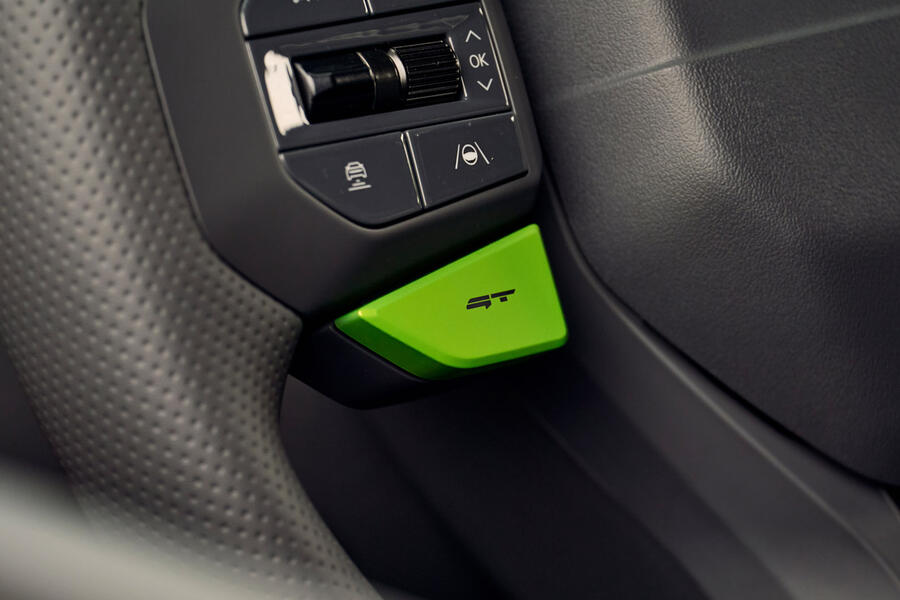
A prominent green "GT Mode" button on the steering wheel serves as the shortcut to this performance envelope. Once engaged, the VGS triggers automatically, accompanied by a synthesized four-cylinder turbocharged engine soundtrack that climbs through the "rev range." While purists may view such features as gimmicks, Kia’s data suggests a significant portion of the "EV-curious" performance market appreciates these haptic and auditory cues as they provide a familiar frame of reference for speed and acceleration.
Market Context and Competitive Landscape
The Kia EV3 GT enters a rapidly crowding segment of the market. Its primary competitors include the Volvo EX30, the Cupra Tavascan, and the high-performance versions of the Smart #1.
The EV3’s positioning is unique because it attempts to offer a "premium-lite" experience. While the standard EV3 focuses on range (targeting up to 372 miles on the WLTP cycle for the Long Range variant), the GT focuses on the "fun-to-drive" factor. The 81.4 kWh battery pack remains the centerpiece of the long-range and GT versions, providing enough energy density to support high-performance driving without severely compromising daily usability.
The development of the EV3 GT is overseen by Kia’s Technical Center, which continues to benefit from the legacy of Albert Biermann, the former BMW M engineering chief who transformed Hyundai and Kia’s performance credentials. The "GT" badge has become a significant sub-brand for Kia, following the success of the Stinger GT and the EV6 GT, the latter of which won the 2023 World Performance Car of the Year award.
Chronology of Development and Launch
The journey of the EV3 GT began shortly after the unveiling of the EV3 Concept in late 2023. The timeline for the vehicle’s rollout is as follows:
- Late 2023: Kia previews the EV3 design language, emphasizing the "Opposites United" philosophy.
- Early 2024: Prototype testing commences at the Namyang Research and Development Center in South Korea.
- Mid 2024: Standard EV3 models are launched in the Korean domestic market, followed by European previews.
- Late 2024/Early 2025: Final calibration of the European-spec GT model takes place, including testing at the Nürburgring Nordschleife.
- 2026: Expected official market launch of the EV3 GT in Europe and the United Kingdom.
Official Responses and Strategic Implications
While Kia executives have remained tight-lipped regarding the exact horsepower and torque figures for the GT, internal sources suggest the vehicle will significantly outpace the 201bhp found in the standard single-motor EV3. The move toward a dual-motor, all-wheel-drive setup for the GT is a logical inference, given the performance targets.
In statements regarding the brand’s direction, Kia’s leadership has emphasized that "GT" is no longer just about straight-line speed. It is about "driver confidence and engagement." By investing in regional-specific suspension and steering tunes, Kia is acknowledging that a one-size-fits-all approach is insufficient for the global enthusiast community.
The broader implications for the automotive industry are significant. As more manufacturers adopt "virtual" mechanical features like the VGS, the definition of "driving feel" is being rewritten. The EV3 GT serves as a test case for whether software can successfully replicate the soul of a mechanical machine.
Final Summary of Prospects
The Kia EV3 GT is a transitional vehicle in the best sense. It takes the practical, efficient foundations of a compact electric SUV and overlays them with a layer of digital and mechanical sophistication intended to appeal to the traditional petrolhead.
While the pre-production units tested in Korea revealed a car that was "one-dimensional" in certain limit-handling scenarios, the roadmap for European improvements suggests a much more focused and capable machine is on the horizon. With the addition of more communicative steering, tighter body control, and the theater of the Virtual Gear Shift, the EV3 GT is poised to be a formidable contender in the electric hot hatch and crossover segment when it arrives in 2026. The success of this model will likely determine how Kia applies the GT treatment to future, even smaller models in its "Plan S" electrification strategy.