The move marks a pivotal moment in the ongoing "infotainment wars" between global automakers and Silicon Valley tech giants. By choosing to bake Apple Maps into the core of its vehicle software, Ford is positioning itself as a consumer-centric alternative to competitors like General Motors, which recently made the controversial decision to phase out Apple CarPlay and Android Auto in favor of a proprietary Google-based system. Ford’s approach ensures that the navigation experience is deeply intertwined with the vehicle’s mechanical and electrical systems, offering a level of functionality that traditional projection-based systems cannot match.
Technical Integration and Universal Accessibility
Unlike current iterations of Apple CarPlay, which require an iPhone to be tethered to the vehicle via USB or Bluetooth to project an interface onto the dashboard, Ford’s native integration allows the software to run independently on the vehicle’s internal processor. This architectural change has profound implications for the user experience. Most notably, the features of Apple Maps will be available to all drivers of these next-generation Ford EVs, regardless of whether they own an iPhone or an Android device.
By making Apple Maps the default native navigation provider, Ford is leveraging Apple’s massive investment in geospatial data and user interface design. The native system will include high-resolution 3D mapping, real-time traffic updates, and advanced search capabilities. However, the most critical advantages for EV owners lie in the "handshake" between the software and the vehicle’s battery management system (BMS).
Because the navigation system is native, it has real-time access to the vehicle’s state of charge, energy consumption rates, and ambient temperature data. This allows for sophisticated EV route planning that can automatically identify charging stops based on the vehicle’s current range and the availability of fast chargers along the route. Furthermore, the system can initiate battery preconditioning—a process that optimizes the battery’s temperature for faster charging—as the vehicle approaches a designated charging station. This level of hardware-software synergy was previously difficult to achieve through standard smartphone projection.
Enhancing BlueCruise with High-Definition Mapping Data
Beyond navigation and energy management, Ford has confirmed that the native integration of Apple Maps will play a vital role in the evolution of its BlueCruise hands-free driving technology. BlueCruise, which currently allows for hands-free operation on pre-mapped sections of divided highways, relies heavily on precise location data and road geometry to maintain safety and lane positioning.
Ford engineers intend to utilize Apple’s detailed road-level data to enhance the "on-ramp to off-ramp" capabilities of BlueCruise. By integrating Apple’s high-definition mapping directly into the autonomous driving stack, the vehicle can better anticipate upcoming curves, lane merges, and exit ramps. This data provides a secondary layer of verification for the vehicle’s camera and radar sensors, increasing the system’s reliability in complex driving environments. The goal is to create a seamless transition between human-controlled and computer-assisted driving, reducing driver fatigue during long-distance travel.
The Universal Electric Vehicle Platform: A Strategic Pivot
The decision to launch this new software experience on the Universal Electric Vehicle (UEV) platform highlights Ford’s broader strategy to regain footing in the competitive EV market. Following a period of fluctuating demand for premium electric models, Ford CEO Jim Farley has redirected the company’s focus toward a "skunkworks" team in California tasked with developing a low-cost EV architecture.
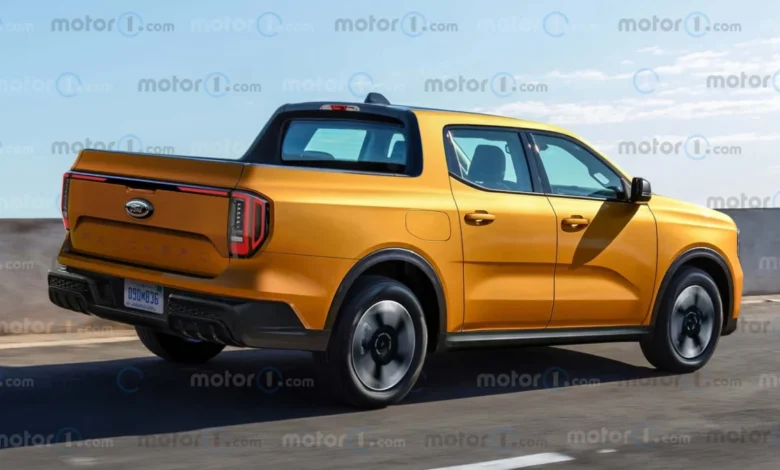
The UEV platform is designed to be exceptionally efficient and inexpensive to produce, allowing Ford to compete with both domestic rivals and emerging Chinese manufacturers. The 2027 mid-size pickup truck, which will be the first to feature the native Apple Maps system, is the cornerstone of this strategy. At a $30,000 price point, Ford aims to capture the "heart of the market," appealing to fleet buyers and everyday consumers who have found current EV offerings to be prohibitively expensive.
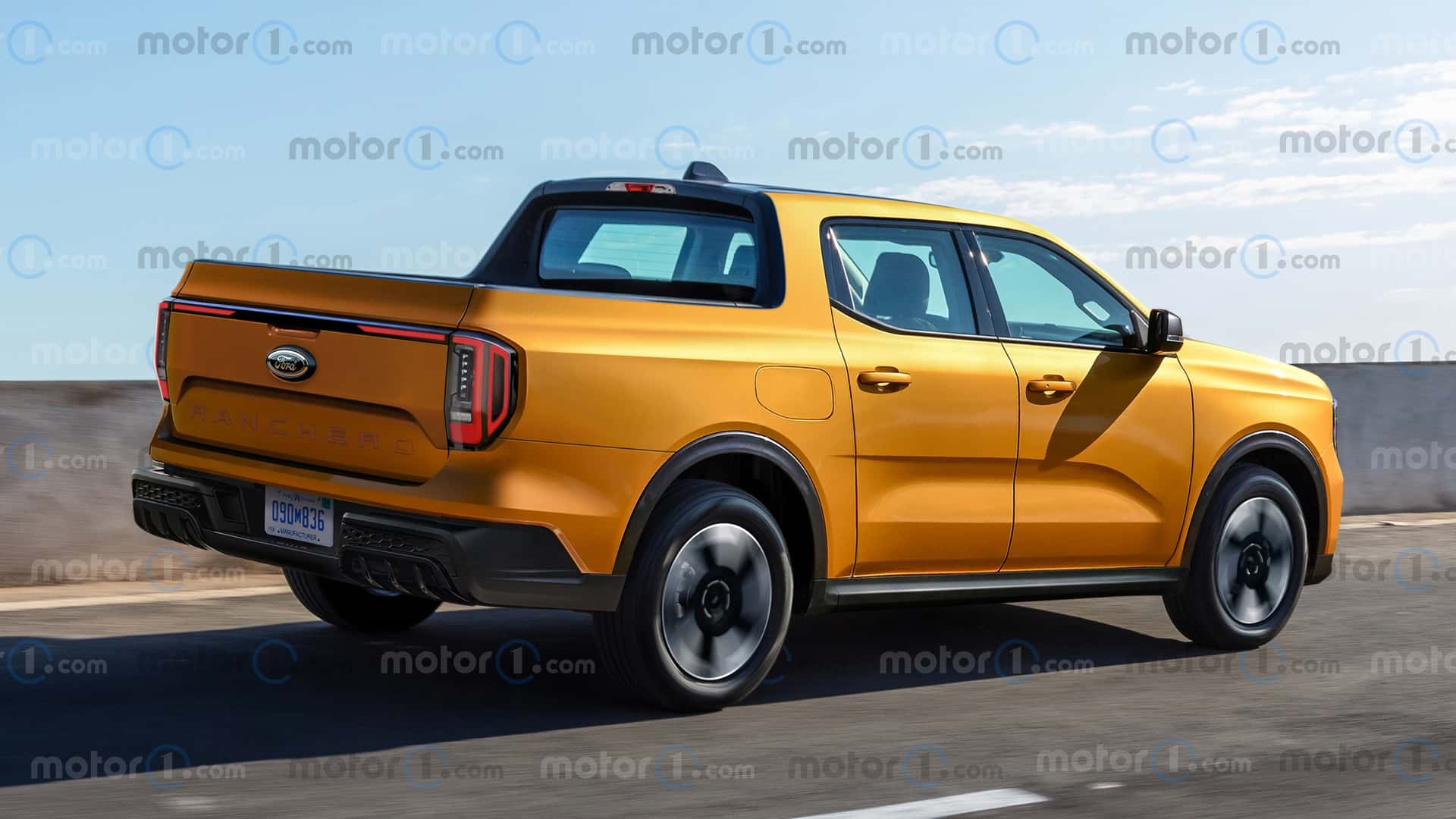
The integration of high-end software like Apple Maps is seen as a way to provide a premium feel in an affordable vehicle. By partnering with Apple rather than building a navigation system from scratch, Ford can allocate more resources toward battery technology and manufacturing efficiency while still delivering a best-in-class digital experience.
Competitive Landscape: The Great Infotainment Divide
Ford’s announcement places it in direct opposition to the software strategies of several other major automakers. The industry is currently divided into three distinct camps regarding cockpit software:
- The Proprietary Camp (Tesla and Rivian): These manufacturers maintain total control over their software ecosystems. They do not support Apple CarPlay or Android Auto, forcing users to interact solely with their in-house developed maps and media interfaces.
- The Google Built-in Camp (General Motors and Volvo/Polestar): These brands have partnered with Google to use Android Automotive OS as their base layer, often removing smartphone mirroring features to encourage the use of native Google apps and subscription services.
- The Hybrid Camp (Ford): Ford is pursuing a path that maintains support for smartphone mirroring (CarPlay and Android Auto) while simultaneously offering a native, high-performance Apple Maps experience for the vehicle’s core functions.
Industry analysts suggest that Ford’s approach may be the most consumer-friendly. Market research consistently shows that a majority of car buyers consider Apple CarPlay or Android Auto a "must-have" feature. By offering a native Apple experience that works for everyone, Ford avoids the backlash faced by General Motors while gaining the technical benefits of a native system.
Chronology of the Ford-Apple Relationship
The relationship between Ford and Apple has evolved significantly over the last decade. In the early 2010s, Ford was focused on its proprietary "SYNC" system, developed in partnership with Microsoft. However, as the smartphone revolution took hold, Ford became one of the first major automakers to embrace Apple CarPlay in 2016.
- 2016: Ford adds Apple CarPlay and Android Auto support to all models equipped with SYNC 3.
- 2021: Ford introduces SYNC 4, allowing for wireless CarPlay and deeper integration with digital instrument clusters.
- 2023: Ford CEO Jim Farley publicly reaffirms the company’s commitment to Apple and Google software, contrasting Ford’s stance with that of General Motors.
- 2024: Ford begins rolling out enhanced EV routing for Apple Maps in the Mustang Mach-E and F-150 Lightning.
- 2025-2026: Development phase for the UEV platform and native Apple Maps integration.
- 2027: Launch of the first UEV-based mid-size pickup with native Apple Maps.
Broader Implications for the Automotive Industry
Ford’s deep integration with Apple could signal a shift in how tech companies participate in the automotive sector. While "Project Titan"—Apple’s long-rumored internal car project—was reportedly canceled or scaled back, the company’s influence on the driving experience is expanding through software partnerships.
For Apple, this native integration provides a massive influx of real-world driving data (anonymized) and further cements the iPhone ecosystem in the lives of consumers. For Ford, it provides a solution to the "software-defined vehicle" challenge without the immense cost of maintaining a global mapping infrastructure.
The success of the 2027 pickup will likely determine if other automakers follow suit. If consumers respond positively to a vehicle that offers Apple’s polished interface with the deep mechanical integration of a native system, it could force a re-evaluation of the "walled garden" approach currently favored by Tesla and GM.
As the 2027 launch approaches, Ford is expected to provide further details on how the native Apple Maps system will handle data privacy and whether additional Apple services, such as Apple Music or Apple Podcasts, will also receive native, non-CarPlay integration. For now, the message from Dearborn is clear: Ford believes the future of the electric vehicle is not just about the battery and the motor, but about the software that guides the journey.