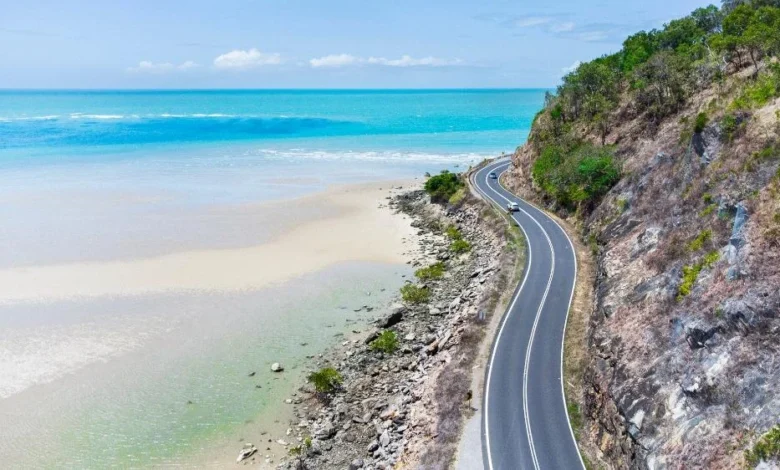
The relationship between human physiological health and the proximity to marine environments has transitioned from anecdotal wisdom to a rigorous field of scientific inquiry. For centuries, physicians prescribed "sea air" as a remedy for respiratory and nervous ailments; today, researchers categorized under the "Blue Mind" movement are quantifying these benefits through neurological and cardiovascular data. However, as global tourism scales toward pre-pandemic heights, the very ecosystems providing these health benefits face unprecedented degradation. The challenge for the modern traveler lies in reconciling the personal need for restorative "blue space" with the urgent necessity of marine conservation.
The Science of Blue Spaces: Quantifying the Restorative Effect
The term "blue space" refers to outdoor environments—whether natural or manmade—that prominently feature water. While "green spaces" like parks and forests have long been recognized for their health benefits, recent longitudinal studies suggest that coastal environments may offer even more profound psychological advantages.
Data from the European Union’s "BlueHealth" project, which surveyed over 18,000 people across 18 countries, consistently found that individuals living near the coast or visiting it frequently reported higher levels of subjective wellbeing. The physiological mechanisms are multifaceted. Exposure to the rhythmic sound of breaking waves—typically occurring at a frequency of 12 cycles per minute—has been shown to synchronize with human breathing patterns during sleep, promoting deeper REM cycles. Furthermore, the visual "soft fascination" provided by the ocean’s horizon reduces the cognitive load on the prefrontal cortex, the area of the brain responsible for executive function and stress management.
Physical health benefits are equally measurable. Coastal air is often rich in negative ions, which are thought to improve oxygen absorption and balance levels of serotonin. The opportunity for low-impact resistance training through swimming and wading provides cardiovascular benefits without the joint stress associated with urban exercise environments. For many, a coastal retreat acts as a "biological reset," correcting circadian rhythms disrupted by artificial light and sedentary lifestyles.
The Environmental Paradox: The Toll of Coastal Tourism
Despite the healing properties of the ocean, the infrastructure of global tourism often acts as a catalyst for environmental decline. Coastal zones are among the most productive but also the most threatened ecosystems on Earth. According to United Nations Environment Programme (UNEP) data, approximately 80% of all tourism takes place in coastal areas, putting immense pressure on fragile biodiversity.
The "3S" model of tourism—Sun, Sand, and Sea—has historically prioritized high-density development. Hotels built directly on the shoreline often result in the destruction of mangroves and salt marshes, which serve as natural carbon sinks and buffers against storm surges. Furthermore, the concentration of travelers leads to significant waste management failures. It is estimated that up to 8 million metric tons of plastic enter the ocean annually, with a substantial portion originating from coastal hospitality sectors and recreational activities.
Water quality remains a critical concern. In many developing tourism hubs, inadequate sewage treatment leads to the discharge of nitrogen and phosphorus into bays, triggering harmful algal blooms that deplete oxygen levels and kill local fish populations. Additionally, the rise of "forever chemicals" (PFAS) and synthetic UV filters from sunscreens has created a toxic environment for coral reefs. Research indicates that oxybenzone, a common ingredient in chemical sunscreens, causes coral bleaching even at incredibly low concentrations—equivalent to one drop in six and a half Olympic-sized swimming pools.
A Chronology of Coastal Conservation and Tourism
The shift toward sustainable coastal travel has evolved through several distinct phases over the last century:
- 1850s–1950s: The Therapeutic Era. Coastal travel was largely medicinal, centered around "spa towns" and sanatoriums in Europe and North America. Impact was low due to limited accessibility.
- 1960s–1990s: Mass Tourism and Degradation. The advent of commercial aviation led to the "resort boom." Rapid construction in the Mediterranean, the Caribbean, and Southeast Asia caused significant habitat loss.
- 2000s–2015: The Rise of "Ecotourism." Awareness of coral bleaching and plastic pollution began to influence traveler behavior. Certification programs for "Green Hotels" emerged, though "greenwashing" remained prevalent.
- 2016–Present: Regenerative Travel. The focus has shifted from merely "doing no harm" to actively improving the ecosystem. This era is defined by carbon-neutral resorts, reforestation projects, and the integration of citizen science into the travel experience.
The Costa Rican Model: A Case Study in National Recovery
Costa Rica serves as a global benchmark for how a nation can leverage coastal tourism to fund environmental restoration. In the 1980s, the country had one of the highest deforestation rates in Latin America. Today, through a combination of aggressive policy and eco-conscious travel, it has reversed this trend.
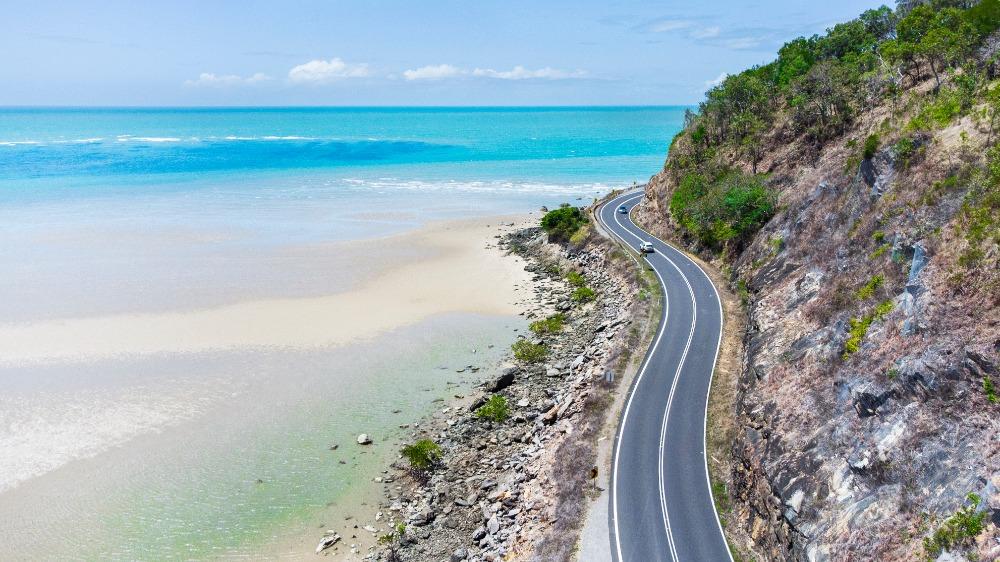
The Costa Rican government implemented the "Payment for Environmental Services" (PSA) program, which uses tax revenue from fuel and water services to pay landowners to protect forests rather than clear them for cattle ranching. This policy has allowed forest cover to grow from 26% in 1983 to over 57% today. For the coastal traveler, this means that Pacific and Caribbean shorelines are now backed by primary and secondary rainforests rather than concrete walls.
Furthermore, Costa Rica’s energy grid is a marvel of modern engineering, consistently generating over 98% of its electricity from renewable sources (hydroelectric, geothermal, wind, and solar). This allows high-end coastal resorts and budget hostels alike to operate with a carbon footprint significantly lower than their counterparts in North America or Europe. The national philosophy of "Pura Vida" (Pure Life) is not merely a slogan but a socio-economic framework that prioritizes the health of the landscape as the primary asset of the national economy.
Strategies for Low-Impact and Regenerative Travel
Transitioning to sustainable coastal travel requires a shift in consumer behavior and a more rigorous vetting process for service providers. Industry analysts suggest that the "scale of operation" is often the most reliable indicator of environmental impact. Smaller, boutique operations typically have a higher vested interest in the long-term health of their specific stretch of coastline.
Selecting Accommodations
Travelers are encouraged to look beyond marketing brochures and ask specific questions regarding wastewater treatment. Properties that utilize bio-digesters or greywater recycling systems prevent nutrient runoff from reaching the sea. Furthermore, all-inclusive models, while often criticized for waste, can be sustainable if they utilize "farm-to-table" sourcing and centralized transport. In Costa Rica, operations like Kalon Surf demonstrate this by hosting small groups in a controlled environment, which reduces the traffic on local beaches and ensures that food waste is managed through on-site composting.
Personal Habits and Chemical Management
The choice of personal care products is perhaps the most direct way a traveler impacts the water. Mineral-based sunscreens using non-nano zinc oxide or titanium dioxide provide a physical barrier against UV rays without the hormonal disruptors found in chemical alternatives. Beyond sunscreen, travelers should be mindful of "hitchhiking" species; rinsing surfboards, kayaks, and diving gear in fresh water between locations prevents the spread of invasive microorganisms from one bay to another.
Supporting Local Economies
True sustainability includes a socio-economic component. Coastal communities are often vulnerable to the "leakage" effect, where profits from tourism are siphoned off by international corporations. Choosing locally owned tour operators and dining at independent establishments ensures that the economic benefits of tourism provide the financial stability necessary for local communities to resist destructive industries like industrial fishing or offshore drilling.
The Broader Impact: Linking Ocean Health to Global Stability
The implications of coastal travel extend far beyond individual wellbeing. The ocean regulates the global climate, produces over half of the world’s oxygen, and provides the primary source of protein for more than a billion people. When travelers choose to protect the coast, they are participating in a global effort to maintain planetary stability.
Experts in marine policy argue that the "Blue Economy" must be managed as a finite resource. If coastal destinations are allowed to collapse under the weight of unsustainable tourism, the resulting loss of natural storm defenses and food security will create economic crises that far outweigh the short-term gains of the travel industry.
The emergence of "citizen science" within coastal travel is a promising trend. Many resorts now offer guests the opportunity to participate in coral planting, turtle nesting patrols, or plastic collection drives. This transforms the traveler from a passive consumer of a landscape into an active steward of it. The psychological benefit of this "pro-environmental behavior" is a secondary health boost, providing a sense of purpose and "biophilia"—the innate human tendency to seek connections with nature and other forms of life.
Conclusion: Meeting the Sea Halfway
A successful coastal journey is one characterized by a reciprocal relationship. The ocean provides the neurological calm, physical restoration, and aesthetic beauty required to combat the stresses of modern life. In return, the traveler must provide the protection and respect necessary for that ecosystem to function.
By selecting low-impact operators, adhering to strict wildlife boundaries, and reducing chemical and plastic footprints, the modern traveler ensures that the "blue spaces" of the world remain resilient. The habits formed on the coast—mindfulness of water use, awareness of chemical runoff, and a preference for local sourcing—are easily transferable to daily life. Ultimately, the preservation of the ocean is the preservation of human health; the two are inextricably linked by the very water that sustains both.
Related posts: