Hajra Arbab and the Architecture of Creative Sustainability: Bridging the Gap for South Asian Artists and Global Media Infrastructure

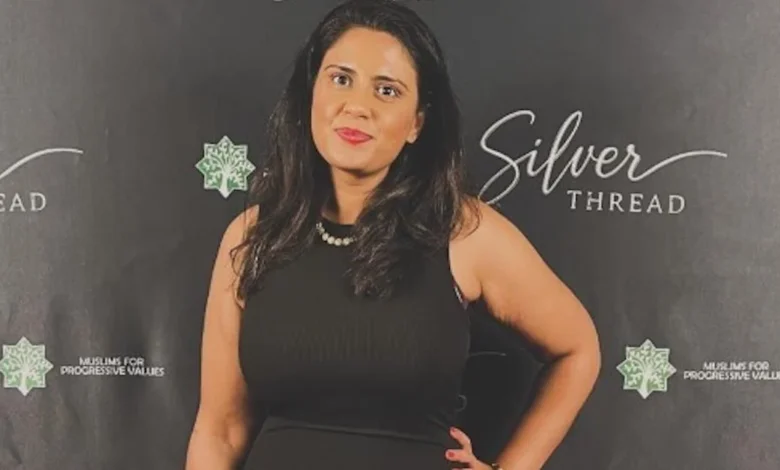
The trajectory of a creative career often faces its greatest risks not from a lack of talent, but from a lack of institutional support, a reality that media executive and producer Hajra Arbab has made the centerpiece of her professional mission. In the modern entertainment landscape, where the gap between raw ability and professional visibility remains vast, Arbab has emerged as a pivotal figure working across the spectrum of the industry. From her high-level role in media operations at Warner Bros. Discovery to her leadership at The Colony Lahore and Dominion Gallery, Arbab is constructing a new framework for creative sustainability. This framework is designed to ensure that storytellers, particularly those from underrepresented South Asian backgrounds, possess the tools, spaces, and networks required to navigate an increasingly complex global market.
The Multi-Dimensional Approach to Media Leadership
Arbab’s career is defined by a unique duality: she operates at the summit of global corporate media while simultaneously nurturing the grassroots foundations of the arts in Pakistan. At Warner Bros. Discovery, she manages the intricate pipelines that move film and television content toward streaming platforms and digital retailers. This role provides her with a macro-view of the industry, understanding the technical and commercial requirements that a project must meet to achieve global distribution.
However, Arbab recognizes that the "top-down" model of the entertainment industry often overlooks the "bottom-up" needs of emerging artists. To address this, she serves as the Managing Director of The Colony Lahore, a creative arts organization that has become a cornerstone of the Pakistani cultural scene. The Colony is not merely a venue; it is an incubator for actors, filmmakers, and visual artists. By providing training, rehearsal spaces, and production opportunities, Arbab is addressing a critical void in regions where formal arts education and professional development pathways are often limited or inaccessible.
The Colony Lahore: Building Cultural Infrastructure
The necessity of organizations like The Colony Lahore cannot be overstated when examining the current state of the Pakistani creative economy. While Pakistan has seen a resurgence in its film industry over the last decade—marked by international successes such as "Joyland" and "The Legend of Maula Jatt"—the infrastructure to support a steady stream of new talent remains in its infancy.
Arbab’s work through The Colony focuses on the "beginning of the creative process." She asserts that artists require more than just a moment of inspiration; they need a community that allows for experimentation and failure. In a professional environment where one mistake can end a career, The Colony provides a "safe-to-fail" ecosystem. This includes workshops that bridge the gap between amateur passion and professional discipline, mentorship programs that connect veterans with novices, and a collaborative environment where cross-disciplinary projects can flourish.
By formalizing these processes, Arbab is helping to professionalize the local arts scene. This professionalization is a prerequisite for creative sustainability, as it transforms the arts from a hobbyist pursuit into a viable, long-term career path.
Dominion Gallery and the Visual Arts Ecosystem
Parallel to her work in performing arts and film, Arbab leads Dominion Gallery. This initiative extends her mission into the realm of contemporary visual arts. In many emerging markets, visual artists struggle with visibility and the commercial aspects of their craft. Dominion Gallery serves as a platform for contemporary artists to showcase their work, but more importantly, it creates a space for critical discourse.
The gallery’s role is essential in establishing a local market for art that is valued on its own terms. Arbab’s strategy involves creating opportunities within Pakistan’s creative community while also looking outward. By fostering a culture where art is discussed, valued, and documented, she is ensuring that the visual history of the region is preserved and expanded by new voices. This holistic view—that film, performance, and visual art are interconnected parts of a single cultural ecosystem—is central to her leadership philosophy.
Mentorship and the Women in Exhibition Program
A significant milestone in Arbab’s career is her selection as a mentor for the Women in Exhibition 2026-2027 mentorship program. This role highlights her commitment to gender equity and professional guidance within the industry. Mentorship in the media and exhibition sectors is often the deciding factor in whether a professional can navigate the "glass ceilings" and systemic barriers inherent in the business.
The exhibition sector, which includes cinema owners, film festivals, and distribution networks, has historically been a male-dominated field. Arbab’s involvement in the 2026-2027 program signals a shift toward a more inclusive future. Her approach to mentorship is practical rather than purely aspirational. She focuses on helping mentees understand the "rules of the game"—industry standards, negotiation tactics, and network building—that are rarely taught in traditional settings.
"I care about the doors that stay open after I walk through them," Arbab has noted, emphasizing that individual success is secondary to the creation of pathways for others. This sentiment reflects a growing trend in the global media industry where established leaders are increasingly held accountable for the diversity and resilience of the talent pipelines they oversee.
Chronology of Impact: A Global and Local Timeline
To understand Arbab’s current influence, one must look at the timeline of her professional evolution. Her journey from Pakistan to the United States required the manual construction of a professional network in an unfamiliar and highly competitive environment.
- Early Career: Developing a foundation in media and production, recognizing the lack of structured support for South Asian narratives.
- Expansion into Media Operations: Joining major global entities like Warner Bros. Discovery, where she mastered the logistics of digital distribution and streaming—the "engines" of modern media.
- The Founding/Growth of The Colony Lahore: Transitioning into a leadership role that allowed her to apply global standards to local Pakistani talent.
- Independent Production: Producing films that prioritize underrepresented stories, ensuring they meet the technical and narrative standards required for international film festivals and streaming platforms.
- 2026-2027 Mentorship: Her upcoming tenure as a mentor for Women in Exhibition, marking her status as a global thought leader in media diversity.
This chronology demonstrates a deliberate move from learning the systems of power to sharing that power with emerging creators.
Fact-Based Analysis: The Importance of South Asian Narratives
The global demand for diverse content has never been higher. According to industry data, streaming platforms have seen a significant increase in the consumption of "non-English" and "international" content, with South Asian stories representing a massive, yet often under-tapped, demographic. However, a recurring issue in the industry is the "simplification" or "westernization" of these stories to make them "palatable" for a global audience.
Arbab’s work as a producer and advocate is a direct challenge to this trend. She argues that South Asian stories do not need to be made smaller to matter globally; they need the logistical and financial support to be told in their full complexity. By leveraging her knowledge of media operations, she can ensure that these films are produced with the high technical standards necessary for global platforms like Max, Netflix, or Amazon Prime, without compromising their cultural authenticity.
This is the essence of "cultural infrastructure." It is the combination of creative freedom and technical excellence. When these two elements meet, local stories can travel the world as "cultural exports," contributing to both the economy and the global perception of the region.
Implications for the Future of Global Entertainment
As Hajra Arbab continues to expand her influence, the implications for the broader entertainment industry are significant. Her model of "creative sustainability" suggests that the future of media lies in decentralized hubs of excellence. By strengthening institutions in Lahore, she is contributing to a world where Hollywood is not the only center of gravity for storytelling.
The success of her initiatives will likely be measured by the "persistence" of the artists she supports. In an industry known for its high turnover and burnout rates, the presence of a supportive community can extend a career by years, allowing a creator the time to truly master their craft.
Arbab’s vision for the future is one where opportunity is not a matter of luck, but a matter of access. Through her work at Warner Bros. Discovery, The Colony Lahore, and Dominion Gallery, she is not just producing content; she is building the machinery that will allow the next generation of storytellers to stand on their own. For Hajra Arbab, the ultimate product of the entertainment industry is not the film on the screen, but the empowered community of people who made it possible.