NASA Nancy Grace Roman Space Telescope Mission Extended to Two Decades Following Exceptional Launch Performance

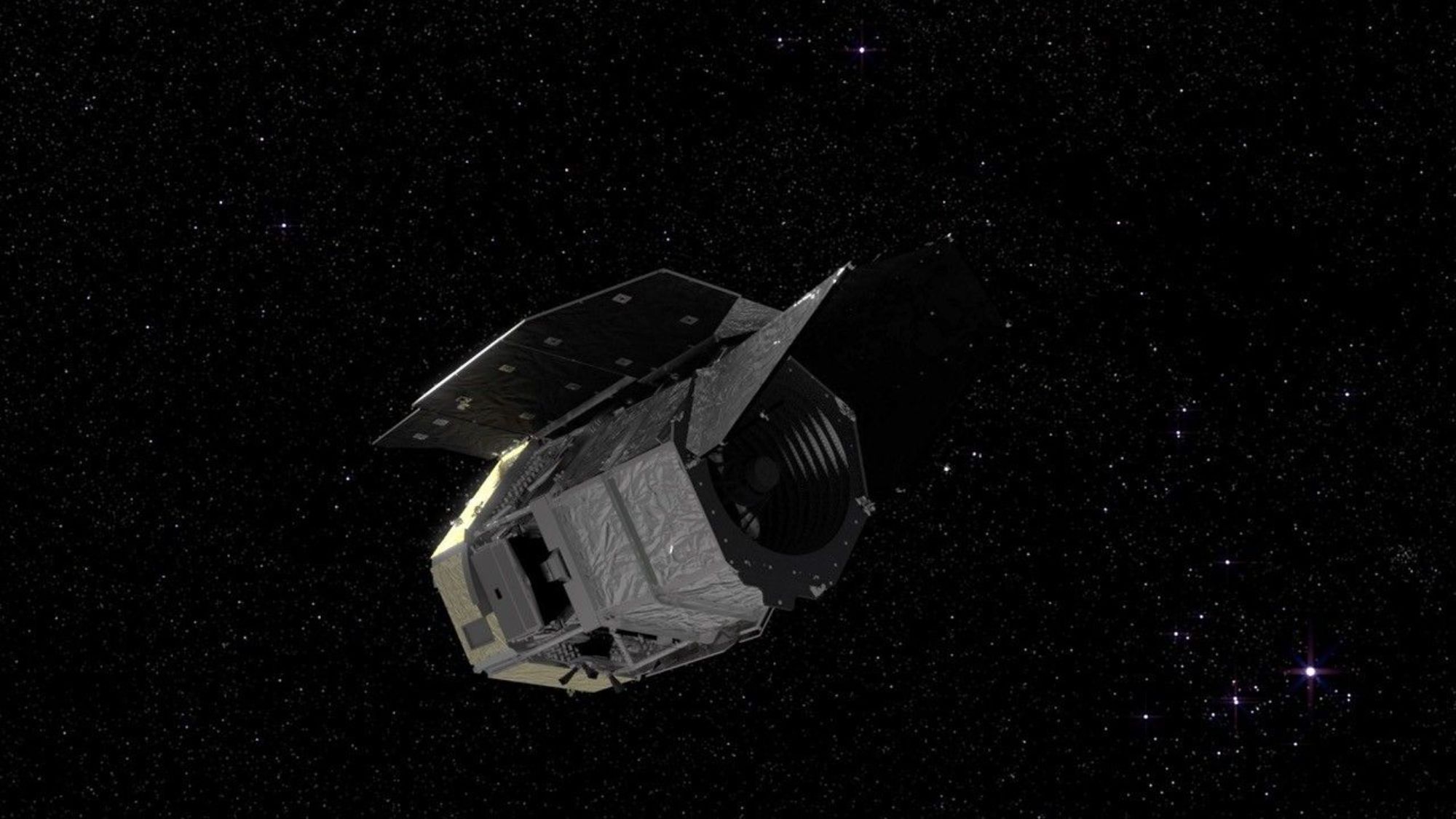
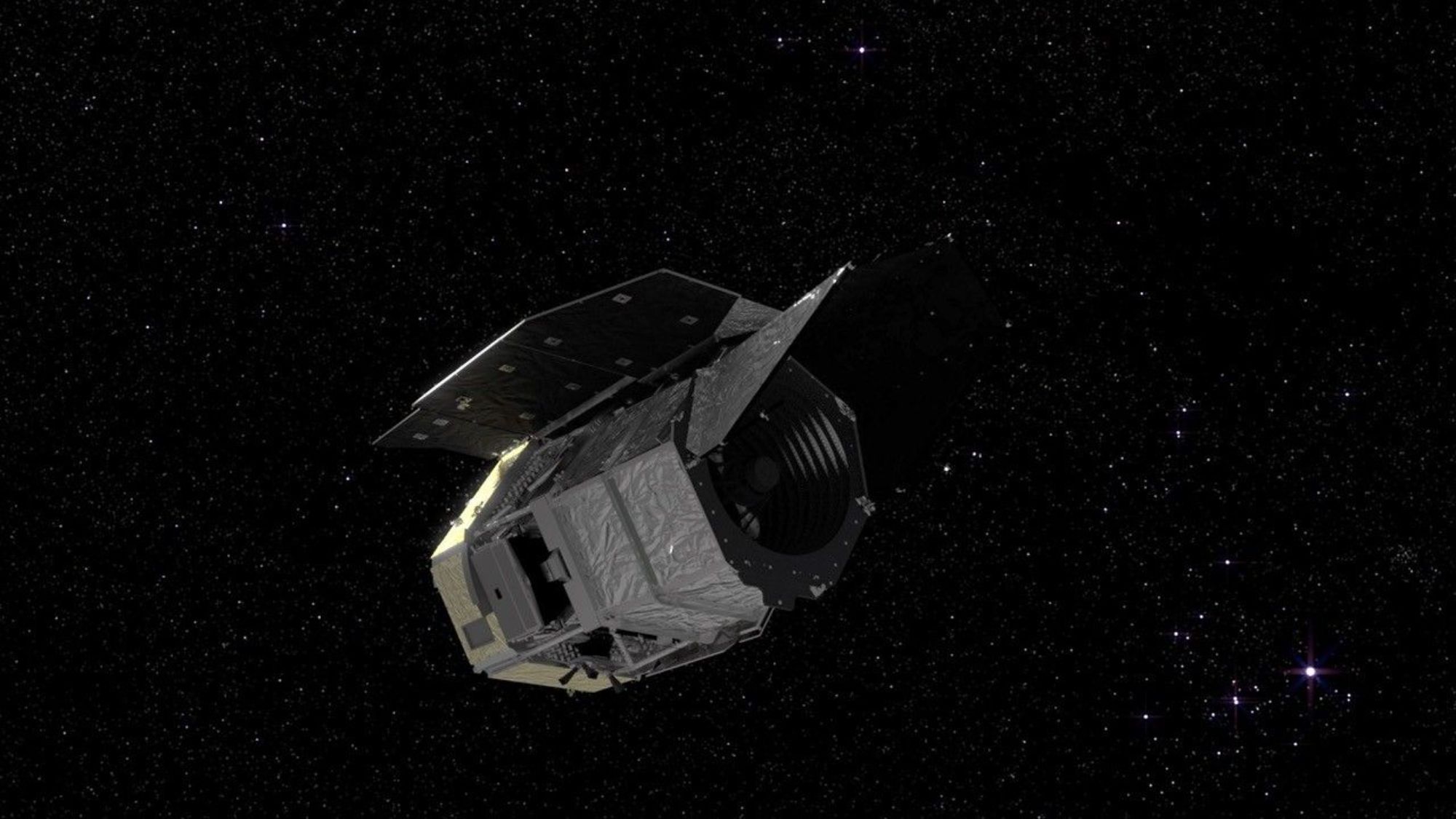
The Nancy Grace Roman Space Telescope, NASA’s flagship observatory for investigating the mysteries of dark energy and the vast population of exoplanets, has secured an unprecedented operational future. Following a flawless launch on August 30 and a series of highly efficient orbital maneuvers, mission controllers at NASA’s Goddard Space Flight Center have confirmed that the spacecraft possesses enough propellant to sustain scientific operations for at least 22 years. This remarkable development effectively doubles the mission’s original design expectations, ensuring that the telescope will remain at the forefront of astrophysical research well into the late 2040s.
The extension is the result of a "perfect storm" of engineering precision and prudent pre-launch planning. By capitalizing on the telescope’s lower-than-anticipated launch mass and executing high-fidelity trajectory corrections, NASA has essentially granted the scientific community an extra decade of observation time.
A Legacy of Precision: The Road to L2
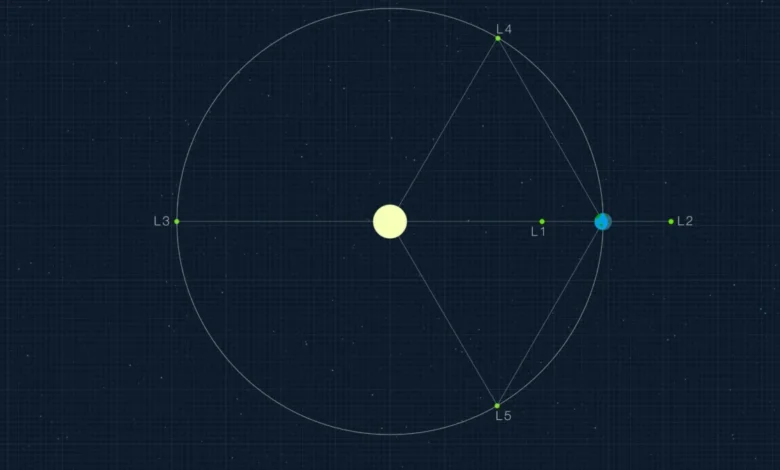
The Nancy Grace Roman Space Telescope is currently traversing the deep-space environment toward the second Lagrange point (L2), a gravitationally stable location situated approximately 1.5 million kilometers (about 1 million miles) from Earth. This location is shared by other premier observatories, most notably the James Webb Space Telescope (JWST). Unlike low-Earth orbit satellites, which are subject to atmospheric drag and frequent orbital decay, L2 provides a thermally stable, unobstructed vantage point ideal for long-term deep-field observations.
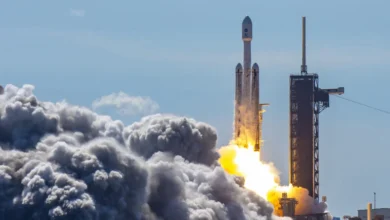
The journey began with a picture-perfect lift-off from Cape Canaveral. However, the true test of the mission’s longevity occurred in the immediate hours following separation from the launch vehicle. The spacecraft’s propulsion system, designed to facilitate crucial course corrections, performed with such extreme accuracy that the initial trajectory insertion required only a fraction of the fuel reserve.
Engineering Triumphs: Mass and Propellant Efficiency
The narrative of this extended mission is rooted in the meticulous nature of spacecraft architecture. During the multi-year development phase, NASA engineers must calculate "propellant margins"—a safety buffer that accounts for the maximum allowable weight of the observatory.
"A spacecraft’s mass changes throughout the design and build process, so we base the propellant on a set maximum value so we won’t come up short," explained Alison Rao, who leads the Roman mission’s propulsion systems team at NASA Goddard.
The original design parameters accounted for a maximum mass of 21,605 pounds (9,800 kilograms). However, as the final integration and testing phases concluded, the actual mass of the Roman telescope was measured at 17,760 pounds (8,065 kilograms). This significant delta—nearly 4,000 pounds lighter than the projected ceiling—allowed mission planners to fill the propellant tanks to their maximum structural capacity rather than just the amount required for a 10-year mission.
By topping off the tanks, the team increased the baseline operational potential to 14 years. The subsequent, highly precise engine burn required to set the spacecraft on its L2 trajectory consumed only 40 pounds of fuel—less than 10% of the 441 pounds (200 kilograms) originally budgeted for the maneuver. This efficiency alone added an estimated four years to the mission’s lifespan, bringing the total to 18 years.
The Cumulative Effect of Orbital Accuracy
The efficiency does not stop there. The precision of the initial trajectory correction has a compounding effect on future fuel requirements. Because the telescope is currently on an almost perfect path to its destination, the secondary course correction maneuver, scheduled for early December to lock the observatory into its final halo orbit at L2, will now be significantly less demanding than anticipated.
Once stationed at L2, the telescope will require only minor "station-keeping" maneuvers—small, periodic thruster firings—every 28 days to maintain its position. The savings realized from the initial launch and the upcoming December maneuver are expected to contribute a final four years of operational potential, pushing the total mission expectancy to 22 years. This trajectory suggests that if the hardware maintains its integrity, the Roman telescope could remain active until at least 2048.
Scientific Implications of a Long-Duration Mission
The extension of the Roman Space Telescope’s mission is not merely a logistical win; it is a major victory for modern cosmology. The telescope is specifically engineered to survey the infrared sky with a field of view 100 times greater than that of the Hubble Space Telescope, while maintaining comparable resolution.
With 22 years of operational time, the scientific community can transition from a "survey" mindset to a "long-term monitoring" mindset. Key scientific objectives include:
- Dark Energy Mapping: Roman is designed to map the expansion history of the universe. A longer mission duration allows for deeper, more comprehensive surveys of galaxy clustering and weak gravitational lensing, providing tighter constraints on the nature of dark energy.
- Exoplanetary Census: The telescope’s microlensing surveys will be able to detect thousands of exoplanets, including those in the outer reaches of planetary systems—a region currently difficult to probe. A 22-year window allows for the observation of multiple orbital cycles for planets with long-period orbits, offering a more complete picture of planetary demographics in the Milky Way.
- High-Latitude Deep Fields: The extra time allows for the accumulation of significantly more photons from the most distant reaches of the universe, enabling researchers to observe the evolution of galaxies over a much larger slice of cosmic time.
Broader Context and Agency Response
NASA Goddard Center Director Jamie Dunn hailed the achievement as a testament to the interdisciplinary cooperation required for deep-space exploration. "As a result of exquisite planning by our orbital dynamics team, brilliant execution by the operations team, and a precise launch from SpaceX, Roman has fuel for at least 22 years of potential science operations," Dunn stated.
The implications for the broader aerospace industry are equally significant. This mission demonstrates the importance of "mass-optimization" in the era of high-cost, high-stakes space exploration. By maintaining a conservative propellant budget and achieving high-accuracy orbital insertion, NASA has minimized the risk of a "fuel-limited" retirement, which has historically been the primary cause of mission termination for orbiting observatories.
Looking Toward the Future
As the Nancy Grace Roman Space Telescope continues its transit, the global scientific community is preparing for a new era of discovery. While the five-year primary mission remains the core benchmark for success, the possibility of two full decades of data fundamentally alters the long-term strategic planning for observatories worldwide.
The longevity of the mission also provides a buffer against unforeseen technical challenges. Space is an unforgiving environment; cosmic rays, micro-meteoroid impacts, and component degradation are inevitable. Having a massive fuel reserve does not just mean "more time"—it means the mission team has the flexibility to perform complex orbital maneuvers, re-orient the telescope for unexpected targets of opportunity, or extend surveys to greater depths without fear of depleting the lifeblood of the spacecraft.
In summary, the Nancy Grace Roman Space Telescope has effectively evolved from a short-to-medium-term asset into a generational observatory. For the next two decades, humanity will possess an unprecedented eye on the cosmos, capable of unraveling the dark mysteries of the universe and cataloging the diversity of worlds beyond our own solar system. As of this moment, the mission stands as a hallmark of efficient engineering, serving as a template for how future flagship missions might maximize their scientific return on investment.
Related posts: