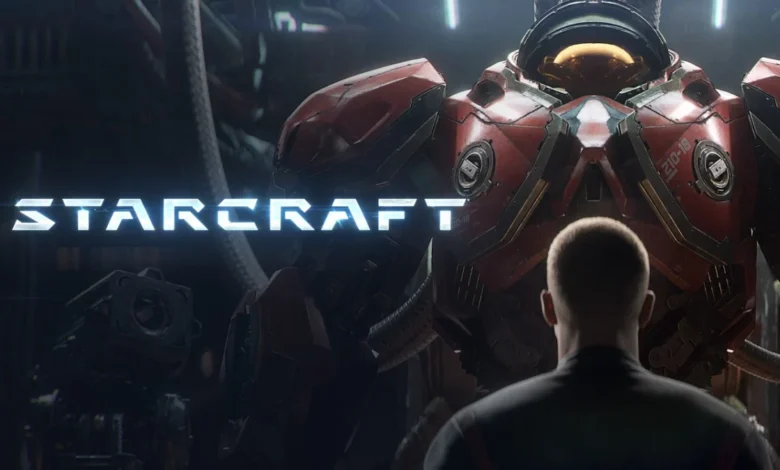
BlizzCon 2026 concluded this past weekend with a series of high-profile announcements that have fundamentally shifted the outlook for Blizzard Entertainment’s long-term product roadmap. While the reveal of a new expansion for Warcraft 3 and updates regarding the Diablo franchise dominated early headlines, the most significant disclosure for the science-fiction community was the official confirmation that the StarCraft franchise will return in 2030. Departing from its historical roots as a real-time strategy (RTS) titan, this new installment is currently being developed as a narrative-driven, third-person open-world shooter.
The announcement marks a major pivot for a franchise that has remained largely dormant in terms of new mainline releases since the conclusion of the StarCraft 2 trilogy. Under the direction of Dan Hay—widely recognized for his influential tenure leading the Far Cry franchise at Ubisoft—the new project aims to translate the visceral, high-stakes conflict between the Terran Dominion and the Zerg Swarm into a grounded, boots-on-the-ground experience.
A Chronological Shift in the Koprulu Sector
To understand the weight of this announcement, one must look at the timeline of the franchise. StarCraft 2: Legacy of the Void, the final chapter of the SC2 trilogy, concluded its narrative arc in 2015. Since then, the franchise has primarily existed through competitive esports circuits and minor content updates. The 2030 title is slated to take place approximately 70 years after the events of the StarCraft 2 trilogy. This significant time jump provides developers with a blank slate, allowing for the introduction of new socio-political dynamics within the Koprulu Sector, potentially exploring the aftermath of the collapse of the Dominion or the evolution of the Zerg beyond the influence of the Overmind or Kerrigan.
By setting the game decades into the future, Blizzard appears to be distancing the new title from the direct constraints of the established RTS campaign narratives, while still utilizing the core conflict—humanity versus the Zerg—that defines the brand.
From Strategic Command to Personal Survival
The decision to pivot to a third-person, open-world shooter is arguably the most controversial and significant change in the franchise’s history. For over 25 years, StarCraft has been synonymous with the RTS genre, defined by macro-management, resource gathering, and tactical base-building.
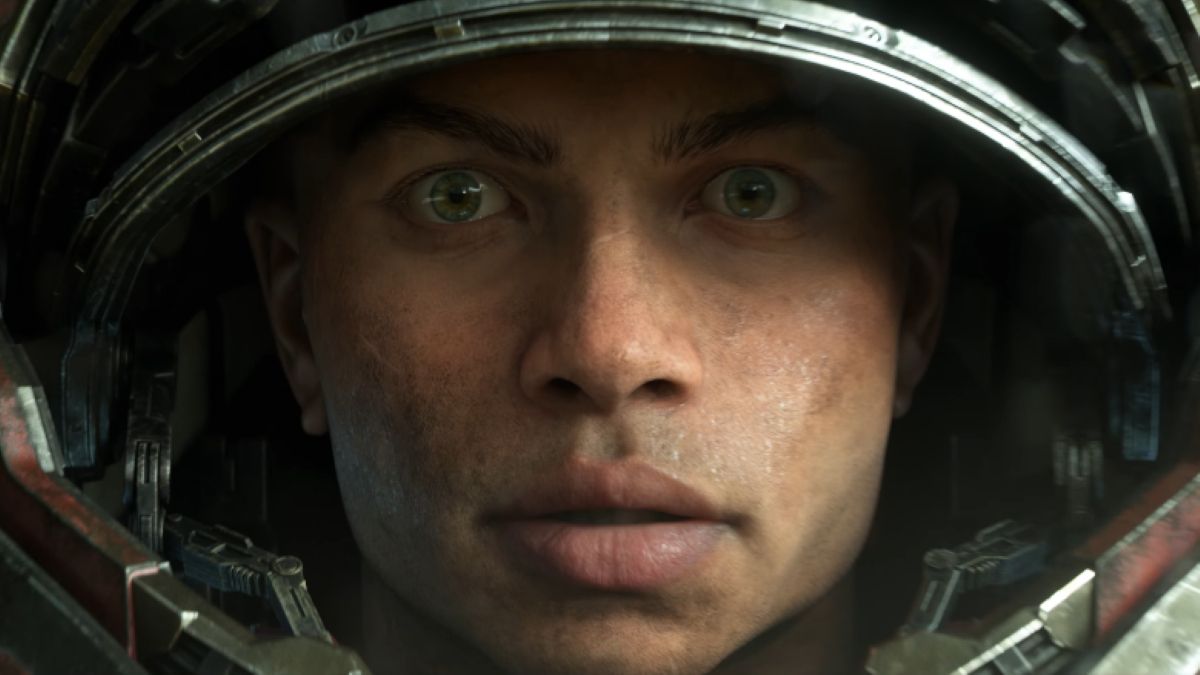
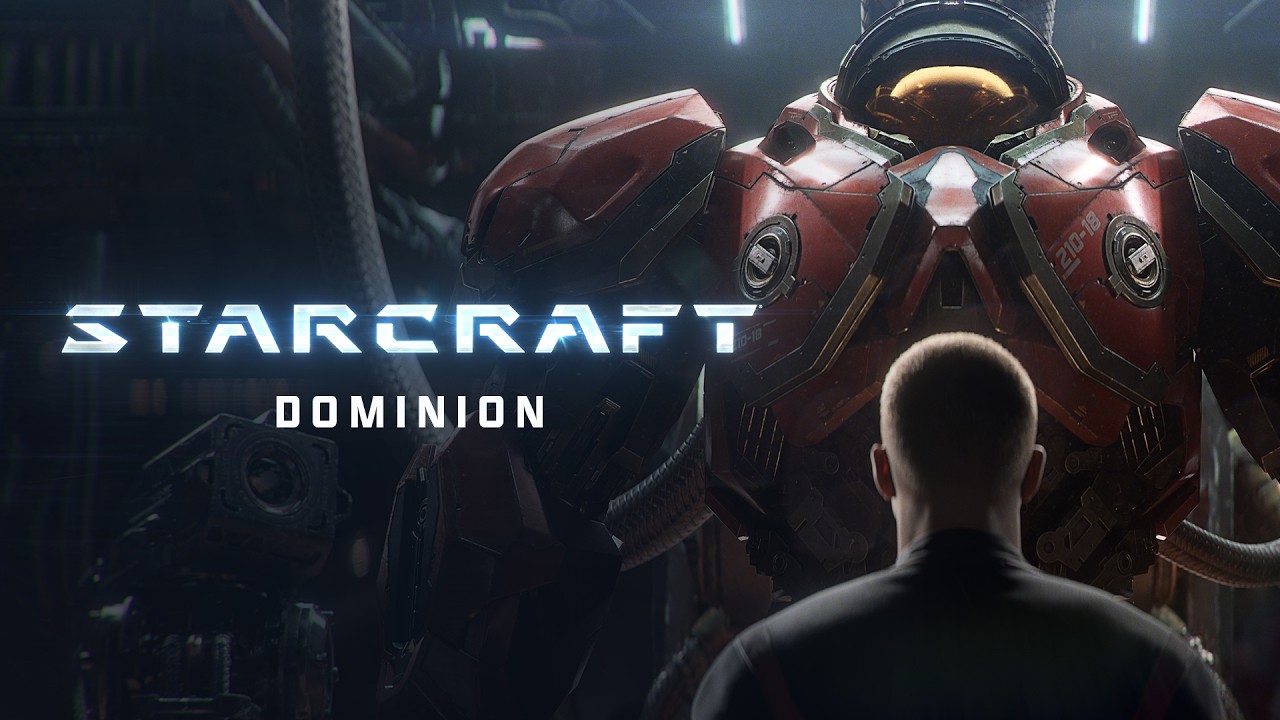
The shift to a third-person perspective is designed to emphasize the sheer scale of the Zerg threat. In the cinematic trailer unveiled at BlizzCon, viewers are presented with a perspective rarely seen in the original games: the individual soldier. Where the RTS player once commanded thousands of units from a bird’s-eye view, the new title will force players to navigate the battlefield from the perspective of a single operative. This focus on "feeling powerful" while maintaining a sense of overwhelming dread mirrors the design philosophy seen in other recent successful sci-fi shooters, such as Warhammer 40K: Space Marine 2. However, where other titles may focus on linear level progression, Blizzard has committed to an open-world structure, suggesting a deeper emphasis on exploration and environmental storytelling.
Technical and Structural Implications
Blizzard Entertainment has explicitly stated that this new project will eschew the "live-service" and "seasonal" models that have become industry standards for modern shooters. Instead, the company is positioning the title as a narrative-focused experience with a definitive beginning, middle, and end. This is a stark departure from the current industry trend, where major publishers often prioritize long-term engagement loops and microtransaction-heavy seasonal updates.
The technical implications of an open-world StarCraft are substantial. The engine must support the dense, swarming AI behaviors that have always been the hallmark of the Zerg, while simultaneously managing the fidelity required for a third-person character-driven action game. If Blizzard can successfully bridge the gap between the frantic, screen-filling combat of an RTS and the fluid mechanics of a modern shooter, it could redefine the franchise’s identity for a new generation of players who were not active during the peak of the StarCraft 2 competitive era.
Industry Context and Market Positioning
The decision to reintroduce StarCraft in 2030 comes at a time when the RTS genre is seeing a moderate resurgence, yet the "hero shooter" and "third-person action" markets remain the dominant forces in consumer gaming. By moving away from RTS, Blizzard is effectively hedging its bets against the declining mainstream appeal of complex strategy games while leveraging one of its most recognizable intellectual properties.
Analysts note that this shift is not without precedent. Blizzard has successfully transitioned IPs between genres in the past, most notably with the transformation of the cancelled "Titan" project into the hero shooter Overwatch. By assigning Dan Hay to the project, Blizzard is signaling a clear desire to import expertise from the open-world action genre to ensure the gameplay loop—which will likely involve territory control, gear customization, and objective-based combat—meets contemporary expectations.
Official Stance and Community Reception
The reaction from the core StarCraft community has been mixed, characterized by a tension between nostalgia for the RTS roots and excitement for a modernized, immersive experience. Hardcore competitive players, who have kept the SC2 scene alive for nearly two decades, have expressed concern that the brand’s identity is being diluted. Conversely, casual players and fans of the lore have welcomed the opportunity to explore the StarCraft universe from a new, more intimate perspective.
Blizzard’s management has maintained that the project is in its early stages and that the "Dominion" moniker attached to the trailer is a placeholder. The extended development cycle—with a target release date of 2030—indicates that the company is allowing for a prolonged incubation period. This long-term outlook is intended to mitigate the risks associated with reinventing such a storied franchise.
Future Outlook: Beyond the Shooter
While the upcoming shooter is the primary focus, the lingering question remains whether this title will eventually be accompanied by a return to the RTS roots. Blizzard has provided no comment on a potential "StarCraft 3" in the traditional sense, but the decision to keep the narrative world of the Koprulu Sector alive suggests that the company views StarCraft as a multi-genre franchise moving forward.
As the development process unfolds over the next four years, the gaming industry will be watching closely to see if Blizzard can successfully marry the deep, established lore of StarCraft with the mechanical demands of an open-world action title. The move represents a high-stakes gamble: if successful, it could revitalize one of the most important names in gaming history; if it falters, it may leave the franchise permanently tethered to its past successes. For now, the "Dominion" project serves as a clear indication that Blizzard is not finished with the stars, even if the method of traversal has fundamentally changed. The challenge for the development team will be to capture the "soul" of the Zerg threat—a feeling of inevitable, crushing numbers—while ensuring that the player feels like an active protagonist rather than just another cog in the machine of the Terran Dominion.