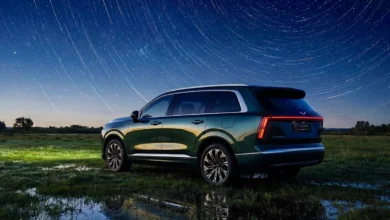
Hyundai Expands Global EV Lineup by Opening Orders for the Spacious Staria Electric Van Across Europe and International Markets

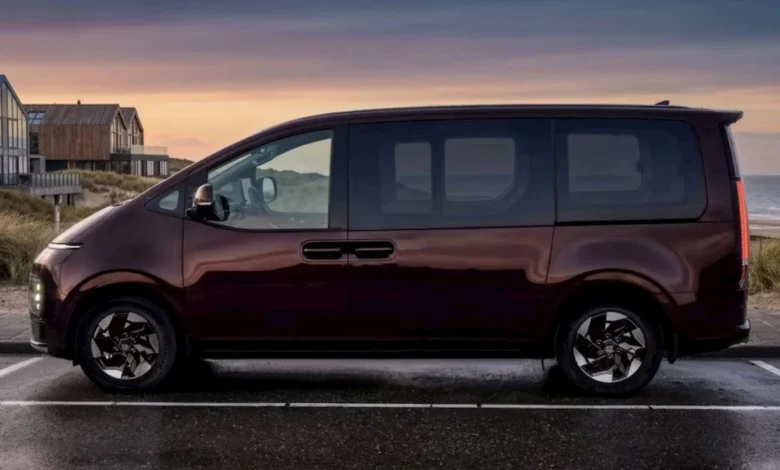
Hyundai Motor Company has officially opened order books for the Hyundai Staria Electric across Europe and select global markets, marking a significant milestone in the South Korean automaker’s aggressive electrification strategy. Initially unveiled to the public earlier this year in January at the Brussels Motor Show, the Staria Electric translates Hyundai’s popular gas-powered multipurpose vehicle (MPV) into a modern, battery-electric platform. Following a domestic release in South Korea earlier this spring, the vehicle’s arrival in Europe introduces a notably large, high-capacity passenger electric vehicle (EV) designed to challenge existing segment leaders like the Volkswagen ID. Buzz and Kia PV5.
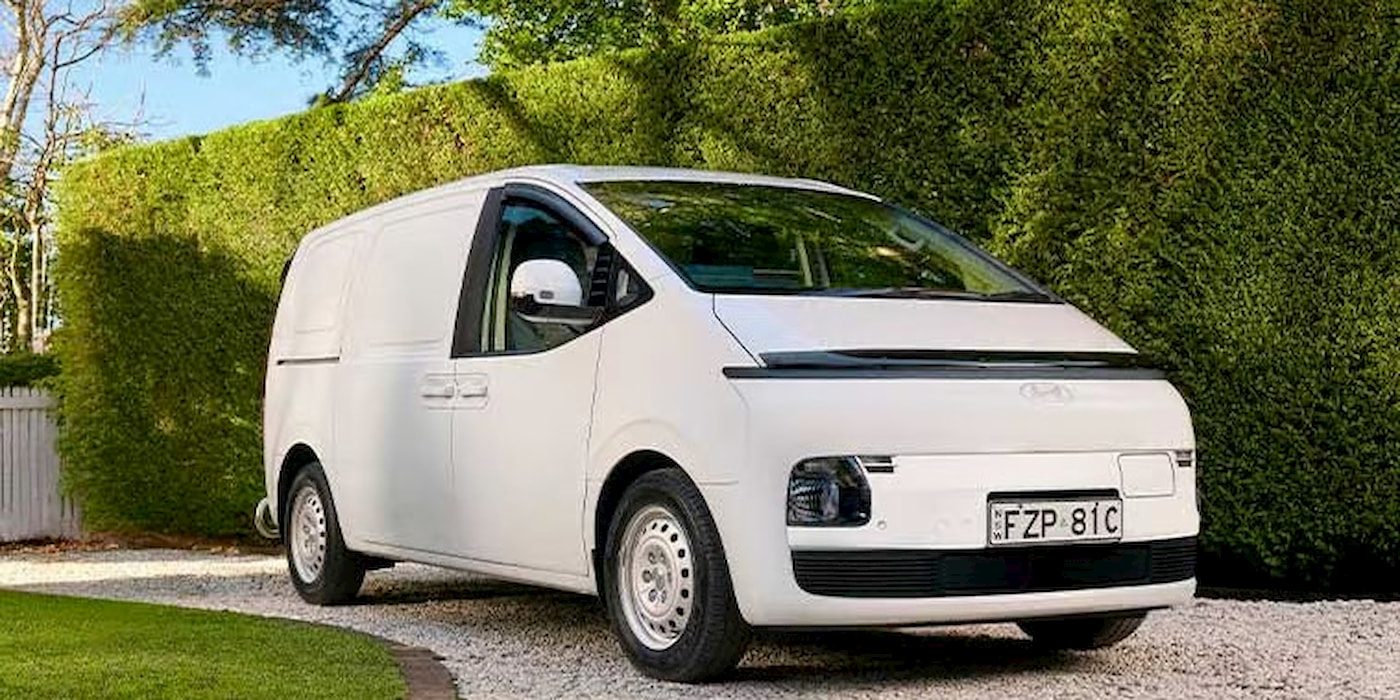
With European pricing starting at €57,450 (approximately $66,500) in Germany, the Staria Electric arrives as a versatile option aimed at larger families, commercial shuttle operators, and long-distance travelers seeking substantial interior space without tailpipe emissions. Concurrently, Hyundai has rolled out commercial variants such as the Staria Load Electric in Australia, alongside broader passenger car deployments like the compact IONIQ 3, highlighting the depth and speed of the brand’s multi-segment EV deployment.
Chronology of Development and Global Rollout
The genesis of the Staria Electric traces back to the commercial and consumer success of the internal combustion engine (ICE) Staria, which Hyundai marketed extensively in South Europe, South Korea, Australia, and various international territories. Recognizing a gap in the European and global markets for a true nine-passenger, high-capacity battery-electric van, Hyundai engineers adapted the robust platform to house an advanced electric drivetrain.
- January: Hyundai officially debuts the Staria Electric at the Brussels Motor Show, drawing considerable industry attention for its unique futuristic aesthetic and massive interior volume.
- Spring: The vehicle makes its official market debut in South Korea, serving as the primary proving ground for its powertrain configuration, thermal management systems, and user interface.
- September: Hyundai formally opens ordering systems across Germany and wider European markets, publishing comprehensive trim structures and localized pricing. Simultaneously, the commercial-focused Staria Load Electric launches in Australia, and the compact IONIQ 3 begins its European sales campaign starting at €28,950 ($33,000).
Interior Packaging and Dimensions
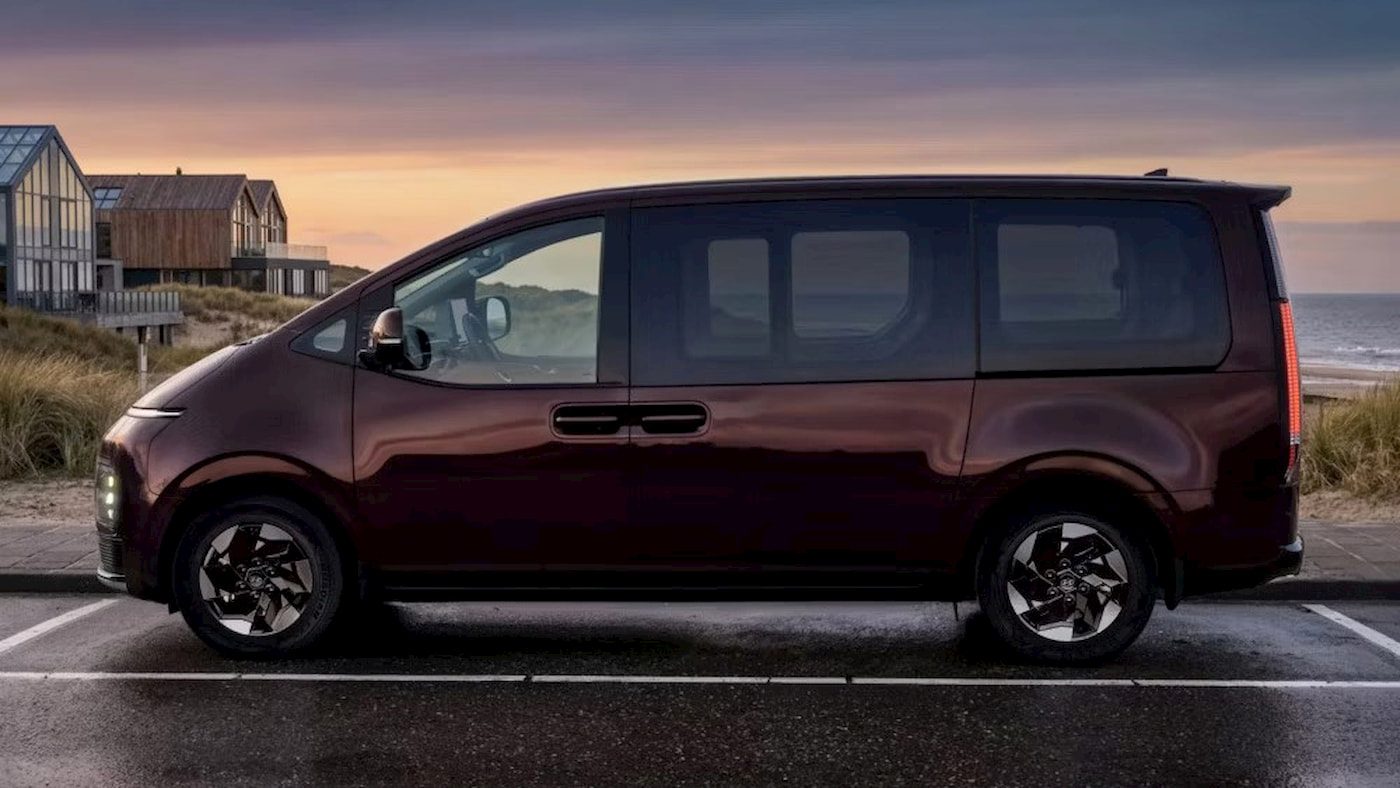
One of the defining characteristics of the Staria Electric is its sheer physical footprint. Measuring 5,253 millimeters (206.8 inches) in length, 1,997 millimeters (78.6 inches) in width, and 1,990 millimeters (78.3 inches) in height, with a sprawling wheelbase of 3,273 millimeters (128.8 inches), the MPV dwarfs traditional three-row SUVs. To put its scale into perspective, the Staria Electric is approximately 200 millimeters (7.8 inches) longer than Hyundai’s flagship three-row IONIQ 9 electric SUV.
Externally, the vehicle retains the aerodynamic, monovolume silhouette of its gas-powered counterpart while integrating distinct EV design cues. These include a smoothed, closed-off front grille and a contemporary full-length LED light bar spanning the width of the fascia.
Beneath the shell, the utilization of a flat electric vehicle floor maximizes cabin utility. The Staria Electric is offered in flexible 7- and 9-seat configurations. In the 9-seat layout, passengers benefit from up to 1,303 liters of dedicated luggage capacity, which is further supplemented by a practical 24-liter front trunk (frunk) under the hood. Equipped with sliding side doors and folding second- and third-row seating architecture, the cabin adapts effortlessly to cargo-heavy excursions or group passenger transport.
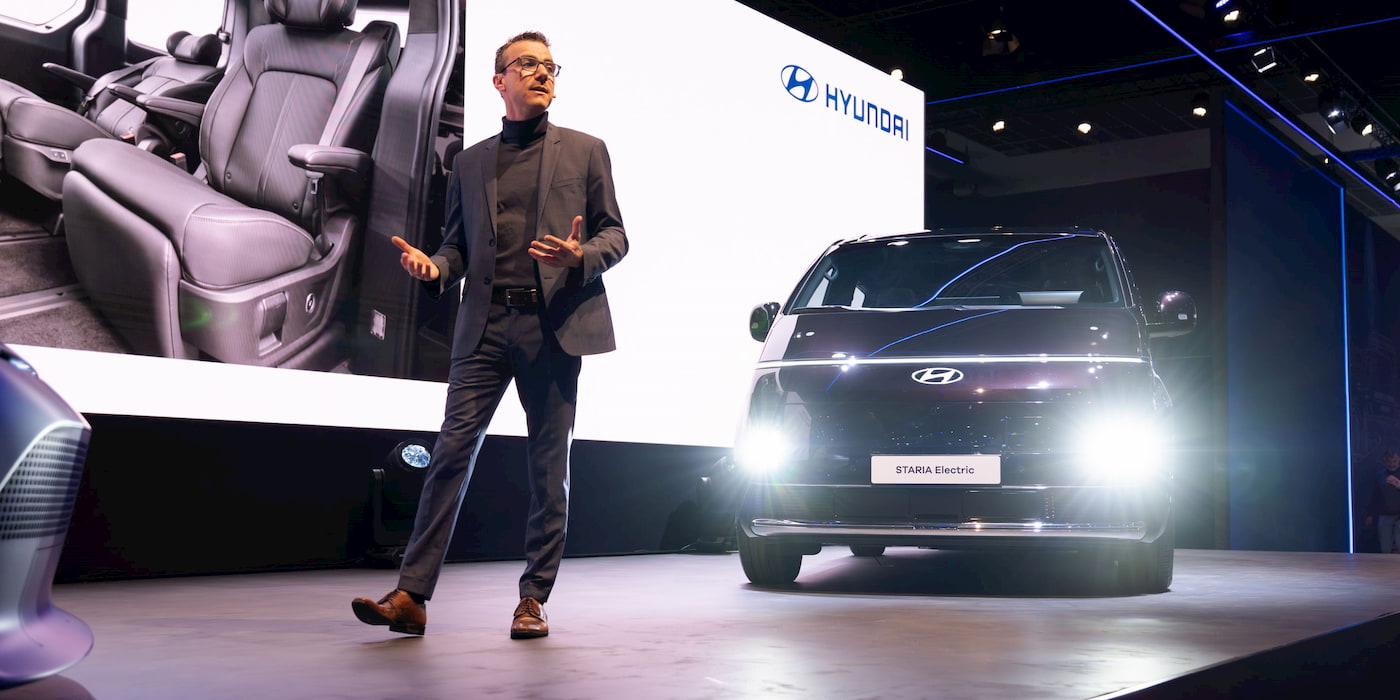
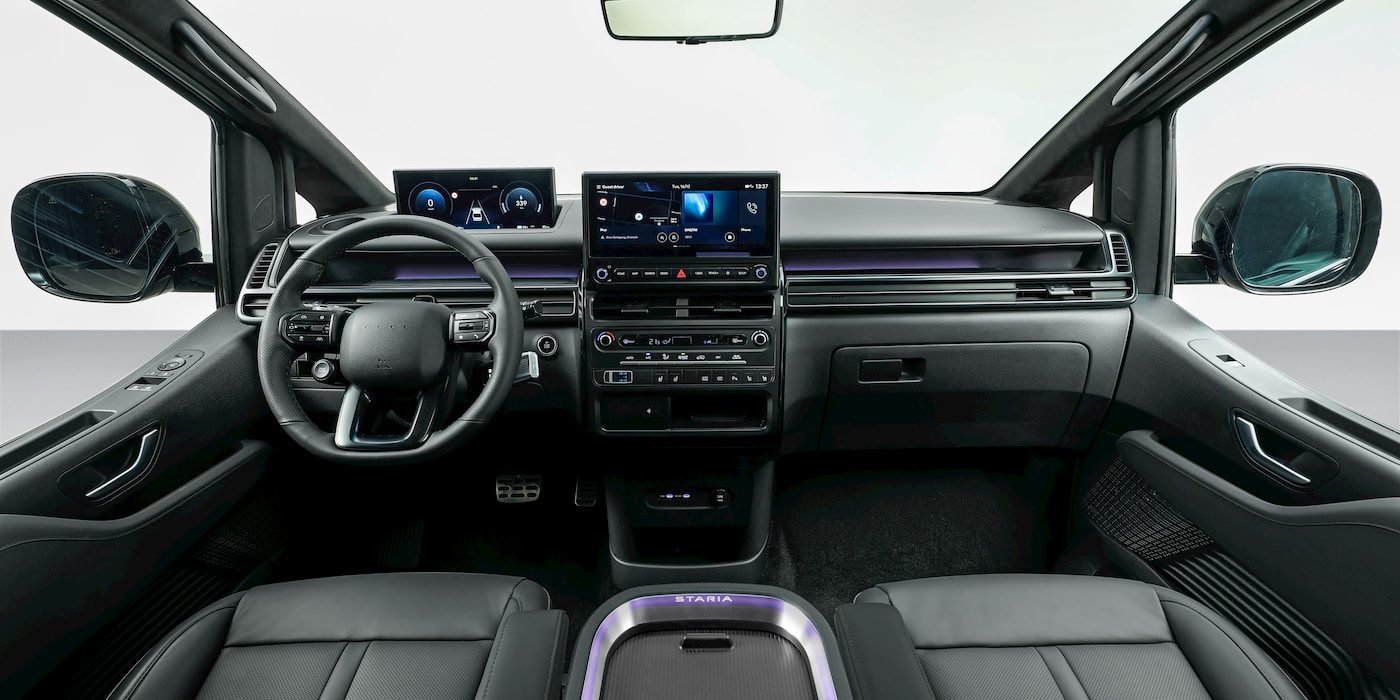
The interior embodies Hyundai’s signature "Inside-Out" design philosophy, prioritizing passenger spaciousness and digital integration. The dashboard features Hyundai’s latest connected car Navigation Cockpit (ccNC) system, anchored by dual 12.3-inch displays for both the driver instrument cluster and the central infotainment interface. Wireless integration for Apple CarPlay and Android Auto comes standard across all tiers.
Powertrain, Charging Performance, and Technical Specifications
At the heart of the Staria Electric’s performance capabilities is an 84 kWh high-voltage lithium-ion battery pack paired with a front-mounted electric motor generating 160 kW (218 horsepower). According to Worldwide Harmonised Light Vehicles Test Procedure (WLTP) testing standards, the van delivers an estimated driving range of up to 430 kilometers (267 miles) on a single charge, making it well-suited for both urban delivery routes and extended family road trips.

Long-distance travel is facilitated by the vehicle’s advanced 800-volt electrical architecture—a hallmark of Hyundai-Kia’s E-GMP-derived engineering philosophy, though the Staria utilizes a tailored commercial/MPV platform adaptation. When connected to a 350 kW DC fast-charging station, the battery can replenish its state of charge from 10% to 80% in approximately 20 minutes.
Furthermore, the vehicle incorporates Vehicle-to-Load (V2L) bidirectional charging capabilities. This functionality turns the Staria Electric into a mobile power source capable of supplying up to standard household electrical output to power external appliances, camping equipment, power tools, or electronics at remote work sites.
Trim Levels and European Pricing Structure
Hyundai has structured the Staria Electric lineup into three distinct tiers to cater to varying consumer and commercial budgets within the German and broader European markets:
- Trend (9-Seater): Starting at €57,450 (approx. $66,500), the base model provides a comprehensive suite of safety and convenience features. European buyers can also access localized lease structures starting at €489 ($570) per month.
- Prime (9-Seater): Priced from €63,350 (approx. $73,500), this mid-tier variant adds convenience amenities including power-operated sliding doors on both sides, an automatic power tailgate, sliding second- and third-row windows with integrated sunshades, Highway Driving Assist 1.5, a blind-spot view monitor display integrated into the instrument cluster, and a practical 230V interior power socket.
- Calligraphy (7-Seater): Positioned as the flagship luxury trim at €66,950 (approx. $77,800), the Calligraphy introduces premium aesthetic accents, full LED projection headlights, customizable multicolor ambient interior lighting, a high-fidelity BOSE sound system, and cabin communication features like Passenger View and Talk Mode. It is upholstered in premium Nappa leather and features two individual executive comfort seats in the second row complete with power relaxation modes, heating, and ventilation.
Commercial Applications: The Staria Load Electric
In tandem with the passenger-focused European launch, Hyundai has targeted the commercial sector with the rollout of the Staria Load Electric in Australia. Available in a single, highly competitive commercial specification starting at 70,990 AUD (before local on-road costs), the electric work van undercuts primary segment rivals such as the Ford E-Transit Custom, which retails from 77,890 AUD plus on-road costs. The commercial variant provides business fleets with zero-emission cargo capabilities, mirroring the durability and load capacity required by modern couriers and trade contractors.

Market Implications and Regional Availability
The introduction of the Staria Electric underscores Hyundai’s broader ambition to secure dominance across diverse vehicle segments as global electrification accelerates. By offering a high-capacity passenger van alongside compact entries like the newly announced IONIQ 3—which starts at €28,950 ($33,000) with monthly leases from €209 ($240)—Hyundai is effectively plugging every gap in its zero-emission product portfolio.
However, automotive analysts note that availability will remain strictly regional. Consumers in the United States should not anticipate a North American release for the Staria Electric or the IONIQ 3 in the near term. Hyundai does not currently offer the internal combustion engine version of the Staria in the US market, and the IONIQ 3 has been specifically engineered to address the distinct spatial and regulatory requirements of European urban centers. Instead, Hyundai’s North American electrification strategy remains focused on models like the compact IONIQ 5 and the massive three-row IONIQ 9 SUV.

As order books continue to open across international territories, the performance of the Staria Electric will serve as an essential indicator of whether large-scale battery-electric MPVs can successfully capture consumer market share from traditional internal combustion people-movers and diesel commercial vans.