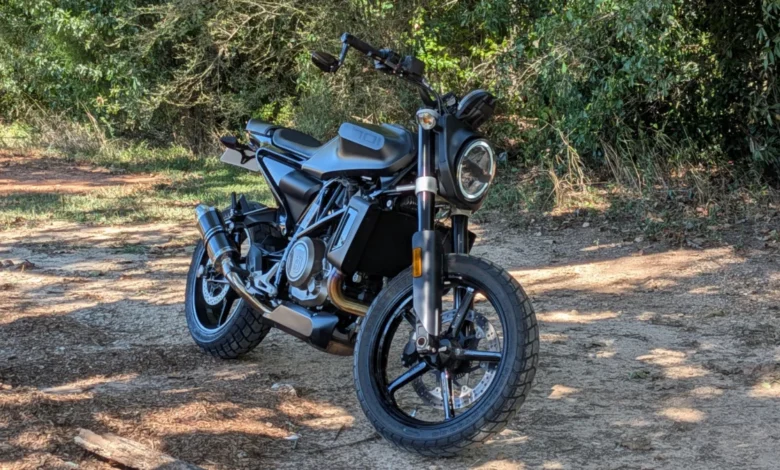
The recent acquisition of a 2019 Husqvarna Svartpilen 701 by automotive journalist Collin Woodard marks a significant shift in his personal vehicle fleet, balancing the utilitarian constraints of a 2024 Fiat 500e with the specialized performance requirements of a high-displacement, single-cylinder motorcycle. This transition highlights a growing trend among urban and semi-rural commuters who seek to bifurcate their transportation needs: utilizing electric vehicles for predictable daily errands while reserving internal combustion engines for visceral, performance-oriented experiences.
The Evolution of the Personal Fleet
For the past year, the management of a 2024 Fiat 500e has served as an exercise in logistical discipline. As one of the most compact and restricted-range electric vehicles currently available, the 500e represents the entry-level tier of the EV market. Operating such a vehicle in a rural environment—where charging infrastructure is sparse compared to major metropolitan centers—has functioned as a case study in the limitations of current battery technology.
While the 500e provides economic benefits and ease of operation, it lacks the mechanical engagement that many enthusiasts seek. The decision to integrate the Svartpilen 701 into this existing setup was not driven by a lack of satisfaction with the Fiat, but rather a recognition of the "motorcycle-shaped hole" in the owner’s operational requirements. The 701 acts as a counterweight to the appliance-like nature of the electric city car, providing a tactile, high-torque experience that current mass-market electric vehicles have yet to replicate at a similar price point.
Technical Specifications and Historical Context
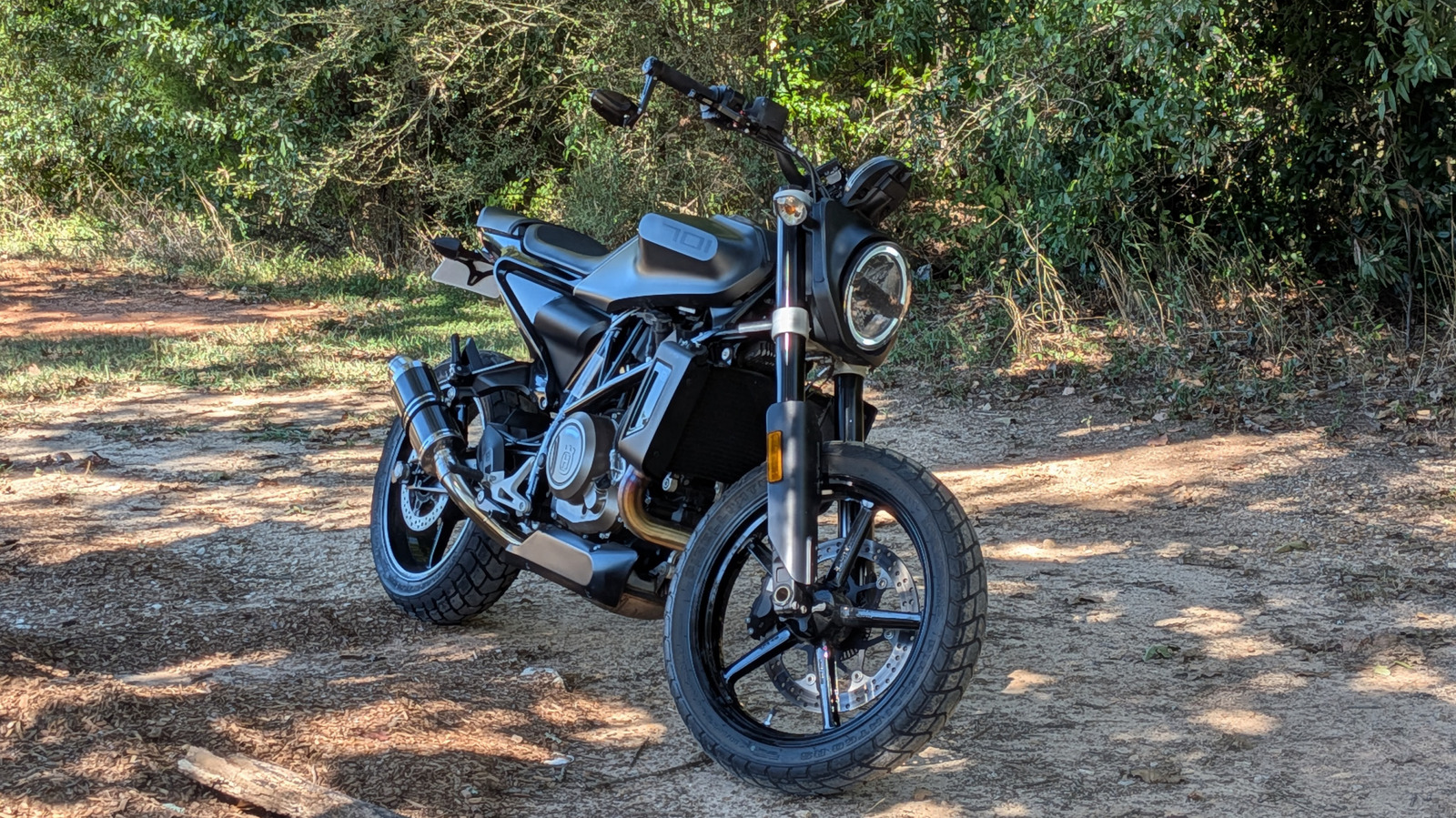
The Husqvarna Svartpilen 701, produced from 2018 to 2020, occupies a unique space in the motorcycle market. It is categorized as a "neo-retro" naked bike, blending minimalist Scandinavian design with aggressive mechanical roots. At its core lies a 693cc liquid-cooled, single-cylinder engine—often colloquially referred to as a "thumper." This powerplant, derived from the KTM 690 Duke, is celebrated for its lightweight architecture and immediate power delivery.
The 701’s engine configuration is a deliberate departure from the multi-cylinder trends currently dominating the middleweight motorcycle sector. With approximately 75 horsepower and 53 lb-ft of torque in a package that weighs roughly 345 pounds (dry), the power-to-weight ratio is significantly higher than that of typical commuter motorcycles. This mechanical configuration offers an raw, vibration-heavy experience that purists categorize as a "thumper," a characteristic that differentiates it from the refined, smoother power bands of parallel-twin engines found in the newer Svartpilen 801 or the smaller 401.
Market Positioning: 401 vs. 701 vs. 801
The selection of the 701 model, rather than the more accessible 401 or the more technologically advanced 801, reflects a specific preference for displacement and mechanical character.
- Svartpilen 401: Utilizes a 373cc single-cylinder engine. It is widely considered the industry benchmark for entry-level riders, offering high maneuverability and low maintenance costs. However, for a rider seeking higher highway capability, the 401’s limited power output becomes a drawback.
- Svartpilen 701: The "sweet spot" for many enthusiasts. It bridges the gap between lightweight agility and the torque-heavy performance of larger displacement bikes. Its discontinuation after the 2020 model year has turned it into a sought-after asset on the secondary market.
- Svartpilen 801: The modern successor, featuring a 799cc parallel-twin engine. While objectively more capable, smoother, and equipped with modern electronic rider aids, it lacks the specific, rhythmic vibration and character of the 701’s massive single cylinder.
Financial and Operational Analysis
The acquisition of the unit, which had approximately 4,000 miles on the odometer, was finalized at a price point of $4,500. In the current secondary market for motorcycles, this valuation represents a significant value proposition. Similar models in comparable condition frequently trade at higher price points, suggesting that the transaction was highly favorable for the buyer.
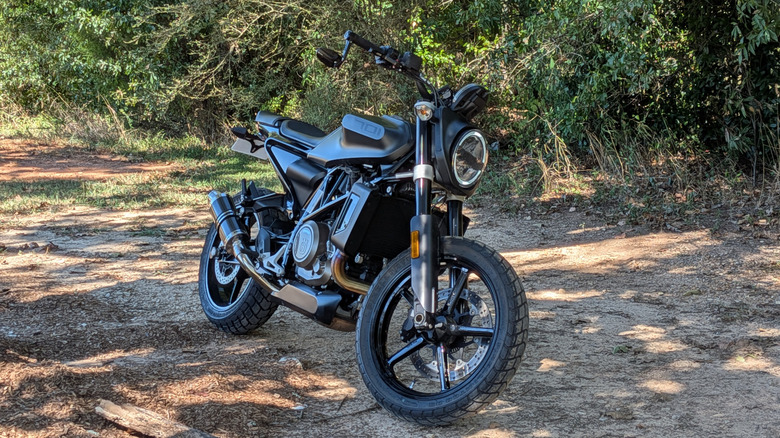
Operationally, the bike averages 60 miles per gallon (mpg), a figure that rivals many modern scooters and exceeds most contemporary performance motorcycles. This fuel efficiency, combined with the bike’s distinct design aesthetic—which has won multiple industry design awards—creates a compelling narrative for the motorcycle as both a functional commuter and a lifestyle statement.
The Role of Customization and Maintenance
A critical aspect of motorcycle ownership, particularly for used vehicles, is the potential for modification. The subject motorcycle currently features an aftermarket exhaust system that the new owner has identified as a primary point of friction.
From an engineering perspective, the exhaust system is the most significant bottleneck for performance and acoustics on a single-cylinder engine. The current, "cheap and tacky" aftermarket solution not only affects the aesthetic profile of the bike but potentially alters the backpressure, which can impact the fuel-to-air ratio. Replacing this component is not merely an aesthetic choice but a necessary step in refining the bike’s performance.
The process of upgrading the exhaust—often involving a slip-on silencer and potentially a fuel-mapping adjustment—is a standard procedure for enthusiasts. By correcting the acoustic profile, the owner aims to align the motorcycle’s sound with its high-performance mechanical character.
Broader Implications for the Commuter Market
The integration of a vintage-modern motorcycle with a modern EV reflects a broader cultural shift in personal transportation. As urban centers become increasingly congested and EV mandates change the landscape of vehicle ownership, the motorcycle remains a "wildcard" in the equation.
The Svartpilen 701 serves as a reminder that the appeal of motorcycling is increasingly psychological. While the Fiat 500e represents the rational, economic choice—offering low-cost transit with minimal environmental impact—the motorcycle provides the emotional dividend. Data from the Motorcycle Industry Council (MIC) indicates that dual-vehicle ownership (one car, one motorcycle) is rising among demographics that prioritize both financial pragmatism and recreational escapism.
Conclusion
The purchase of the 2019 Husqvarna Svartpilen 701 signifies the completion of a deliberate, year-long search for a vehicle that satisfies specific performance criteria. By choosing a high-displacement single-cylinder machine, the owner has opted for a "dying breed" of motorcycle that prioritizes mechanical feedback over the digital complexity of modern vehicles. As this machine enters its next phase of ownership, the focus will shift from acquisition to refinement—specifically through exhaust system upgrades and long-term maintenance—ensuring that the bike remains a viable, high-performance counterpart to the modern electric vehicle. This case highlights a balanced approach to the evolving automotive landscape, where the future (EVs) and the visceral past (large-displacement singles) can coexist in a single, well-managed garage.