Ospreys Return to St Helen’s Amid Deep Uncertainty, High-Profile Exits, and a Battle for Long-Term Survival

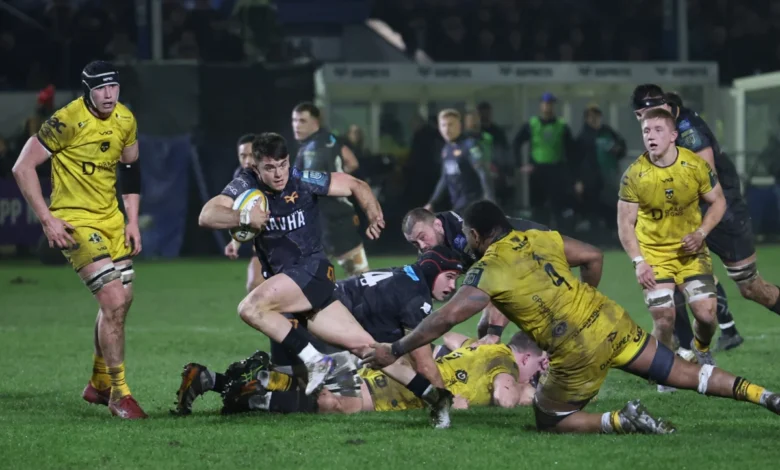
The historic return of the Ospreys to Swansea’s revamped St Helen’s ground marks a poignant chapter in Welsh rugby, though it is one heavily overshadowed by persistent institutional instability and seismic player departures. As the regional side steps out onto the famous turf of Swansea RFC for the new season, they do so without two of their most influential figures: Welsh international captains Jac Morgan and Dewi Lake, both of whom have crossed the border to join Gallagher Premiership side Gloucester. Their exit, alongside a cloud of lingering existential doubt regarding the region’s long-term future, encapsulates the volatile landscape of contemporary professional rugby in Wales.
While fans celebrate a sentimental homecoming to a traditional rugby heartland, the stark realities of regional governance, financial constraints, and squad rebuilding loom large over head coach Mark Jones and his coaching ticket. With the new season bringing fresh challenges across the United Rugby Championship (URC), the Ospreys find themselves navigating a turbulent era that threatens to redefine their standing in the domestic and European game.
A Precarious Existence: Off-Field Turmoil and Governance
The very survival of the Ospreys has been a central talking point following a tumultuous period of boardroom drama. The club’s existence was thrown into sharp relief following the spectacular collapse of a proposed acquisition by their owners, Y11, which would have seen them take over Cardiff Rugby. That failed venture left the Ospreys in a state of administrative limbo until a fragile truce was struck in June, resulting in a fresh Professional Rugby Agreement (PRA) signed with the Welsh Rugby Union (WRU).
However, this agreement offers only temporary sanctuary rather than permanent security. The long-term blueprint of the WRU continues to cast a long shadow over the region. With the governing body still deliberating over a controversial strategy that could see the total number of professional regions in Wales reduced from four to three, the Ospreys remain acutely aware that their survival is not guaranteed beyond the expiration of the current PRA in the 2027-28 season.
Compounding this leadership vacuum was the departure of chief executive Lance Bradley over the summer, leaving a void at the executive level just as the organization attempted to orchestrate its complex physical migration to St Helen’s. For a club attempting to build a sustainable commercial model on a storied community ground, the administrative turbulence has added an unnecessary layer of friction to pre-season preparations.
The Exodus of Icons: Coping Without Morgan and Lake
The loss of Jac Morgan and Dewi Lake cannot be overstated. As dual pillars of the Ospreys pack and established leaders within the wider Welsh national team setup, their decisions to head to the Gallagher Premiership with Gloucester represent a massive blow to the region’s playing depth, leadership core, and on-field identity.
Morgan’s relentless work rate at the breakdown and Lake’s dynamic ball-carrying and set-piece authority have been central to the Ospreys’ competitive edge in recent campaigns. Their departures leave a leadership vacuum that head coach Mark Jones must urgently address. Jones, who assumed the reins following Toby Booth’s departure at the end of 2024, has spent the pre-season focused on insulating his squad from external noise, urging players to remain focused on the immediate task rather than worrying about structural futures.
To offset these monumental losses, the Ospreys’ recruitment department has been forced to scour the global market for value and potential. Among the most intriguing arrivals is former Australia back-row and international captain Liam Wright. Arriving in Swansea after overcoming a series of debilitating injuries, Wright brings vast leadership experience and tactical acumen. Notably, Wright qualifies to represent Wales on residency grounds next September, offering an intriguing sub-plot for Welsh rugby fans.
Further bolstering the backline is Lalakai Foketi, an astute acquisition who arrives fresh from playing alongside All Blacks star Quinn Tupaea at the Chiefs. Alongside the high-profile cross-border switch of Welsh international winger Tom Rogers from Parc y Scarlets to St Helen’s, the Ospreys have injected fresh blood into their ranks, though knitting these diverse components together quickly will be critical to their early-season fortunes.
Key Personnel: Carrying the Torch at St Helen’s
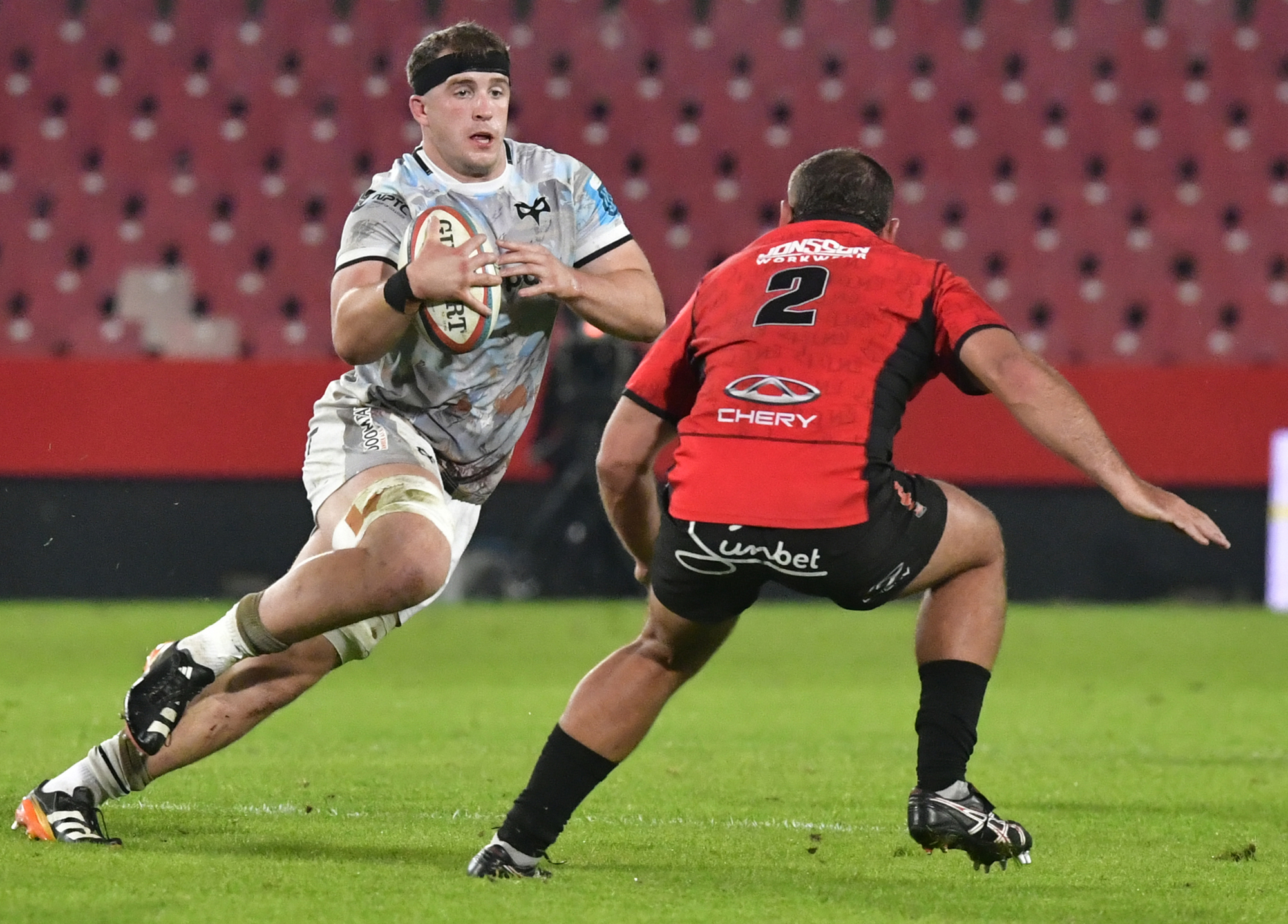
With seasoned internationals moving on, responsibility shifts to the emerging leaders within the squad. Back-five forward James Ratti emerged as the undisputed talisman of the region last term, sweeping the end-of-season awards. Ratti’s exceptional physicality, defensive work rate, and ability to consistently dent opposition gain lines with his dynamic ball-carrying made him a nightmare for URC defences. His continued form will be paramount if the Ospreys are to generate front-foot momentum.
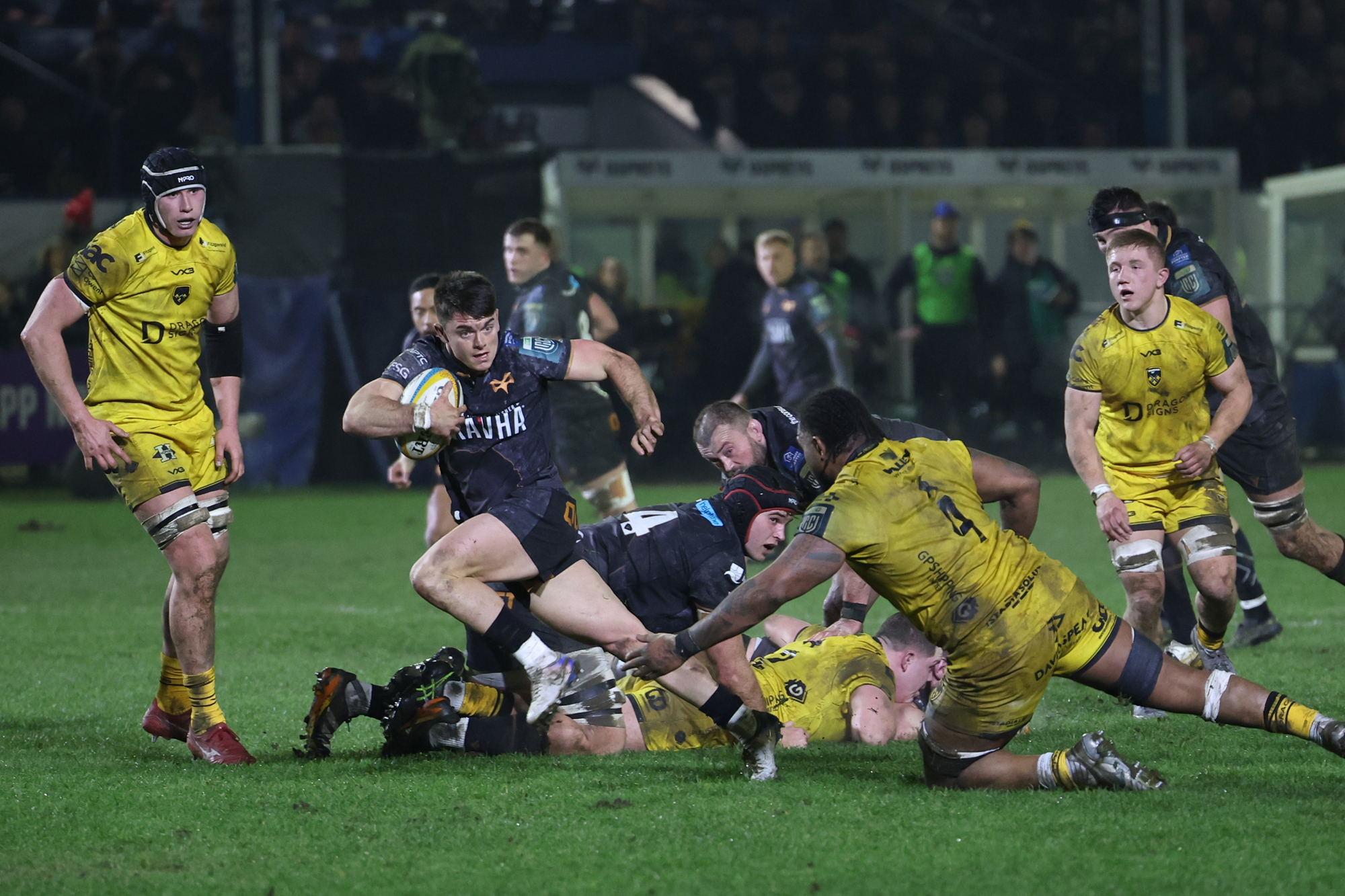
Equally pivotal to the team’s tactical direction is young fly-half Dan Edwards. Regarded as one of the brightest playmaking prospects in the country, Edwards opted to commit his future to the region despite intense speculation linking him with a lucrative move to English giants Leicester Tigers. His ability to manage games, dictate tempo, and execute tactically under pressure will determine how effectively the Ospreys can transition from their traditional forward-dominated game into a more fluid attacking structure.
Meanwhile, back-rower Morgan Morse stands out as the ultimate player to watch. Despite possessing undeniable athletic gifts and raw talent, Morse has yet to secure a sustained run of exposure in the senior Wales jersey, save for brief cameos off the bench against New Zealand and South Africa during the autumn international window. Having been overlooked for subsequent Six Nations and Nations Championship squads, the upcoming campaign presents a vital runway for Morse to force his way into national reckoning by dominating at regional level.
Coaching Continuity and Tactical Adjustments
Mark Jones commands a familiar and experienced coaching structure to steer the ship through these choppy waters. The former Wales international, who earned 47 caps during a distinguished playing career, is supported by a robust backroom staff featuring Richard Fussell, Richard Kelly, and Duncan Jones. This internal continuity is vital for maintaining cultural stability while the physical environment around the team undergoes a massive transformation.
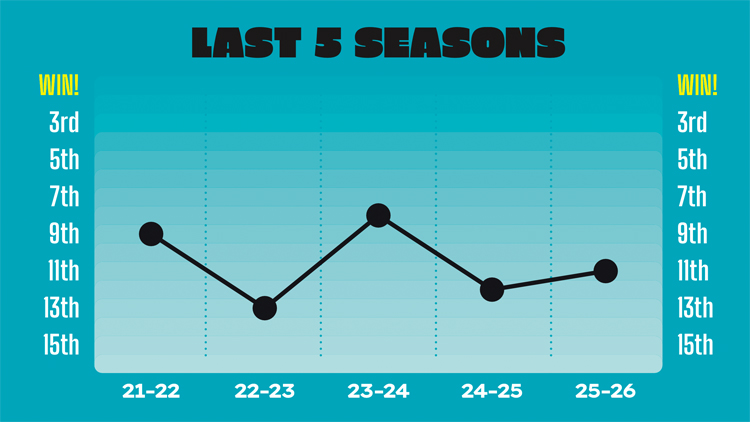
However, the coaching ticket faces significant technical hurdles based on evidence from the previous campaign. Statistical analysis of the 2025-26 season highlights glaring vulnerabilities that must be addressed on the training pitch. The Ospreys suffered from the joint-lowest lineout success rate in the league, operating at a meager 83 percent efficiency, while their attacking scrum ranked second-worst at 86 percent. In modern professional rugby, such set-piece fragility acts as an anchor on ambitions; rectifying these foundation areas is non-negotiable if Jones’s side hopes to climb the URC table.
Projections and the Broader URC Landscape
Bookmakers and pundits have cast a cautious eye over the Ospreys’ prospects for the 2026-27 URC season, pricing them as long shots at 150-1 to lift the title. Following a campaign that yielded just seven victories and an 11th-place finish, expectations are understandably tempered.
Surpassing that win tally would represent a commendable achievement against a backdrop of financial constraints, executive turnover, and the psychological weight of the WRU’s structural uncertainty. Yet, the move to St Helen’s—a venue steeped in Welsh rugby lore—offers an intangible atmospheric boost that could transform their home fixtures into a daunting prospect for travelling URC heavyweights.
The implications of this season extend far beyond the league table. For the WRU, the performance and financial stability of the surviving regions will heavily influence the long-term viability of professional club rugby in the country. For the players, the St Helen’s homecoming is a chance to honour the heritage of the shirt while fighting for the continued existence of a proud rugby institution. As the 2025-26 season kicks off on Friday, 25 September, the Ospreys will step onto the pitch not just to win rugby matches, but to prove that their storied legacy deserves a permanent place in the future of the game.