Abby Lee Miller Reveals How Dance Moms Destroyed Her Relationships With Former Students

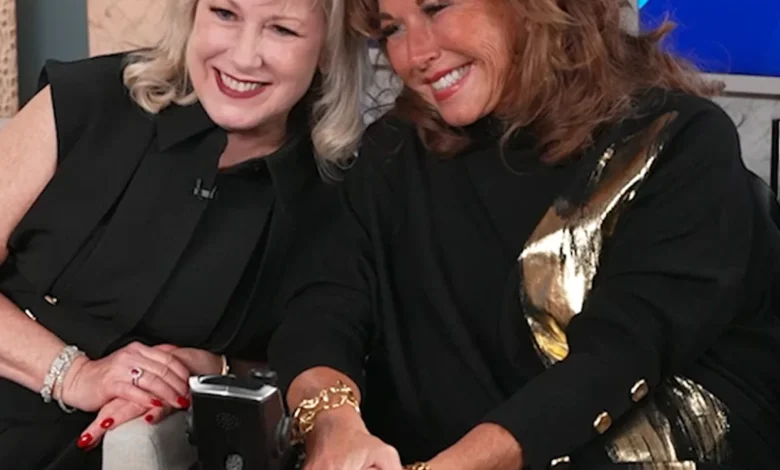
For nearly a decade, Lifetime’s reality television juggernaut Dance Moms captivated millions of viewers by showcasing the high-stakes, hyper-competitive world of youth competitive dance. Airing from 2011 to 2019, the program turned studio owner Abby Lee Miller and a rotating cast of young dancers and their ambitious mothers into household names. However, years after the cameras stopped rolling, the true human cost of the production has come to light. Abby Lee Miller has opened up about how the heavily stylized and pressure-cooker environment of the series systematically strained and ultimately destroyed her real-life relationships with her former students. Alongside longtime on-screen rival Cathy Nesbitt-Stein, Miller is dismantling the legacy of the show, revealing the manufactured nature of their television feud while reflecting on the enduring personal fallout experienced by the young women who grew up under the spotlight.
The Reality Behind the On-Screen Feuds
The cornerstone of Dance Moms drama for multiple seasons relied on the intense rivalry between Miller’s Pittsburgh-based Abby Lee Dance Company and Nesbitt-Stein’s Candy Apples Dance Center in Ohio. Week after week, the show portrayed the two studio owners as bitter enemies locked in a relentless battle for regional and national supremacy. According to recent revelations from both women, however, that fierce animosity was largely a product of television production and strategic editing.
In an exclusive interview, Nesbitt-Stein clarified the reality of their professional dynamic during the height of the show’s run. The two instructors rarely crossed paths outside of scheduled production days, operating in entirely different competitive circuits across Pennsylvania and Ohio. Nevertheless, the immense pressure from network producers to manufacture conflict eventually blurred the lines between scripted television and genuine emotion. Nesbitt-Stein acknowledged that the constant urging to generate drama gradually fostered real frustration and anger between them on-set.
Seeking to rewrite this adversarial narrative, Miller and Nesbitt-Stein reunited to develop a new reality competition series titled Hit the 8, slated to premiere on ShortVydz. Unlike their previous television venture, the creators designed the new program to foster a supportive and collaborative environment rather than a cutthroat one. Miller emphasized that the new series serves as a positive vehicle for young talent, stripping away the toxic antagonism that defined their previous reality television iterations. Nesbitt-Stein echoed this sentiment, noting that the modern contestants respond with gratitude and camaraderie, even when facing elimination—a stark contrast to the volatile emotional outbursts famously captured on Dance Moms.
A Retrospective Look at the Dance Moms Alums
The cultural impact of Dance Moms is perhaps best measured by the diverse professional trajectories of its former cast members. More than a decade after the show’s premiere, the original students have transitioned into various sectors of the entertainment industry, literature, entrepreneurship, and professional athletics, each carrying distinct experiences from their time in reality television.
Maddie Ziegler, widely recognized as the breakout star of the early seasons, successfully pivoted from being the muse of electropop artist Sia to establishing a robust career in feature films. Beyond her critically acclaimed performances in West Side Story and My Old Ass, Ziegler has authored a New York Times best-selling memoir, served as a dance judge, and maintained a prominent presence in fashion and pop culture, recently appearing alongside Addison Rae at Coachella.
Her sister, Kenzie Ziegler, evolved from acro-dance routines into a singer-songwriter and actress. Relinquishing the boundaries of reality television, Kenzie utilized her music to process personal adversity, releasing deeply reflective studio albums and EPs such as biting my tongue and notes from the in between, which resonated deeply with millions of digital followers.
Chloe Lukasiak leveraged her artistic background into literary and entrepreneurial pursuits. After completing her tenure as a celebrated soloist, she authored a guide for young women and later co-founded a positive-reinforcement national dance competition designed to counteract the toxic environments she encountered in her youth. Transitioning into higher education at Pepperdine University, Lukasiak has focused on digital content creation and fantasy literature development.
Nia Sioux, an original company member, balanced a rigorous academic schedule at the University of California, Los Angeles—where she graduated with a degree in American Literature and Culture—with a prolific career in television, theater, and music. Her literary debut, Bottom of the Pyramid, detailed her personal resilience against body-shaming, establishing her as a powerful voice for young performers navigating the industry.
Among the older cohort, Brooke and Paige Hyland successfully transitioned out of the competitive dance sphere following their departures from the show. Brooke earned a marketing degree from Ohio University, subsequently launching a culinary content platform and a collaborative lifestyle brand with her sister Paige, who graduated from West Virginia University. Both sisters have built substantial digital followings while exploring international travel, entrepreneurship, and personal milestones.
Kendall Vertes extended her athletic and performance career into her collegiate years, competing as a member of the championship-winning James Madison University dance team while maintaining a robust digital sponsorship portfolio as a political science major.
JoJo Siwa, who appeared in two seasons of the original series before starring in Abby’s Ultimate Dance Competition, evolved into a massive multi-media mogul and pop culture icon. Garnering recognition on Time’s list of the 100 most influential people, Siwa broke new ground as part of the first same-sex pairing on Dancing with the Stars and continues to headline international musical projects with ambitions of reaching the Super Bowl halftime stage.
Kalani Hilliker established a presence in the wellness and beauty sector with the launch of her enterprise Kare, while simultaneously returning to studio instruction to mentor a new generation of dancers through her Khaos Dance Studio. Similarly, Asia Monet Ray balanced a thriving acting and modeling career—including appearances on Grey’s Anatomy and American Crime Story—with academic excellence, graduating as high school valedictorian.
Camryn Bridges transitioned seamlessly into elite commercial dance, securing prominent touring roles alongside major recording artists such as Kendrick Lamar, Usher, Missy Elliott, and Tate McRae, performing on stages ranging from the Grammy Awards to the Super Bowl halftime show. Finally, Brynn Rumfallo balanced her passion for education and dance instruction by launching a conversational podcast and connecting with millions of digital followers, reflecting on the balance between public notoriety and normalcy.
Broader Impact and Industry Implications
The evolution of the Dance Moms cast highlights a broader shift in the entertainment landscape regarding the treatment and mental health of minor performers in reality television. The intense psychological pressure, strict disciplinary environments, and manufactured rivalries that characterized unscripted programming in the early 2010s have increasingly come under public scrutiny.
Legal and ethical discussions surrounding child labor protections, psychological support systems on set, and the long-term impacts of early exposure to media scrutiny have reshaped how production companies approach youth-centric reality formats. While former participants have successfully reclaimed their narratives through memoirs, entrepreneurial ventures, and independent artistic pursuits, their collective experiences serve as a cautionary case study for the television industry. The transition from cutthroat, high-conflict television formats toward positive, empowering programming—exemplified by Miller and Nesbitt-Stein’s latest venture—reflects a changing consumer demand for healthier, more transparent depictions of youth arts education.