Fashion Month has officially returned, transforming the global style capitals of New York, London, Milan, and Paris into vibrant epicenters of sartorial innovation. As designers debut their highly anticipated spring and summer collections, the front rows have become as much of a spectacle as the runways themselves. This season, prominent figures, musicians, actors, and athletes descended upon the fashion circuits wearing a curated mix of the best upcoming spring trends and current fall transitional pieces, offering onlookers a masterclass in modern styling. From high-profile brand collaborations to boundary-pushing streetwear, the front-row appearances at this season’s shows have set a definitive tone for the global fashion landscape.
Main Facts and Front-Row Highlights
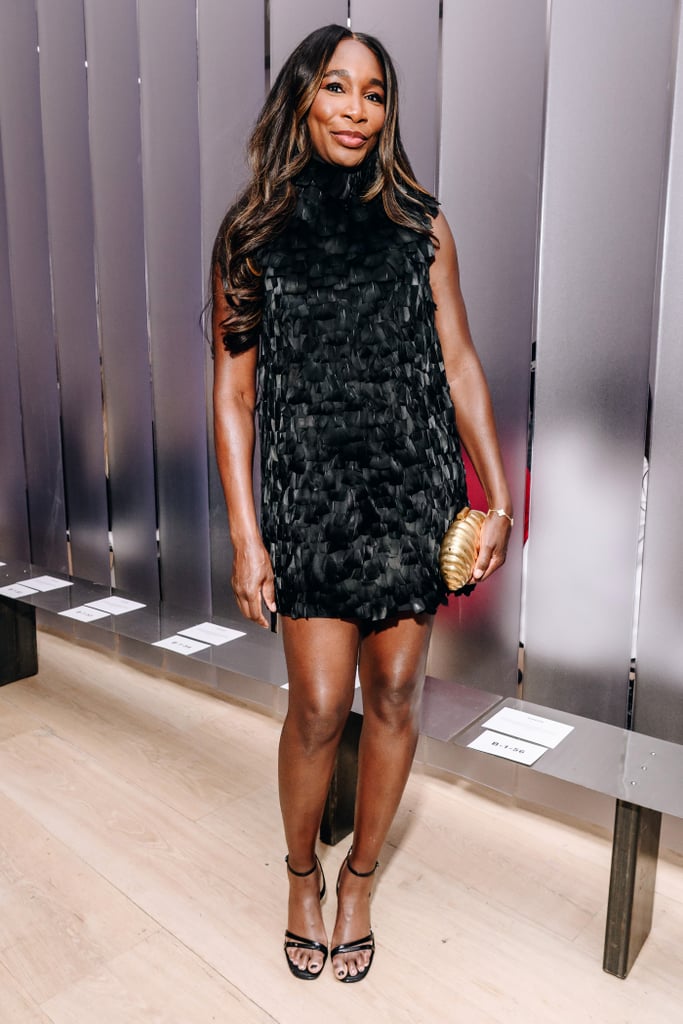
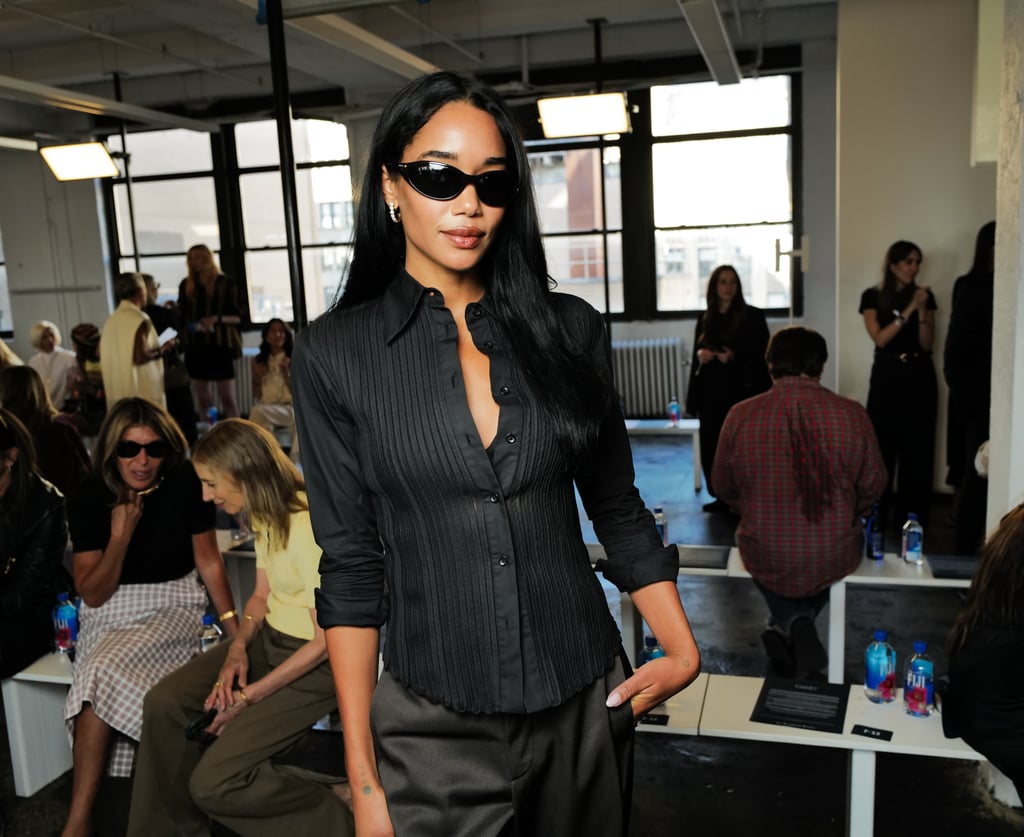
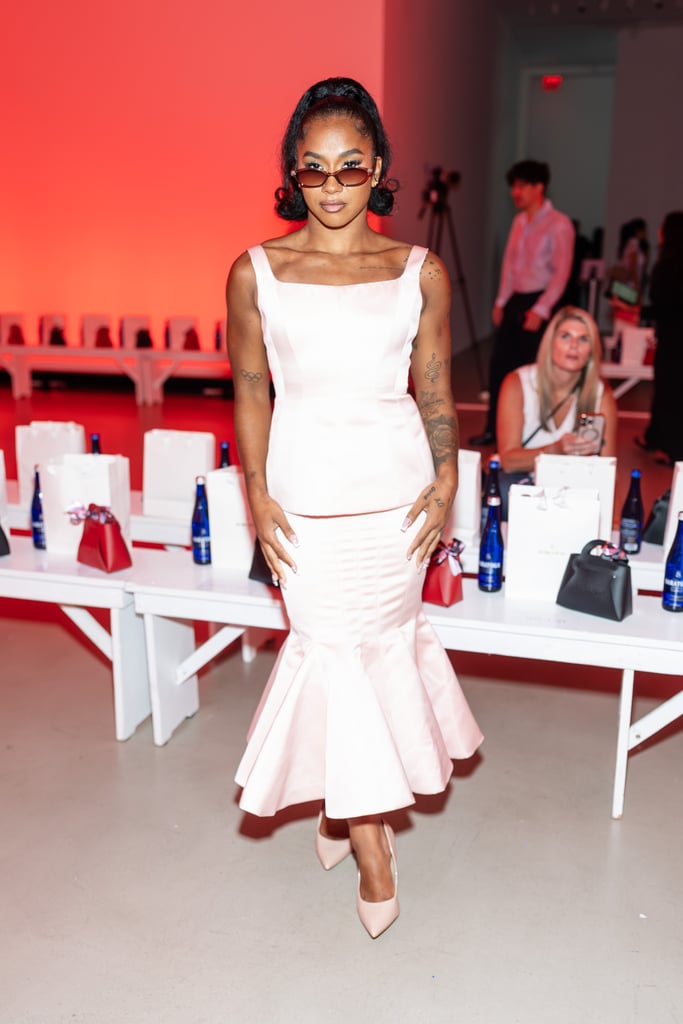
The dynamic intersection of entertainment, sports, and fashion was on full display throughout the recent presentation calendar, particularly during New York Fashion Week. Famous attendees continuously pushed sartorial boundaries, opting for bold silhouettes, conceptual accessories, and meticulously tailored ensembles that paid homage to the heritage of the hosting design houses.
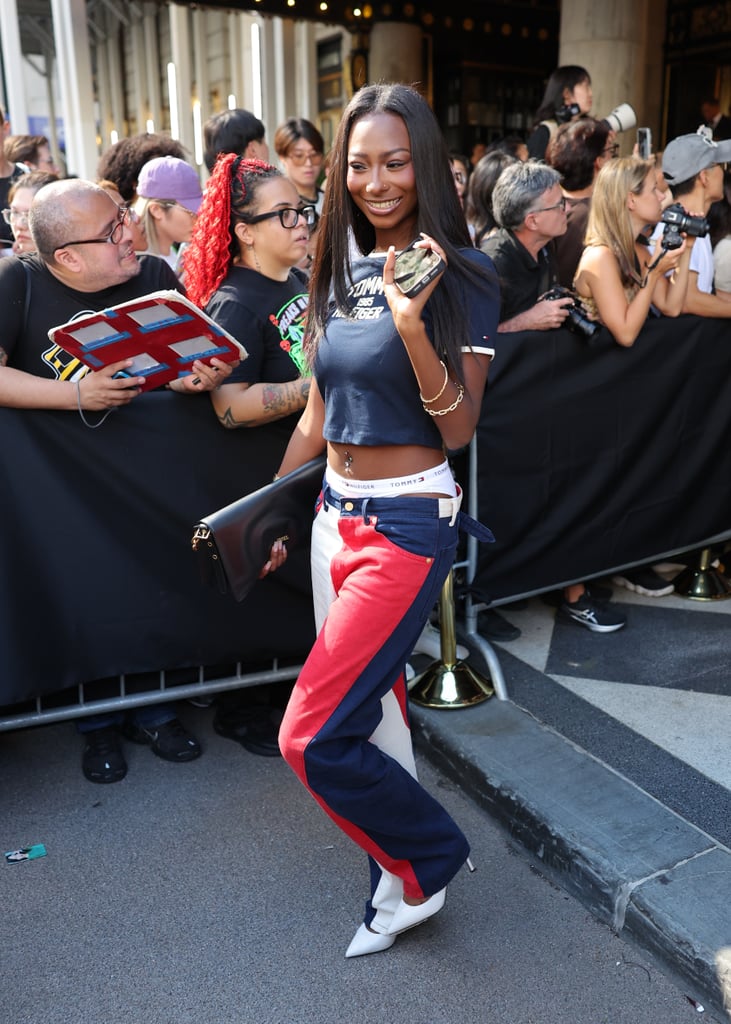
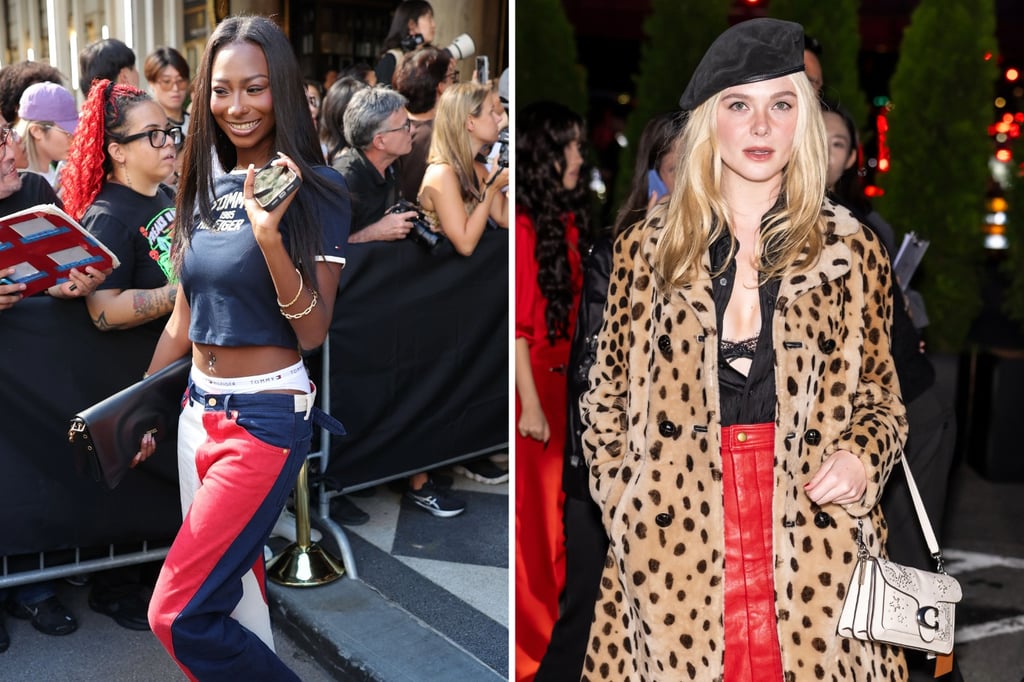
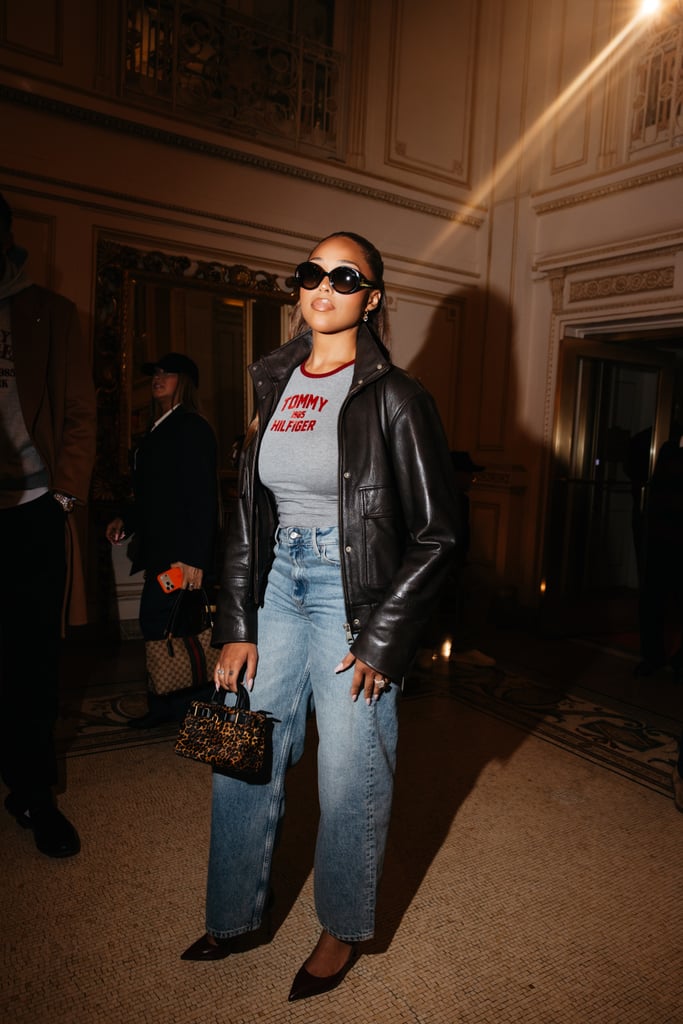
Among the standout moments, reality television breakout Trinity Tatum captured widespread attention at the Tommy Hilfiger runway presentation by wearing a slim-fit varsity logo ringer t-shirt crop top. The piece quickly generated commercial traction, embodying a nostalgic yet contemporary collegiate aesthetic that resonated with Gen Z consumers and trend forecasters alike. Similarly, Jordyn Woods turned heads at the same event carrying the Tommy Hilfiger leopard-print calf hair ultra-mini bag, further cementing the season’s obsession with statement animal prints and micro-accessories.
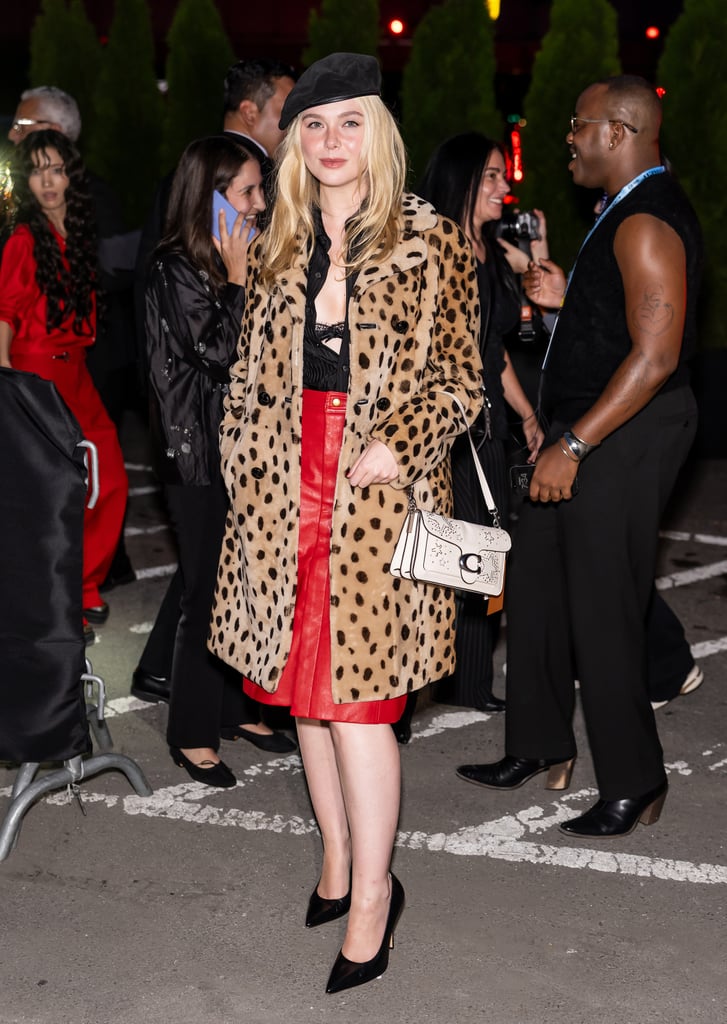
At the Coach spring runway show, actor Elle Fanning delivered one of the most photographed moments of the week. Fanning arrived carrying the Coach Tabby Shoulder Bag 26 in light antique nickel and chalk—a specific iteration of the luxury accessory directly inspired by her style partnership with the brand. She paired the statement handbag with a striking leopard-print coat and a vibrant red skirt, balancing texture and color with effortless precision. Storm Reid also graced the Coach front row, celebrating the brand’s milestone anniversary in a printed dress accessorized with her own variation of the Tabby Shoulder Bag 26.
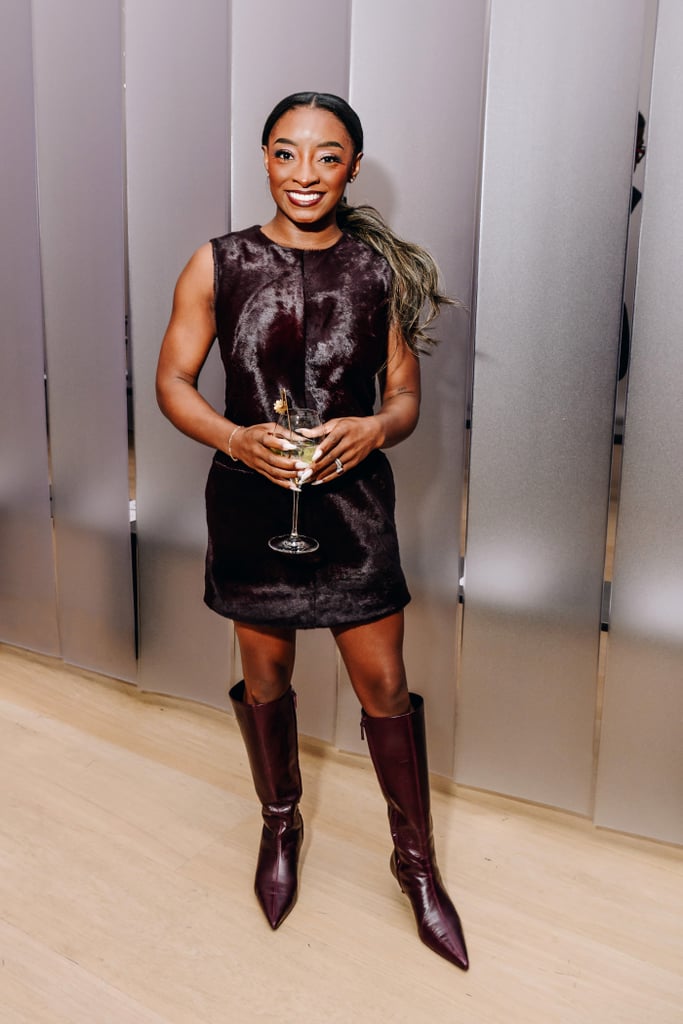
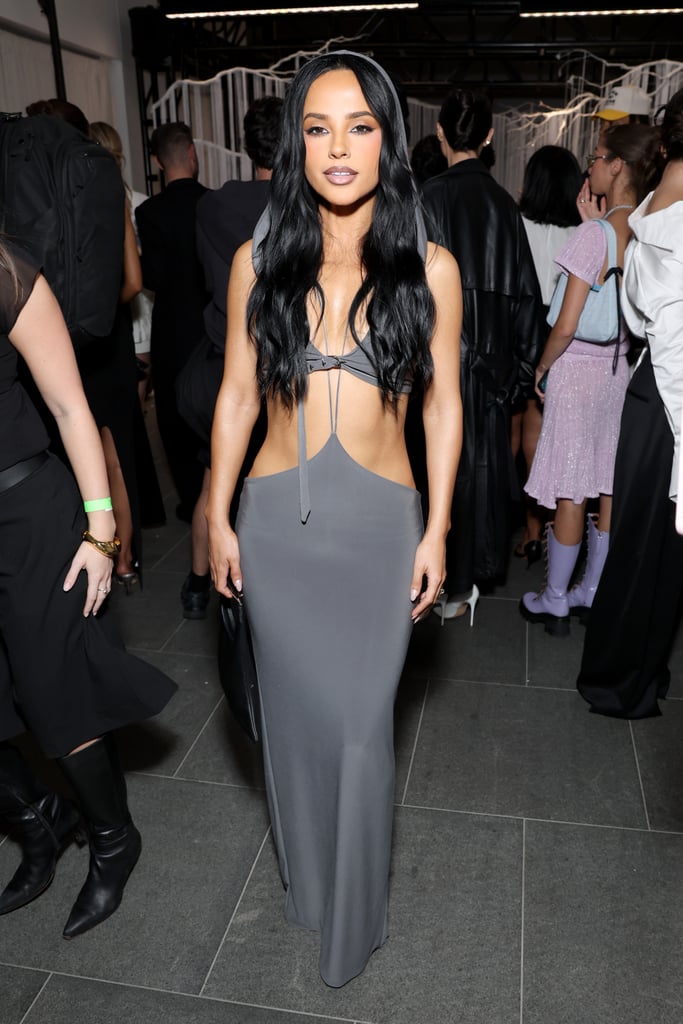
Athletic excellence met high fashion when gymnastics icon Simone Biles attended the Simkhai presentation. Biles showcased a sophisticated aesthetic, wearing a structural Simkhai minidress paired with sleek knee-length boots. She was joined by fellow tennis legend Venus Williams and gymnast Jordan Chiles, reinforcing the growing synergy between elite athletic platforms and luxury fashion houses. Meanwhile, singer-songwriter Becky G delivered a memorable date-night look at the Grace Ling runway show, captivating audiences in a futuristic, architectural cutout hooded gown that highlighted the brand’s penchant for avant-garde tailoring.
Chronology of the Fashion Month Calendar
The global fashion month schedule operates with precise logistical coordination, beginning annually with New York Fashion Week before moving across the Atlantic to London, Milan, and concluding in Paris. The September 2026 showcase kicked off with high-profile events such as Harlem’s Fashion Row Show & Style Awards on September 8, where industry leaders and creatives were honored, and Pattern served as the inaugural official hair and body sponsor. Tracee Ellis Ross made a notable appearance, celebrating the intersection of beauty and Black culture within the fashion ecosystem.
As the New York calendar progressed through mid-September, a rapid succession of major presentations unfolded:
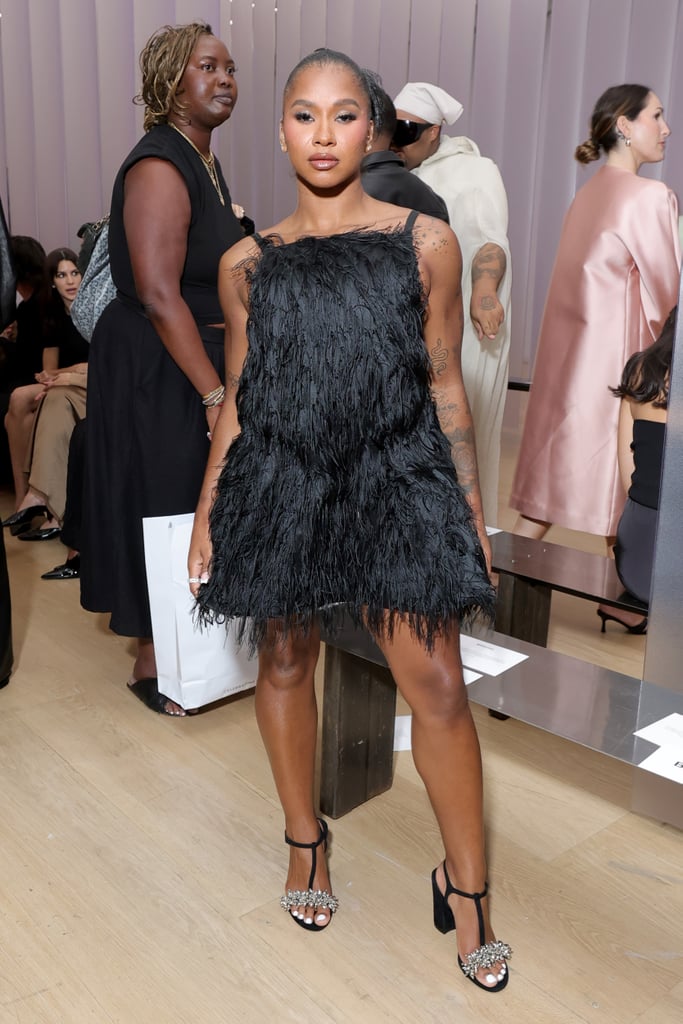
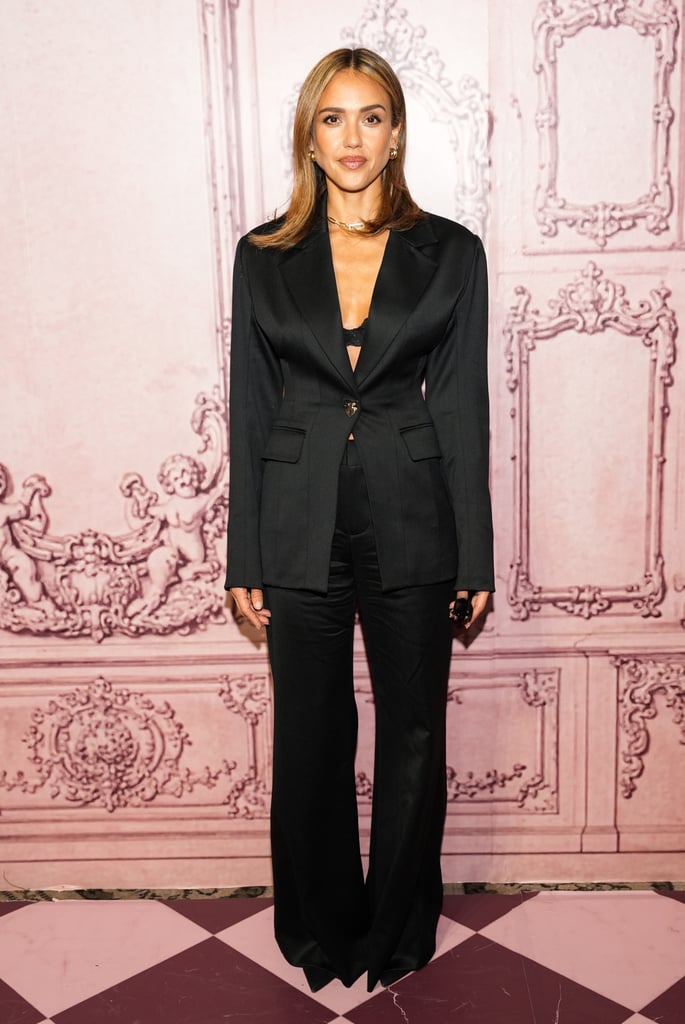
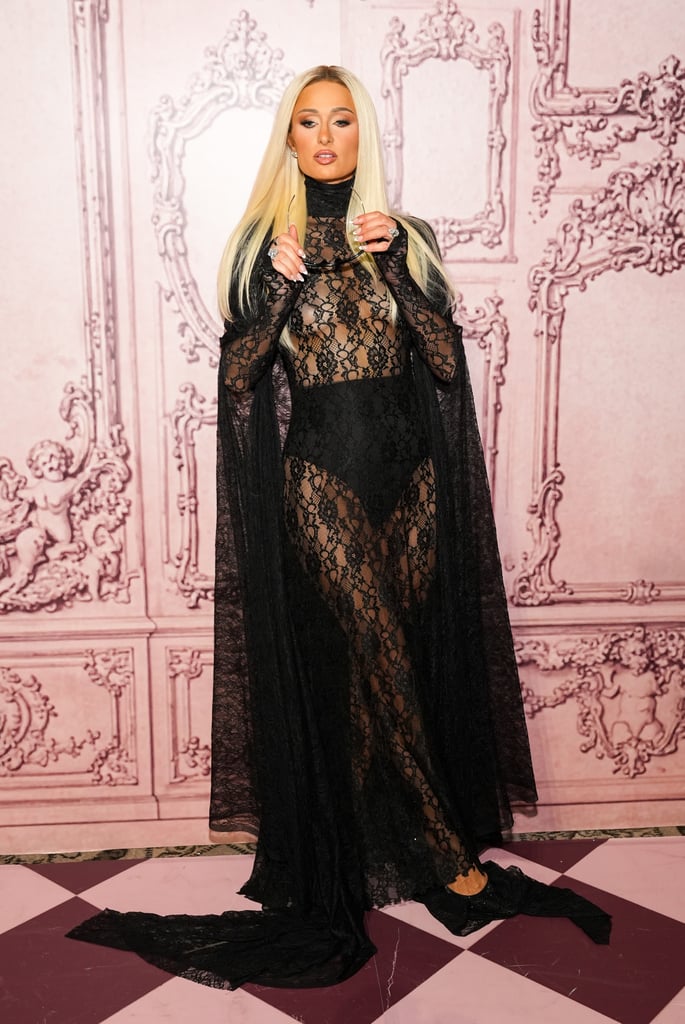
- September 10: The Alice + Olivia presentation brought out prominent figures such as Jessica Alba, Paris Hilton, and Love Island stars Aniya Harvey and Kenzie Annis. Simultaneously, the Christian Siriano runway show featured notable front-row guests including Brandy and Bronwyn Newport.
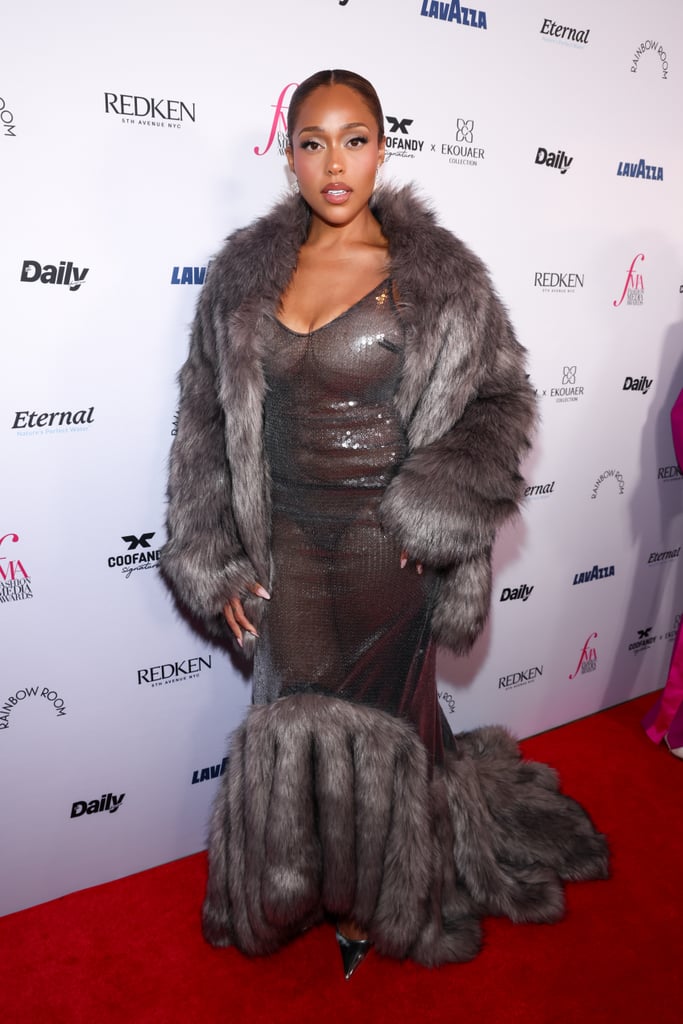
- September 11: The Daily Front Row hosted its prestigious Fashion Media Awards, drawing attendees like Jordyn Woods and Law Roach. On the same day, the Simkhai and Monse runway shows highlighted structured day-to-night dressing.
- September 12: The Altuzarra and Prabal Gurung presentations showcased sophisticated knitwear and tailoring, attended by cultural figures including Tinx, Natalia Bryant, Danielle Brooks, and Coco Jones.
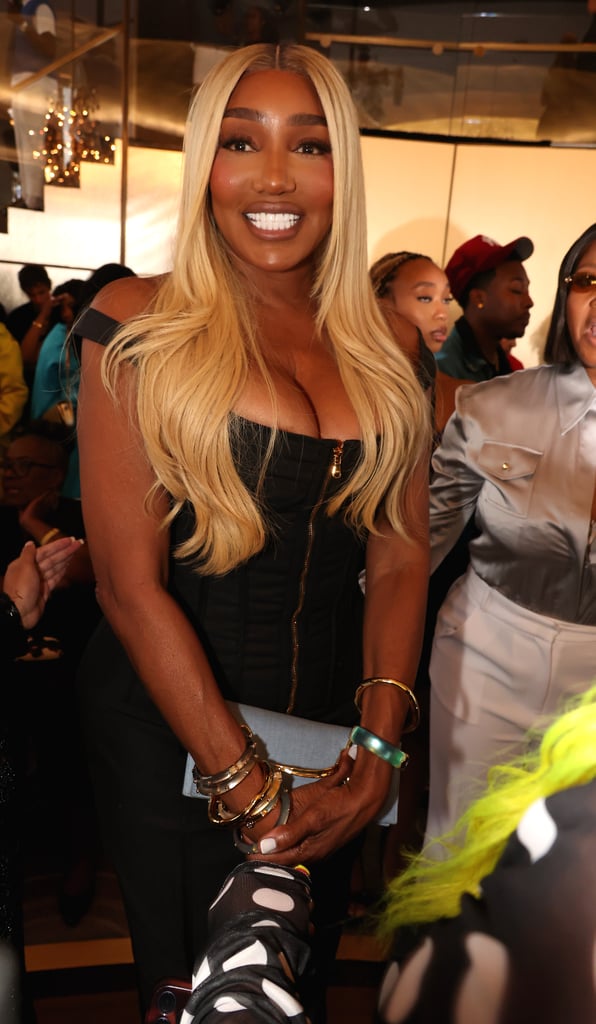
- September 13–14: Sergio Hudson and Luar closed out major New York activations with high-energy runway shows, featuring appearances by Nene Leakes, Winnie Harlow, and unconventional guest appearances such as Ellie the Elephant at Luar.
Following the conclusion of the New York circuit, the fashion ecosystem shifts internationally, with consecutive weeks dedicated to London Fashion Week, Milan Fashion Week, and Paris Fashion Week, extending the global style dialogue through the end of the month.
Supporting Data and Consumer Impact
The commercial implications of celebrity front-row attendance extend far beyond editorial coverage, driving immediate retail engagement through "see-now, buy-now" initiatives and shoppable media integrations. According to retail data analytics from fashion week partnerships, items worn or carried by high-profile attendees experience immediate surges in online search volume and direct purchases.
For instance, the Tommy Hilfiger Slim Fit Varsity Logo Ringer T-Shirt worn by Trinity Tatum debuted at a retail price point of $60, driving accessible luxury engagement among younger demographics. Similarly, the Coach Tabby Shoulder Bag series, featured prominently by Elle Fanning and Storm Reid, remains a cornerstone of the brand’s accessory revenue, retailing between $475 and $595 depending on the finish and hardware specifications.
The integration of digital commerce links within editorial coverage allows consumers to transition seamlessly from passive observers of street style to active participants in retail trends. This direct-to-consumer pipeline has redefined how legacy luxury brands and contemporary labels market their seasonal collections, prioritizing immediate accessibility over traditional six-month production delays.
Broader Industry Implications
The convergence of diverse cultural sectors—spanning reality television, mainstream Hollywood, professional sports, and digital content creation—reflects a strategic democratization of the front row. Historically reserved for elite magazine editors and high-net-worth retail buyers, front-row seating has evolved into a powerful marketing instrument designed to maximize global digital impressions.
Industry analysts note that sports stars like Simone Biles, Venus Williams, and Jordan Chiles commanding front-row seats at major luxury shows underscores the powerful cultural capital athletes hold today. Brands increasingly recognize that elite athletes embody discipline, physical strength, and cultural relevance that resonates deeply with global consumers, making them ideal brand ambassadors.
Furthermore, the stylistic themes emerging from this season point toward a nuanced return to maximalism. While minimalist tailoring maintained a strong presence through brands like Simkhai and Altuzarra, the overall street style and runway accessory trends favored expressive elements: oversize carryalls, bold animal prints, patchwork textiles, and unexpected daytime sequins. This duality suggests that consumers are seeking versatile wardrobes capable of transitioning fluidly from structured professional environments to expressive, statement-driven evening wear.
As Fashion Month continues to evolve across international capitals, the symbiotic relationship between celebrity style and commercial retail will undoubtedly shape consumer preferences for seasons to come. By bridging high-concept runway artistry with accessible, shoppable celebrity inspiration, the global fashion industry ensures that the sartorial narratives established in the front row translate directly into the modern consumer’s wardrobe.