Andy Burnham Unveils Ambitious Plan to Slash Energy Bills by £130 Annually and Revolutionize Home Heating

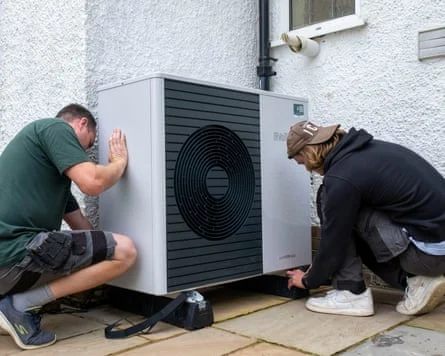
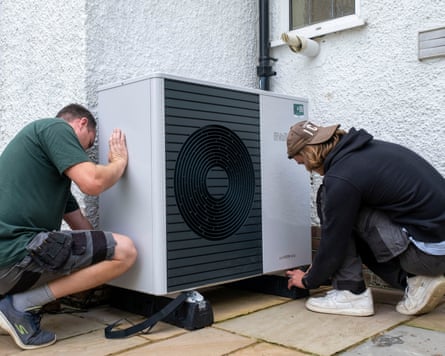
Andy Burnham, the newly elected Labour leader, is reportedly considering a suite of radical proposals designed to significantly alleviate the burden of household energy costs, potentially cutting average bills by £130 a year, and critically, making the operation of a heat pump more economical than a traditional gas boiler. This ambitious initiative is poised to be among his inaugural policy announcements from Downing Street, fulfilling a key pledge made during his leadership acceptance speech on Friday, where he committed to reducing the price of "essentials" for ordinary Britons.
A New Dawn for Energy Policy Under Burnham’s Leadership
Burnham’s ascent to the helm of the Labour Party in July 2026 marks a pivotal moment for the UK’s political landscape, arriving at a time when the nation continues to grapple with persistent cost-of-living pressures and an urgent mandate for climate action. His commitment to tackling the affordability of essential services, particularly energy, resonates deeply with an electorate fatigued by years of economic uncertainty and fluctuating household budgets. The proposed energy reforms, meticulously developed by the independent thinktank Nesta and currently under close examination by Burnham’s strategic team, represent a comprehensive overhaul of the existing energy pricing structure, aiming to rebalance costs, stimulate green technology adoption, and provide immediate financial relief to millions.
The core of Nesta’s proposal involves a fundamental shift in how household gas is charged and the strategic removal of specific policy levies that have historically inflated electricity bills. While these reforms are projected to incur an annual cost of £3.2 billion to the taxpayer, the long-term benefits are framed as twofold: direct financial savings for consumers and a significant acceleration of the UK’s transition to cleaner, more sustainable heating solutions. By intentionally making electricity cheaper relative to gas, the plan seeks to create a compelling economic incentive for households to adopt heat pumps, a technology central to the government’s decarbonisation targets.
The Genesis of the Energy Crisis and the Path to Reform
The backdrop to Burnham’s proposed reforms is a tumultuous period in global and domestic energy markets. The UK, heavily reliant on gas for both heating and electricity generation, was particularly vulnerable to the seismic shocks that began in late 2021. The post-pandemic surge in demand, coupled with geopolitical tensions, most notably Russia’s invasion of Ukraine in February 2022, sent wholesale gas prices spiralling to unprecedented levels. This crisis translated directly into soaring household energy bills, pushing millions into fuel poverty and necessitating unprecedented government intervention, including the Energy Price Guarantee and various cost-of-living payments. In July, just ahead of Burnham’s leadership, the cap on gas and electricity rates rose 13% to the equivalent of £1,862 a year for the average household, exacerbating the pressure on family budgets.
Successive governments have grappled with the dual challenge of ensuring energy security and affordability while simultaneously pursuing ambitious net-zero emissions targets. The Climate Change Act 2008 set a legally binding target for the UK to reduce its greenhouse gas emissions by at least 80% by 2050 compared to 1990 levels, later strengthened to net-zero by 2050. Decarbonising domestic heating, which accounts for a significant portion of the UK’s carbon footprint (around 17% of total emissions), is a critical component of this strategy. Heat pumps, which transfer heat from the air, ground, or water into a home, are widely considered a cornerstone technology for achieving this, offering a highly efficient, low-carbon alternative to traditional gas boilers. However, their adoption has been slow, hindered by high upfront costs (often £10,000-£15,000), perceived performance issues, and crucially, the historical pricing structure that has often made running them more expensive than gas boilers due to electricity being pricier. The UK’s heat pump installation rates lag significantly behind European neighbours like Norway and Sweden, underscoring the need for a major policy intervention.
Andrew Sissons, Director of Nesta’s Sustainable Future project, articulated the long-standing imbalance that the new proposals aim to correct. "For years, legacy policy costs have been heavily loaded on to electricity bills, making clean heating options artificially expensive," Sissons explained. He highlighted that a combination of a "zero-taxpayer-cost reform of the gas standing charge" alongside "targeted tariff cuts" could deliver approximately £130 annually in immediate financial relief for the majority of UK households. Crucially, this would simultaneously establish clean heating as the most economically viable option available in the market, a transformative shift for consumers considering renewable technologies.

Detailed Blueprint for Energy Bill Savings
The Nesta blueprint outlines several interconnected mechanisms designed to achieve these significant savings and reorient the energy market:
-
Reforming the Gas Standing Charge: The gas standing charge is a controversial element of current energy bills, functioning much like a telephone line rental. It is a fixed daily fee, currently averaging around 29p, that consumers pay regardless of their gas consumption. This charge, which adds approximately £106 annually to bills, covers the fixed costs of maintaining the gas grid and meters. Critics argue it disproportionately penalises low-income households, particularly those who conserve energy or live in smaller homes, as they pay the same fixed charge as high-consumption households. This regressive nature has long been a point of contention for consumer groups. Nesta proposes to move these charges into the overall per-unit cost of gas. This means that higher-income households, which typically consume more gas, would bear a greater share of these grid maintenance costs. Conversely, households with smaller incomes or those struggling with fuel poverty, who tend to use less gas, would see their fixed costs reduced. Nesta’s analysis suggests this reform alone could save 84% of the poorest households approximately £22 a year from their overall bills, while also creating greater savings for those who actively reduce their gas use by installing an electric heat pump.
-
Relocating Renewable Energy Levies: Currently, various levies and charges designed to support renewable energy generation (such as the Contracts for Difference, Renewables Obligation, and Feed-in Tariffs) are passed directly onto household electricity bills. These levies, while crucial for funding the transition to green energy and incentivising investment in wind and solar, have inadvertently made electricity relatively more expensive than gas. Nesta recommends shifting these remaining levies into general taxation, a move that would fundamentally alter the cost structure of electricity. This strategic move would directly lower electricity costs by an estimated £42 a year for households, removing an artificial barrier to electrification and making electric heating and electric vehicles more attractive. This approach echoes similar considerations made by the previous Chancellor, Rachel Reeves, who explored moving some levies to general taxation as part of broader efforts to tackle inflation and ease the burden on consumers.
-
Reducing VAT on Electricity Bills: A further proposed measure is to reduce the rate of Value Added Tax (VAT) applied to electricity bills. Currently, domestic energy is subject to a reduced VAT rate of 5%, compared to the standard rate of 20% on most goods and services. While the specific reduction percentage is not detailed, Nesta calculates that any further decrease from this 5% rate would directly translate into additional savings. This specific intervention, if enacted, could save households an additional £41 annually. Combined with the relocation of renewable levies, this would significantly enhance the cost-competitiveness of electricity, making it more appealing for heating and transport needs.
Addressing the Debt Crisis: A One-Off Bailout
Beyond the structural reforms, Nesta has also put forward a significant one-off proposal: clearing the backlog of consumer electricity debts, estimated at £2.7 billion. This substantial bailout would directly provide debt relief for approximately 2 million households currently struggling with unpaid energy bills, offering a critical lifeline to families facing severe financial hardship. The broader benefit extends to all consumers, as the cost of unpaid bills is currently socialised across the entire customer base, adding an estimated £29 a year to every household’s energy bill to cover the shortfall. By clearing this backlog, the financial burden on all households would be reduced, simultaneously offering a lifeline to vulnerable families and streamlining the energy market by removing a persistent drag on the system. This substantial one-off cost, alongside the annual £3.2 billion for ongoing reforms, would need to be financed through the new Chancellor’s first budget in the autumn, with potential tax rises being a likely mechanism to meet these expenditures, as was the case with previous large-scale government interventions.
Timeline and Political Implications
The chronology of these developments underscores the urgency and strategic timing of Burnham’s potential announcement:
- Friday, July 17, 2026: Andy Burnham becomes the new Labour leader, delivering a speech promising to tackle the "price of essentials" and indicating a cost-of-living package as a priority.
- Monday, July 20, 2026 (Expected): Burnham is set to announce his top team, including the crucial appointment of his Chancellor. This appointment has drawn attention, particularly with speculation that Home Secretary Shabana Mahmood might be chosen over former Energy Secretary Ed Miliband, leading to some questioning of Burnham’s green commitments.
- Autumn 2026: The new Chancellor is expected to deliver their first budget, which would be the legislative and fiscal vehicle for implementing these energy reforms and addressing the associated costs.
- Winter 2026/2027: Without intervention, household energy bills are projected to rise significantly due to escalating global oil and gas prices, partly influenced by ongoing conflicts in the Middle East. This imminent crisis provides a strong impetus for immediate action.
The adoption of these proposals would undoubtedly serve to "burnish" Andy Burnham’s green credentials, an aspect of his leadership that has faced scrutiny in recent days. While Burnham insisted on Friday that no final decisions had been made regarding his top team, a robust commitment to climate-friendly policies through tangible consumer benefits could help solidify his environmental standing and unite different factions within the party. For Labour, these proposals align perfectly with a narrative of supporting working families, tackling inequalities, and positioning the UK as a leader in green innovation. The emphasis on making clean heating "the cheapest option" is a powerful message that combines economic relief with environmental responsibility, a potent combination in contemporary politics.
Reactions from Key Stakeholders (Inferred)
While official statements from all parties are pending, the likely reactions to Burnham’s potential energy package can be logically inferred:
- Consumer Advocacy Groups: Organisations like Citizens Advice, National Energy Action, and the Resolution Foundation would likely welcome the proposals, particularly the debt relief and the targeted support for low-income households. They would highlight the urgent need for such interventions amidst the ongoing cost-of-living crisis and widespread fuel poverty, which affects millions of UK households.
- Environmental Organisations: Groups such as Friends of the Earth, Greenpeace, and the Energy and Climate Intelligence Unit (ECIU) would commend the push towards heat pump adoption and the removal of disincentives for electric heating. They might also call for even bolder targets and further investment in renewable energy infrastructure and energy efficiency measures.
- Energy Suppliers and Industry Bodies: The reaction from energy suppliers and trade bodies like Energy UK could be mixed. While a more stable customer base (due to debt relief) and increased demand for heat pump installations might be positive, the restructuring of charges and the shifting of levies could require significant operational adjustments and impact revenue models. Grid operators would likely welcome the long-term investment in electricity infrastructure that increased electrification implies, though they might seek clarity on funding for necessary upgrades.
- The Opposition: The Conservative Party, now in opposition, would likely scrutinise the £3.2 billion annual cost and the £2.7 billion one-off debt relief. They might argue that these are unfunded spending commitments that would necessitate significant tax rises, potentially undermining economic stability. They could also point to their own past efforts in tackling energy costs and supporting green technologies, questioning the novelty or feasibility of Burnham’s plans, perhaps invoking the cautious approach of former Chancellor Rachel Reeves who explicitly ruled out "costly across-the-board support" in favour of targeted measures.
- Treasury Officials and Economic Commentators: The Treasury would be tasked with identifying concrete funding mechanisms for the proposed package, with tax rises being a prominent consideration for the autumn budget. Economic commentators would weigh the benefits of household savings against the fiscal implications, analysing potential impacts on inflation, government debt, and investment. The shift of levies to general taxation would be particularly scrutinised for its effect on the national tax burden and its potential to be viewed as a stealth tax increase.
Broader Impact and Future Outlook
If implemented, Burnham’s energy package could have profound and far-reaching implications across the UK:
- Accelerated Decarbonisation: By making heat pumps demonstrably cheaper to run, the policy would provide a powerful catalyst for their adoption. This is critical for meeting the UK’s ambitious net-zero targets, particularly the government’s target of installing 600,000 heat pumps a year by 2028. This would lead to a significant reduction in carbon emissions from domestic heating, estimated to be responsible for 17% of total UK emissions.
- Alleviation of Fuel Poverty: The targeted reforms to the gas standing charge and the debt relief package would provide crucial support to the most vulnerable households, directly reducing fuel poverty and improving living standards for millions, particularly those on prepayment meters who are often hit hardest by fixed charges.
- Economic Stimulus: Increased demand for heat pumps would stimulate the green energy sector, creating jobs in manufacturing, installation, and maintenance across the country. The overall increase in household disposable income from lower energy bills could also provide a modest boost to consumer spending, fostering economic growth.
- Energy Security: A reduced reliance on imported gas for heating would enhance the UK’s energy security, making the nation less vulnerable to volatile international gas markets and geopolitical disruptions like the ongoing conflict in the Middle East, which is projected to push up energy bills this coming winter. Diversifying the energy mix away from fossil fuels is a long-term strategic imperative.
- Political Capital: For Andy Burnham, successfully delivering on such a comprehensive and impactful energy policy would be a significant early victory, cementing his leadership and demonstrating Labour’s capacity to deliver tangible improvements to people’s lives. It would also differentiate his administration from previous ones that struggled to balance affordability with environmental goals.
However, significant challenges remain. The practicalities of scaling up heat pump installations to the required levels, training a sufficient workforce of skilled installers, and ensuring that the national grid infrastructure can handle the increased electricity demand are considerable logistical hurdles. Public perception and acceptance of new heating technologies also require sustained engagement, education, and support to overcome initial scepticism or resistance. The precise details of the funding mechanisms, particularly any proposed tax rises, will be subject to intense political debate and public scrutiny, and the global energy market will continue to present unpredictable factors.
As the political year progresses towards the autumn budget, all eyes will be on Andy Burnham and his new Chancellor to see how these radical plans are refined, funded, and ultimately brought to fruition, marking a potential turning point in the UK’s long-standing energy dilemma. The proposed package represents not just a promise of cheaper bills, but a strategic vision for a greener, more equitable energy future for Britain.