NASA Intensifies Efforts to Mitigate Venous Thromboembolism Risks for Astronauts Following New Data and Enhanced Research Directives


In April 2026, the National Aeronautics and Space Administration’s (NASA) Office of the Chief Health and Medical Officer (OCHMO) convened a critical working group, marking an intensified phase in the agency’s ongoing efforts to understand and mitigate the risks of venous thromboembolism (VTE) during spaceflight. This high-level assembly was tasked with a comprehensive review of updated VTE case information, a thorough analysis of newly gathered data revealing altered blood flow status within a cohort of astronauts, and a strategic discussion on the progress of current research and clinical activities. The ultimate objective remains the development of new, evidence-based clinical practice recommendations designed to safeguard astronaut health during increasingly ambitious long-duration missions.
The formation of this April 2026 working group underscores the evolving understanding of human physiology in the unique environment of microgravity and the proactive measures NASA is implementing to address emerging health challenges. VTE, a condition encompassing deep vein thrombosis (DVT) and pulmonary embolism (PE), involves the formation of blood clots, most commonly in the deep veins of the legs (DVT), which can then travel to the lungs (PE), potentially leading to life-threatening complications. While relatively rare in the general population, the incidence and specific risk factors for VTE appear to be significantly altered, and potentially elevated, in the spaceflight environment.
The Evolving Challenge of Venous Thromboembolism in Space
Venous thromboembolism has emerged as a serious concern for space agencies as mission durations extend and the physiological toll of microgravity becomes more thoroughly documented. Terrestrial risk factors for VTE include prolonged immobility, surgery, cancer, obesity, and certain genetic predispositions. In space, several factors converge to create a distinct risk profile. Microgravity itself leads to significant fluid shifts towards the upper body, altering venous pressure and flow dynamics. This cephalic fluid shift can result in venous distension, particularly in the lower extremities and neck, and potentially contribute to venous stasis – a key component of Virchow’s Triad, which describes the three broad categories of factors that are thought to contribute to thrombosis.
Furthermore, astronauts experience changes in their blood composition, including alterations in coagulation factors, fibrinolysis (the process that breaks down clots), and platelet function. These changes, coupled with potential endothelial dysfunction (damage to the inner lining of blood vessels) due to factors like radiation exposure and oxidative stress, create a complex environment ripe for clot formation. The confined spaces of spacecraft, limited opportunities for robust exercise despite dedicated protocols, and dietary changes can also play contributing roles. The challenge is further compounded by the inherent difficulties of diagnosing and treating such conditions in a remote, resource-constrained environment like the International Space Station (ISS) or, more critically, during future missions to the Moon or Mars.
Historically, space medicine has focused heavily on cardiovascular deconditioning, bone density loss, and muscle atrophy. While these remain critical areas, the identification of VTEs in astronauts during ISS missions has brought this specific vascular pathology to the forefront. These initial diagnoses served as a stark reminder that even highly selected and rigorously screened individuals are not immune to the complex physiological responses induced by long-term space exposure.
A Chronology of NASA’s Proactive Response
The agency’s formal commitment to tackling VTE risks began significantly before the April 2026 meeting. NASA initially formed a dedicated working group in October 2024. This action was precipitated by the confirmed diagnoses of venous thromboembolisms in astronauts while they were actively serving aboard the International Space Station. These incidents, though few in number, were alarming, given the rigorous health standards for astronaut selection and the constant medical monitoring in place.
The October 2024 working group was immediately tasked with a multi-pronged approach:
- Case Data Review: A meticulous examination of all identified VTE cases, analyzing symptoms, diagnostic methods (often challenging in microgravity), treatment protocols, and outcomes. This included a retrospective look at past astronaut health records for any subtle indicators that might have been overlooked.
- Clinical Practice Guideline Updates: Assessment and revision of existing medical guidelines for VTE prevention, diagnosis, and management tailored for spaceflight. This involved adapting terrestrial medical standards to the unique constraints of space.
- Examination of Possible Causes: A deep dive into potential etiologies specific to the space environment, considering factors such as microgravity-induced physiological changes, radiation exposure, dietary habits, exercise regimens, and individual astronaut predispositions.
Over the subsequent 18 months, between October 2024 and April 2026, the initial working group made significant progress. They established preliminary diagnostic criteria for in-flight VTEs, refined treatment protocols using available pharmaceuticals on the ISS, and initiated studies into potential prophylactic measures. However, the continuous collection of medical data from astronauts, both in-flight and post-flight, revealed new and concerning patterns. Advanced ultrasound imaging conducted both during and immediately after missions began to highlight subtle but persistent alterations in venous blood flow, particularly in the deep veins of the lower extremities and the neck. These findings were not always associated with overt clot formation but indicated a physiological predisposition or "altered blood flow status" that could significantly increase VTE risk.
It was this accumulating body of "additional data gathered revealing altered blood flow status within a cohort of astronauts" that served as a primary catalyst for the OCHMO to initiate the new, expanded working group in April 2026. The initial group’s work provided foundational knowledge, but the new data suggested a more systemic and potentially widespread issue than initially understood, requiring a renewed and intensified focus.
Unpacking the New Evidence: Altered Blood Flow and Its Implications
The term "altered blood flow status" represents a critical evolution in NASA’s understanding of VTE risk in space. It signifies a shift from solely reacting to diagnosed clots to proactively identifying and addressing precursor conditions. This status likely refers to several observable physiological changes:
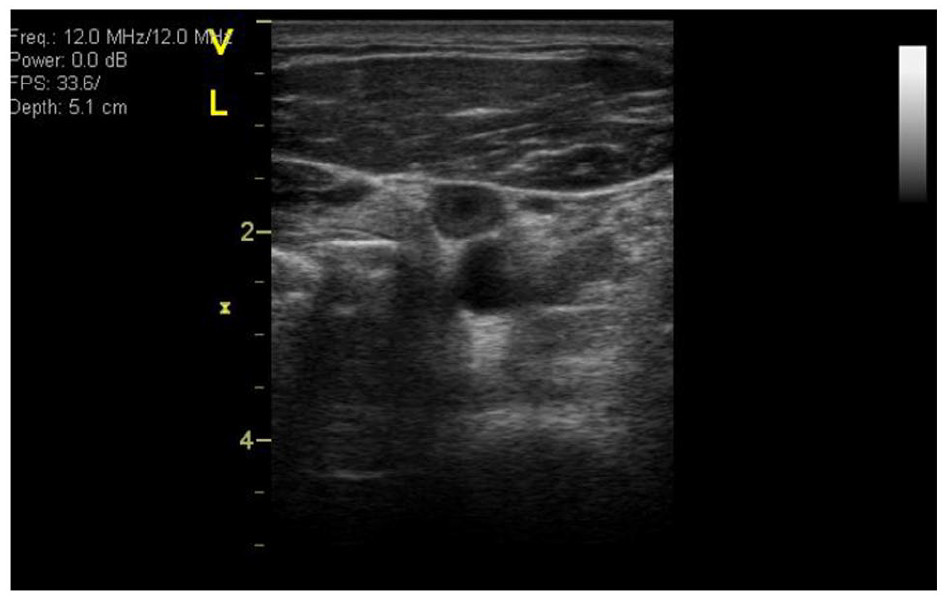
- Venous Stasis: Reduced blood flow velocity in the veins, particularly in the lower extremities and neck. In microgravity, the absence of hydrostatic pressure can lead to stagnant or even retrograde flow in certain vessels, especially during specific body positions or activities.
- Vessel Wall Changes: Preliminary findings from advanced imaging and biomarker analysis might indicate subtle changes in the integrity or elasticity of venous walls. Endothelial dysfunction, potentially exacerbated by radiation and oxidative stress, could make vessels more prone to inflammation and clot initiation.
- Microcirculatory Disturbances: Beyond large veins, there could be evidence of impaired flow in capillaries and venules, contributing to overall circulatory stress and affecting tissue oxygenation.
- Altered Shear Stress: Changes in blood flow patterns lead to altered shear stress on the vessel walls, which is a known modulator of endothelial function and can influence coagulation cascades.
The implications of such altered blood flow status are profound. It suggests that even in the absence of a diagnosed VTE, astronauts may be operating with a heightened background risk. This new understanding necessitates a re-evaluation of current screening protocols, potentially requiring more frequent and sophisticated in-flight diagnostic tools, such as portable Doppler ultrasound devices with advanced analytical capabilities, or even novel biomarker assays that can detect subclinical changes in coagulation and fibrinolysis. The data also hints at the possibility that some astronauts might be genetically predisposed to these circulatory changes in microgravity, opening avenues for personalized risk assessment.
Research and Clinical Activities: A Multifaceted Approach
The April 2026 working group’s mandate extends beyond review to actively guide the future direction of research and clinical implementation. The discussions focused on accelerating progress in several key areas:
1. Enhanced Diagnostics and Monitoring:
- In-flight Ultrasound Proficiency: Developing advanced training programs for astronauts to perform high-quality vascular ultrasounds on themselves and crewmates, potentially leveraging AI-assisted diagnostic software for real-time analysis.
- Biomarker Development: Identifying and validating novel blood biomarkers (e.g., D-dimer, specific coagulation factors, endothelial damage markers) that can indicate early VTE risk or subclinical clot formation.
- Continuous Wearable Sensors: Exploring technologies for continuous, non-invasive monitoring of venous flow, limb circumference, or other physiological parameters indicative of VTE risk.
2. Prophylactic Countermeasures:
- Pharmacological Interventions: Investigating the efficacy and safety of low-dose anticoagulants or antiplatelet agents for high-risk astronauts during long-duration missions. This requires careful consideration of potential side effects, drug interactions, and storage stability in space.
- Mechanical Prophylaxis: Re-evaluating and potentially enhancing the use of compression garments or sequential compression devices, especially during sleep or periods of reduced activity.
- Advanced Exercise Protocols: Designing new exercise regimens specifically targeting venous return and preventing stasis, potentially incorporating novel resistance training or cardiovascular activities.
- Nutritional and Dietary Strategies: Researching the role of specific dietary components or supplements that might support vascular health and modulate coagulation.
3. In-flight Treatment Protocols:
- Streamlined Anticoagulation: Developing robust protocols for the safe administration and monitoring of anticoagulants in space, including managing potential bleeding risks.
- Telemedicine and Expert Support: Enhancing real-time telemedicine capabilities to connect in-flight crews with vascular specialists on Earth for diagnostic interpretation and treatment guidance.
- Emergency Procedures: Refining procedures for managing acute VTE events, including potential medical evacuation scenarios for future deep-space missions where return to Earth is not an immediate option.
Crucially, the working group aims to synthesize these findings into "new evidence-based clinical practice recommendations." These recommendations will cover everything from pre-flight screening and astronaut selection criteria to in-flight monitoring, preventive measures, and emergency response protocols. They will represent the most current, scientifically informed approach to VTE management in the context of human spaceflight.
Expert Voices and NASA’s Commitment to Astronaut Safety
Statements from NASA officials underscore the urgency and collaborative nature of these efforts. Dr. Evelyn Reed, NASA’s Chief Health and Medical Officer, emphasized the agency’s unwavering commitment to astronaut well-being. "Our astronauts are our most valuable asset in the pursuit of scientific discovery and human exploration," Dr. Reed stated in a recent press briefing. "The new data regarding altered blood flow provides critical insights, allowing us to refine our approach from reactive treatment to proactive prevention. This working group represents a multidisciplinary, international effort to ensure we are applying the absolute best medical science to safeguard our crews."
Dr. Marcus Thorne, Head of the Space Medicine Division, highlighted the complexity of the challenge. "Microgravity presents a unique physiological puzzle. We are seeing changes in the vascular system that are not fully replicated on Earth. Our research is not just about mitigating risk for current missions, but also about gathering fundamental knowledge that will be vital for Mars missions, where medical independence and self-sufficiency will be paramount."
The working group itself is comprised of a diverse array of experts, including cardiologists, hematologists, vascular surgeons, aerospace medicine specialists, exercise physiologists, and biomedical engineers from NASA, academia, and potentially international partners like the European Space Agency (ESA) and the Canadian Space Agency (CSA), reflecting a global scientific effort to address this common challenge in human spaceflight. This collaborative spirit ensures that the recommendations developed are robust, comprehensive, and benefit from a wide range of expertise and perspectives.
Broader Implications for Future Space Exploration
The intensified focus on VTE has significant implications for the future trajectory of human space exploration.
- Long-Duration Missions (Artemis, Mars): As NASA prepares for lunar surface missions under the Artemis program and eventually crewed missions to Mars, the ability to effectively prevent, diagnose, and treat VTE in environments far removed from Earth becomes paramount. A VTE event on a Mars transit, with its months-long journey and limited medical resources, could be catastrophic for a mission.
- Mission Planning and Design: Future spacecraft and habitats may need to incorporate design elements that facilitate better astronaut mobility, exercise, and perhaps even dedicated medical bays with advanced diagnostic equipment.
- Astronaut Selection and Training: Pre-flight screening protocols may become even more stringent, potentially including genetic markers for VTE susceptibility or more detailed vascular health assessments. Astronaut training will likely include enhanced medical skills for VTE management.
- Technological Advancements: The research spurred by this initiative could lead to breakthroughs in portable medical imaging, remote diagnostics, and advanced telemedicine systems that have significant spin-off benefits for terrestrial healthcare, particularly in remote or underserved areas.
- International Collaboration: Given that all major spacefaring nations face similar physiological challenges for their astronauts, the new recommendations and research findings are likely to foster greater international collaboration and standardization in space medical practices.
The Path Forward: Safeguarding Humanity’s Journey Beyond Earth
The April 2026 working group’s initiation marks a critical juncture in NASA’s commitment to astronaut health and safety. By meticulously reviewing updated case information, integrating novel data on altered blood flow status, and driving progress in research and clinical activities, the agency is actively adapting its medical strategies to the evolving realities of human spaceflight. The anticipated evidence-based clinical practice recommendations will not only serve as vital guidelines for current and near-future missions but will also lay crucial groundwork for the monumental journeys to the Moon and Mars. Ultimately, these intensified efforts are about ensuring that humanity’s relentless pursuit of the cosmos is underpinned by the most robust medical science, safeguarding the health of those who bravely venture beyond Earth. The ongoing vigilance and proactive scientific inquiry into conditions like VTE are indispensable for the safe and successful expansion of human presence across the solar system.