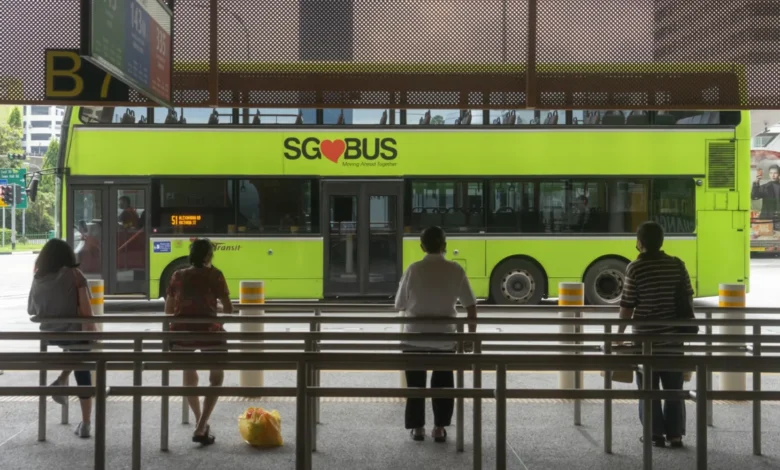
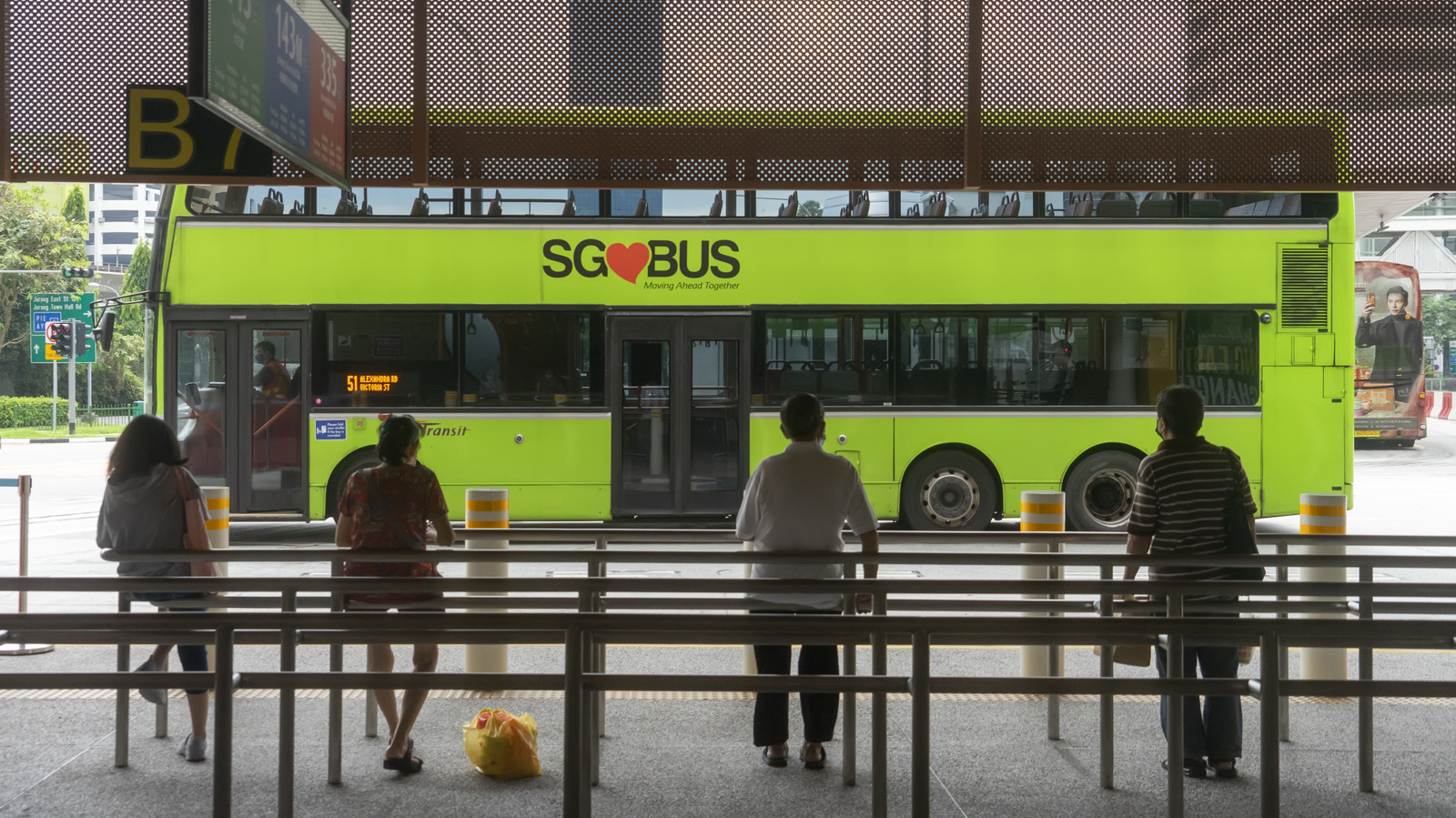
As global fuel costs maintain historic highs, urban centers worldwide are witnessing a significant migration toward mass transportation. While this shift toward public transit serves as a necessary environmental and economic strategy, it has simultaneously brought the complexities of social etiquette and shared space management to the forefront of municipal policy. Singapore, a city-state long recognized for its stringent social order and impeccably maintained public infrastructure, has recently escalated its efforts to enforce communal standards on its bus and rail networks. By formalizing a series of administrative fines for disruptive behaviors, the Land Transport Authority (LTA) is signaling a zero-tolerance approach to conduct that compromises the comfort and safety of the commuting public.
The Legislative Framework and Timeline
The shift toward more rigid enforcement began in earnest in December 2024, when the LTA initiated a comprehensive public awareness campaign. Throughout the transit network, visual signage was deployed to remind passengers of expected behaviors: maintaining moderate noise levels, occupying only a single seat, and refraining from floor-seating. These early warnings served as a transitionary period before the legislative muscle of the Singaporean government was applied.
In October 2025, the Parliament of Singapore passed a landmark amendment to the Public Transport Council Act. This legislative action granted the Land Transport Authority expanded powers to regulate behavior beyond the scope of local transit operators. Previously, bus drivers and station staff were limited to requesting that unruly passengers disembark or, in extreme cases, involving the police. The new mandate empowers authorized transit staff to issue "administrative notifications" to individuals suspected of violating the code of conduct. These notifications initiate a formal investigation by the LTA, which can subsequently lead to the imposition of heavy financial penalties.
Defining Disruptive Behavior
The scope of the new enforcement strategy is broad, targeting a variety of behaviors that have historically been considered social nuisances rather than criminal offenses. Under the updated regulations, the following activities are now subject to immediate financial sanctions:
- Auditory Pollution: The use of speakerphones for calls, or the playing of music, videos, and social media content at high volumes without the use of headphones.
- Improper Use of Facilities: Placing feet on seats, occupying multiple seats in crowded conditions, or sitting on the floor, which can obstruct pathways and create safety hazards.
- Sanitation Violations: Leaving trash behind or engaging in unauthorized consumption of food and beverages, which compromises the hygiene standards for which Singapore’s transit system is globally noted.
The fine structure is tiered based on the severity of the infraction. Minor disturbances, such as loud audio playback or littering, carry a penalty of approximately 500 SGD (roughly $390 USD). More severe violations—such as acts that cause damage to public property or endanger the safety of fellow passengers—can result in fines reaching 5,000 SGD ($3,900 USD). These penalties align with the existing, long-standing regulatory framework that has governed Singapore’s Mass Rapid Transit (MRT) subway system for decades, effectively unifying the rules across all modes of public conveyance.
Global Context and Comparative Analysis
Singapore’s move to codify transit etiquette is not an isolated phenomenon; it represents a growing trend in metropolitan governance. Cities worldwide are grappling with the "sodcasting" phenomenon—the public broadcasting of personal audio—and are increasingly turning to legislation to mitigate the issue.
In Europe, the approach has been similarly aggressive. In France, municipal authorities in the Nantes region have successfully issued fines of up to $200 to individuals who refuse to silence speakerphone conversations on trains. Meanwhile, in London, the Transport for London (TfL) authority launched an intensive etiquette campaign in 2025 targeting "headphone dodgers." British authorities have utilized the threat of fines up to £1,000 ($1,350 USD) for passengers who persist in disruptive behavior after being instructed to cease by staff.
Beijing and Toronto have also implemented specific bans on audio playback without personal listening devices, citing the need for a peaceful environment in densely populated transit hubs. These measures are often framed by local governments as essential for maintaining the mental well-being of the workforce, ensuring that the daily commute remains a neutral, stress-free experience.
Official Response and Public Impact
While civil libertarians in various jurisdictions have occasionally questioned the scope of transit-based policing, the public response in Singapore and other high-density cities has generally been one of support. Supporters argue that public transit is a communal utility; therefore, the "right" to occupy space entails a responsibility to respect the comfort of others.
The LTA has maintained that these fines are not intended to be revenue generators, but rather tools for behavior modification. The administrative notification system is designed to provide a clear, documented path to accountability. By creating a paper trail of offenses, the authority can track repeat offenders and apply stricter measures if necessary. From an operational standpoint, this is expected to reduce the burden on transit staff, who have historically been caught in the middle of passenger-to-passenger disputes.
Economic and Societal Implications
The move by the Singaporean government invites a broader discussion regarding the monetization of public order. As public transit agencies globally face budget deficits—often exacerbated by the post-pandemic decline in ridership and rising operational costs—the implementation of fines serves as a secondary benefit to the system’s bottom line.
If other nations, particularly the United States, were to adopt similar models, the impact would be multifaceted. Beyond the immediate fiscal gain, such policies could improve the overall perception of public transit. In many U.S. cities, transit systems suffer from a "reputation deficit," where the perception of disorder keeps potential riders away. By enforcing strict standards of conduct, agencies could theoretically attract a broader demographic of commuters who currently opt for private vehicles to avoid the perceived chaos of public spaces.
However, the challenge for such systems remains implementation. The United States lacks the centralized, high-density transit culture and the robust enforcement infrastructure present in Singapore. A successful rollout of such policies in the U.S. would require significant investment in monitoring and, potentially, the integration of AI-driven surveillance to identify violations in real-time. While the Transportation Secretary has recently proposed substantial investments in airport-related AI technologies, the application of such systems to local bus and rail networks remains a speculative, albeit potentially lucrative, proposition.
Conclusion: A Future of Shared Standards?
As the world becomes more densely populated and urbanization continues at a rapid pace, the "tragedy of the commons" in public spaces will likely require more robust management. Singapore’s experiment with tiered fines for transit misconduct provides a roadmap for other cities to follow. By prioritizing communal peace and sanitation, the city-state is not merely punishing individuals; it is attempting to preserve the functionality of the transit systems that sustain its economy.
Whether these fines will result in a long-term behavioral shift remains to be seen. However, the precedent is clear: in an era of shared resources, the days of unrestricted, disruptive behavior on public transit are numbered. For the millions of commuters who rely on these systems daily, the prospect of a quieter, cleaner, and more orderly commute may well be worth the cost of enforcement. The experiment in Singapore serves as a reminder that when the public utilizes shared infrastructure, the rights of the collective inevitably take precedence over the unchecked behaviors of the individual.