
Category Social And Political Movements
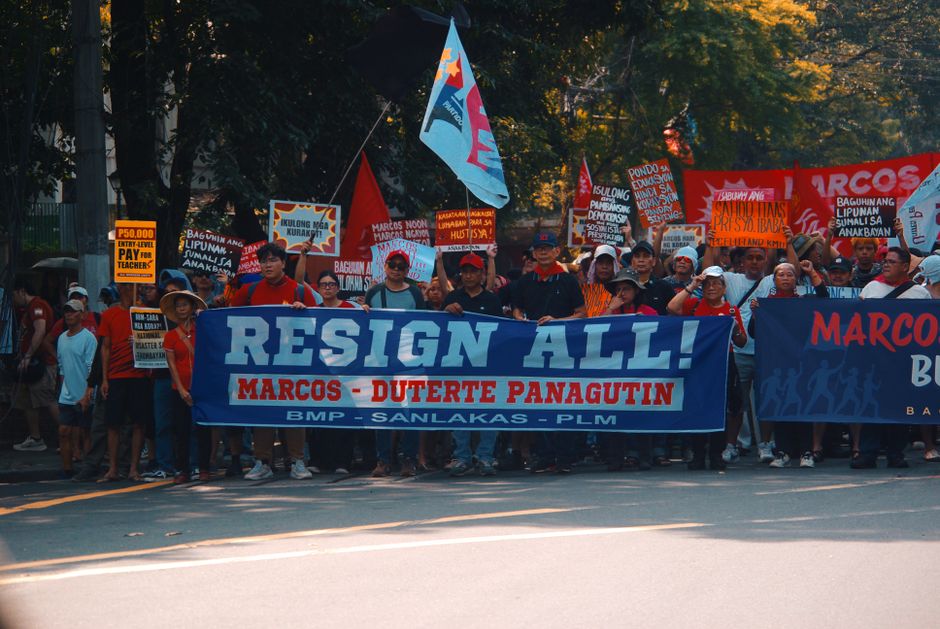
Navigating the Shifting Sands: A Deep Dive into Social and Political Movements
Social and political movements represent a fundamental force in shaping societies, driving change, and challenging existing power structures. These collective actions, often emerging from a shared sense of grievance or aspiration, aim to alter existing norms, policies, or the very fabric of governance. Understanding the dynamics, motivations, and impacts of these movements is crucial for comprehending historical shifts and anticipating future societal trajectories. They are not monolithic entities but rather complex ecosystems of individuals, organizations, ideologies, and strategies, constantly evolving in response to internal dynamics and external pressures. The study of these movements draws from sociology, political science, history, and communication studies, offering a multi-faceted lens through which to analyze their genesis, development, and eventual outcomes.
The genesis of social and political movements is typically rooted in a perceived injustice, inequality, or a widespread desire for a particular form of change. This can range from economic disparities and human rights violations to environmental concerns and ideological clashes. These grievances, when amplified and shared among a significant portion of the population, create fertile ground for collective action. Early stages often involve the articulation of these grievances, the formation of nascent groups, and the development of a shared identity and purpose. Key figures, often referred to as "framers," play a critical role in defining the problem, identifying the desired solution, and mobilizing others to join the cause. Resource mobilization theory, a prominent framework in movement studies, emphasizes the importance of acquiring and effectively deploying resources – financial, organizational, human, and informational – for a movement to gain traction and sustain its efforts. Without these essential components, even the most passionately held beliefs can struggle to translate into tangible action.
Ideology serves as the intellectual bedrock of many social and political movements, providing a coherent set of beliefs, values, and goals that guide their actions and define their vision for the future. Whether it’s the pursuit of liberty and equality in liberal movements, the call for social justice and economic redistribution in socialist movements, or the assertion of national identity and self-determination in nationalist movements, ideology offers a framework for understanding the world and advocating for a specific path forward. These ideologies are not static; they can evolve, adapt, and even splinter over time, leading to internal debates and different factions within a movement. The process of framing, as mentioned earlier, is intimately tied to ideology. It involves constructing a narrative that resonates with potential supporters, defining who is responsible for the problem, and articulating a clear and compelling vision of a better future. Effective framing can transform abstract grievances into concrete calls for action, making the movement’s goals understandable and desirable to a wider audience.
The structure and organization of movements vary significantly. Some are highly centralized with clear leadership and hierarchical structures, while others are more decentralized and loosely affiliated, relying on networks and grassroots mobilization. Decentralized movements can be more agile and resilient, able to adapt quickly to changing circumstances. However, they may also struggle with coordination and presenting a unified front. Centralized structures can offer greater discipline and strategic focus, but they can also be more vulnerable to suppression or internal dissent. The role of social media and digital platforms has profoundly impacted movement organization, enabling rapid communication, information dissemination, and the formation of virtual communities of support. This has democratized participation and allowed movements to bypass traditional gatekeepers of information. However, it also presents challenges, including the spread of misinformation, online surveillance, and the potential for echo chambers that reinforce existing beliefs without critical engagement.
Tactics employed by social and political movements are diverse and strategically chosen to achieve specific objectives. These can range from peaceful forms of protest, such as marches, boycotts, and civil disobedience, to more confrontational methods, including strikes, riots, and in extreme cases, armed struggle. The choice of tactics is often influenced by the movement’s ideology, the political context, the resources available, and the perceived effectiveness of different approaches. Non-violent resistance, popularized by figures like Mahatma Gandhi and Martin Luther King Jr., has proven to be a powerful tool for change, capable of generating broad public sympathy and undermining the legitimacy of oppressive regimes. However, the effectiveness of non-violent tactics can depend on the responsiveness of the target audience. When confronted with intransigent power structures, movements may reassess their tactical repertoires.
Political opportunity structures, a key concept in the study of movements, refer to the external political conditions that can either facilitate or hinder the development and success of a movement. These include the degree of openness or closure of the political system, the stability of elite alignments, the availability of influential allies, and the state’s capacity for repression. A political system that is open to dissent and provides avenues for participation is more likely to foster successful movements. Conversely, closed systems and repressive states can stifle dissent, forcing movements underground or leading to their premature demise. The presence of sympathetic political elites, sympathetic media coverage, or even divisions within the ruling establishment can create crucial openings for movements to exert pressure and achieve their goals.
The success of a social or political movement is not solely determined by its internal dynamics and strategies but also by its ability to engage with and influence existing political institutions. This can involve lobbying, electoral participation, or direct engagement with policymakers. Movements may seek to pass legislation, influence judicial decisions, or alter public policy through sustained advocacy. The interplay between movements and institutions is complex. Movements can pressure institutions to change, and institutions can, in turn, co-opt or channel movement energy in ways that may or may not align with the original aspirations of the movement. This can lead to debates about "selling out" or achieving incremental gains versus pursuing revolutionary change.
The outcomes of social and political movements are varied and often multifaceted. Some movements achieve their stated goals, leading to significant societal transformations, such as the abolition of slavery, the granting of suffrage, or the establishment of new rights. Others may achieve partial victories, leading to incremental changes, or fail to achieve their objectives, sometimes due to internal divisions, external repression, or a lack of sustained support. The legacy of a movement can extend beyond its immediate outcomes, shaping public discourse, influencing future generations, and inspiring subsequent movements. Even movements that are deemed "failures" in their immediate aims can leave behind a lasting impact by raising awareness, challenging existing norms, and laying the groundwork for future struggles.
The study of social and political movements is an ongoing and evolving field. Contemporary movements, from the Arab Spring and Black Lives Matter to climate activism and digital rights advocacy, continue to demonstrate the enduring power of collective action in shaping the modern world. Examining their strategies, their use of new technologies, and their interactions with globalized political and economic systems provides critical insights into the challenges and opportunities for social and political change in the 21st century. The interconnectedness of global issues means that movements can have international repercussions, inspiring solidarity and action across borders. Understanding these complex dynamics is not merely an academic pursuit; it is essential for navigating a world characterized by constant flux and the persistent human drive for a more just and equitable future. The ongoing evolution of digital communication, artificial intelligence, and global power dynamics will undoubtedly continue to shape the nature and impact of social and political movements for decades to come.
