CPC Corporation, Taiwan Faces Growing Solvency Concerns Amid 850 Billion TWD Debt Burden and Looming Bankruptcy Risks

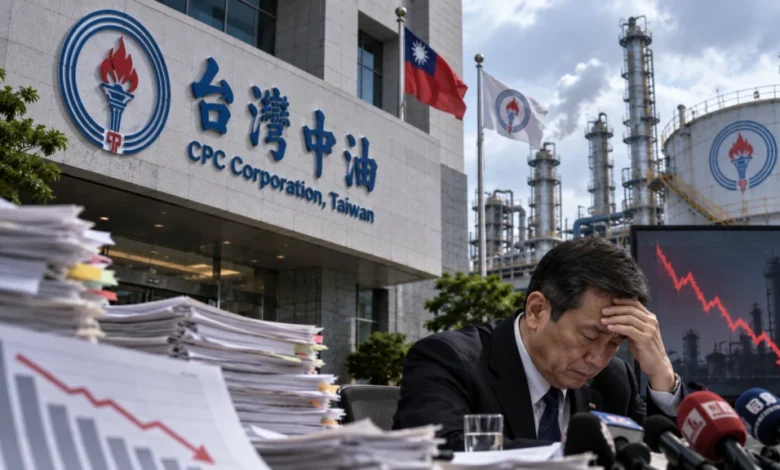
CPC Corporation, Taiwan, one of the island’s premier state-owned energy enterprises, is facing an unprecedented financial crisis. Burdened by a staggering debt load of approximately NT$850 billion, the company is confronting severe fiscal pressures that have triggered urgent warnings from financial analysts and industry observers regarding potential bankruptcy and corporate restructuring risks. Compounded by global geopolitical instability, surging international crude oil prices, and government-mandated price stabilization mechanisms, CPC’s financial health has deteriorated to a critical juncture. Observers warn that without comprehensive structural reforms, capital injections, or regulatory relief, the enterprise could face insolvency by 2027, raising alarms throughout Taiwan’s broader industrial and economic landscape.
The Daily Cost of Debt and the Mechanics of State-Owned Subsidies
At the core of CPC Corporation’s current financial distress is the staggering cost of servicing its NT$850 billion debt. On a daily basis, the company must allocate millions of New Taiwan Dollars merely to pay accumulating interest, a dynamic that severely restricts its operational flexibility and capital expenditure capabilities. This fiscal bleeding is not a sudden occurrence but rather the cumulative result of years of absorbed losses.
Because CPC is a state-owned enterprise charged with maintaining energy security and price stability for the domestic market, it has frequently been utilized as a macroeconomic shock absorber. When international energy prices spike—driven by geopolitical conflicts, supply chain disruptions, or OPEC+ production quotas—the Taiwanese government often directs CPC and Taiwan Power Company (Taipower) to absorb the cost increases rather than passing them in full to consumers.
While this policy protects citizens and domestic industries from immediate inflationary shocks, it creates severe structural deficits for the energy providers. For CPC, this has meant years of suppressed profit margins, leaving the company heavily reliant on debt financing to cover its day-to-day operational costs and petroleum procurement.
Tracing the Roots of the Crisis to the 2022 Energy Shock
To understand the systemic nature of CPC’s financial vulnerability, analysts point back to the monumental energy crisis of 2022. Following the onset of the Russia-Ukraine war, global crude oil, natural gas, and liquefied natural gas (LNG) prices skyrocketed to historic highs.
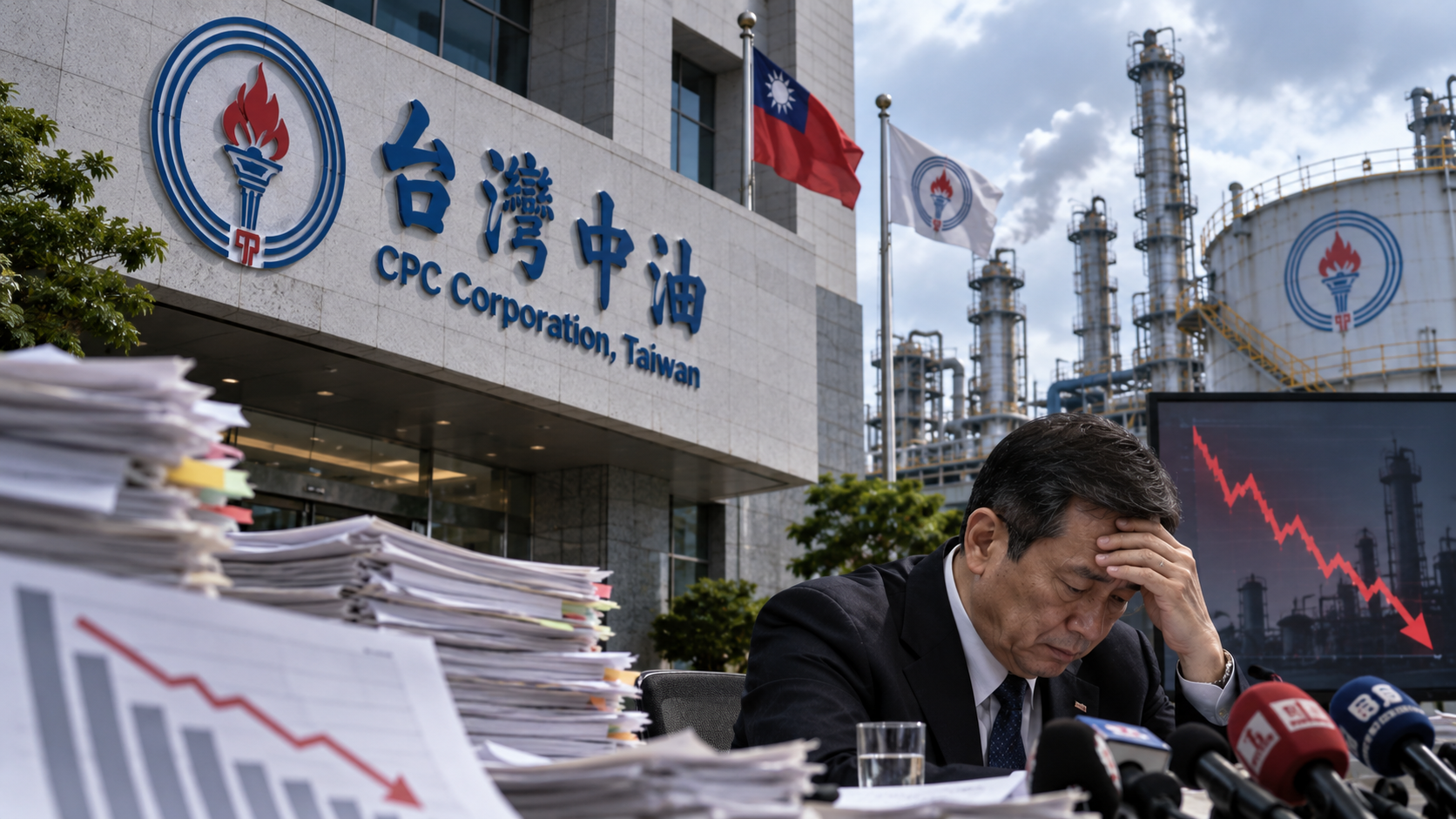
Unlike private enterprises that can immediately adjust pricing models to protect profit margins, CPC was compelled by government policy to freeze or only marginally increase domestic fuel and natural gas prices. The objective was clear: shield the post-pandemic domestic economy from crippling inflation. However, the cost to the corporation was devastating.
Within a single fiscal year following the escalation of the 2022 crisis, CPC’s accumulated losses surged by over NT$200 billion. The company’s debt-to-equity ratio soared, crossing critical thresholds that signal high financial risk. Despite subsequent minor adjustments to domestic fuel prices and periodic government interventions, the underlying structural deficit was never fully resolved. The company’s financial buffers were permanently eroded, leaving it highly vulnerable to subsequent macroeconomic shocks.
Capital Depletion and the Threat of Insolvency by 2027
The financial trajectory for CPC Corporation has continued on a downward slope. Recent fiscal disclosures indicate that even with ongoing price stabilization mechanisms, the company recorded a net loss of NT$56.3 billion within a single recent year, pushing its total accumulated losses to approximately NT$126 billion. Financial analysts tracking the company’s balance sheets note that at the current rate of cash burn, CPC is rapidly approaching the threshold of technical insolvency.
Industry experts and legislative researchers have projected that if current conditions persist without radical intervention, 2027 could mark the point where CPC’s liabilities officially exceed its assets. Under corporate law, reaching this milestone means the enterprise would technically be insolvent, leaving state authorities with few options outside of massive debt restructuring, equity recapitalization, or significant structural overhauls of Taiwan’s energy pricing policies.
The Vicious Cycle of High Debt and Energy Procurement Costs
The implications of corporate insolvency for an energy importer like CPC extend far beyond internal balance sheets; they threaten national energy security. When a primary energy supplier struggles with a severe credit crisis, its relationships with international suppliers, shipping companies, and financial institutions become strained.
Creditors become increasingly wary of extending lines of credit to a debt-laden state enterprise, often demanding higher risk premiums or shorter repayment windows. Consequently, CPC faces higher financing costs when purchasing crude oil and LNG on the global market. This creates a vicious cycle: high debt leads to higher borrowing costs, which in turn inflates procurement expenses, further exacerbating operating losses and deepening the dependency on government bailouts.
Furthermore, international market volatility continues to exert upward pressure on energy prices. Disruptions in critical maritime chokepoints, such as the Strait of Hormuz, and broader geopolitical tensions in the Middle East have historically caused immediate spikes in global oil benchmarks. For a financially constrained CPC, navigating these external shocks without adequate liquidity reserves is an increasingly precarious endeavor.
Government Interventions, Capital Injections, and Policy Dilemmas
Recognizing the severity of the situation, the Taiwanese government and regulatory bodies have initiated various relief measures. In recent fiscal planning periods, authorities have authorized substantial capital injections and debt-relief packages. For instance, multi-billion-dollar allocations have been directed from state coffers to bolster CPC’s capital base, alongside coordinated efforts to stabilize Taipower’s parallel financial crisis.
However, these fiscal interventions have ignited vigorous public and legislative debate regarding their long-term sustainability. Critics argue that utilizing taxpayer funds to repeatedly bail out state-owned energy monopolies treats the symptoms rather than the disease. Without fundamental reforms to the energy pricing formula—allowing prices to reflect true market costs more accurately—capital injections offer only temporary relief.
Conversely, defenders of the current policy emphasize that a total deregulation of energy prices could trigger cascading inflationary effects across Taiwan’s export-driven manufacturing and technology sectors, potentially harming the island’s broader economic competitiveness. Balancing fiscal responsibility with social welfare and economic stability remains one of the most formidable challenges facing policymakers.
Broader Economic Implications and Outlook
The financial predicament of CPC Corporation serves as a microcosm of the challenges facing nations that rely heavily on imported energy while utilizing state-owned enterprises as buffers against global inflation. As Taiwan looks toward the latter half of the decade, the pressure on lawmakers, energy regulators, and corporate executives to forge a sustainable path forward has never been greater.
Whether through comprehensive market reforms, accelerated transitions toward diversified energy portfolios, or innovative financial restructuring, the decisions made in the near term will determine whether CPC can recover its fiscal health or remain tethered to an unsustainable cycle of debt. For now, the stark reality of billions in accumulated losses and the ticking clock toward potential technical insolvency remain at the forefront of Taiwan’s economic agenda.