Decades of Historic Progress in Child Survival Threatened as COVID-19 Disrupts Global Maternal and Health Services

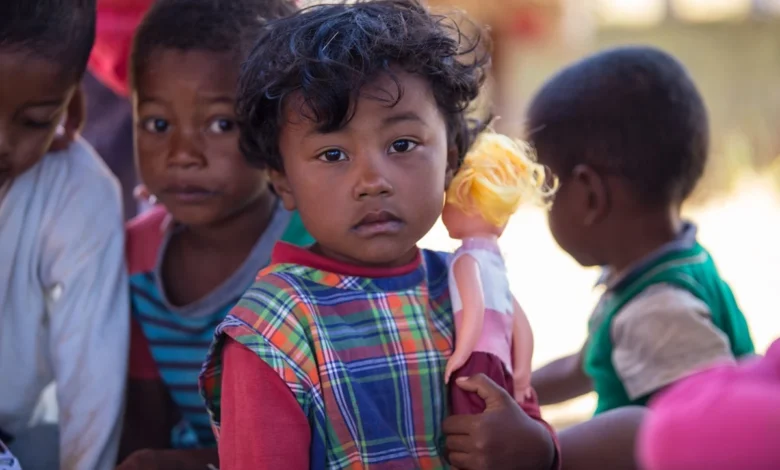
Global health authorities have issued an urgent warning that decades of hard-won progress in reducing child mortality are hanging in the balance. Newly released data from the United Nations and partner organizations reveals
that while global under-five deaths plummeted to a historic low of 5.2 million in 2019—a dramatic improvement from the 12.5 million deaths recorded in 1990—the advent of the COVID-19 pandemic has severely compromised maternal and child healthcare systems worldwide. Widespread disruptions in routine immunizations, antenatal monitoring, and postnatal care are now threatening to reverse generations of advancements, placing millions of vulnerable young lives at imminent risk.
The comprehensive mortality estimates were compiled by the United Nations Inter-agency Group for Child Mortality Estimation (UN IGME), which includes UNICEF, the World Health Organization (WHO), the Population Division of the United Nations Department of Economic and Social Affairs, and the World Bank Group. While the 2019 figures marked an unprecedented milestone in public health, pointing to what coordinated global efforts and targeted interventions can achieve, subsequent tracking paints a grim picture of how public health emergencies can destabilize fragile infrastructures.
A Historical Retrospective: Three Decades of Child Survival Efforts
To understand the magnitude of the current threat, public health experts look back at the trajectory of child survival initiatives over the past thirty years. Since 1990, the global community has systematically addressed the leading causes of childhood mortality. Interventions focused on preventing and treating conditions such as preterm births, low birth weights, intrapartum complications, neonatal sepsis, pneumonia, diarrhea, and malaria have saved tens of millions of lives.
Furthermore, aggressive global vaccination campaigns drastically curtailed the prevalence of vaccine-preventable diseases. Professionalized midwifery training, aligned with international standards, became a cornerstone of maternal health, significantly reducing both maternal and neonatal casualties. According to WHO data, women receiving care from internationally standardized midwives are 16 percent less likely to experience fetal loss and 24 percent less likely to deliver pre-term infants.
Despite these triumphs, the structural fragility of healthcare systems in low- and middle-income regions has long been a challenge. Newborn babies have consistently faced the highest risk of mortality. In 2019, statistics showed that a newborn infant died every 13 seconds. Alarmingly, the proportion of under-five deaths occurring during the neonatal period rose from 40 percent in 1990 to 47 percent in 2019. This preexisting vulnerability set a dangerous stage for the arrival of a global pandemic.
The COVID-19 Disruption: Surveys and Hard Data
When the SARS-CoV-2 virus swept across the globe in early 2020, health systems struggled to adapt. Fear of infection, combined with strict transportation restrictions and the reallocation of medical personnel, led to unprecedented drops in healthcare utilization.
Surveys conducted by UNICEF and the WHO throughout the summer of 2020 illuminated the staggering scope of these disruptions. A UNICEF assessment spanning 77 countries revealed that nearly 68 percent of nations experienced at least partial disruptions in routine child health checks and immunization services. Additionally, 63 percent of reporting countries noted interruptions in antenatal checkups, while 59 percent cited difficulties in providing adequate postnatal care.
Complementing these findings, a WHO survey involving 105 countries reported that 52 percent of participating nations faced disruptions in healthcare services for sick children. Furthermore, 51 percent reported impediments in managing childhood malnutrition—a critical pillar of pediatric health.
Among the hardest-hit regions are countries facing preexisting humanitarian crises and weak infrastructure, notably Afghanistan, Bolivia, Cameroon, the Central African Republic, Libya, Madagascar, Pakistan, Sudan, and Yemen. Seven of these nine nations recorded under-five mortality rates exceeding 50 deaths per 1,000 live births in 2019.
In Afghanistan, where 1 in 17 children died before reaching their fifth birthday in 2019, the Ministry of Health reported a sharp decline in facility visits. Terrified of contracting COVID-19, families began de-prioritizing essential prenatal and postnatal visits, amplifying the dangers faced by mothers and newborns. In Cameroon, where 1 in every 38 newborns perished in 2019, UNICEF data indicated an estimated 75 percent disruption in essential newborn care, obstetric services, and antenatal checkups.
Predictive Modeling and Immediate Casualties
The cascading effects of these service gaps quickly drew alarm from academic institutions. In May 2020, initial predictive modeling conducted by researchers at Johns Hopkins University projected that disruptions caused by the pandemic could result in nearly 6,000 additional child deaths every single day.
The primary drivers of these service failures were multifaceted. Beyond government-mandated lockdowns and transportation halts, parents actively avoided clinics and hospitals out of terror regarding nosocomial infections. Simultaneously, healthcare facilities suffered from severe shortages of personal protective equipment (PPE)—such as masks and gloves—leading to reduced staffing levels as workers were either reassigned or stayed home out of fear. Financial hardships compounded these barriers, making travel and private care unattainable for impoverished families.
Official Responses and Leadership Warnings
International leaders have responded to the crisis with unified calls for immediate corrective action, emphasizing that the collateral damage of the pandemic must not eclipse direct interventions against endemic killers.
Henrietta Fore, Executive Director of UNICEF, underscored the perilous position of global health initiatives. "The global community has come too far towards eliminating preventable child deaths to allow the COVID-19 pandemic to stop us in our tracks," Fore stated. "When children are denied access to health services because the system is overrun, and when women are afraid to give birth at the hospital for fear of infection, they, too, may become casualties of COVID-19. Without urgent investments to re-start disrupted health systems and services, millions of children under five, especially newborns, could die."
Echoing this sentiment, Dr. Tedros Adhanom Ghebreyesus, Director-General of the WHO, pointed to the historic achievements of the past generation while warning against complacency. "The fact that today more children live to see their first birthday than any time in history is a true mark of what can be achieved when the world puts health and well-being at the centre of our response," Dr. Tedros noted. "Now, we must not let the COVID-19 pandemic turn back remarkable progress for our children and future generations. Rather, it’s time to use what we know works to save lives, and keep investing in stronger, resilient health systems."
Muhammad Ali Pate, Global Director for Health, Nutrition and Population at the World Bank, highlighted the economic and structural dimensions of the threat. "The COVID-19 pandemic has put years of global progress to end preventable child deaths in serious jeopardy," Pate said. "It is essential to protect life-saving services which have been key to reducing child mortality. We will continue to work with governments and partners to reinforce healthcare systems to ensure mothers and children get the services they need."
John Wilmoth, Director of the Population Division of the United Nations Department of Economic and Social Affairs, emphasized the equity concerns highlighted by the crisis. "The new report demonstrates the ongoing progress worldwide in reducing child mortality," Wilmoth remarked. "While the report highlights the negative effects of the COVID-19 pandemic on interventions that are critical for children’s health, it also draws attention to the need to redress the vast inequities in a child’s prospects for survival and good health."
Path Forward: Restoring Services and Building Resilience
As public health agencies evaluate the ongoing fallout, the consensus among global experts is clear. Mitigating the secondary impacts of the pandemic requires an immediate, twofold strategy: restoring essential maternal and child health services, and actively working to rebuild public trust.
Health ministries and international partners are urged to prioritize the deployment of skilled birth attendants, secure supply chains for routine immunizations, and ensure that clinics have adequate PPE to protect both staff and patients. Furthermore, community outreach programs must be deployed to educate parents, alleviate fears surrounding healthcare facilities, and encourage the resumption of preventive checkups.
Without swift financial commitments and strategic interventions to reinforce fragile health architectures, the world risks watching decades of life-saving progress unravel, trading one public health crisis for another.
For media inquiries and further information, organizational representatives can be contacted through official channels:
- Fadela Chaib, Communications Officer and Spokesperson, WHO
- Sabrina Sidhu, Communication Specialist, UNICEF
- Alexandra Humme, World Bank