A pivotal study conducted by researchers at the Centre for Addiction and Mental Health (CAMH) has provided the most compelling biological evidence to date that long COVID is characterized by physical damage to dopamine-releasing neurons in the brain. The findings, published in the peer-reviewed journal eBioMedicine, offer a potential physiological roadmap for understanding why millions of patients globally suffer from debilitating symptoms such as profound fatigue, cognitive impairment, and a loss of drive. By identifying a specific neurological mechanism—the reduction of dopamine nerve terminal density—this research shifts the paradigm of long COVID from a vague, poorly understood syndrome to a identifiable, potentially treatable neurological condition.
The implications of this research are significant for a global population estimated to be roughly 5 percent of the total human count, with approximately two million Canadians currently struggling with the persistent aftereffects of SARS-CoV-2. As the medical community continues to grapple with the "hidden" nature of long COVID, this study provides a much-needed objective diagnostic anchor.
The Biological Mechanism: The Striatum and Dopamine
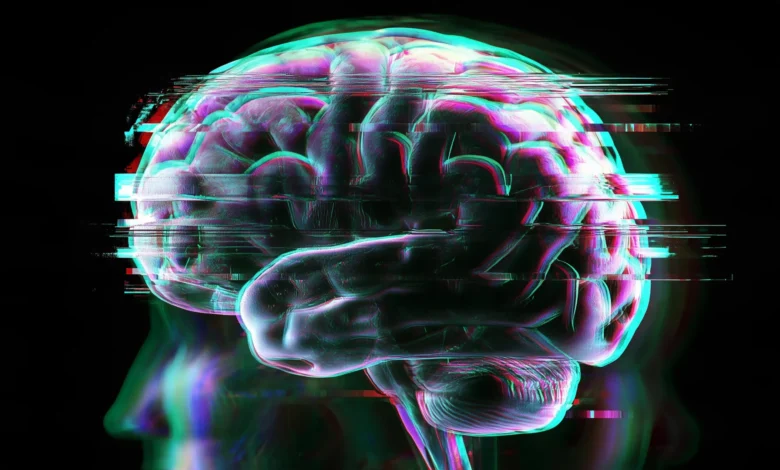
The research team, led by Dr. Jeffrey Meyer, Senior Scientist at the Brain Health Imaging Centre, employed positron emission tomography (PET) to visualize the internal biological activity of the brain. The study focused on the striatum, a complex structure deep within the brain that acts as a command center for the regulation of motivation, motor coordination, and executive cognitive functions.
By measuring markers of dopamine nerve terminal density, the researchers compared the brains of long COVID patients against healthy control subjects. The results were stark: long COVID patients exhibited significantly lower levels of these markers across all primary regions of the striatum. This depletion indicates that the nerve terminals responsible for the release of dopamine—the neurotransmitter essential for reward, movement, and focus—are physically reduced or damaged in those suffering from the condition.
The study further identified a correlation between the location of the dopamine depletion and the specific symptom profile of the patient. Lower marker levels in the ventral striatum were directly associated with a loss of motivation, a core component of "long-haul" fatigue. Reductions in the dorsal putamen correlated with motor slowing, while deficits in the caudate putamen were linked to memory and cognitive processing difficulties.
Chronology of Discovery: From Inflammation to Neuron Loss
The current breakthrough does not exist in a vacuum; it is the culmination of years of investigative work by the CAMH team. To understand the progression of this research, one must look at the timeline of the post-pandemic recovery efforts:
- 2020-2021: The initial wave of the pandemic introduced the medical world to the phenomenon of "long COVID." Early clinical observations suggested that immune responses were triggering systemic inflammation, yet the precise impact on the central nervous system remained speculative.
- 2022-2023: Dr. Meyer’s team conducted preliminary imaging studies that revealed a pattern of neuroinflammation. These studies identified elevated levels of translocator protein (TSPO)—a marker of brain inflammation—in patients with persistent COVID symptoms.
- 2024: The current study serves as the critical "missing link." By demonstrating that areas previously identified as "inflamed" are the same regions experiencing a loss of dopamine-releasing neurons, the team has established a causal hypothesis: that persistent, post-viral neuroinflammation creates an environment toxic to dopamine neurons, leading to their degradation over time.
This transition from observing general inflammation to identifying specific neuro-degeneration marks a maturation in the scientific approach to the disease. It suggests that long COVID may share commonalities with other neurodegenerative processes, where chronic inflammation eventually leads to the death or dysfunction of specific cell populations.
The Broader Context of Post-Viral Syndromes
The medical community has historically struggled to address post-viral syndromes, such as Myalgic Encephalomyelitis/Chronic Fatigue Syndrome (ME/CFS), due to a lack of observable physical markers. For years, patients have reported symptoms that were often dismissed as psychological.
The CAMH study serves as a powerful validation of the patient experience. Susan Deuville, a lived experience research advisor who participated in the study’s development, noted that the findings provide a necessary bridge between the subjective reality of the patient and the objective reality of the clinic. For many, the "crushing loss" of their former cognitive and physical capacity has finally been given a biological name.
From a public health perspective, the statistics are staggering. With two million Canadians affected, the economic and social burden of long COVID is immense. The loss of workforce productivity, the strain on the healthcare system, and the individual toll on quality of life have created an urgent need for evidence-based interventions. Currently, clinical treatments are largely symptomatic and experimental, often focusing on physical therapy or pain management rather than correcting the underlying biological dysfunction.
Clinical Implications and Future Therapeutic Strategies
The transition from discovery to treatment is already underway. Dr. Meyer and his colleagues have announced the planning of a new clinical trial, scheduled to commence in the coming months, which will specifically target the dopamine system.
The trial is designed to test whether pharmacological interventions—specifically those that augment dopamine function or inhibit dopamine metabolism—can reverse or mitigate the symptoms observed in long COVID patients. This approach, known as "drug repurposing," is a cornerstone of modern neurology. By utilizing medications that are already approved for conditions like Parkinson’s disease or major depressive disorder, researchers hope to bypass the lengthy developmental cycle of new drug discovery and provide relief to patients in a shorter timeframe.
The trial will be conducted in partnership with the University Health Network (UHN), reflecting a strategic shift toward bridging the gap between psychiatry and physical medicine. This multidisciplinary approach is vital, as the symptoms of long COVID do not fit neatly into traditional diagnostic silos; they are, by definition, systemic.
Fact-Based Analysis of the Path Forward
While the study represents a significant leap forward, the scientific community remains cautious. Several critical questions remain:
- Reversibility: While dopamine neuron function can be augmented, the degree to which these neurons can recover their structural density remains to be seen.
- Causality vs. Correlation: While the correlation between dopamine loss and symptoms is strong, researchers must continue to explore whether the inflammation is the sole driver of the damage or if other factors, such as mitochondrial dysfunction or viral persistence, play a role.
- Variability: Not every patient with long COVID presents with identical symptoms. The study suggests that individual differences in where the dopamine depletion occurs may explain the vast heterogeneity of the patient experience.
Despite these variables, the scientific consensus is shifting toward viewing long COVID as a legitimate neurobiological disorder. The validation provided by the PET imaging data is expected to influence policy decisions, insurance coverage, and the allocation of research funding.
Conclusion: A Turning Point for Patient Care
The findings from the Centre for Addiction and Mental Health represent a potential turning point in the management of post-COVID conditions. By isolating the dopamine system as a primary site of injury, the research provides a clear target for future therapeutic trials. For the millions of individuals who have felt abandoned by a medical system that could not identify the source of their fatigue and cognitive fog, this study is a testament to the power of objective, data-driven neuroscience.
As the scientific community prepares for the upcoming clinical trials, the focus will now shift from simply identifying the damage to actively attempting to repair it. If successful, the repurposing of dopamine-targeting medications could provide the first standardized, biologically grounded treatment for one of the most significant medical challenges of the post-pandemic era. The collaborative efforts between institutions like CAMH and UHN underscore a new, integrated approach to medicine—one that recognizes the fundamental link between the brain’s neurochemistry and the patient’s overall physical and mental health.