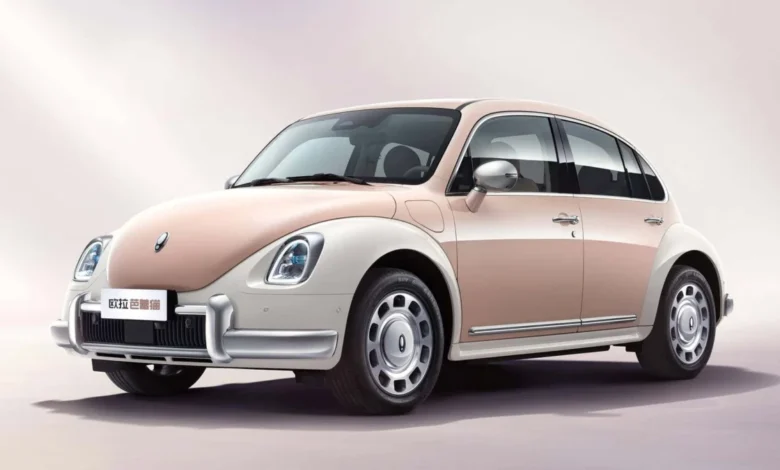
The automotive landscape in China continues to evolve with a unique blend of nostalgic aesthetics and cutting-edge electric propulsion, a trend epitomized by the latest updates to the Ora Ballet Cat. Great Wall Motor (GWM), the parent company of the electric-only Ora brand, has officially filed new specifications for the 2026 iteration of the Ballet Cat with China’s Ministry of Industry and Information Technology (MIIT). These updates signal a strategic move to broaden the appeal of the "Beetle-inspired" hatchback by addressing one of its most criticized aspects: its modest performance. While the Volkswagen Beetle has remained absent from global showrooms since the "Final Edition" rolled off the assembly line in Puebla, Mexico, in 2019, the Ballet Cat has carved out a niche for itself as a spiritual—if controversial—successor in the electric era.
Enhanced Powertrain and Performance Metrics
The most significant change for the 2026 model year lies beneath the vintage-style bodywork. According to the regulatory filings, the Ora Ballet Cat is transitioning from its original 126-kilowatt (169 horsepower) electric motor to a more robust 150-kilowatt (201 horsepower) unit. This 19 percent increase in power is expected to significantly improve the vehicle’s driving dynamics, particularly in urban environments where the car is primarily marketed.
In addition to the horsepower boost, the vehicle’s top speed has been recalibrated. Previously limited to a modest 155 km/h (approximately 96 mph), the updated version is now rated for a top speed of 180 km/h (approximately 112 mph). While the Ballet Cat is not intended to be a high-performance sports car, this increase provides a necessary buffer for highway overtaking and brings the vehicle more in line with contemporary electric vehicle (EV) standards in the mid-range segment.
The energy storage system is also seeing a refinement. The 2026 model will utilize a new lithium-iron phosphate (LFP) battery pack. LFP chemistry has become the preferred choice for many Chinese manufacturers due to its lower production costs, enhanced thermal stability, and longer cycle life compared to traditional nickel-cobalt-manganese (NCM) batteries. While specific range figures for the updated pack have not been finalized under the China Light-Duty Vehicle Test Cycle (CLTC), the current model offers ranges between 401 km and 500 km, depending on the configuration. Industry analysts expect the new battery to maintain or slightly exceed these figures while offering improved durability.
Design Philosophy and the "She Power" Marketing Strategy
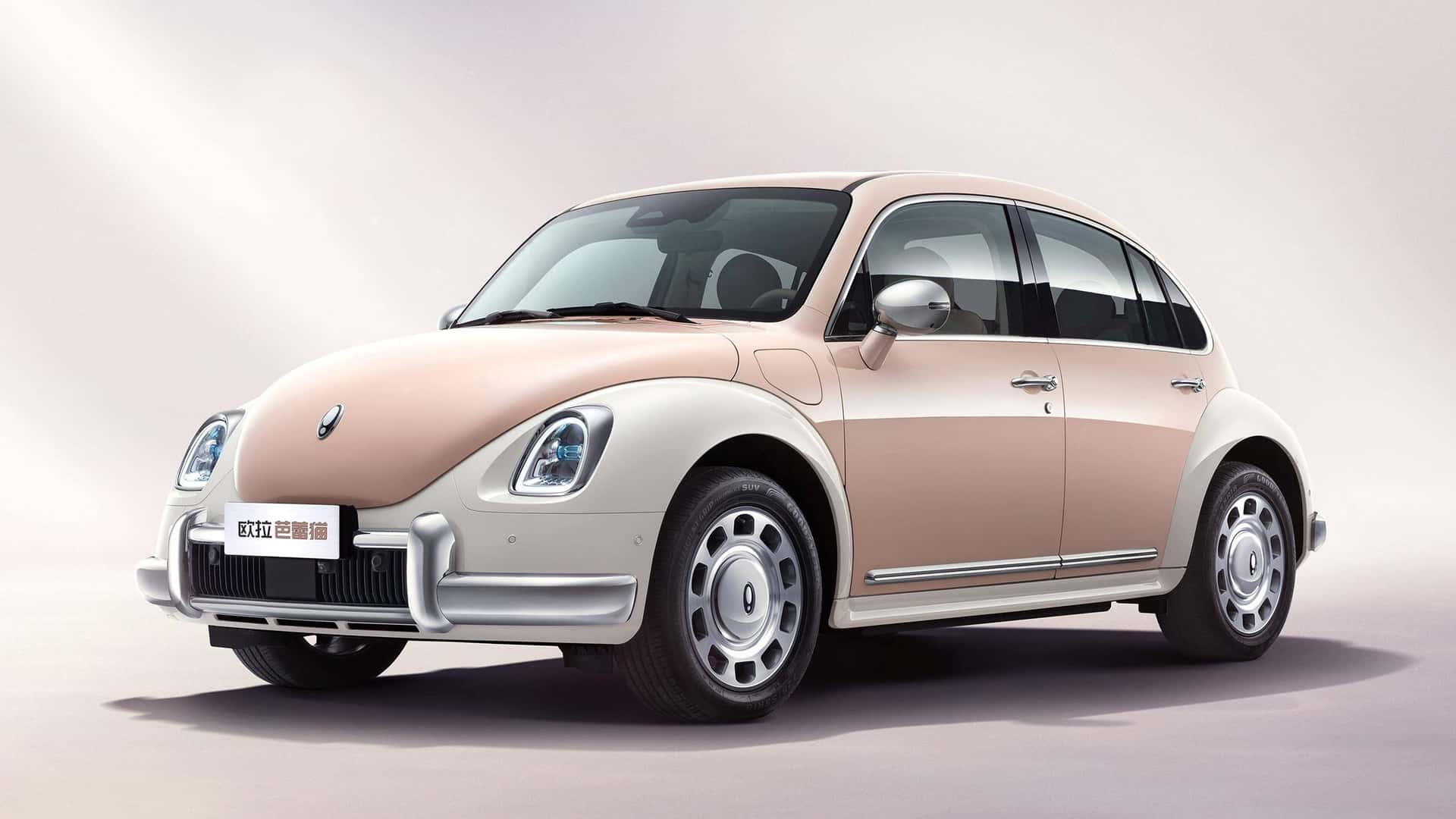
Since its debut, the Ora Ballet Cat has been one of the most distinctive vehicles on the road, largely due to its unapologetic homage to the Type 1 Volkswagen Beetle. The design features the iconic sloping hood, flared wheel arches, and a rounded silhouette that defined the "People’s Car" for decades. However, GWM has integrated modern touches, including LED lighting with a "crystal" aesthetic, flush door handles, and a more aerodynamic rear profile to suit the requirements of an electric drivetrain.
What sets the Ballet Cat apart from other retro-inspired EVs, such as the Honda e or the MINI Electric, is its hyper-specific marketing focus. Ora has explicitly positioned the Ballet Cat as a vehicle "designed for women." This strategy, often referred to in Chinese business circles as the "She Power" economy, is reflected in several unique interior features that remain central to the 2026 update:
- Lady Driving Mode: This software setting adjusts the adaptive cruise control to maintain a further following distance and optimizes the electronic power steering for a lighter feel.
- Warm Man Mode: Designed to provide comfort during menstrual cycles, this one-touch setting increases the climate control temperature and activates the seat heating and steering wheel heaters simultaneously.
- The Selfie Camera: An integrated camera located on the A-pillar allows occupants to take photos or record videos directly to social media platforms, a feature tailored to China’s robust influencer and social media culture.
- The Makeup Suite: The interior features an oversized vanity mirror surrounded by LED ring lighting, and the center console includes a dedicated storage area for cosmetics, finished in a glass-like material known as the "Swan Lake" console.
Chronology of the Ora Ballet Cat and the Beetle Controversy
The journey of the Ballet Cat began in April 2021 at the Shanghai Auto Show, where Ora showcased two concepts: the Punk Cat and the Ballet Cat. The Punk Cat featured a more masculine, classic aesthetic with heavy chrome accents, while the Ballet Cat adopted a softer, more pastel-oriented palette. The unveiling immediately sparked international headlines, with many questioning the legality of the design given its striking resemblance to the Volkswagen Beetle.
Volkswagen Group’s legal department reportedly investigated the matter in 2021, stating that they reserve the right to take legal action regarding any infringements of design rights. However, no formal lawsuit was publicly pursued, likely due to the complexities of international intellectual property law and the fact that the original Beetle design has largely entered the public domain in many jurisdictions, combined with the significant modifications GWM made to the four-door chassis.
The Ballet Cat officially entered the Chinese market in July 2022. Despite the initial media frenzy, sales have remained relatively modest. In its first full year of production, the model sold roughly 5,000 to 10,000 units—a far cry from the hundreds of thousands moved by GWM’s more traditional SUVs. The 2026 update is widely viewed as an attempt to revitalize the nameplate and move it beyond "novelty" status into a more competitive position within the ¥150,000 to ¥200,000 ($21,000 to $28,000) price bracket.
Supporting Data and Market Context
The Chinese EV market is currently the most competitive in the world, characterized by rapid product cycles and aggressive pricing. The Ora Ballet Cat sits in a unique position. According to data from the China Passenger Car Association (CPCA), the "compact EV" segment has seen a shift toward more utilitarian designs, such as the BYD Dolphin. By offering a high-style, emotional purchase like the Ballet Cat, GWM is betting on a consumer base that values individuality over pure utility.
The transition to a 201-horsepower motor is also a response to consumer feedback. Market research in Tier 1 cities like Shanghai and Beijing indicated that while buyers loved the Ballet Cat’s appearance, they found the 169-horsepower output somewhat lethargic compared to newer rivals from brands like Zeekr or Xiaomi. By crossing the 200-horsepower threshold, the Ballet Cat enters a performance tier that is considered "standard" for premium urban EVs in 2025 and 2026.
Official Responses and Industry Analysis
While GWM has not released a formal press statement regarding the 2026 specs, the MIIT filing serves as the official confirmation of the vehicle’s technical direction. Analysts from CarNewsChina and other regional automotive outlets suggest that the update is part of a broader "stabilization" of the Ora brand. After an initial period of rapid expansion with models like the Good Cat (Funky Cat in Europe) and the Lightning Cat, Ora is now focusing on refining its existing lineup to ensure long-term viability.
"The Ballet Cat is a polarizing vehicle, but it represents a bold experiment in gender-based product development," says automotive analyst Li Wen. "The 2026 updates show that GWM is committed to the model. They are not just letting it fade away as a one-off design exercise; they are investing in the powertrain to ensure it meets the rising expectations of Chinese tech-savvy consumers."
There has been no indication from Volkswagen that a return of the Beetle is imminent, despite frequent rumors of an "ID. Beetle" built on the MEB electric platform. In the absence of an official VW product, the Ora Ballet Cat remains the only option for consumers seeking that specific iconic silhouette in a modern electric package.
Broader Impact and Global Implications
For international observers, the Ora Ballet Cat serves as a case study in the divergence of automotive markets. While Western manufacturers are increasingly moving toward "global" designs that can be sold in any market with minimal changes, Chinese manufacturers like GWM are willing to create highly localized, niche products.
The likelihood of the Ballet Cat reaching the United States or European markets remains low. In the US, the combination of high tariffs on Chinese-made EVs and potential legal challenges from Volkswagen makes the business case difficult. In Europe, where the Ora brand already has a presence with the GWM Ora 03 (formerly the Good Cat), the Ballet Cat’s design might be seen as too derivative for a market that prides itself on heritage and original design.
However, the 2026 update proves that the "retro-mod" trend is far from over. As electric vehicle hardware becomes increasingly commoditized—with many cars sharing similar batteries and motors—design and "personality" are becoming the primary ways for brands to differentiate themselves. The Ora Ballet Cat, with its new 201-hp motor and its unapologetic "Warm Man Mode," is a testament to a future where cars are sold not just as transportation, but as lifestyle accessories tailored to specific cultural and demographic segments.
As the 2026 model prepares for its commercial launch later next year, the automotive world will be watching to see if more power and a better battery are enough to turn this niche "cat" into a mainstream success. For now, it remains a fascinating, quirky, and increasingly capable tribute to an automotive icon that the rest of the world is still waiting to see reborn.