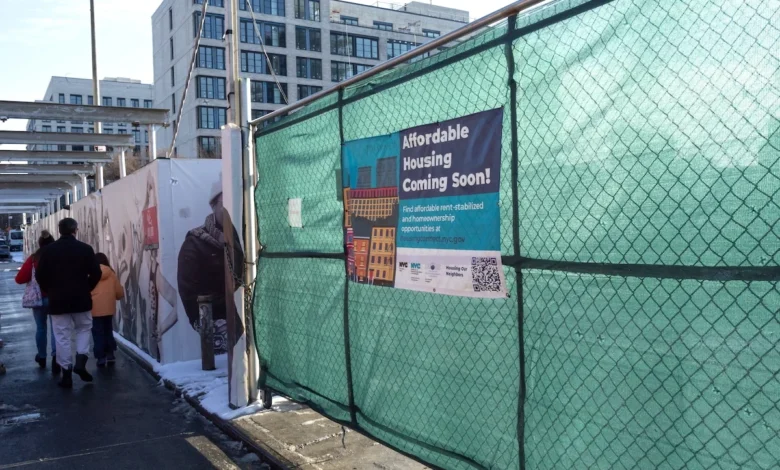
New York has officially cemented its status as a national leader in climate policy by finalizing regulations that effectively ban fossil fuel hookups in most new residential and commercial buildings. The mandate, which was finalized in late July 2025 following the adoption of the All-Electric Buildings Act, marks a historic pivot for the state’s construction industry. By transitioning to high-efficiency electric heating, cooling, and cooking appliances, the state aims to drastically reduce the carbon footprint of its built environment, which currently accounts for nearly one-third of all greenhouse gas emissions within the state.
The transition, while heralded by environmental advocates as a vital step toward meeting the climate goals outlined in the Climate Leadership and Community Protection Act (CLCPA), represents a significant shift in infrastructure requirements. The new code, approved by the State Fire Prevention and Building Code Council, establishes a clear timeline for developers, architects, and municipal planners to phase out natural gas, propane, and oil infrastructure in new developments.
A Chronology of the Legislative Journey
The path to a fully electrified building sector in New York was not without its hurdles. The legislative process began in earnest with the introduction of the All-Electric Buildings Act, which was passed by the state legislature in 2023. Proponents argued that by requiring heat pumps, electric stoves, and electric water heaters, the state could simultaneously improve indoor air quality and lower long-term utility costs for residents.
However, the implementation of the act faced immediate resistance. Building industry groups and fossil fuel advocates challenged the legislation in federal court, mirroring the legal strategy used to overturn similar electrification ordinances in cities like Berkeley, California. These opponents argued that federal energy regulations preempted state-level bans on gas hookups.
The turning point occurred in July 2025, when the U.S. District Court for the Northern District of New York issued a ruling allowing the state to move forward with the mandate. This judicial victory cleared the final major hurdle for the State Fire Prevention and Building Code Council to finalize the specific language of the code, which was codified shortly thereafter. The regulation officially sets a deadline of December 31, 2025, for the compliance of initial construction projects.
Scope of the Mandate and Compliance Timelines
The regulation is structured to roll out in phases to allow the construction industry sufficient time to adapt to new supply chains and design standards.
For residential structures up to seven stories tall, the requirements apply to building permit applications approved on or after December 31, 2025. This segment represents a significant portion of New York’s housing stock growth. Commercial and industrial projects are categorized by square footage to ensure that large-scale developments—which often require more complex HVAC engineering—have a longer transition window. Facilities exceeding 100,000 square feet are granted a grace period until 2029 to fully comply with the electric-only mandate.
Recognizing the practical limitations of current technology in certain specialized environments, the state has included specific exemptions. These include:

- Agricultural and Industrial Facilities: Buildings where industrial processes require high-heat fossil fuel combustion.
- Critical Infrastructure: Medical facilities, laboratories, and hospitals where backup power or specialized heating may require fossil fuel redundancies.
- Specialized Commercial Use: Crematoriums and certain restaurant applications where electric alternatives for specific cooking methods or high-temperature requirements are not yet fully standardized or available at scale.
Economic and Environmental Data
The primary driver behind the electrification mandate is the state’s carbon reduction target. With buildings contributing 31% of New York’s total emissions, decarbonizing the heating and hot water systems of new developments is viewed as the "lowest hanging fruit" in climate policy.
According to data from the New Buildings Institute, the shift is not merely an environmental imperative but an economic one. While initial construction costs have been a point of contention, studies suggest that building 100% electric single-family homes can yield savings between $7,500 and $8,200 per unit compared to conventional homes, largely due to the elimination of gas line extensions and the efficiency of modern heat pump technology. Furthermore, projections indicate that these measures could reduce energy usage in New York households by approximately 17%, potentially saving the average household nearly $5,000 over a 30-year period.
Stakeholder Reactions and Legal Challenges
The move has drawn polarized reactions from across the political and economic spectrum. Environmental justice organizations have lauded the decision as a triumph for public health. Dawn Wells-Clyburn, executive director of PUSH Buffalo, described the court’s decision as a definitive message to the fossil fuel industry, emphasizing that the health and affordability of communities must take precedence over industry profits.
Conversely, industry groups remain wary of the long-term impact on the energy grid and construction costs. Although the court ruled in favor of the state, industry representatives have already petitioned the U.S. Department of Justice to intervene, arguing that the mandate infringes upon federal energy jurisdiction. This ongoing legal tension suggests that while the state has successfully finalized the policy, the battle over the regulation of building energy sources may continue in federal courtrooms for some time.
Broader Implications for Urban Development
The New York mandate serves as a litmus test for the rest of the United States. As the first state to adopt such a comprehensive building code, New York’s implementation will be closely monitored by other jurisdictions attempting to reconcile housing shortages with climate goals.
The transition to all-electric buildings will necessitate significant upgrades to the electrical grid, as the demand for power will shift from gas delivery to the electrical distribution system. This infrastructure requirement is likely to become a central theme in future New York state budget negotiations, as the state will need to ensure that the grid is capable of handling the increased load while simultaneously integrating more renewable energy sources like wind and solar.
Furthermore, the policy puts pressure on the existing building stock. While the mandate currently applies only to new construction, climate advocates are already shifting their focus toward retrofitting the millions of existing buildings that still rely on gas-fired boilers and furnaces.
Conclusion: A New Standard for Construction
As of August 2025, the reality for developers in New York is clear: the era of gas-reliant new construction is drawing to a close. The state’s aggressive approach to building decarbonization is designed to create a permanent, structural change in how cities function. By prioritizing the electrification of new developments, New York is not only attempting to lower its contribution to global climate change but is also setting a precedent that the built environment can—and should—evolve to meet the standards of a post-carbon economy.
While legal challenges and grid capacity concerns remain, the finalization of the All-Electric Buildings Act represents a milestone in American environmental law. The next several years will be critical as the state monitors the first wave of construction under the new rules, providing essential data for policymakers nationwide who are watching to see if this model can be successfully exported to other states grappling with similar climate and energy challenges.