Gut Microbiome Composition Identified as a Significant Biological Determinant of Human Aging Rates

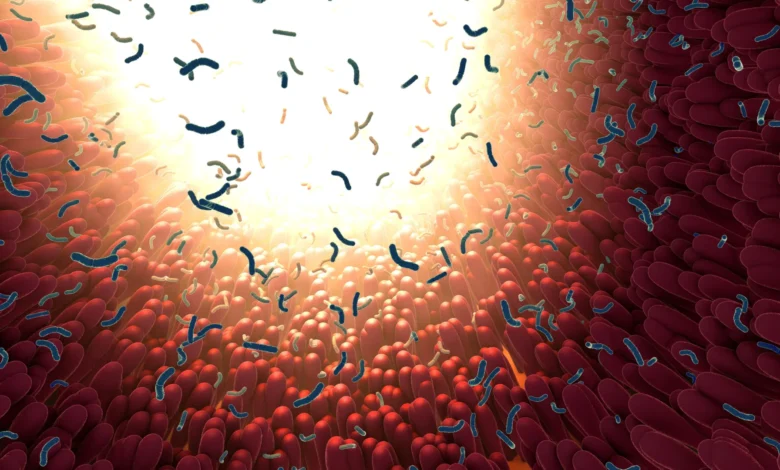
The intricate ecosystem of trillions of microorganisms residing within the human digestive tract—collectively known as the gut microbiome—has long been associated with digestion and immunity. However, recent groundbreaking research from the University of Hawai‘i at Mānoa suggests that this microbial community plays a far more profound role in human physiology, acting as a potential biological clock that influences the speed at which our bodies age. Published in the journal Scientific Reports, the study reveals that specific gut bacteria are not merely passengers in our digestive systems but are intimately linked to the pace of molecular aging, distinct from the chronological age recorded on a birth certificate.
This research, led by scholars at the John A. Burns School of Medicine, marks a significant shift in gerontology and precision health. By analyzing the gut composition of 123 adults, researchers found that microbial diversity and specific bacterial signatures accounted for approximately 15% of the variation in biological aging rates. This discovery suggests that the gut microbiome may serve as a malleable biomarker, offering a window into how lifestyle, environment, and social determinants coalesce to dictate long-term health trajectories.
The Mechanism of Biological Aging: Chronological vs. Molecular
To understand the significance of these findings, one must distinguish between chronological age and biological age. Chronological age is a linear measure of time elapsed since birth. Biological age, conversely, is a reflection of the cumulative wear and tear on the body’s cells, tissues, and organ systems. Scientists utilize various molecular markers—such as DNA methylation patterns or, in this case, the DunedinPACE biomarker—to estimate this internal speed of aging.
The DunedinPACE (Path of Aging and Cognitive Evaluation) biomarker is a sophisticated tool that tracks the rate of physiological decline across multiple systems, including the cardiovascular, respiratory, and metabolic systems. By comparing stool and blood samples from the study participants, the research team identified a statistical correlation between the presence of certain microbial species and the DunedinPACE scores. This suggests that the microbiome is not a static component of health but a dynamic participant in the molecular processes that define how rapidly an individual matures and declines.
Key Bacterial Players in the Aging Process
The study highlighted several microbial species that demonstrate particularly strong associations with either accelerated or decelerated aging. Among the most notable findings was the role of Bifidobacterium adolescentis, which was identified as a key marker for slower biological aging. Bifidobacterium species are widely recognized for their role in maintaining gut barrier integrity and modulating inflammatory responses—factors that are crucial for healthy aging.
Conversely, the study identified Succinivibrio dextrinosolvens as having a strong association with faster biological aging. While the precise mechanisms remain under investigation, the presence of such bacteria provides a potential roadmap for future interventions. The dichotomy between these species suggests that the "microbial profile" of an individual could eventually be used as a predictive tool for health risks, allowing clinicians to identify those at higher risk for age-related chronic diseases long before symptoms manifest.
Addressing the Diversity Gap in Microbiome Research
A critical strength of this study lies in its participant demographic. Historically, clinical research on the microbiome and aging has suffered from a lack of diversity, often focusing heavily on Western, industrialized populations. By including Native Hawaiian and Pacific Islander participants, the University of Hawai‘i researchers have provided a more inclusive look at human health.
This demographic focus is not merely an exercise in representation; it is a vital component of understanding how social and environmental factors impact biology. Co-author Ruben Juarez noted that the microbiome exists at the intersection of human biology, behavior, and the social environment. For populations that have faced historical disparities in health outcomes, understanding how social circumstances leave a "biological imprint" through the gut microbiome is essential for developing equitable health strategies. This approach aligns with the growing field of the "exposome"—the study of all the environmental exposures an individual experiences and their subsequent impact on biological health.
The Role of Precision Health and Modifiable Factors
The discovery that the gut microbiome is highly responsive to diet, lifestyle, and environmental exposures is perhaps the most optimistic aspect of the research. Unlike our genetic code, which is largely fixed, the composition of the gut microbiome is transient. It fluctuates based on fiber intake, stress levels, exercise, and exposure to pollutants.
Lead author Braden P. Kunihiro emphasized that the microbiome’s responsiveness makes it a prime candidate for precision health interventions. If the gut can be "tuned" to favor microbes that promote slower aging, then healthy aging could potentially be achieved through targeted dietary interventions, probiotics, or lifestyle changes. This moves the goalposts of medicine from reactive treatment to proactive, personalized optimization.
Chronology of Scientific Inquiry: From Gut to Longevity
The evolution of microbiome research has been rapid. Over the past two decades, the focus shifted from identifying the mere existence of gut flora to understanding their metabolic output.
- Early 2000s: The Human Microbiome Project began, establishing that humans are essentially "superorganisms" composed of human and microbial cells.
- 2010s: Research shifted to the "gut-brain axis," linking gut health to neurological conditions like depression and anxiety.
- 2020s: The focus has moved toward "biological aging," with researchers beginning to quantify how these microbial communities influence the systemic decline of the body.
The University of Hawai‘i study represents the current frontier of this timeline: the integration of microbial data into predictive models of longevity.
Analyzing the Implications: Correlation vs. Causation
While the findings are compelling, the scientific community maintains a cautious stance regarding causality. As the researchers themselves pointed out, the study identifies a correlation, not necessarily a direct cause-and-effect relationship. It is currently unclear whether Bifidobacterium slows the aging process, or if the bodies of slower-aging individuals simply provide a more hospitable environment for those specific bacteria.
To determine if these microbes are the architects of longevity or merely witnesses to it, future longitudinal studies are required. These studies will likely involve "microbiome transplantation" models or controlled clinical trials where dietary interventions are used to shift the microbial composition of participants. If these interventions result in a measurable decrease in the rate of DunedinPACE progression, it would provide the "smoking gun" needed to establish the microbiome as a target for anti-aging therapy.
The Broader Impact on Public Health
The potential implications for public health are vast. If the gut microbiome is a primary driver of biological aging, it could revolutionize the approach to treating age-related conditions such as type 2 diabetes, cardiovascular disease, and neurodegenerative decline. Instead of targeting a specific organ system, clinicians might focus on the "gut-first" approach, utilizing the microbiome as a diagnostic dashboard for overall health.
Furthermore, the integration of social factors into this research acknowledges that health is not lived in a vacuum. By studying how the environment influences the microbiome, researchers are essentially mapping the biological cost of inequality. This provides a data-driven argument for public health initiatives that prioritize access to healthy, fiber-rich diets and the reduction of environmental stressors in vulnerable communities.
Moving Toward a New Era of Wellness
Senior author Alika K. Maunakea noted that this research is an "important early step." The transition from descriptive science—observing that bacteria exist—to prescriptive science—using that knowledge to improve life expectancy—is the next great challenge for the medical community.
As technology improves, allowing for more granular sequencing of the gut microbiome, we will likely see the development of "microbiome-based aging clocks." These tools would allow individuals to monitor their biological age in real-time, receiving personalized recommendations on nutrition and lifestyle that are optimized for their unique microbial signature.
While we are not yet at the point where we can "reverse" aging through a probiotic pill, the University of Hawai‘i study provides a rigorous, data-backed foundation for the belief that our internal microbial world is a primary influencer of our external health. As the scientific community continues to peel back the layers of this relationship, the gut may well prove to be the most important frontier in the ongoing quest to extend the human healthspan. The research serves as a reminder that the key to longevity may not be found in complex synthetic compounds, but rather in the delicate, shifting balance of the trillions of microscopic inhabitants that have called the human gut home for millennia.