How One Retired Couple Cut Their Monthly Electric Vehicle Fuel Costs Down to Just Seven Dollars


The financial mechanics of transitioning from internal combustion engine vehicles to battery-electric alternatives often generate significant debate among prospective buyers, particularly regarding operational and refueling expenditures. While the upfront purchase price of modern electric vehicles has steadily declined due to increased market competition and federal incentives, recurring energy costs remain a primary point of inquiry. Recent consumer data shared within online automotive communities highlights an extreme end of the economic spectrum: an electric vehicle owner who calculated a total operational fuel expenditure of approximately seven dollars per month after adopting a radically altered lifestyle centered around urban mobility and minimal driving.
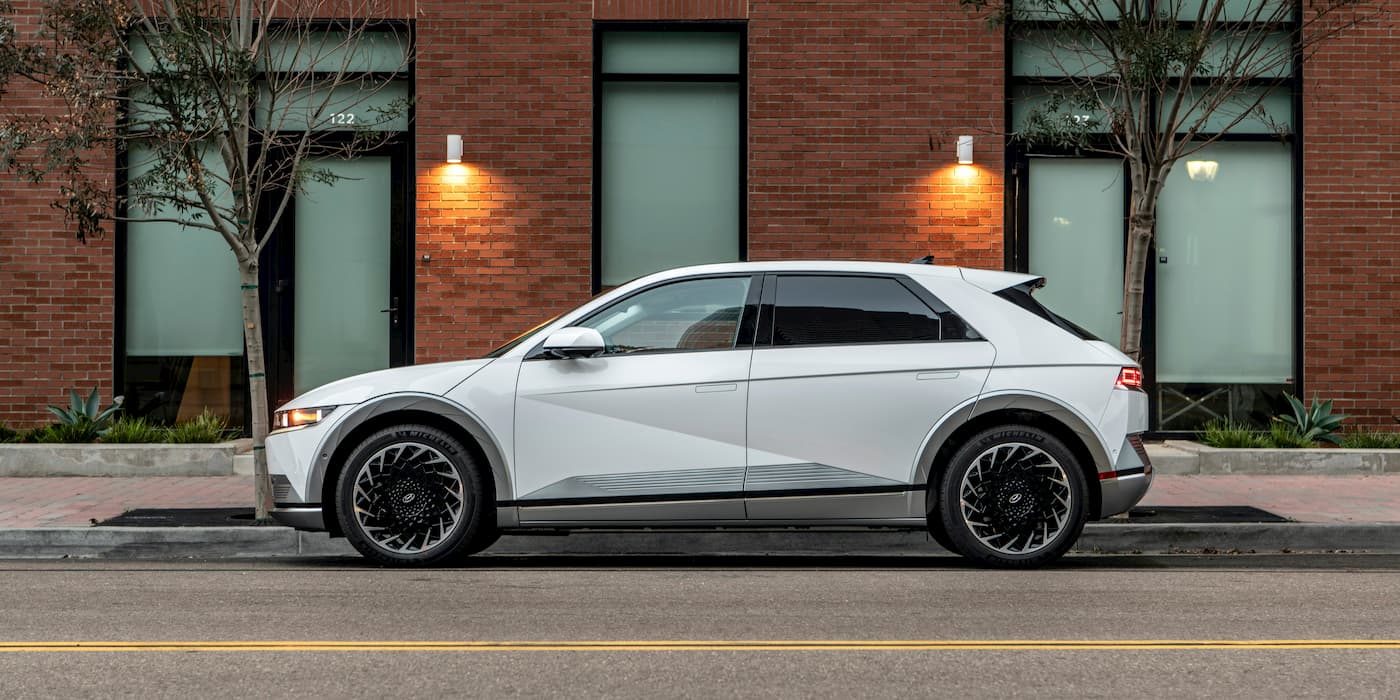
The financial realization emerged from a detailed cost breakdown published by a Reddit user identified as Suitable-Truth-350, who documented their initial two months of ownership of a Hyundai Ioniq 5. The couple, who recently transitioned into retirement, relocated from a car-dependent rural and suburban municipality to a densely populated, highly walkable metropolitan area supported by a robust light rail transit system. Their primary objective upon relocation was to drastically minimize personal automobile usage, relying instead on pedestrian infrastructure and public transit for daily routines.

According to the owner’s account, the Hyundai Ioniq 5 was delivered in August, yet the vehicle remained largely parked as the couple adapted to their pedestrian-focused environment. The car was utilized strictly for occasional trips outside the city limits, such as visiting acquaintances in rural districts, conducting major retail shopping excursions, and navigating the broader Chicagoland region. Due to this minimal utilization rate, two full months elapsed before the vehicle accumulated enough mileage to necessitate a battery recharge.
When the vehicle finally required replenishment, the owner reported visiting a public fast-charging station. The charging session required less than 30 minutes to elevate the battery’s state of charge back to 80 percent, resulting in a total transaction cost of thirteen dollars. When averaged across the entire two-month period, the operational energy expense translated to roughly seven dollars per month. Alongside the minimal energy costs, the driver noted considerable improvements in driving dynamics, citing the instantaneous torque delivery, quiet operation, and smooth power progression as stark contrasts to their previous gasoline-powered vehicle.
Broader Driving Habits and the American Commute
While a monthly fuel expenditure of seven dollars represents an anomaly driven by deliberate lifestyle changes, it underscores a broader statistical reality regarding typical American driving patterns. According to comprehensive transportation research published in the American Driving Survey by the AAA Foundation for Traffic Safety, the average motorist in the United States covers less than 29 miles per day. This modest daily mileage total means that the vast majority of weekly commuting distances fall comfortably within the operational capabilities of nearly every modern electric vehicle available on the market, including affordable pre-owned models.
Furthermore, national travel data indicates that long-distance driving remains a periodic rather than continuous activity for most households. AAA surveys reveal that approximately 30 percent of Americans undertake at least one extended road trip during the summer travel season, with the average one-way trip spanning roughly 235 miles. While such distances historically sparked concerns regarding battery depletion and charging infrastructure availability, contemporary electric vehicle engineering has largely neutralized these anxieties. Even entry-level electric vehicles with relatively modest Environmental Protection Agency range estimates are fully capable of completing a 235-mile journey with a single, brief charging stop lasting approximately 30 minutes.
The expansion and technological maturation of the public charging ecosystem further mitigate range limitations. Modern charging corridors feature faster kilowatt delivery rates, higher reliability metrics, and significantly denser geographic distribution compared to previous years. Initiatives by automotive manufacturers, energy providers, and charging network operators to deploy high-capacity charging bays equipped with standardized plug-and-charge capabilities have streamlined the refueling experience, rendering extended charging stops the exception rather than the rule for long-distance travelers.
Economic Implications of EV Ownership Versus Traditional Fuel
The divergence in fueling expenses between electric vehicles and traditional internal combustion engine vehicles highlights the long-term structural savings associated with electrification. Amid fluctuating petroleum markets where premium gasoline frequently commands four dollars per gallon and diesel fuel remains elevated near six dollars per gallon, electricity prices—particularly when managed through residential off-peak charging programs—offer a high degree of economic predictability.

Even for motorists who exceed the ultra-low mileage metrics demonstrated by urban retirees, the cost per mile for electricity remains substantially lower than fossil fuel equivalents. Industry analysts note that while average drivers will inevitably incur higher monthly charging expenditures than seven dollars, the cumulative annual savings on energy consumption often amount to thousands of dollars, depending on local utility rates and driving frequency. This favorable operating cost ratio serves as a primary catalyst for consumer adoption, helping offset initial vehicle acquisition costs over the lifecycle of the asset.
Evolution of the Public Charging Infrastructure
The growth trajectory of the North American charging network reflects a coordinated effort by both public and private entities to address historical bottlenecks. Government funding programs, including the National Electric Vehicle Infrastructure formula program, have accelerated the deployment of fast-charging stations along designated interstate corridors. Concurrently, private network operators have focused on scaling site capacity, transitioning from traditional single-charger setups to multi-bay charging hubs capable of servicing dozens of vehicles simultaneously.
Technological advancements have also transformed the user interface at charging stations. The widespread implementation of Plug & Charge protocols allows compatible vehicles to communicate automatically with charging dispensers, authenticating the user account and initiating energy transfer without requiring manual app interaction or credit card swipes. These improvements have reduced friction points for new electric vehicle owners, mirroring the simplicity of traditional gas station visits while maintaining the financial advantages of grid-supplied electricity.

As urban centers continue to invest in multimodal transportation networks—combining light rail, bus rapid transit, and expanded pedestrian corridors—demographic shifts toward reduced automobile dependency are expected to continue among retired populations. For those who retain a personal vehicle for occasional long-distance travel or specialized transit needs, the modern electric vehicle market offers unprecedented efficiency, proving that significant reductions in both tailpipe emissions and operational expenditures are achievable without sacrificing mobility.