For many American households, the purchase price of a new vehicle represents only the beginning of a long-term financial commitment. While the sticker price often dominates the conversation at the dealership, the actual burden of vehicle ownership is a complex, cumulative total that includes fuel, insurance, maintenance, financing, taxes, and the often-overlooked reality of depreciation. As inflation and shifting automotive technologies reshape the landscape of personal transportation, the true cost of keeping a car on the road has reached record levels.
According to the latest data from the AAA 2026 Your Driving Costs study, the annual cost to own and operate a new vehicle has climbed to $12,863. This translates to a monthly expenditure of $1,071.92, marking a significant increase from the $11,577—or $964.78 per month—observed in 2025. This escalation reflects a broader trend of rising consumer costs that extends well beyond the initial acquisition of a vehicle, placing increased pressure on family budgets across the United States.
A Chronology of Rising Expenses
The trajectory of automotive ownership costs has been steep over the last several years. The period between 2024 and 2026 has been defined by extreme volatility in fuel markets, fluctuating interest rates, and a rapid pivot in manufacturing priorities toward electrification. In 2024, consumers were already reeling from the post-pandemic supply chain shortages that inflated used and new car prices alike. By 2025, while inventory levels began to stabilize, the cost of financing remained high due to persistent interest rate adjustments aimed at curbing inflation.
By 2026, the cumulative effect of these factors has solidified into a new, higher baseline. The AAA study indicates that the average sales-weighted MSRP of new vehicles has settled at $39,376. Ownership costs now tack on an additional 32.67% annually, effectively ensuring that the price paid at the dealership is merely the entry fee. The sharpest increase in these costs has been driven by a 31.8% surge in gasoline prices since 2025, coupled with a notable acceleration in vehicle depreciation rates as the secondary market struggles to absorb an influx of older models.
The EV Ownership Paradox
One of the most counterintuitive findings in the 2026 report is the widening cost gap between electric vehicles (EVs) and their internal combustion engine (ICE) counterparts. Despite the common perception that EVs are cheaper to operate due to lower fuel costs and reduced mechanical complexity, the total cost of ownership currently favors traditional gasoline and hybrid vehicles.
The discrepancy is primarily driven by three factors: steeper depreciation, higher insurance premiums, and increased financing costs. Data suggests that certain EV models are depreciating at nearly twice the rate of comparable gasoline vehicles. This rapid loss in value, combined with higher initial purchase prices and specialized insurance requirements, often cancels out the savings gained at the charging station.
In contrast, hybrid vehicles have emerged as the most cost-effective segment of the market. Hybrids offer a middle ground, benefiting from superior fuel efficiency without the rapid depreciation profiles seen in pure battery-electric models. In the medium SUV category, for example, the annual ownership cost for a hybrid sits significantly lower than that of both gasoline and electric rivals. This efficiency makes them a preferred choice for budget-conscious consumers looking to hedge against volatile energy prices.
Comparative Cost Analysis
To understand the scale of these differences, one must look at the specific segments where these vehicles compete. In the medium sedan segment, the cost of ownership disparity is particularly stark. A typical gasoline-powered medium sedan costs approximately $10,582 annually to operate. A comparable EV sedan, however, carries an annual ownership cost of $13,662—a difference of over $3,000 per year.
This cost structure persists despite the fact that fuel costs are drastically lower for EV owners. While gasoline averages $4.152 per gallon, home-charged electricity averages roughly 18 cents per kilowatt-hour. Electricity rates have seen a moderate increase of 7.8% since 2025, which is a manageable uptick compared to the 31.8% spike in gasoline prices. Nevertheless, the savings in "fuel" are not yet sufficient to offset the depreciation and financing premiums associated with electric vehicle ownership.
Strategies for Mitigating Ownership Expenses
As the financial burden of car ownership grows, automotive experts and financial analysts are urging consumers to adopt more rigorous strategies to manage these expenses. The most effective way to lower the total cost of ownership is through a multi-faceted approach to selection and maintenance.
1. Strategic Insurance Shopping:
Insurance premiums are a major component of the $12,863 annual estimate. Consumers are encouraged to move away from brand loyalty and instead compare quotes across multiple providers annually. Some manufacturers produce vehicles that consistently rank as the cheapest to insure due to lower repair costs and higher safety ratings; researching these brands before purchase can save owners thousands over the life of the vehicle.
2. The Depreciation Factor:
Depreciation remains the "silent killer" of vehicle value, often costing owners over $4,400 annually in lost equity. Buying vehicles with historically strong resale values—such as those from Toyota, Subaru, and Honda—remains a proven strategy for minimizing this impact. For those in the luxury segment, Lexus continues to hold the industry standard for value retention, providing a buffer against the typical depreciation seen in high-end European marques.
3. Maintenance as an Investment:
The modern consumer often neglects preventative maintenance, yet a well-documented service history is one of the most effective tools for protecting resale value. Furthermore, consistent maintenance prevents the "cascading failure" effect, where small, inexpensive issues escalate into major mechanical repairs. For owners of mainstream, reliable brands, spare parts are significantly more affordable than for luxury vehicles, which often require proprietary components and specialized labor.
Broader Economic Implications
The findings from the AAA study serve as a warning sign for the broader automotive industry. As the cost of ownership continues to rise, the barrier to entry for personal vehicle ownership is increasing, potentially leading to a shift in consumer behavior. We may see a prolonged cycle of people holding onto older vehicles for longer periods, which could dampen new car sales and create a secondary market bottleneck.
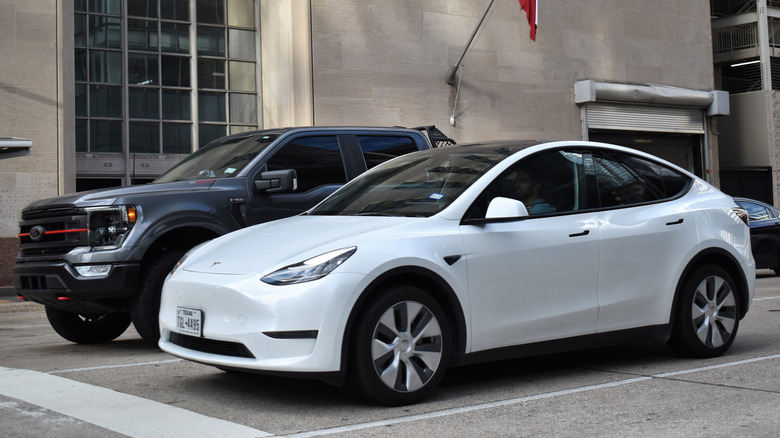
Furthermore, the data suggests that for the average driver, the "green transition" in personal transportation is currently an expensive endeavor. If the industry and policymakers hope to accelerate the adoption of electric vehicles, addressing the depreciation and insurance gap is as vital as expanding the charging infrastructure. Without a reduction in the total cost of ownership, the shift toward sustainable transportation may face significant resistance from a consumer base already strained by the rising costs of daily life.
The 2026 data serves as a comprehensive reminder that a vehicle is not just a tool for transportation, but a significant financial asset that requires careful stewardship. Whether through choosing a fuel-efficient hybrid, prioritizing brands with high resale value, or aggressively managing insurance and maintenance costs, the modern driver must be more informed than ever to navigate the rising costs of the road. As we look toward the remainder of the decade, the focus will likely shift from the price of the car to the price of the journey, with ownership costs becoming the primary metric of automotive value.