Lethal Pesticide Cocktails Linked to Catastrophic Western Monarch Butterfly Die-Off in California

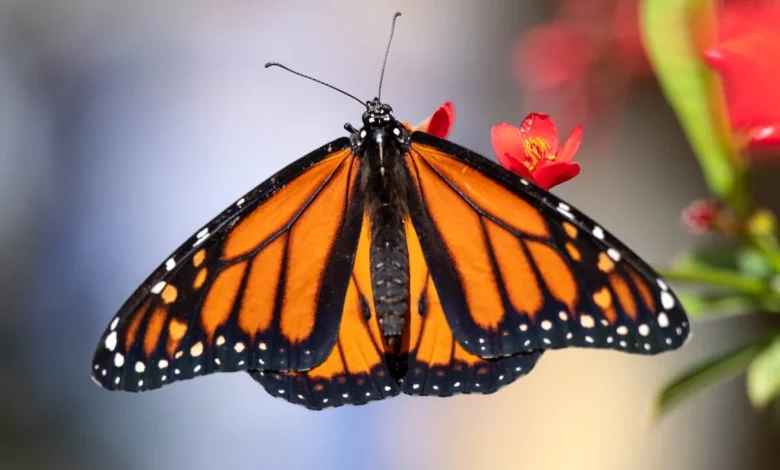
A comprehensive peer-reviewed study has identified a lethal combination of pesticides as the primary driver behind a mass die-off of Western monarch butterflies in early 2024. The investigation, published in the journal Environmental Toxicology and Chemistry, provides scientific confirmation for a tragedy that unfolded at the Pacific Grove Monarch Sanctuary, a critical overwintering site on the California coast. Researchers discovered that the butterflies were not victims of a single chemical exposure but were instead overwhelmed by a "cocktail" of insecticides, herbicides, and fungicides, many of which were found at or near lethal concentrations within their delicate systems.
In January 2024, visitors and conservationists at the Pacific Grove site were met with the harrowing sight of hundreds of dead and dying monarchs littering the ground. The butterflies exhibited clear signs of neurotoxic poisoning, including tremors and the inability to fly or cling to the eucalyptus trees that serve as their winter refuge. This event triggered an immediate investigation by the Xerces Society for Invertebrate Conservation and academic researchers, utilizing advanced forensic techniques to determine the exact cause of the mortality event.
Forensic Analysis Reveals Multi-Chemical Contamination
The research team employed liquid and gas chromatography alongside mass spectrometry to analyze the chemical residues on the deceased butterflies. This rigorous testing revealed a staggering level of contamination. Every butterfly tested carried an average of seven different pesticides. In total, the researchers identified 15 distinct chemicals, including three highly potent pyrethroid insecticides: bifenthrin, cypermethrin, and permethrin.
Staci Cibotti, the lead author of the study and a pesticide risk prevention specialist at the Xerces Society, noted that the concentrations of these chemicals were particularly alarming. "We found multiple insecticides that are highly toxic to insects," Cibotti stated. "The high levels detected suggest that insecticides were likely responsible for the monarch deaths." Specifically, bifenthrin and cypermethrin were present in every single sample tested, while permethrin was found in all but two. These human-made chemicals are designed to disrupt the nervous systems of insects, leading to paralysis and death.
The study highlights the "synergistic effect" of these chemicals. While an insect might survive exposure to a low dose of a single pesticide, the cumulative impact of seven different toxic agents creates a burden that the monarch’s biology cannot overcome. This "cocktail effect" is a growing concern for entomologists worldwide, as traditional safety regulations often evaluate chemicals in isolation rather than as part of the complex mixtures found in the environment.
A Chronology of Decline and the 2024 Crisis
The January 2024 die-off is not an isolated incident but a critical data point in a decades-long downward trend for the species. To understand the gravity of the current situation, it is necessary to examine the timeline of the Western monarch’s struggle:
- 1980s: Western monarch populations were estimated in the millions, with vibrant clusters blanketing the California coast every winter.
- 1990s-2010s: Habitat loss, climate change, and increasing pesticide use began a steady erosion of the population.
- September 2020: A similar mass mortality event occurred in North Dakota, where hundreds of monarchs died following aerial mosquito spraying during their peak migration period.
- January 2024: The Pacific Grove mass die-off occurs, claiming a significant percentage of the local overwintering population.
- Late 2024 – Early 2025: The annual Western Monarch Count, conducted by the Xerces Society, reveals that the population has plummeted to its second-lowest number on record.
- 2025 Census: Data shows the overwintering population has dwindled to just 9,119 individuals across the entire California coast.
This timeline illustrates a population in freefall. Since the 1980s, the Western monarch population has declined by approximately 95%. The International Union for Conservation of Nature (IUCN) has responded by listing the migratory monarch butterfly as endangered, while the U.S. Fish and Wildlife Service has issued a sobering projection: the Western monarch has a 99% chance of reaching the point of "quasi-extinction" by 2080 if current trends are not reversed.
The Geography of Vulnerability: Why Pacific Grove?
Pacific Grove, often referred to as "Butterfly Town, USA," is a vital link in the monarch’s life cycle. Western monarchs migrate from across the Pacific Northwest and the Rocky Mountains to spend the winter in the relatively stable microclimates of the California coast. However, these sanctuaries are increasingly becoming "ecological traps."

The Pacific Grove sanctuary is surrounded by a patchwork of urban development and agricultural land. Monarchs at these sites are uniquely vulnerable to pesticide drift—the movement of chemicals through the air from nearby farms—and "pesticide residue" found on local vegetation. While Monterey County officials conducted a review following the die-off, they were unable to pinpoint a single source for the chemicals. This suggests a diffuse origin, where the butterflies likely accumulated toxins from a variety of sources, including residential gardening, structural pest control, and large-scale agriculture.
Emily May, a study co-author and agricultural conservation lead at the Xerces Society, emphasized that the timing of these exposures is critical. During the overwintering phase, butterflies are clustered together in massive numbers. A single poorly timed application of pesticide in the vicinity can have a disproportionately large impact, wiping out a significant portion of the entire regional population in one afternoon.
Broader Ecological and Conservation Implications
The loss of the monarch butterfly is more than a sentimental tragedy; it is a harbinger of a broader "insect apocalypse." Monarchs are considered a flagship species, meaning their health serves as an indicator for the health of the entire ecosystem. The same pesticides killing monarchs are also impacting bees, moths, and other pollinators essential for human food security and the maintenance of wild plant populations.
The study’s findings have prompted the Xerces Society and other conservation groups to issue a series of urgent recommendations for policy change:
- Establishment of Pesticide-Free Buffer Zones: Creating "no-spray" corridors around known overwintering sites to prevent drift from reaching sensitive habitats.
- Public Education Initiatives: Informing homeowners and landscapers about the risks of pyrethroids and encouraging the use of integrated pest management (IPM) strategies that do not rely on broad-spectrum toxins.
- Enhanced Regulatory Oversight: Calling for public officials to track pesticide applications more rigorously and to include butterfly-specific protections in conservation and recovery plans.
- Mosquito Abatement Reform: Coordinating with public health departments to ensure that mosquito control efforts do not coincide with monarch migration or overwintering periods.
The Path Forward: Education and Policy Change
The 2024 die-off serves as a wake-up call for the necessity of systemic change in how chemicals are managed in the environment. "Protecting monarchs from pesticides will require both public education and policy change," said Emily May. The goal is to transform overwintering sites from hazardous zones back into the healthy refuges they once were.
As the population hovers near 9,000 individuals, every single butterfly becomes vital for the survival of the migration phenomenon. Conservationists argue that the Western monarch’s resilience is being tested to its limit. While the species has shown an ability to bounce back from low numbers in the past, the persistent "background noise" of chemical toxicity makes that recovery increasingly difficult.
The research published in Environmental Toxicology and Chemistry provides the scientific foundation necessary for advocates to push for stricter regulations. By identifying the specific chemical culprits—bifenthrin, cypermethrin, and permethrin—the study moves the conversation from vague suspicion to actionable data. For the residents of Pacific Grove and the millions of people who follow the monarch’s journey, the hope is that this evidence will lead to a safer landscape where the "orange clouds" of butterflies can once again return to the California coast without the threat of a silent, chemical death.
The survival of the Western monarch now rests on a delicate balance: the ability of humans to modify their use of toxic chemicals versus the butterfly’s ability to endure in an increasingly hostile environment. Without immediate intervention, the sight of a monarch in the wild may soon become a memory of the past, marking a significant failure in global biodiversity conservation.