Lewis Hamilton slips from the summit of athlete marketability as F1’s next generation ascends the global rankings

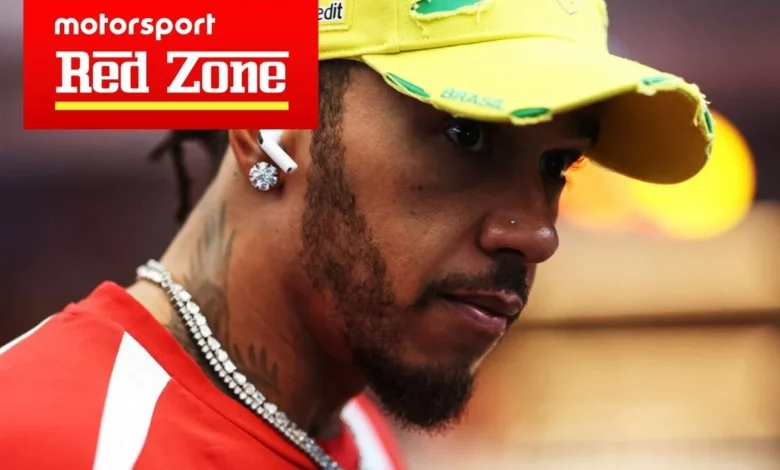
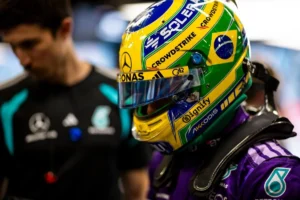
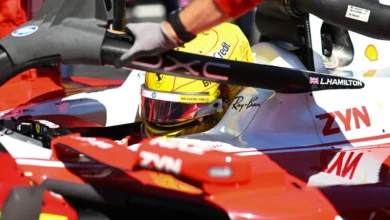
The landscape of professional sports marketing has undergone a seismic shift, with seven-time Formula 1 world champion Lewis Hamilton witnessing a notable decline in his standing within the annual SportsPro 50 Most Marketable Athletes list. Having previously claimed the top spot, the Ferrari driver has descended to 22nd place in the 2026 edition, a ranking developed through rigorous data analysis provided by NorthStar Solutions Group. This transition reflects not only the volatile nature of athlete branding in the digital age but also the rising influence of a new wave of competitors across the global sporting spectrum.
The Methodology of Marketability
The rankings, which assess athletes based on a sophisticated matrix of brand equity, market momentum, and future commercial growth potential, cover a performance window from July 1, 2025, to June 30, 2026. During this period, the criteria focused on an athlete’s ability to transcend their specific sport and resonate with a broader, international demographic.
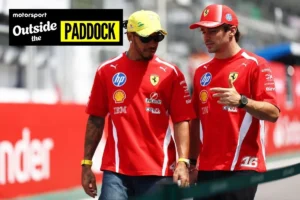
The calculation of these scores—where a maximum of 100 points is possible—reveals the stark reality of Hamilton’s current commercial trajectory. His score fell from a formidable 96.03 in the previous cycle to 66.63. In contrast, his Ferrari teammate Charles Leclerc has surged to ninth place with a score of 71.12, effectively overtaking Hamilton as the most marketable asset in the Scuderia’s current lineup. This shift is particularly significant given that Leclerc has spent recent seasons cementing his status as a long-term face of the Maranello brand, aligning his personal identity closely with the heritage and future aspirations of the Italian manufacturer.
A New Guard at the Top
The 2026 list is headlined by Belarusian tennis star Aryna Sabalenka, whose meteoric rise in the sport has translated into immense global appeal. She is followed in the top five by freestyle skiing icon Eileen Gu, NBA superstar Giannis Antetokounmpo, Norwegian football sensation Erling Haaland, and Spanish tennis prodigy Carlos Alcaraz.
The presence of these athletes at the pinnacle underscores a broader trend: the globalization of sports marketing is no longer tethered exclusively to veteran icons. Younger, high-performing individuals who dominate their respective fields are capturing the attention of a younger, digitally native audience, often at the expense of established stars who are entering the later stages of their professional careers.
Formula 1’s Shifting Hierarchy
While Hamilton’s position has softened, the presence of Formula 1 drivers in the top 50 remains a testament to the sport’s ongoing global expansion. Max Verstappen, the perennial championship contender, has climbed from 81st to 48th, signaling that his aggressive driving style and uncompromising personality are beginning to resonate more deeply with commercial partners.
However, the wider field tells a more complex story. Oscar Piastri of McLaren currently occupies 56th position, notably eclipsing his teammate Lando Norris, who has suffered a significant slide from 41st to 78th. This reversal of fortune for Norris, who held the mantle of the 2025 world champion, highlights the fickleness of marketability scores when performance dips or when team dynamics shift in the public eye.
Perhaps the most surprising entry is that of Kimi Antonelli. Despite his recent crowning as the 2026 Formula 1 world champion, Antonelli only just breaks into the top 150 at 126th. It is important to note, however, that the data collection for this report concluded on June 30, 2026. Therefore, his title-clinching performance in Mexico, which occurred well after the cutoff, is not reflected in his current ranking. This demonstrates the "lag effect" inherent in such data-driven reports, where an athlete’s real-world success must wait for the next reporting cycle to be fully realized in commercial metrics.
Chronology of a Challenging Transition
The period covered by the 2026 rankings coincides with one of the most transformative and difficult years in Lewis Hamilton’s illustrious career. His transition to Ferrari, while a major media event, was met with early on-track struggles that undoubtedly impacted his overall "momentum" score.
Between July 2025 and mid-2026, Hamilton faced a series of technical hurdles. During this window, he struggled to secure a podium finish, a rarity for a driver of his caliber. The scrutiny of the press and the expectations of the Ferrari fanbase created a high-pressure environment where every race result was scrutinized under the lens of his high-profile move.
However, the latter half of the 2026 season has provided a much-needed resurgence. As of the current standings, with three races remaining in the calendar, Hamilton sits fourth in the drivers’ championship, remaining firmly in the battle for second place. His mid-season rally, characterized by consistent points finishes and improved car development, suggests that his marketability could see a correction in the 2027 report, provided he maintains this competitive trajectory.
The Breadth of the Hamilton Brand
Despite the decline in his numerical ranking, industry analysts suggest that it would be a mistake to equate a lower score with a loss of relevance. Lewis Hamilton occupies a unique space in modern sports; his influence extends far beyond the confines of the circuit. Through his high-profile involvement in the fashion industry, his advocacy for diversity, and his recent forays into the film and entertainment production sectors, Hamilton has cultivated a brand that is arguably more resilient than those of his peers.
While a tennis player or footballer’s marketability is often tied directly to their current tournament success or goals scored, Hamilton’s brand equity is built on a multi-decade legacy. The current dip reflects a specific data window—a period of transition and adjustment—rather than a permanent decline in his global profile. His ability to maintain a strong presence in mainstream media, separate from his performance at the wheel, ensures that he remains one of the most recognizable figures in global sport.
Strategic Implications for Teams and Sponsors
The data from NorthStar Solutions Group serves as a crucial metric for F1 teams when negotiating sponsorship deals. With Leclerc now holding a higher marketability index than Hamilton, the commercial narrative within Ferrari is likely to evolve. Sponsors are increasingly looking for athletes who provide a balance of on-track performance and "brand-fit," and the fact that Leclerc has outperformed Hamilton in this specific index gives the team significant leverage in marketing campaigns that target a younger demographic.
Furthermore, the climb of drivers like Piastri and the continued interest in Verstappen highlight that the commercial value of the F1 grid is diversifying. Teams are no longer reliant on a single "superstar" to attract lucrative partnerships. Instead, a robust, competitive, and youthful roster can generate a higher aggregate marketability score than a single, aging icon.
Looking Toward the Future
As the 2026 season draws to a close, the focus will turn toward how these athletes leverage their positions heading into the next year. For Lewis Hamilton, the challenge is clear: he must reconcile his status as a legendary figure in motorsport with the new realities of an industry that demands constant, high-octane relevance.
The inclusion of names like Antonelli in the top 150—and his potential to skyrocket in the next cycle—serves as a warning to the rest of the field. The commercial "throne" is occupied by a rotating cast of characters, and the data suggests that in the high-stakes world of sports marketing, the only constant is the relentless demand for growth. As the industry looks toward the 2027 cycle, the competition for the top spot will undoubtedly intensify, ensuring that the intersection of sport and commerce remains as dynamic and unpredictable as the races themselves.