The Evolution of New York City’s Cycling Infrastructure
To understand why cycling has become the premier way to discover New York, one must look at the chronological evolution of the city’s streets. For much of the 20th century, New York City was designed with the automobile as the priority. However, the last two decades have seen a radical reversal of this philosophy.
The turning point began in earnest around 2007, under the administration of Mayor Michael Bloomberg and Department of Transportation (DOT) Commissioner Janette Sadik-Khan. This era marked the beginning of "Plaza Program" and the aggressive installation of protected bike lanes. By 2013, the launch of Citi Bike—the city’s bike-share program—provided the necessary hardware to match the new infrastructure. What started with 6,000 bikes and 300 stations has grown into a behemoth with over 30,000 bikes and 1,500 stations, becoming one of the largest and most successful bike-share systems in the world.
In 2019, the city announced "The Green Wave," a five-year plan to improve bicycle safety and build 30 miles of protected bike lanes annually. The COVID-19 pandemic in 2020 served as an unexpected catalyst, leading to the "Open Streets" initiative, which reclaimed miles of roadway from cars for pedestrian and cyclist use. The most symbolic victory for the cycling community came in September 2021, when a dedicated, protected bike lane opened on the Brooklyn Bridge, repurposing a lane previously reserved for motor vehicles and ending the dangerous conflict between cyclists and pedestrians on the bridge’s wooden boardwalk.
Data-Driven Sustainability: The Environmental Argument
The environmental impact of choosing a bicycle over a motorized vehicle in New York City is quantifiable and significant. According to the New York City Mayor’s Office of Climate and Environmental Justice, the transportation sector is responsible for approximately 28% of the city’s total greenhouse gas emissions. Of that percentage, the vast majority comes from passenger vehicles.
Data from the DOT indicates that on an average day, there are over 530,000 cycling trips made in New York City—a figure that has more than tripled since the early 2000s. If even 10% of those trips replace a ride in a fossil-fuel-powered taxi or ride-share vehicle, the reduction in CO2 emissions is immense. Furthermore, cycling mitigates "secondary" pollution. Taxis and ride-shares often "deadhead" (circling blocks while waiting for a fare), which exacerbates local air quality issues and contributes to the "urban heat island" effect.
From a resource perspective, the efficiency of a bicycle is unparalleled. A single parking space for a standard SUV can accommodate up to 10 bicycles. By choosing to bike, visitors are participating in a high-efficiency use of limited urban space, helping to alleviate the chronic congestion that costs the New York City economy billions of dollars annually in lost productivity and wasted fuel.
The Sensory and Health Benefits of Street-Level Discovery
Beyond the cold hard data of carbon offsets, cycling offers a qualitative depth to tourism that subterranean or window-shielded travel cannot replicate. When a visitor travels by subway, they experience the city as a series of disconnected points—disembarking at a station and missing the cultural transitions between neighborhoods.
Cycling at a moderate pace of 8 to 12 miles per hour allows for a "Goldilocks" perspective: fast enough to cover several miles in an afternoon, but slow enough to observe the architectural nuances of the West Village, the street art of Bushwick, or the bustling produce markets of Chinatown. The sensory engagement—the smell of street food, the sudden drop in temperature when entering the shade of a skyscraper, and the ability to stop instantly when a storefront catches the eye—creates a more durable and personal memory of the city.
From a public health standpoint, the benefits are equally compelling. New York City’s intensity can be taxing on a visitor’s mental health. Physical activity is a proven mitigator of travel-related stress. Cycling engages the cardiovascular system and releases endorphins, turning a day of sightseeing into a wellness activity. As urban planners increasingly adopt the "15-minute city" model—where all basic needs and attractions are within a short walk or bike ride—cycling emerges as the most logical way to navigate this new urban reality.
The Strategic Role of Guided Tours and Local Expertise
While the city has made strides in safety, New York’s traffic remains a complex ecosystem that can be intimidating for the uninitiated. This has led to a surge in the popularity of guided bike tours, which serve as a bridge between the desire for sustainable travel and the need for safety and context.
Professional guides provide more than just navigation; they offer a curated narrative of the city’s history, politics, and culture. For example, a tour through Harlem might explain the significance of the Renaissance era while navigating the safest paths through Saint Nicholas Park. Companies like Holland Bikes and others have seen a steady increase in bookings, particularly from international travelers who are accustomed to high-quality cycling infrastructure in Europe and expect a similar standard in New York.
Official responses from the tourism board, NYC Tourism + Conventions, suggest that "active tourism" is one of the fastest-growing sectors in the city’s post-pandemic recovery. By opting for a guided experience, tourists contribute to the local "green economy," supporting jobs that do not rely on the fossil fuel industry.
Iconic Routes: A New Way to See Old Favorites
The current cycling network allows visitors to experience New York’s most famous landmarks from entirely new angles.
- The Hudson River Greenway: Stretching 13 miles from the northern tip of Manhattan down to Battery Park, this is the busiest bike path in the United States. It provides an uninterrupted, car-free corridor with views of the Intrepid Sea, Air & Space Museum, the Little Island park, and the Statue of Liberty.
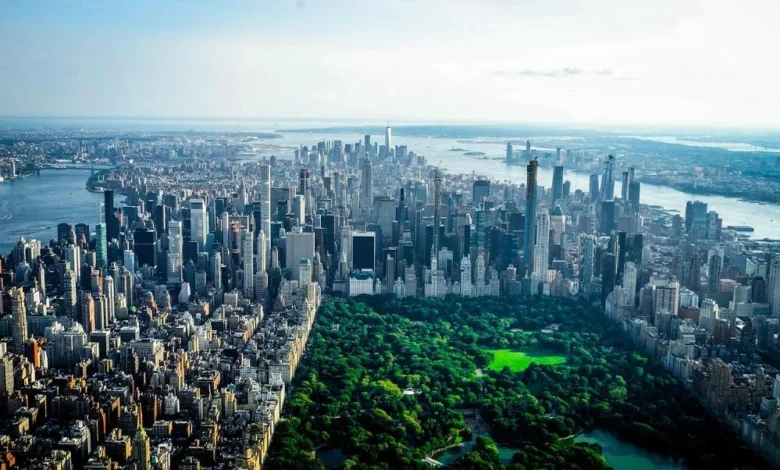
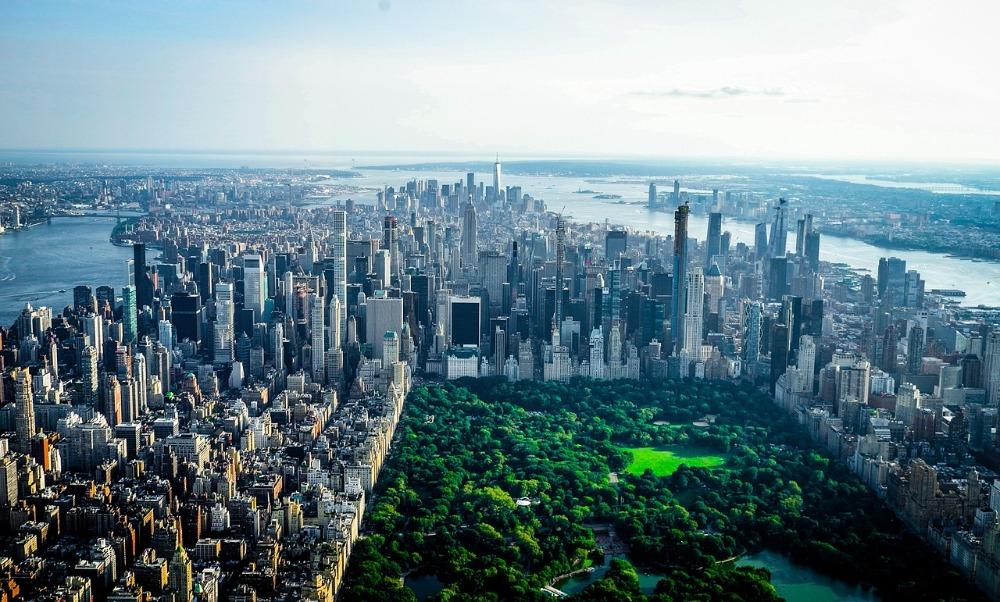
- Central Park Loop: The 6.1-mile inner loop of Central Park was closed to private motor vehicles in 2018. It is now a sanctuary for cyclists, offering a challenging mix of hills and flats through some of the most famous landscaped terrain in the world.
- The Five Borough Bike Tour Path: While the official tour happens once a year in May, savvy cyclists use the city’s bike lanes to recreate parts of this route, crossing the Pulaski Bridge to move from the industrial-chic landscape of Long Island City into the residential charm of Greenpoint, Brooklyn.
Broader Impact and the Future of the New York Streetscape
The move toward a cycling-centric New York is not without its challenges. Advocacy groups like Transportation Alternatives frequently point out that infrastructure is still unevenly distributed, with Manhattan receiving more protected lanes than the outer boroughs. There is also the ongoing debate regarding the rise of e-bikes and mopeds, which have complicated the speed differentials within bike lanes.
However, the trajectory is clear. The city’s "Streets Plan" legally mandates the construction of hundreds of miles of new protected lanes over the coming years. As congestion pricing looms on the horizon for Manhattan’s Central Business District, the economic incentive to choose a bicycle over a car will only increase.
For the traveler, the decision to bike is an act of "responsible tourism." It acknowledges that a city of 8.5 million people cannot sustain an infinite number of cars, and that the best way to respect a destination is to move through it without leaving a trace of pollution. By closing the taxi app and picking up a helmet, visitors are not just seeing New York—they are helping to preserve it. The future of New York City discovery is two-wheeled, human-powered, and inherently sustainable. In a city that never sleeps, the bicycle offers a way to move through the neon and noise with a sense of clarity, health, and environmental purpose.