Most Coveted: The Ultimate 2027 Wellness and Lifestyle Edit for a Sophisticated Fresh Start

As the final weeks of the year rapidly approach, the cultural focus among lifestyle consumers, wellness enthusiasts, and fashion insiders pivots sharply toward intentional planning and personal revitalization. The period leading up to the New Year has historically served as a psychological runway for individuals looking to reset their daily habits, reevaluate their consumption patterns, and invest in long-term holistic health. Looking ahead to 2027, the prevailing aesthetic and lifestyle ethos is defined by a commitment to sophisticated self-care, functional longevity, and elevated comfort. Market analysts note a distinct shift away from high-stress, short-term resolution culture toward sustainable wellness routines that seamlessly integrate into modern urban lifestyles.
To navigate this transition, editors and lifestyle forecasters have curated an exhaustive compendium of essential products designed to optimize physical well-being, elevate daily routines, and refine seasonal wardrobes. This comprehensive market overview examines the leading items across activewear, nutritional support, advanced skincare, and innovative wearable technology projected to dominate the upcoming wellness landscape.

The Evolution of Athleisure and Footwear: Comfort Meets Sophistication
The intersection of functionality and high fashion continues to dictate market demand within the apparel sector. As consumers increasingly prioritize versatile wardrobes capable of transitioning from home offices to outdoor movement routines, brands have responded with elevated iterations of classic athletic staples.
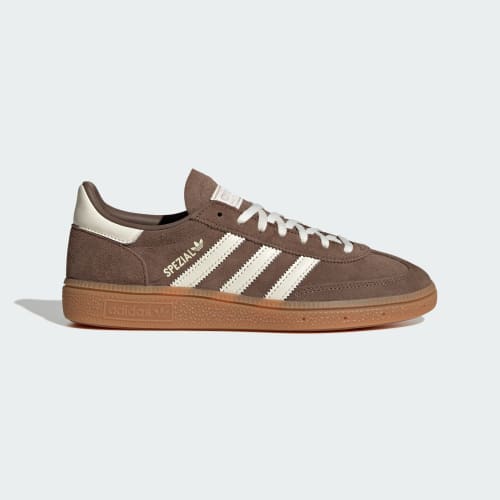
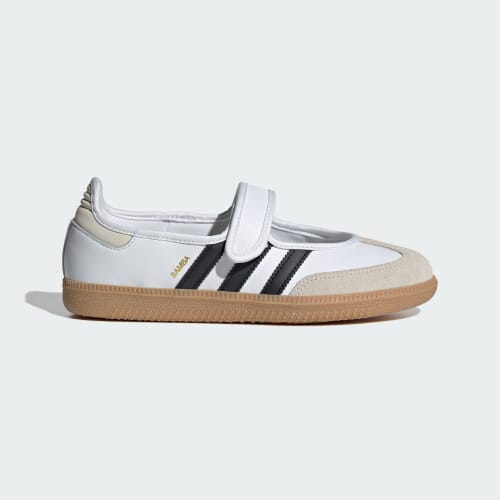
Footwear remains a cornerstone of this movement, led by continued dominance from heritage athletic brands. The popularity of low-profile retro sneakers—exemplified by the enduring appeal of the adidas Samba series, including the Samba OG and the contemporary Samba Jane, alongside the Handball Spezial—demonstrates a consumer preference for understated, versatile footwear. Market data indicates that these silhouettes have transcended their athletic origins to become staples of everyday urban style, frequently paired with tailored outerwear and relaxed-fit loungewear. Similarly, the introduction of technical runners, such as the Nike V5 RNR with reflective accents, highlights a growing consumer demand for performance-engineered footwear that incorporates high-visibility elements for transitional daylight hours.
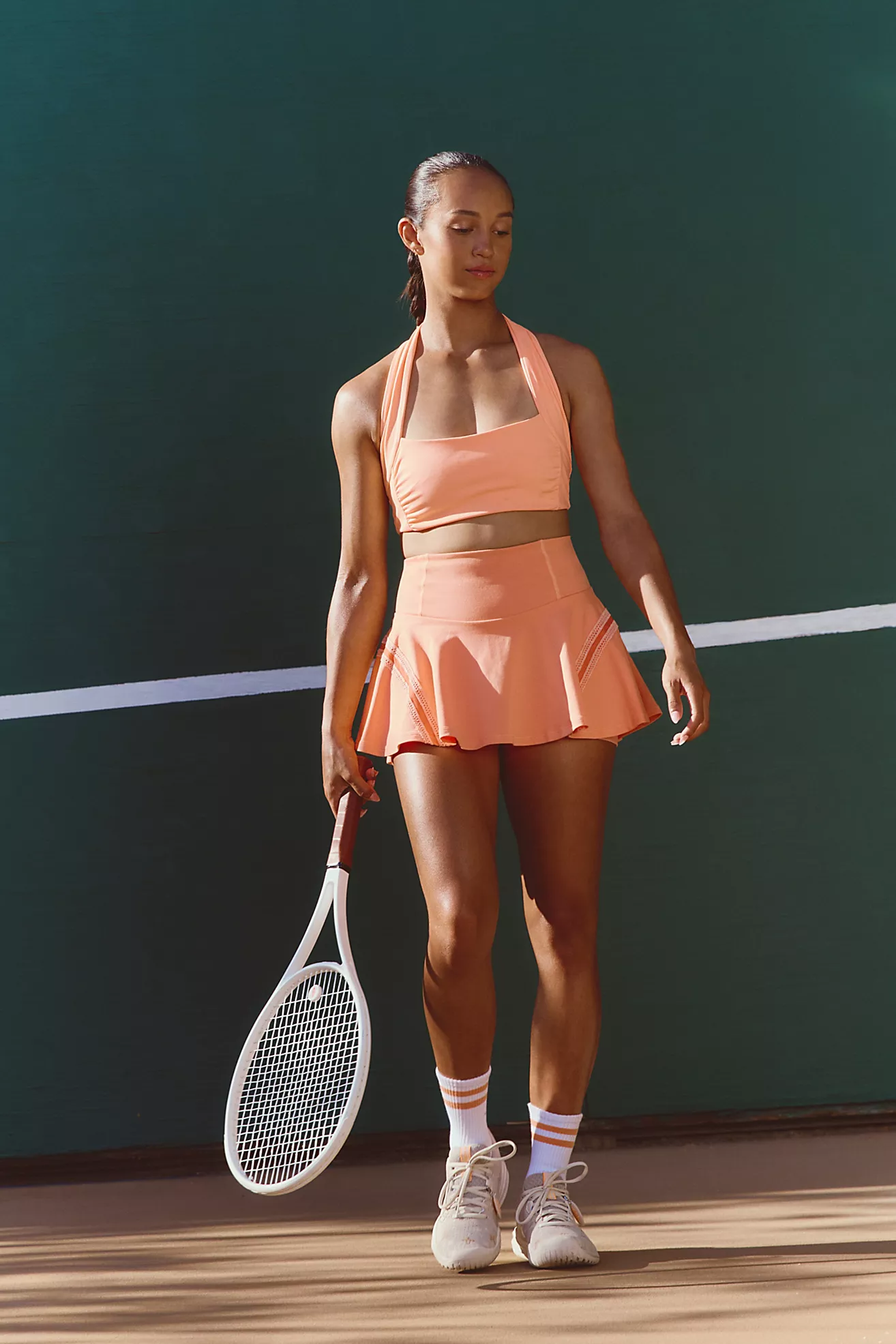
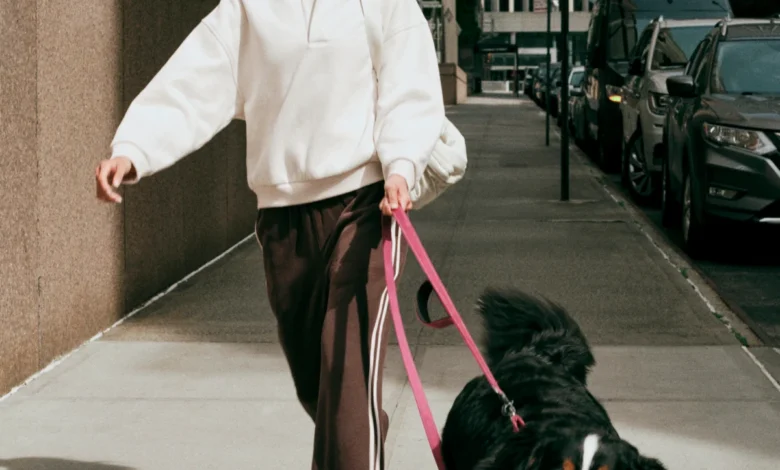
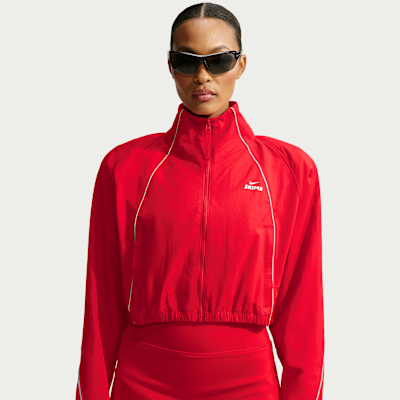
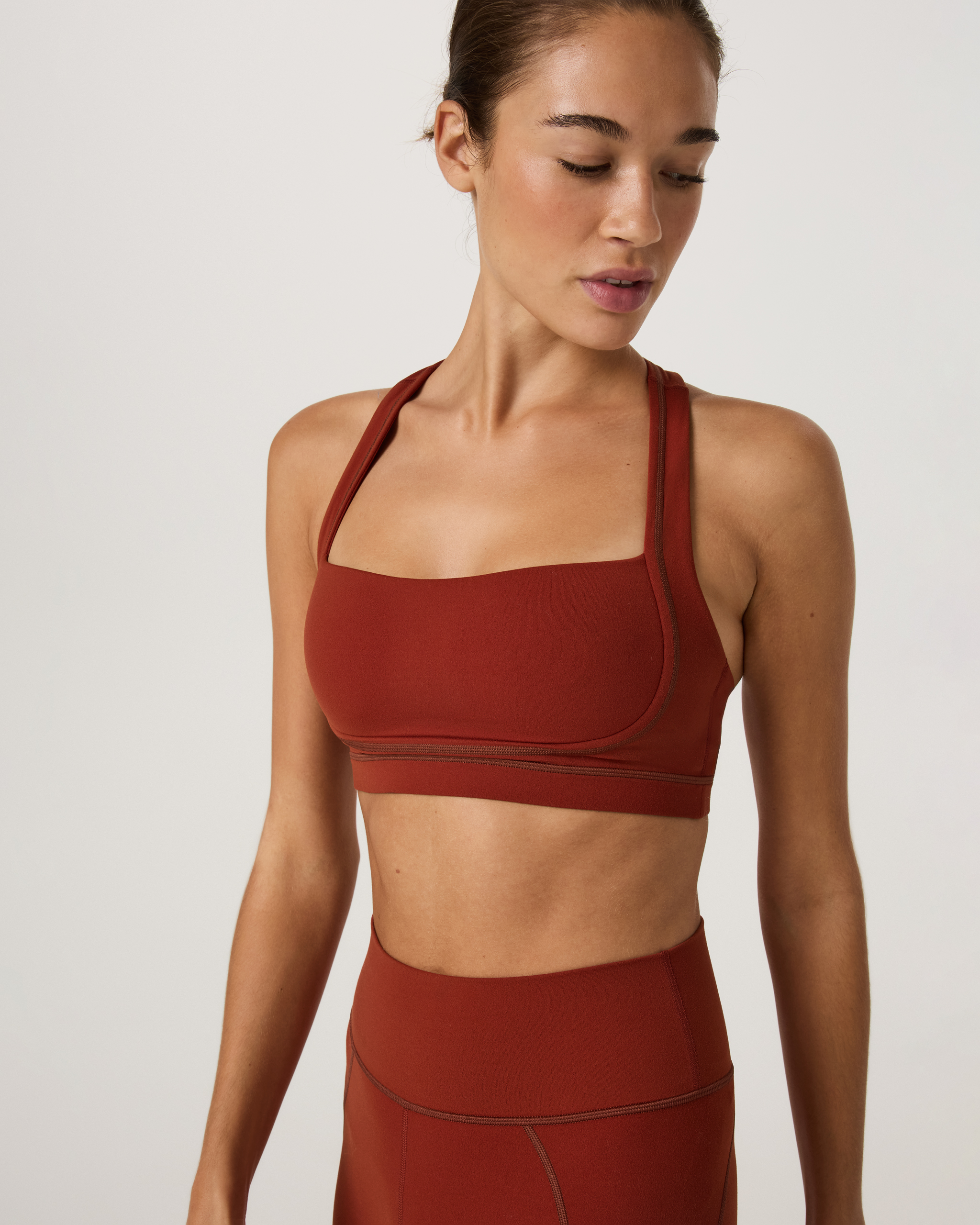
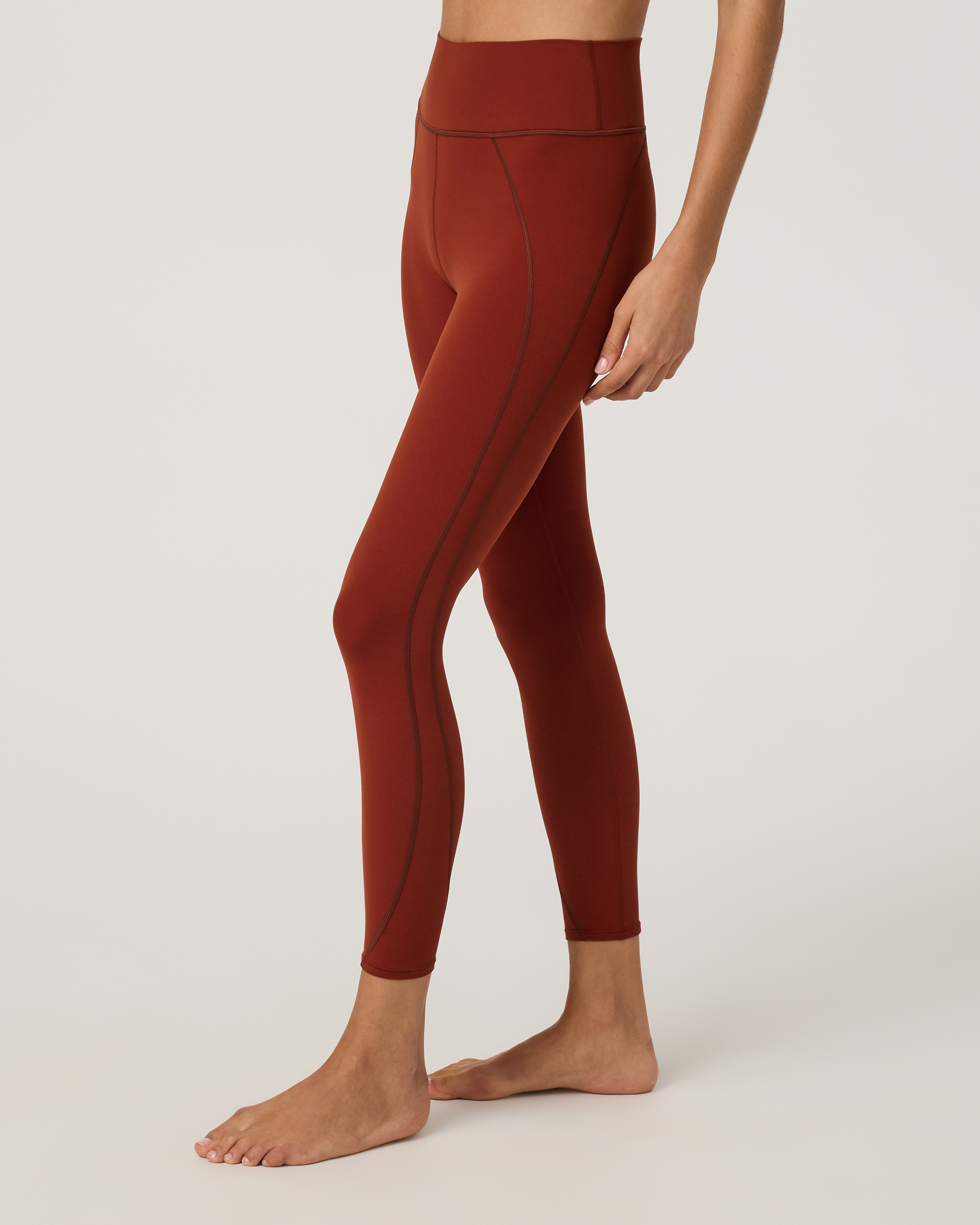
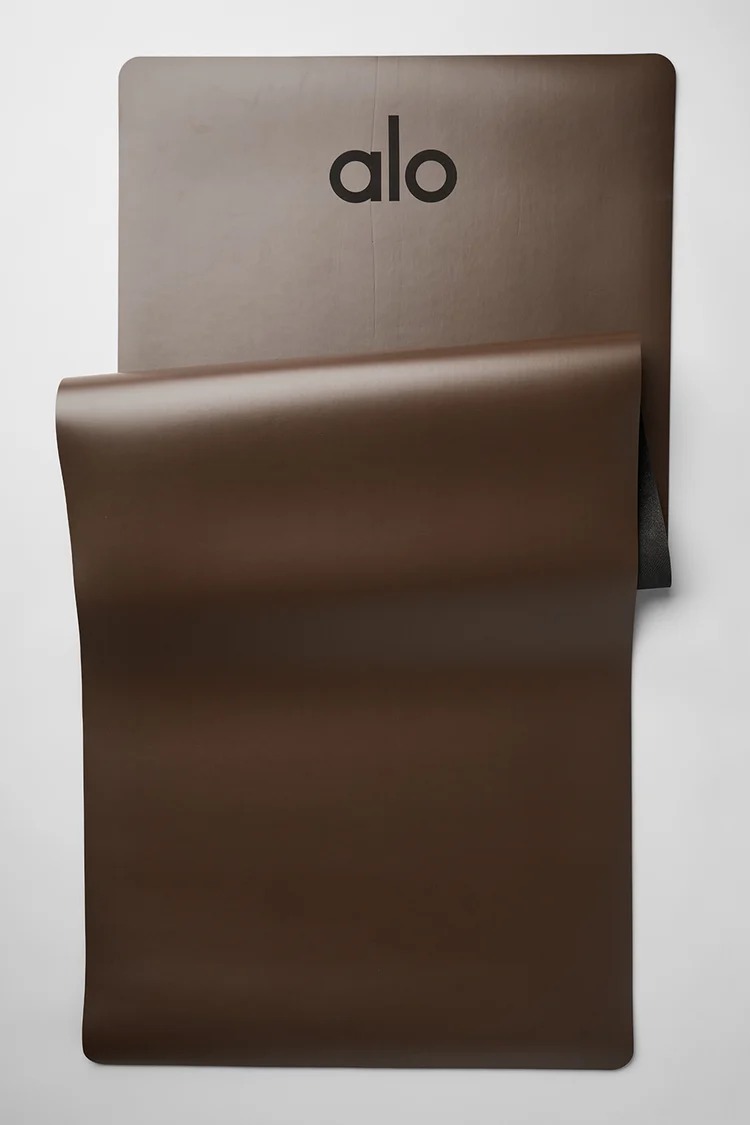
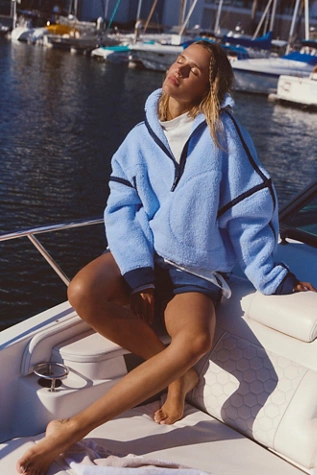
In the apparel market, the emphasis has shifted toward tactile luxury and refined silhouettes. Premium loungewear brands like Vuori have captured significant market share with pieces such as the Restore Straight Leg Track Sweatpant and the Long Sleeve Halo Fitted Hoodie, offering consumers a polished alternative to traditional sweatpants. Furthermore, technical compression and support wear have undergone a design evolution. The Free People Don’t Let Go Halter Sports Bra and Alo Yoga’s Airbrush Heart Throb Bra and Sherpa Avenue Full Zip Jacket illustrate a broader trend toward garments that merge structural support with sophisticated design details, such as sweetheart necklines and plush textural contrasts. The integration of rich, earthy tones like chocolate brown, French roast, and red ochre across these collections marks a deliberate departure from traditional neon athletic palettes, aligning with a more mature, grounded color theory for the upcoming year.
Nutritional Optimization and Functional Wellness
The wellness sector heading into 2027 is characterized by an intensified focus on proactive nutritional support, gut health, and cognitive longevity. According to recent industry reports, the global functional wellness market continues to expand rapidly as consumers seek scientifically backed formulations to bridge nutritional gaps caused by fast-paced lifestyles.
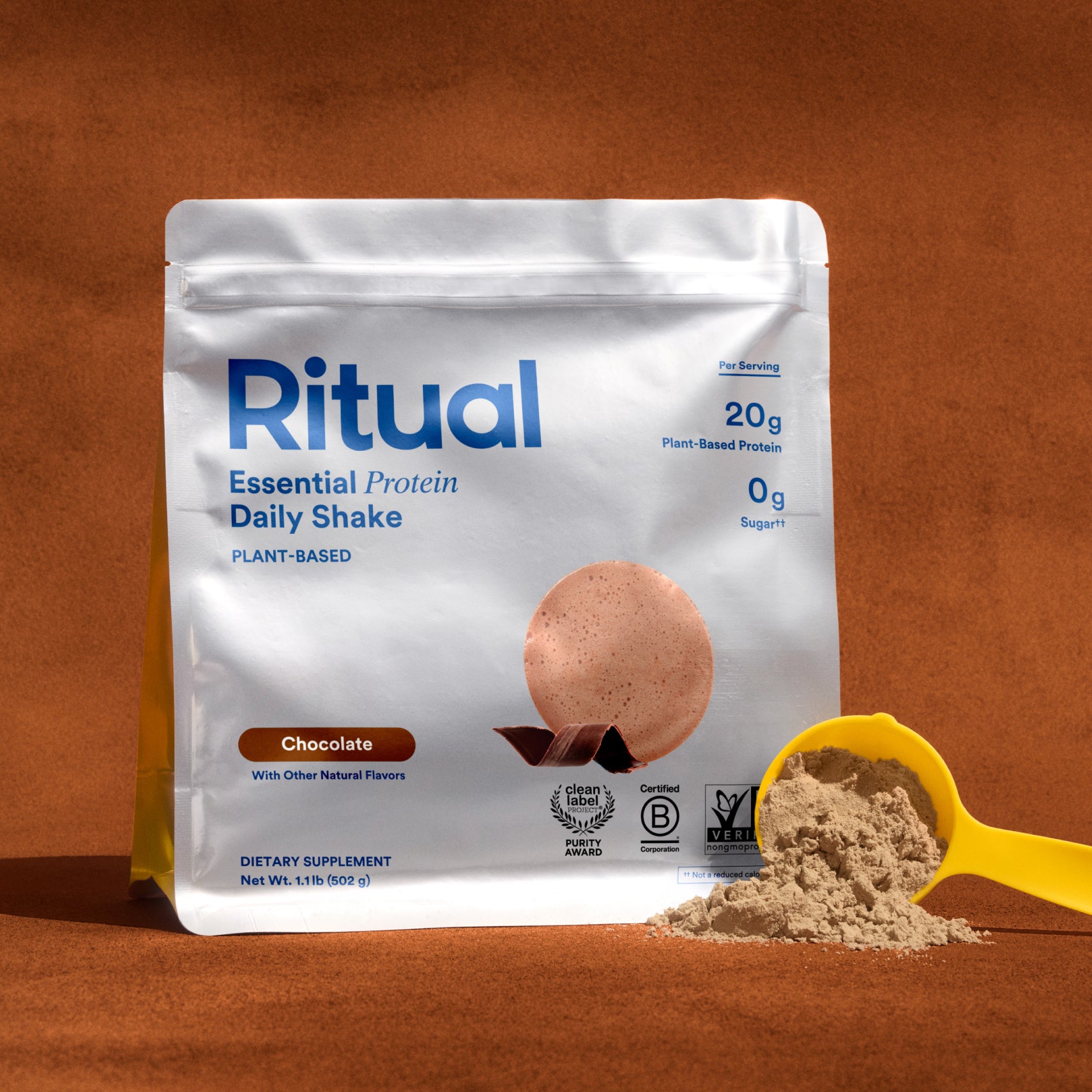
Core foundational supplementation remains a priority, with brands like Ritual leading the category through transparent sourcing and targeted formulations, including the Essential for Women Multivitamin 18+, Essential Prenatal Multivitamin, and Daily Shake in Chocolate. These products emphasize bioavailable nutrient forms designed to support foundational health without unnecessary additives. Concurrently, the supplement market has seen explosive growth in specialized categories, notably gut-brain axis support and performance enhancement. Products such as Ritual’s Synbiotic+ address digestive health through advanced delivery systems that combine prebiotics, probiotics, and postbiotics.
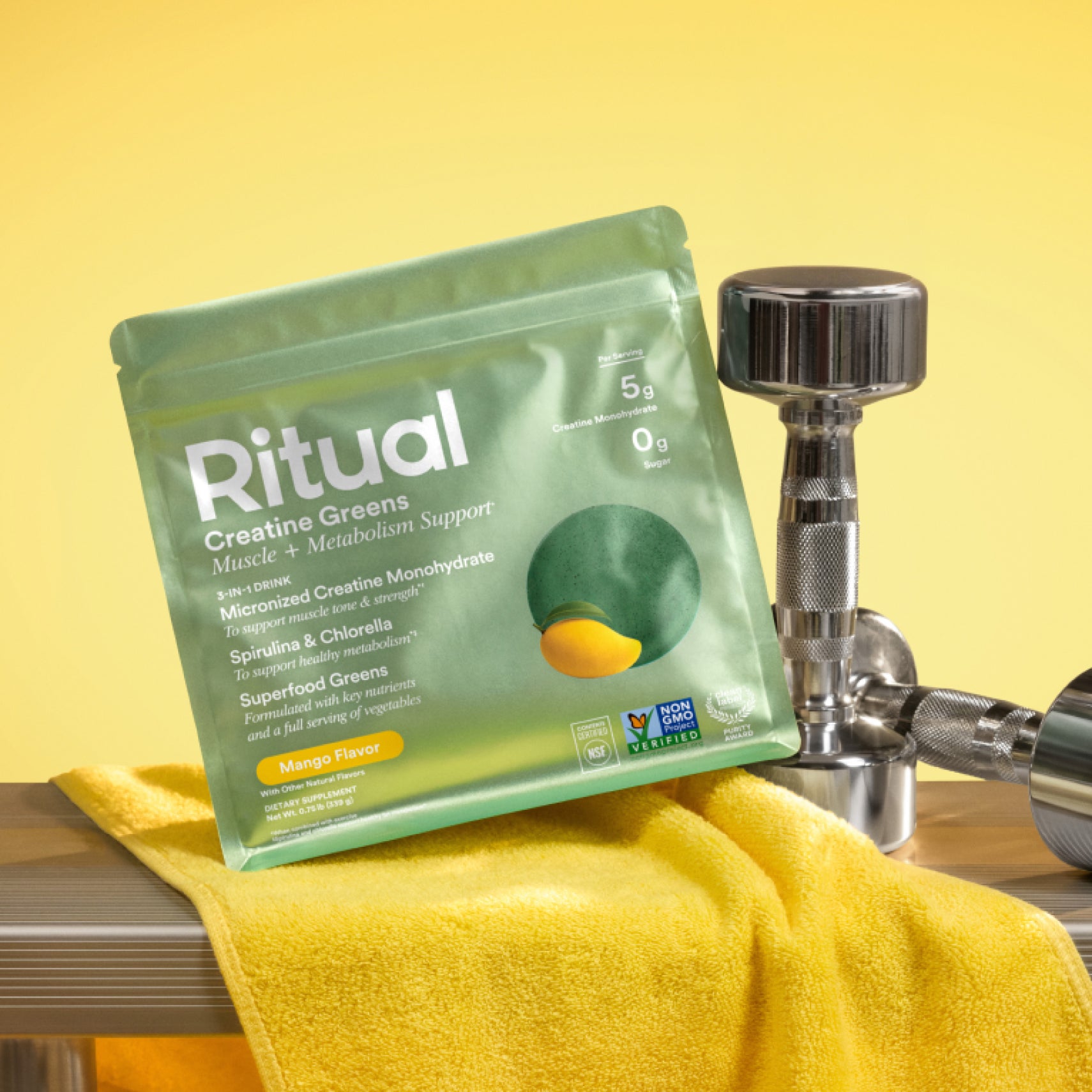
Furthermore, once relegated exclusively to bodybuilding circles, creatine has emerged as a mainstream staple for cognitive and muscular health across demographic lines. Innovations like Ritual’s Creatine Greens reflect a consumer desire for multi-functional products that combine cellular energy support with micronutrient intake. Similarly, specialized beauty-from-within supplements, such as Hyacera for skin hydration, underscore the growing consumer preference for ingestible skincare solutions designed to complement topical regimens.
Advanced Dermatology and Targeted Skincare
The skincare market entering 2027 places heavy emphasis on clinical efficacy, barrier repair, and specialized treatment protocols designed to reverse environmental damage and support cellular turnover. Dermatological brands have observed a notable surge in demand for formulations that target hyperpigmentation, collagen depletion, and sleep-related skin recovery.
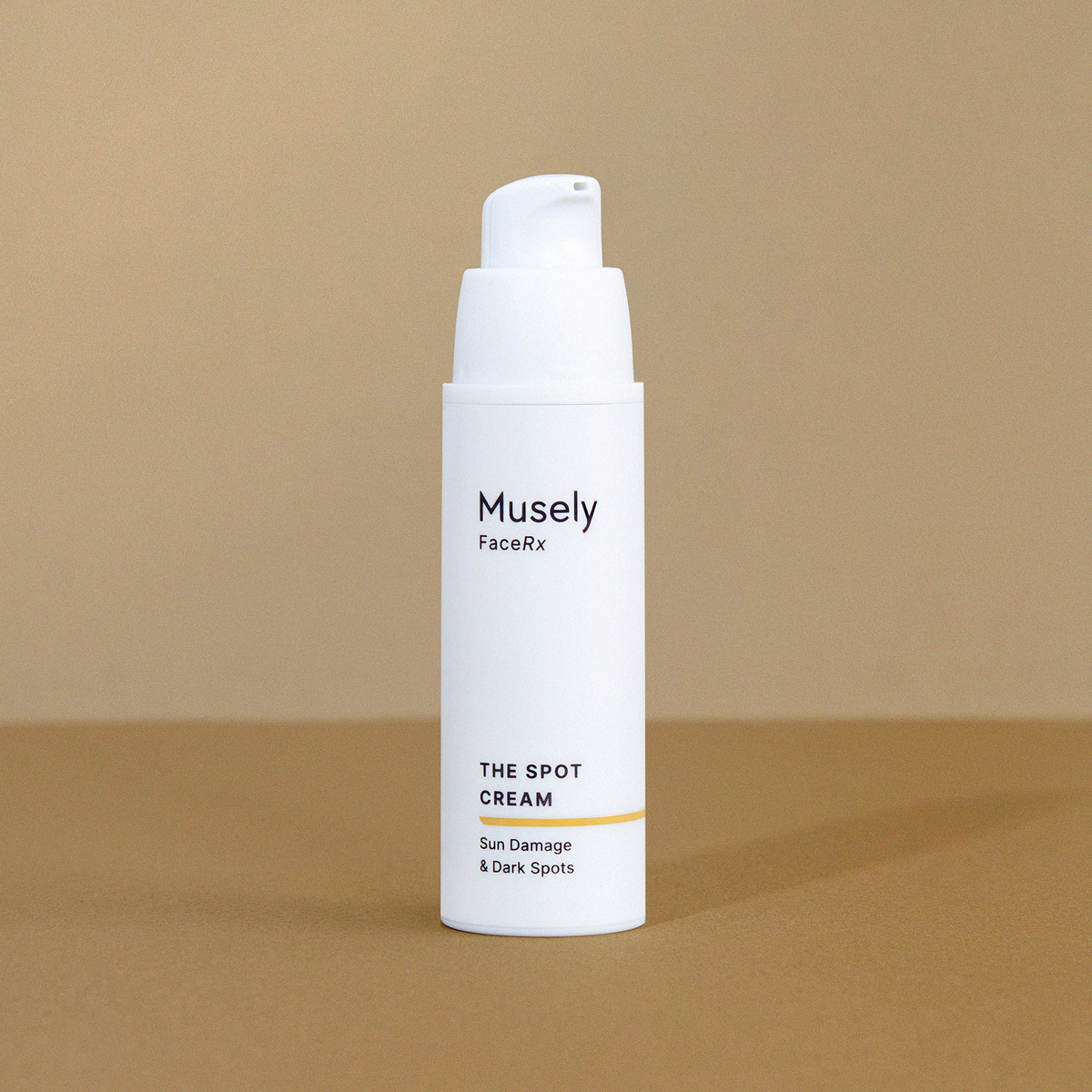
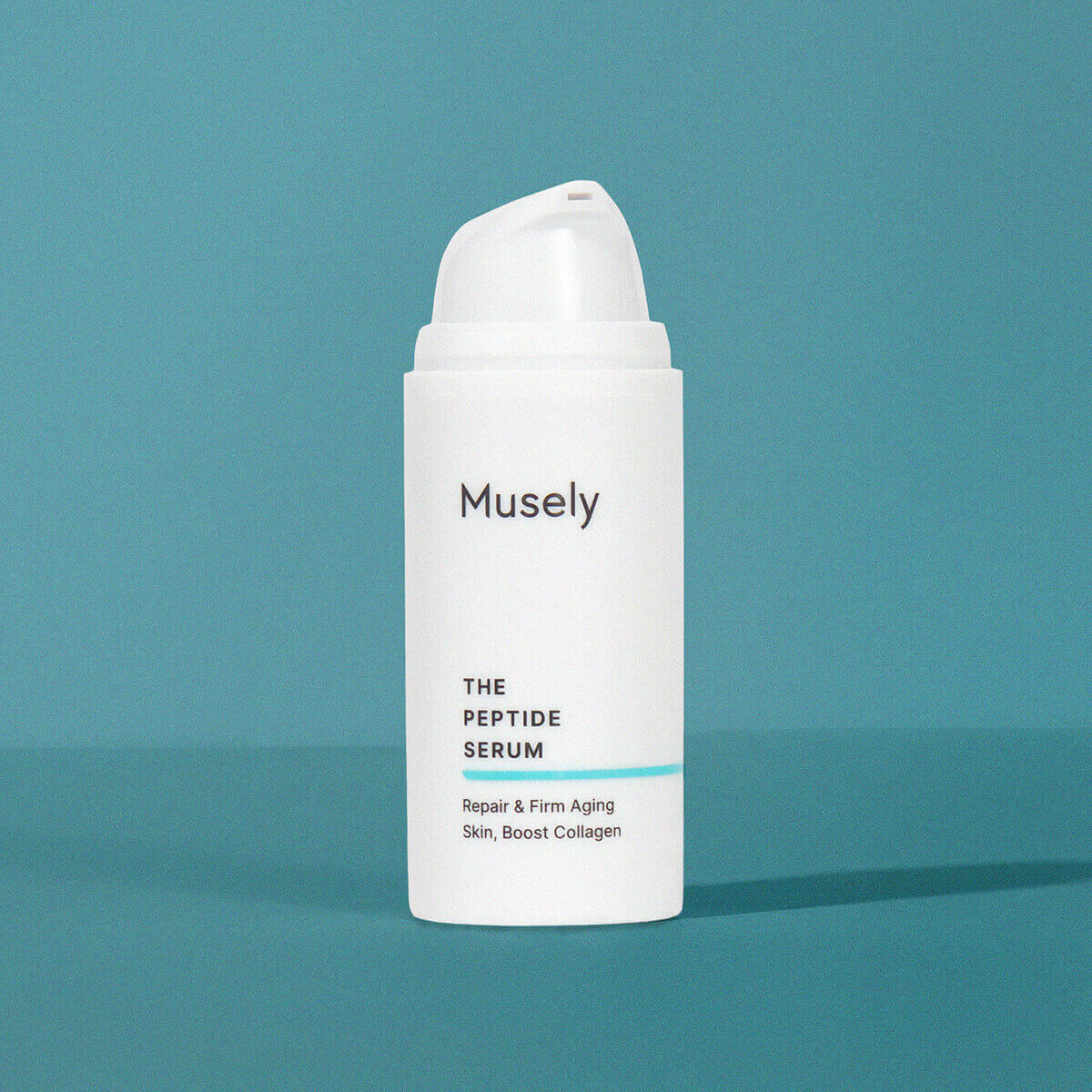
Leading this category are medical-grade topical treatments such as Musely’s The Spot Cream, formulated to address stubborn sun damage accumulated during preceding seasons through targeted brightening agents. Complementing corrective treatments, peptide-infused serums—exemplified by Musely’s The Peptide Serum—have become essential components of daily regimens, utilizing chains of amino acids to stimulate collagen production and improve skin elasticity.
In addition to traditional anti-aging protocols, the market has expanded into lifestyle-integrated dermatological care. Formulations designed to support nighttime skin recovery, such as The Sleep Well Cream, capitalize on the growing awareness of the circadian rhythm’s impact on skin regeneration. By combining barrier-supporting ingredients with calming sensory profiles, these products bridge the gap between sleep hygiene and clinical skincare, addressing the root causes of stress-induced skin fatigue.
Wearable Technology and Smart Accessories
The integration of technology into everyday fashion and lifestyle accessories has reached a new maturation phase, moving away from bulky fitness trackers toward discreet, design-forward smart eyewear. Industry analysts project substantial growth in the smart accessories sector as consumers demand technological utility without compromising personal style.
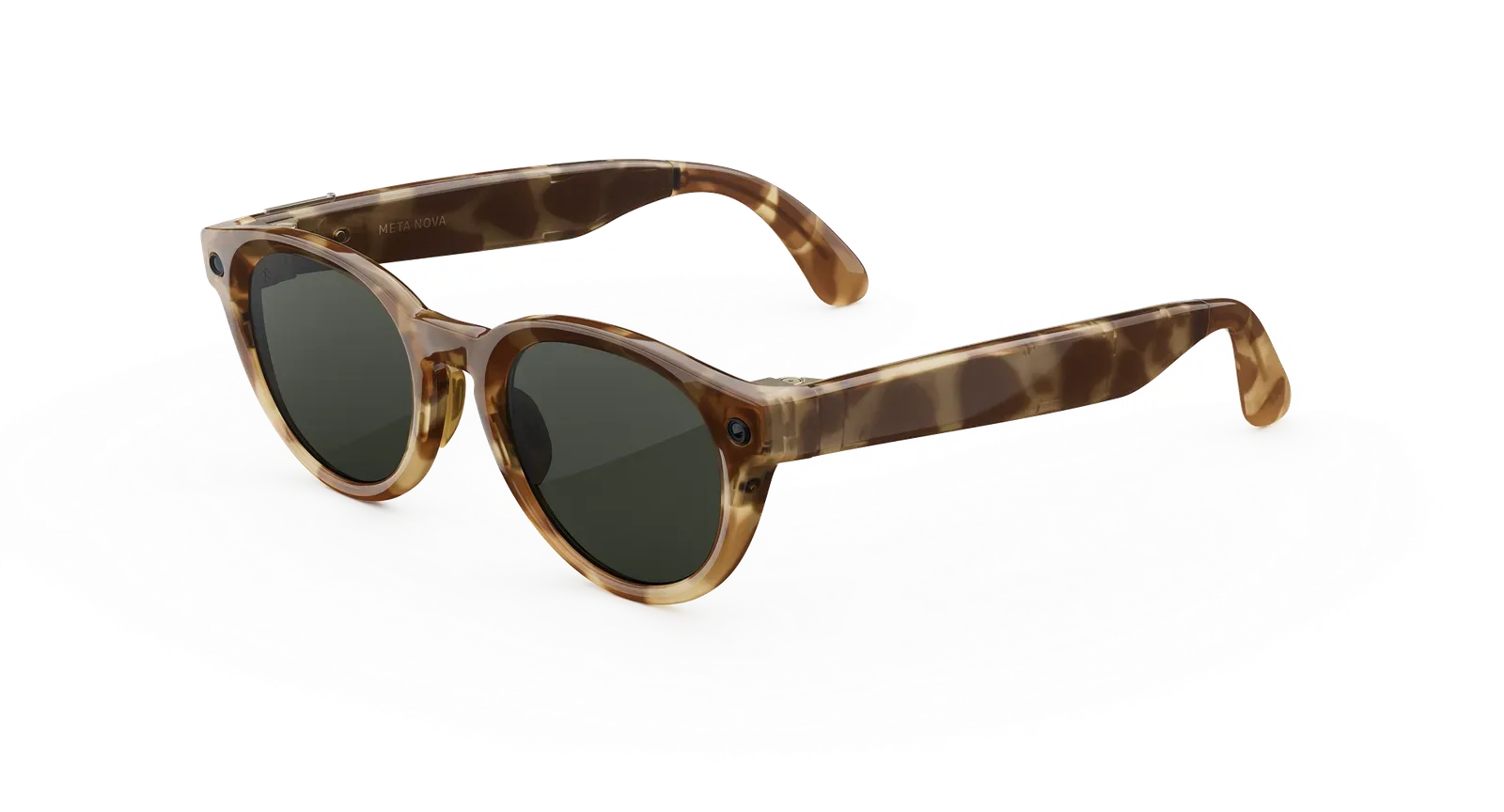
Meta’s expanding footprint in the smart glasses market—highlighted by models such as the Meta Nova, Meta Capri, and the Starfire Kylie Edition—demonstrates how computational photography, audio integration, and augmented reality features are being successfully housed within classic frames, including tortoiseshell and minimalist black designs. These accessories cater to the modern professional and wellness enthusiast who engages in routine outdoor activities, commonly referred to in lifestyle media as "hot girl walks." By merging UV protection, transition lenses, and hands-free media capabilities into high-fashion silhouettes, technology brands have successfully positioned smart eyewear as a staple of contemporary wardrobes.
Market Implications and Economic Outlook
The collective trend toward intentional self-care, sophisticated comfort, and functional longevity carries significant economic implications for the retail and wellness sectors. As consumer behavior becomes increasingly discerning, brands are forced to elevate product quality, supply chain transparency, and multi-functional utility to maintain market relevance.
Retail analysts suggest that the projected success of these curated wellness and fashion essentials points to a broader macroeconomic stabilization centered on value-driven, long-term investments. Rather than participating in fast-paced micro-trends, consumers are allocating disposable income toward items that promise durability, health optimization, and versatile styling. Consequently, brands that successfully bridge the gap between clinical efficacy, technological innovation, and aesthetic sophistication are anticipated to lead market performance throughout the upcoming economic cycle.