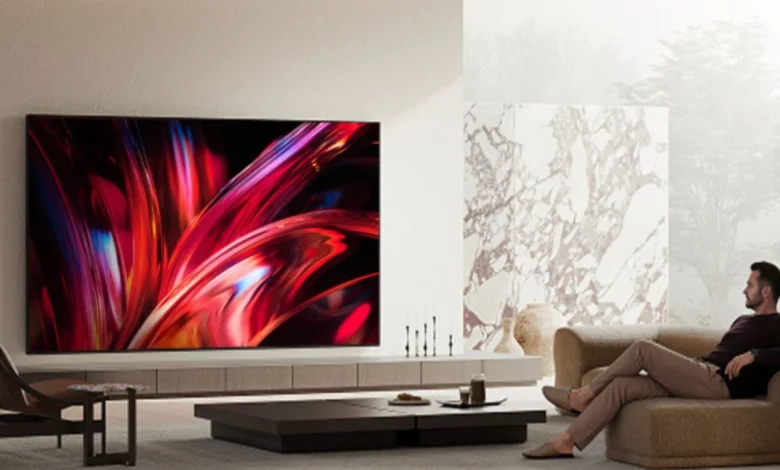
The landscape of home entertainment is constantly evolving, and at the forefront of this revolution are 4K televisions. While the allure of enhanced resolution and vibrant visuals is undeniable, navigating the crowded market to find the perfect 4K TV can be a daunting task. Not all 4K TVs are created equal; they vary significantly in features, picture and audio quality, and ultimately, value. Variety has meticulously researched and compiled a comprehensive guide to the best 4K TVs available in 2026, catering to a diverse range of users and budgets. Our selections are drawn from reputable manufacturers known for their reliability, superior display technologies, and overall user experience, ensuring you make an informed decision for your home entertainment setup.
Understanding the Nuances of 4K TV Technology
Before diving into specific recommendations, it’s crucial to understand the underlying technologies that differentiate 4K TVs. The term "4K" refers to a resolution of approximately 4,000 pixels horizontally, delivering a sharper and more detailed image compared to its predecessor, 1080p Full HD. However, the quality of this 4K experience is heavily influenced by several factors:

- Display Panel Technology: The most common technologies are LED (including QLED and Mini-LED) and OLED.
- LED TVs utilize a backlight to illuminate pixels. QLED (Quantum Dot LED) enhances color vibrancy and brightness by adding a layer of quantum dots. Mini-LED technology employs a significantly larger number of smaller LEDs for the backlight, enabling more precise local dimming and improved contrast.
- OLED (Organic Light-Emitting Diode) TVs are self-emissive, meaning each pixel generates its own light. This results in perfect blacks, infinite contrast ratios, and exceptionally wide viewing angles, though they can sometimes be less bright than high-end LED TVs.
- Color Accuracy and Gamut: The ability of a TV to reproduce a wide spectrum of colors accurately is paramount. Technologies like "True RGB" (as seen in Sony’s BRAVIA line) aim for precise color reproduction by using individual red, green, and blue light sources. High Dynamic Range (HDR) formats like Dolby Vision, HDR10+, and HLG further enhance color and contrast by expanding the range of brightness and color detail.
- Refresh Rate and Motion Handling: A higher refresh rate, measured in Hertz (Hz), indicates how many times the image on the screen is updated per second. For fast-paced content like sports or gaming, a higher refresh rate (120Hz, 165Hz, or even 240Hz) is crucial for smooth, judder-free motion. Technologies like Variable Refresh Rate (VRR) and Auto Low Latency Mode (ALLM) are particularly important for gamers, synchronizing the TV’s refresh rate with the game’s frame rate to eliminate screen tearing and reduce input lag.
- Smart TV Platforms and Features: Modern 4K TVs come equipped with integrated smart TV operating systems, offering access to a vast array of streaming services, apps, and online content. The user interface, app availability, and integration with voice assistants or smart home ecosystems can significantly impact the overall user experience.
Top 4K TV Selections for 2026
Variety’s expert panel has identified several standout models that represent the pinnacle of 4K television technology this year. Each selection is chosen based on a combination of cutting-edge features, performance metrics, and overall value.
Best Overall: Sony 85-Inch BRAVIA 9 II “True RGB” 4K TV
Price: Starting at $3,599.99 at Best Buy
Sony continues its reign at the top with the 85-inch BRAVIA 9 II, a marvel of display engineering. This television boasts Sony’s groundbreaking "True RGB" technology, which utilizes individual red, green, and blue light sources to achieve unparalleled color accuracy and brilliance. The result is a picture that is not only incredibly vivid but also offers deeper, more nuanced black levels, a common challenge for many displays. With sizes reaching up to a massive 85 inches, the BRAVIA 9 II provides an immersive viewing experience that truly brings content to life. Its exceptional color fidelity makes it an ideal choice for cinephiles and sports enthusiasts alike, delivering high-paced action with breathtaking clarity and realism. The integration of advanced processing ensures that even fast-moving scenes are rendered with remarkable smoothness, minimizing motion blur.

Best OLED: Samsung 77-Inch OLED S90H 4K Smart TV
Price: Varies by retailer
For those seeking the ultimate in contrast and pixel-level control, the Samsung 77-Inch OLED S90H stands out as a premier choice. This OLED television minimizes blooming and haloing effects around bright objects against dark backgrounds, a common issue with some other display technologies. Its integration of Dolby Atmos provides a premium audio experience that complements the stunning visuals, creating a truly cinematic atmosphere in your living room. The S90H is also a smart hub, offering seamless streaming from popular platforms like Netflix, YouTube, Prime Video, and Disney+. Its support for HDR (High Dynamic Range) formats, including vibrant color contrast and deep blacks, elevates the viewing of 4K content. Furthermore, its impressive 165Hz refresh rate ensures buttery-smooth motion, making it exceptionally well-suited for fast-paced action sequences in movies, live sports, and demanding video games.
Best for Wide Viewing Angles: LG 77-Inch LG OLED evo AI G6 4K Smart TV
Price: Varies by retailer

The LG 77-Inch LG OLED evo AI G6 is an exceptional option for larger households or those who frequently entertain. Its standout feature is its remarkably wide viewing angles, ensuring that everyone in the room, regardless of their seating position, enjoys a consistently excellent picture. This is made possible by its advanced OLED 4K Ultra HD display, which delivers impressive brightness, rich and vibrant colors, and inky black levels. The G6 also supports a comprehensive range of 4K picture formats, including Dolby Vision, HDR10, and HLG, guaranteeing compatibility with the latest content. The TV runs on the intuitive webOS 26 with Google Gemini operating system, providing easy access to a wide array of streaming services such as Netflix, Paramount+, Peacock, Prime Video, and Spotify. This makes it a versatile centerpiece for any home entertainment setup.
Best Value: TCL 75-Inch QM7L Series SQD-Mini-LED QLED Smart TV
Price: $1,498 on Amazon
For consumers seeking exceptional picture quality without breaking the bank, the TCL 75-Inch QM7L Series SQD-Mini-LED QLED Smart TV is an outstanding choice. Priced at an attractive $1,498 on Amazon, this TV punches well above its weight class. It features a sleek design with thin bezels and supports advanced HDR formats like HDR10+ and Dolby Vision, delivering vibrant colors and expanded brightness levels. Powered by Google TV, it offers a vast selection of apps, including popular streaming services like Netflix, Hulu, Disney+, and HBO Max, ensuring endless entertainment options. The QM7L series impresses with its brilliant picture quality, robust audio performance, and integrated streaming capabilities at a remarkably affordable price point, making it a compelling option for budget-conscious buyers who refuse to compromise on quality. The inclusion of a 144Hz refresh rate also adds a significant boost for smoother visuals.

Best for Versatility: Hisense 75-Inch U7 Mini-LED ULED 4K Smart TV
Price: Varies by retailer
The Hisense 75-Inch U7 Mini-LED ULED 4K Smart TV is a highly versatile option for those who demand a wide range of picture and audio format support. For picture quality, it excels with Dolby Vision IQ, HDR10+ Adaptive, HDR10, and HLG support, producing crisp, clear 4K images with vibrant colors and deep black levels, enhanced by IMAX Enhanced performance. Audio is equally impressive, with support for Dolby Atmos and DTS:X formats. The integration of Google TV provides a seamless streaming experience for videos and music. Furthermore, its high refresh rate of up to 165Hz ensures exceptionally smooth motion, making it ideal for both gaming and live sports. The Hisense U7 is a versatile choice for home theaters or entertainment rooms, offering a comprehensive package of impressive visuals and expansive audio capabilities.
Best for Style: Samsung 85-Inch “The Frame Pro” LS03HW Neo QLED 4K Smart TV
Price: Varies by retailer

For consumers who prioritize aesthetics as much as performance, Samsung’s 85-Inch “The Frame Pro” LS03HW Neo QLED 4K Smart TV is a game-changer. This television is designed to seamlessly blend into home decor, appearing more like a framed piece of art than a traditional black slab. It features a matte QLED 4K display with an anti-reflection layer, minimizing glare and enhancing the artwork it displays. The innovative "Art Mode" allows users to showcase renowned masterpieces, transforming the TV into a dynamic gallery. A key design element is the Wireless One Connect box, which houses all cables, power supply, and inputs, connecting wirelessly to the TV. This eliminates cable clutter, ensuring the Frame Pro remains a clean and elegant centerpiece in any living space. The Neo QLED technology also ensures excellent picture quality with vibrant colors and deep blacks when used for viewing content.
Best for Gaming: Samsung 77-Inch OLED S95H 4K Smart TV
Price: Varies by retailer
For the dedicated gamer, the Samsung 77-Inch OLED S95H 4K Smart TV is the ultimate choice. This television is engineered to provide an unparalleled gaming experience for next-generation consoles like the Xbox Series X/S, PlayStation 5, and even the upcoming Nintendo Switch 2. All four of its HDMI ports support Auto Low Latency Mode (ALLM), virtually eliminating input lag for responsive gameplay. Dynamic Metadata (HDR 10+) delivers stunning 4K visuals with incredible color contrast, while Variable Refresh Rate (VRR) up to 165Hz ensures exceptionally smooth motion, preventing screen tearing. Beyond console gaming, the S95H supports cloud gaming services like Xbox Game Pass Ultimate and NVIDIA GeForce Now, offering a pathway to a vast library of games without the need for a dedicated console. Its OLED panel further enhances gaming with perfect blacks and vibrant colors, immersing players in their virtual worlds.

The Evolution of Home Entertainment
The proliferation of 4K technology represents a significant leap forward in home entertainment. As display technologies mature and manufacturers continue to innovate, consumers benefit from increasingly sophisticated features and improved picture and sound quality. The trend towards larger screen sizes, coupled with advancements in HDR and refresh rate technology, promises an even more immersive viewing experience for movies, sports, and gaming. Furthermore, the integration of advanced AI processing and user-friendly smart TV platforms is making these powerful devices more accessible and intuitive than ever before. The choices highlighted in this guide represent the current apex of 4K TV technology, offering a glimpse into the future of how we consume media in our homes. As the market continues to evolve, Variety will remain at the forefront, providing the latest insights and recommendations to help you make the best possible investment for your home entertainment needs.