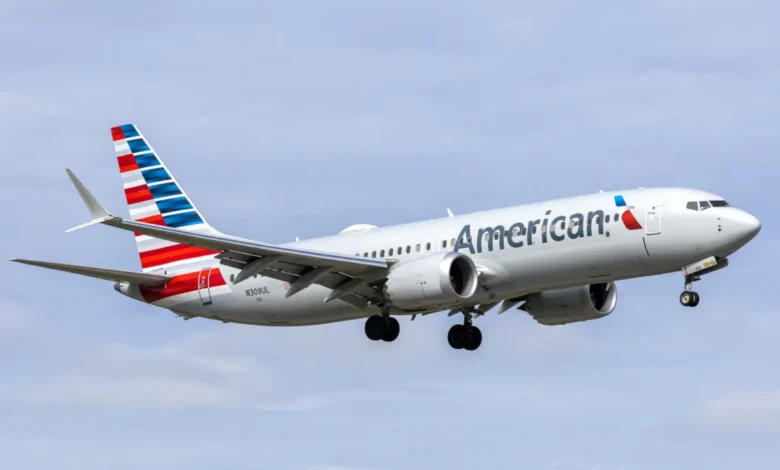
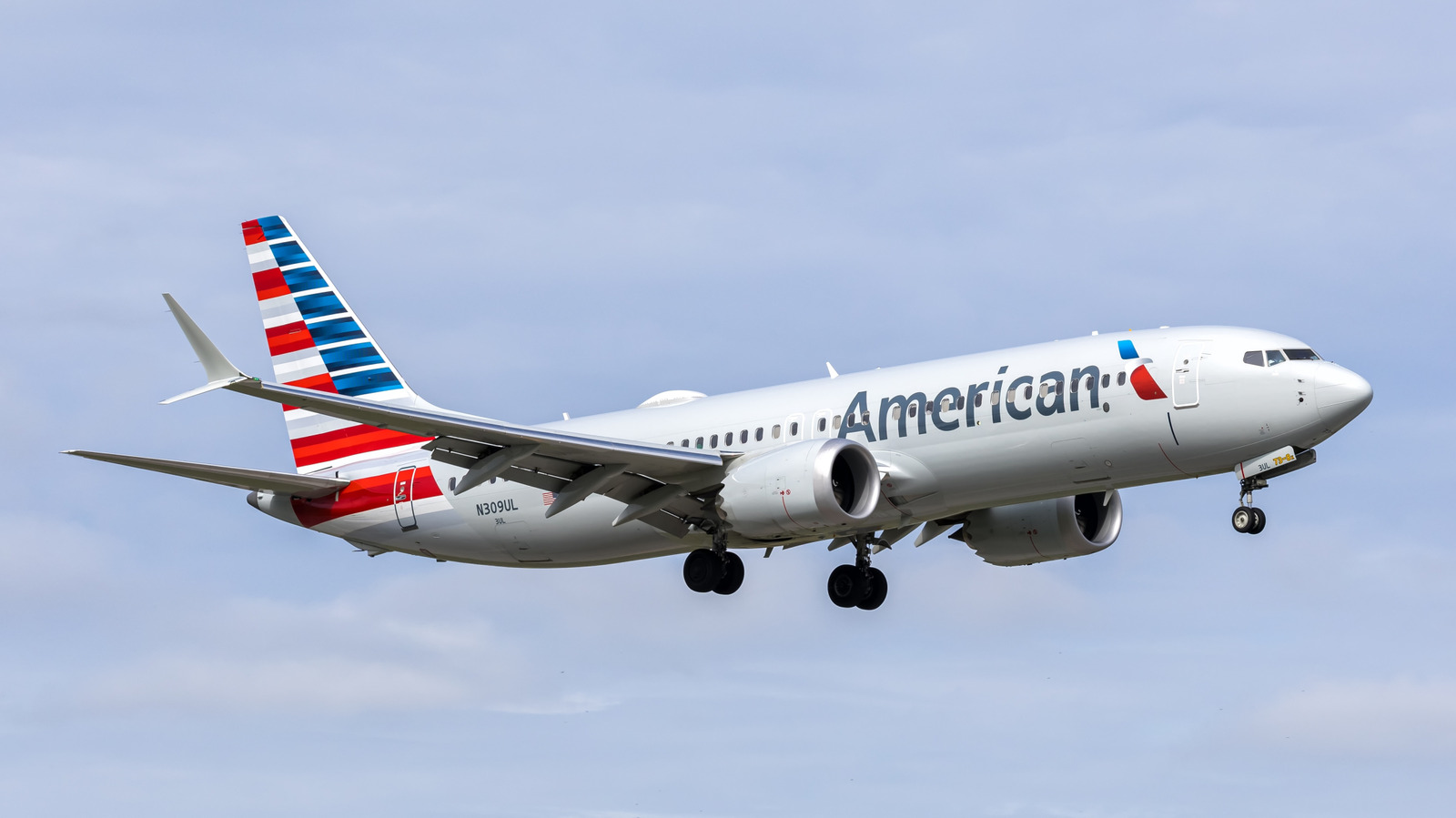
The aviation industry is currently facing a period of intense volatility as the ongoing U.S.-Israeli conflict with Iran continues to exert significant upward pressure on global energy markets. For major carriers, the most immediate consequence of this geopolitical instability is a sharp, unbudgeted rise in operational costs, specifically regarding aviation turbine fuel, commonly referred to as Jet A-1. American Airlines, the world’s largest carrier by fleet size, has officially disclosed that it expects to incur an additional $1 billion in fuel expenses during the fourth quarter of the current fiscal year, a development that is poised to reshape ticket pricing and flight availability for consumers globally.
The Financial Mechanics of Fuel Volatility
The disclosure, made by American Airlines Chief Financial Officer Devon May during the Morgan Stanley Laguna Conference, highlights the extreme sensitivity of airline balance sheets to energy fluctuations. In the complex economics of commercial aviation, fuel represents the single largest variable expense for any carrier. CFO May provided a granular breakdown of how these price shocks manifest at the corporate level: for every one-cent-per-gallon increase in the price of jet fuel, American Airlines absorbs roughly $10 million in additional quarterly costs.
While the company’s third-quarter fuel expenditures remained within the parameters of earlier financial guidance, the trajectory shifted dramatically as the fourth quarter approached. Current market data indicates that fuel prices have surged by $1 per gallon above the projections established by the airline in July. This $1 per gallon delta, when applied to the company’s massive consumption volume, equates to the $1 billion shortfall. This fiscal reality forces a recalibration of revenue strategies, effectively shifting the burden of these geopolitical costs onto the traveling public through increased base fares and ancillary fees.
A Chronology of Escalation
To understand the current crisis, one must look at the timeline of the conflict. Since the initial outbreak of hostilities, the global oil supply chain has faced persistent uncertainty. The conflict has not only disrupted regional shipping lanes but has also triggered a speculative rally in crude oil futures.
Earlier in the year, market analysts and energy sector observers suggested that the conflict might be contained to a short-term skirmish. However, as the conflict persisted through the spring and summer of 2026, the cumulative impact on the energy sector became undeniable. By mid-summer, the direct correlation between the U.S.-Israeli military stance against Iranian assets and domestic energy prices at the pump—and subsequently at the tarmac—had become a focal point of economic policy debates. The $1 billion surge reported by American Airlines is the latest chapter in this broader economic narrative, signaling that the aviation sector is no longer able to absorb these costs internally.
Capacity Adjustments and Strategic Reconfiguration
In response to the fiscal squeeze, American Airlines, alongside major competitors like United Airlines and Southwest Airlines, has begun implementing a strategy of capacity reduction. This is not a uniform cut across the board; rather, airlines are targeting lower-margin, off-peak domestic routes for elimination. By reducing the number of flights, airlines aim to optimize fuel consumption while simultaneously increasing the load factor on their remaining, more profitable routes.
Despite the upward trend in airfare, the demand for air travel has shown surprising resilience. This phenomenon has emboldened carriers to accelerate their transition toward premium-focused revenue models. During the same conference, American Airlines CEO Robert Isom signaled a shift in fleet strategy. The airline is actively reconfiguring its aircraft to accommodate a higher percentage of premium seating. According to Isom, roughly 30% of the seats on future aircraft deliveries will be designated as premium, a figure that the airline expects to grow as new inventory is integrated into the fleet. This move suggests that the carrier is betting on a bifurcated market: one where business and high-net-worth travelers continue to fly at high prices, while budget-conscious passengers are increasingly priced out or forced to consolidate their travel plans.
The Erosion of the Low-Cost Model
The industry-wide move toward premiumization marks a definitive end to the era of the "true" low-cost carrier in the United States. The bankruptcy and subsequent cessation of operations for Spirit Airlines earlier this year serves as a stark case study in the current market environment. With fuel costs remaining high and the cost of capital elevated, the razor-thin margins required to sustain an ultra-low-cost carrier (ULCC) model have become unsustainable.
Southwest Airlines, historically the standard-bearer for accessible, low-cost air travel, is also undergoing a fundamental transformation. The carrier has begun introducing assigned seating, adding checked bag fees, and is currently developing a proprietary airport lounge network. These strategic pivots indicate that even the most populist carriers are moving toward a mainline, full-service status to survive the current economic climate. For the consumer, this shift represents a permanent change in the landscape of American travel: the era of cheap, frequent, and accessible air transit is being replaced by a tiered system that prioritizes luxury, status, and corporate margins over mass-market volume.
Broader Implications and Future Outlook
The ripple effects of this fuel-driven crisis extend well beyond the balance sheets of the airlines. As ticket prices rise, the broader travel and tourism sector faces potential cooling. Small businesses reliant on business travel, local economies dependent on tourism, and the general mobility of the workforce could all see negative impacts if flight costs continue to climb.
Furthermore, the aviation industry remains under pressure to meet environmental sustainability targets even as it struggles with immediate operational survival. The reliance on traditional Jet A-1 fuel, which is highly susceptible to the geopolitical shocks of the Middle East, underscores the long-term necessity of investing in Sustainable Aviation Fuel (SAF) and more fuel-efficient aircraft technology. However, the current $1 billion drain on American Airlines’ resources highlights the immediate difficulty in funding these long-term transitions.
As the conflict continues, the relationship between geopolitical stability and the price of a commercial airline ticket will remain inextricably linked. For now, passengers should anticipate a "new normal" characterized by fewer flight options, higher ticket prices, and a significantly diminished presence of the budget-travel experience that defined the early 21st century. The financial reports from companies like American Airlines serve as a bellwether for a sector that is increasingly defined by its response to external crises, with the consumer ultimately bearing the weight of the global political situation. As management teams look toward the next fiscal year, the emphasis will remain on maximizing yield per seat—an objective that clearly favors the premium traveler at the expense of the general public.