
Oakmonts Lone Tree Offers Reprieve Sun Kissed Us Open Fans
Oakmont’s Lone Tree Offers Reprieve: Sun-Kissed US Open Fans
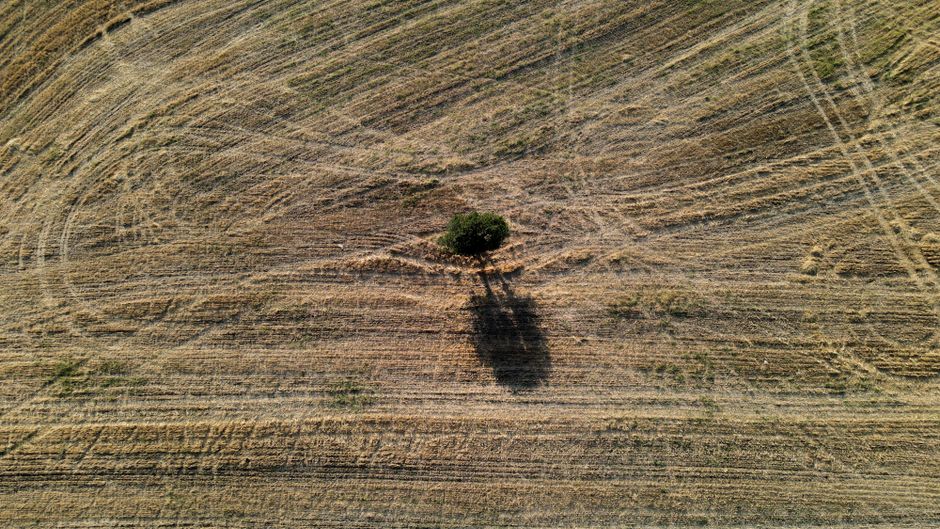
The stark, solitary silhouette of the lone oak tree at Oakmont Country Club is more than just a landmark; it’s become a potent symbol of resilience and a much-needed visual respite for the thousands of fans who flock to witness the grueling drama of the U.S. Open. For golf aficionados and casual spectators alike, the journey through Oakmont’s notoriously challenging fairways and undulating greens can be an exercise in intense focus and emotional strain. Amidst this pressure cooker environment, the iconic tree, standing sentinel on the 3rd hole, provides an anchor, a point of calm, and a welcome, sun-kissed counterpoint to the competitive fray. Its presence, seemingly unchanged by the shifting tides of professional golf, offers a subtle but profound sense of continuity and enduring beauty, a visual balm for eyes accustomed to scanning manicured rough and punishing bunkers.
Oakmont, renowned for its uncompromising difficulty, demands unwavering attention from every player. The course’s severe contours, strategically placed hazards, and lightning-fast greens have earned it a reputation as one of the toughest tests in golf. For spectators, following the action can be equally taxing, involving long walks across hilly terrain, navigating crowded vantage points, and enduring the psychological intensity of high-stakes golf. In this demanding atmosphere, the lone tree’s steadfast presence on the 3rd hole becomes a beacon of natural splendor. Unlike the manufactured perfection of the course, the tree represents something organic, something that has weathered countless seasons and tournaments. Its gnarled branches and expansive canopy offer a natural shade, a welcome escape from the often relentless sun that beats down on the Pennsylvania landscape during the summer months when the U.S. Open is typically held. Fans, weary from hours of walking and standing, often seek out its shade, finding a moment of quiet contemplation and a different kind of appreciation for the environment.
The specific location of the lone tree on the 3rd hole of Oakmont is intrinsically linked to the course’s design and historical significance. This par-4, often playing into the wind, presents a formidable opening challenge. The tee shot requires precision, avoiding the penal bunkers that flank the fairway. The tree, situated on the right side of the fairway, serves as both a visual obstacle and a strategic consideration for players. For spectators, it often becomes a natural gathering point, a recognizable landmark around which to orient themselves and their viewing strategy. When the sun is high and hot, as it frequently is during June in Oakmont, the tree’s shadow becomes a sought-after commodity. Families spread out blankets beneath its boughs, friends share cooler drinks, and individuals find a moment to disconnect from the immediate pressure of the leaderboard. This simple act of seeking shade beneath the tree elevates its status from a mere arboreal feature to an integral part of the spectator experience, transforming it into a symbol of shared comfort and communal respite.
Beyond its functional role as a shade provider, the lone tree at Oakmont possesses a profound aesthetic appeal that resonates with U.S. Open attendees. Its aged bark, the vibrant green of its leaves against the bright blue sky, and the way its branches reach outwards create a visually striking contrast to the meticulously sculpted landscape of the golf course. For photographers, it’s an irresistible subject, a natural focal point that adds depth and character to their images. For the average fan, it offers a moment of uncomplicated beauty. In a sport often characterized by intense focus on scores and statistics, the tree provides a reminder of the natural world, of a beauty that exists independently of the game itself. This visual "reprieve" is not just about escaping the sun; it’s about engaging with something timeless and enduring, a stark contrast to the fleeting nature of sporting success. The sun-kissed leaves, shimmering in the summer light, offer a gentle aesthetic pleasure, a welcome distraction from the anxieties of missed putts and lost strokes.
The U.S. Open is renowned for its demanding conditions, and Oakmont is arguably the epitome of that challenge. The course’s famed "church pews" bunker on the 3rd hole, the treacherous slopes of the greens, and the unforgiving rough all contribute to an atmosphere of high tension. Fans, eager to witness history being made, often find themselves on the edge of their seats, their nerves frayed by every swing. In this environment, the lone tree offers a different kind of sensory experience. The rustling of its leaves in the breeze, the dappled sunlight filtering through its canopy, and the earthy scent of its bark provide a gentle counterpoint to the roar of the crowds and the sharp crack of golf clubs. This sensory relief is crucial for sustaining energy and enjoyment over the course of a long tournament day. It’s a reminder that even amidst intense competition, nature’s quiet rhythm persists, offering a grounding presence. The sun, while a source of potential discomfort, also bathes the tree in a warm glow, enhancing its visual appeal and making it a truly iconic "sun-kissed" element of the spectator experience.
The narrative surrounding the lone tree at Oakmont has evolved over the years, transforming it from a mere geographical feature into a celebrated icon. It has been featured in countless photographs, documented in golf literature, and become a common reference point for those familiar with the course. This elevated status means that fans actively seek it out, not just for shade but for the symbolic connection it represents. It’s a tangible link to Oakmont’s rich history and its enduring legacy in the world of professional golf. For many, seeing the lone tree is a sign that they have arrived, that they are experiencing one of golf’s most hallowed grounds. Its solitary nature, standing against the vastness of the course, can evoke a sense of awe and admiration, mirroring the individual struggle of the golfers themselves. The "reprieve" it offers is therefore multifaceted: physical relief from the elements, visual relief from the intensity of the game, and a symbolic connection to a storied past.
The U.S. Open at Oakmont is not just a golf tournament; it’s an event that draws people from all walks of life, united by a shared passion for the sport. The lone tree, by its very nature, is accessible to everyone. It doesn’t discriminate based on a fan’s knowledge of the game or their proximity to the leaderboard. It stands as a democratic element of the landscape, offering its shade and beauty to all who find themselves in its vicinity. This inclusivity further enhances its role as a source of respite. Children can play beneath its branches, families can picnic, and individuals can simply sit and observe. This communal aspect, amplified by the shared experience of watching a U.S. Open, strengthens the bond between fans and the iconic tree. The sun, in its benevolent coverage, seems to bless this shared experience, casting a golden hue on the leaves and on the faces of those seeking its comfort.
The enduring appeal of the lone oak tree at Oakmont lies in its simplicity and its resilience. In an era of ever-changing sporting landscapes and increasingly elaborate fan experiences, the tree offers a grounding presence. It is a reminder of the natural beauty that underpins the sport of golf and a testament to the enduring power of iconic landmarks. For U.S. Open fans, navigating the immense challenges of Oakmont, the lone tree is more than just a tree; it’s a beacon of shade, a symbol of continuity, and a sun-kissed haven that offers a much-needed moment of reprieve. Its unchanging nature provides a comforting contrast to the dynamic and often unpredictable drama unfolding on the fairways, making it an indispensable element of the Oakmont U.S. Open experience. The way the sunlight plays on its leaves, the gentle sway of its branches, and the solid permanence of its trunk all contribute to its iconic status, offering a profound sense of calm amidst the sporting storm. This respite, this visual and physical solace, is a vital component of why the lone tree has become so deeply ingrained in the lore of the U.S. Open at Oakmont, offering a consistent and cherished element for generations of sun-kissed fans. The narrative of the tree is inextricably woven into the fabric of the championship itself, solidifying its place as a beloved and indispensable feature.
