
Tag South China Sea
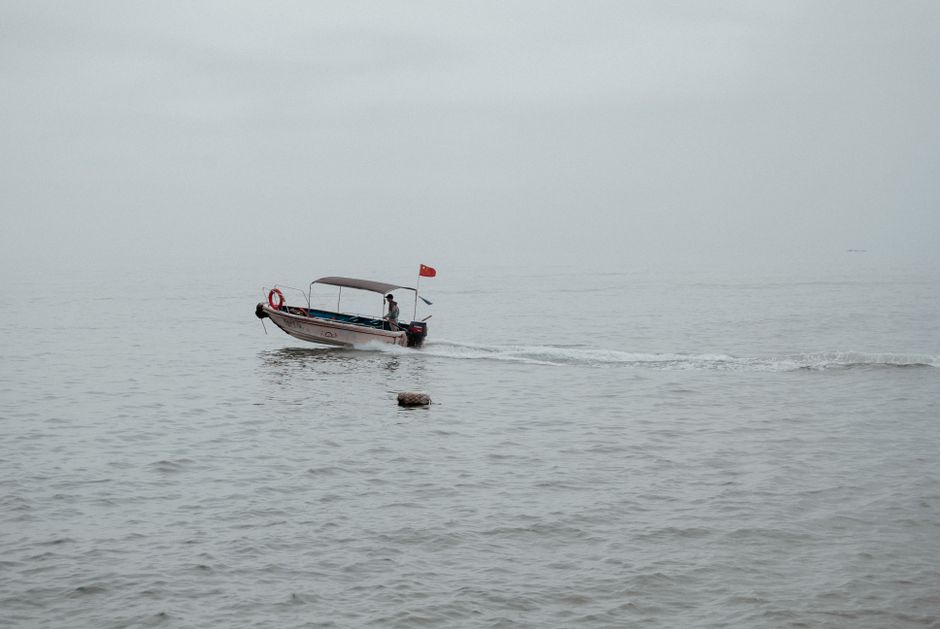
The South China Sea: A Geopolitical Nexus of Maritime Disputes and Economic Significance
The South China Sea (SCS) represents one of the world’s most strategically vital and contested maritime regions. Its immense geopolitical significance stems from a confluence of factors, including its crucial location along major global shipping lanes, its rich endowment of natural resources, and the overlapping territorial claims asserted by numerous littoral states. This complex interplay of interests has transformed the SCS into a focal point of international relations, characterized by escalating tensions, military build-ups, and persistent diplomatic challenges. Understanding the intricacies of these disputes is paramount for comprehending global trade, regional security, and the evolving balance of power in the Indo-Pacific.
The geographical expanse of the South China Sea encompasses an area of approximately 3.5 million square kilometers, stretching from Taiwan in the north to Singapore and the Malay Peninsula in the south. It is bordered by China, Taiwan, the Philippines, Malaysia, Brunei, Indonesia, and Vietnam. Within this vast expanse lie a multitude of islands, reefs, shoals, and atolls, the most prominent being the Spratly Islands and the Paracel Islands. These seemingly insignificant landmasses are the epicenters of territorial disputes, as their control offers not only strategic military advantages but also access to potentially vast hydrocarbon reserves and lucrative fishing grounds. The SCS serves as a critical artery for global commerce, with an estimated one-third of the world’s maritime shipping passing through its waters annually. Major trade routes connecting East Asia with the Middle East, Africa, and Europe traverse the SCS, making it indispensable for the global economy. Consequently, freedom of navigation and unimpeded trade are paramount concerns for nations worldwide, particularly for major economic powers reliant on seaborne trade.
The economic stakes in the South China Sea are enormous, primarily driven by the potential for significant hydrocarbon reserves and abundant fisheries. Estimates regarding the proven and potential oil and gas reserves in the SCS vary widely, but many studies suggest that the region could hold substantial deposits of oil and natural gas, potentially rivaling known reserves in other parts of the world. These resources are particularly attractive given the global demand for energy and the dwindling accessible reserves in other regions. Control over these underwater resources would translate into significant economic power and energy security for claimant states. Furthermore, the South China Sea is one of the world’s most productive fishing grounds, providing a vital source of food and livelihood for millions of people in the surrounding countries. Overfishing and illegal fishing practices, however, pose a growing threat to the sustainability of these marine ecosystems, adding another layer of complexity to the resource management challenges in the region. The disputes over fishing rights and maritime boundaries directly impact the economic well-being of these coastal communities.
The territorial claims in the South China Sea are multifaceted and often conflicting, primarily driven by historical interpretations, geographical proximity, and the principles of international law, particularly the United Nations Convention on the Law of the Sea (UNCLOS). China asserts a sweeping "nine-dash line" claim, encompassing nearly 90% of the SCS, a claim that is not recognized by most international legal scholars or the international community. Vietnam claims sovereignty over both the Paracel and Spratly Islands based on historical occupation and geographical contiguity. The Philippines asserts its claim over parts of the Spratly Islands and Scarborough Shoal, based on geographical proximity and effective occupation. Malaysia and Brunei claim parts of the Spratly Islands that fall within their respective Exclusive Economic Zones (EEZs) as defined by UNCLOS. Taiwan, in addition to its claim over mainland China, also asserts claims over the SCS islands, largely mirroring China’s historical assertions. This intricate web of overlapping claims creates constant friction and increases the potential for miscalculation and conflict.
The strategic importance of the South China Sea lies in its maritime choke points and its role as a vital military corridor. The Strait of Malacca, a key passage linking the Indian Ocean and the Pacific Ocean, forms part of the SCS. Control over this strait, and other passages within the SCS, grants significant strategic leverage, allowing nations to project power, monitor naval movements, and potentially disrupt enemy supply lines. For China, its growing naval power and its "string of pearls" strategy, which involves securing strategic maritime outposts, imbues the SCS with immense military significance. Its island-building activities in the Spratly Islands, which have included the construction of airfields and military installations, have raised concerns among other regional players and the United States about China’s intentions to militarize the waterway and assert de facto control.
The United States, as a global superpower with significant economic and security interests in the Indo-Pacific, plays a crucial role in the South China Sea dynamics. Its policy of freedom of navigation operations (FONOPs) aims to challenge what it perceives as excessive maritime claims and to ensure unimpeded passage for all vessels, irrespective of nationality. These FONOPs, often involving naval transits near disputed features, are viewed by China as provocations and have led to several tense encounters. The US military presence in the region, through its alliances with countries like the Philippines and its partnerships with others, serves as a deterrent against potential aggression and a reassurance to regional allies concerned about China’s growing assertiveness. The US also advocates for a rules-based international order, emphasizing the importance of UNCLOS and peaceful dispute resolution.
The Permanent Court of Arbitration’s 2016 ruling in the case brought by the Philippines against China regarding the South China Sea disputes is a significant legal development. The tribunal overwhelmingly ruled in favor of the Philippines, invalidating China’s expansive "nine-dash line" claim and clarifying the legal status of various features within the SCS. The ruling affirmed that many of the features claimed by China are not islands capable of generating entitlements to EEZs but rather rocks or low-tide elevations, which have limited maritime zones. China, however, has vehemently rejected the ruling and continues to maintain its claims. This rejection highlights the challenge of enforcing international law in the face of powerful national interests and the complex geopolitical realities of the SCS. The ruling, while legally binding, has had limited practical impact in altering China’s behavior, underscoring the need for sustained diplomatic engagement and multilateral pressure.
Regional diplomatic efforts to manage the South China Sea disputes have been ongoing for decades, primarily through the ASEAN Regional Forum (ARF) and direct negotiations. The Association of Southeast Asian Nations (ASEAN) has been attempting to forge a Code of Conduct (CoC) with China to establish rules and guidelines for behavior in the SCS. While progress has been slow and fraught with challenges, a CoC is seen as a crucial step towards de-escalating tensions and preventing accidental conflicts. However, the effectiveness of any CoC will depend on its scope, enforceability, and the willingness of all parties to adhere to its provisions. Internal divisions within ASEAN regarding their approach to China also complicate these diplomatic efforts.
The militarization of the South China Sea is a growing concern, with claimant states, particularly China, engaging in significant military build-ups. This includes the deployment of advanced naval vessels, fighter jets, missile systems, and the construction of artificial islands with military capabilities. The Spratly Islands and Paracel Islands have become de facto military outposts. This arms race, fueled by mistrust and perceived threats, increases the risk of miscalculation and unintended escalation. The presence of advanced weaponry in such a strategically sensitive area raises the specter of regional conflict, with potentially devastating consequences for global trade and security.
Environmental degradation in the South China Sea is another pressing issue exacerbated by the territorial disputes and resource exploitation. The widespread construction of artificial islands, often involving the dredging of coral reefs, has caused immense damage to fragile marine ecosystems. Illegal fishing practices, including the use of destructive methods, further deplete fish stocks and threaten the biodiversity of the region. The ecological impact of these activities extends beyond the immediate area, affecting migratory patterns of marine life and the health of the global ocean. Addressing these environmental concerns requires international cooperation and a commitment to sustainable resource management, which is currently hampered by the ongoing disputes.
The South China Sea disputes are not merely a regional issue; they have profound implications for global security and international law. The principles of freedom of navigation, the peaceful resolution of disputes, and the rule of international law are all on trial in this strategically vital waterway. The outcome of these disputes will shape the future of maritime security, the balance of power in the Indo-Pacific, and the efficacy of the international legal framework governing maritime affairs. As claimant states continue to assert their rights and powerful external actors engage in strategic maneuvering, the South China Sea remains a volatile and critical geopolitical nexus demanding constant vigilance and concerted diplomatic efforts. The interconnectedness of global trade and security means that the stability and peaceful resolution of issues within the South China Sea are of paramount importance to the international community.
