The landscape of the DC Universe (DCU) is undergoing a period of profound transition following the recent departure of James Gunn and Peter Safran from their leadership roles at DC Studios. This structural upheaval, precipitated by the merger of Warner Bros. and Paramount under the Skydance umbrella, has effectively brought the ambitious "Gods and Monsters" initiative to a premature close. Amidst this corporate realignment, the upcoming film Man of Tomorrow—the direct sequel to Gunn’s 2025 Superman—has been confirmed as the final installment of the current iteration of the DCU. Scheduled for a theatrical release on July 9, 2027, the film now carries the significant weight of serving as the definitive conclusion to a project that once aimed to redefine the cinematic trajectory of DC’s most iconic properties.
The Chronology of a Short-Lived Cinematic Vision
The strategic vision for the "Gods and Monsters" chapter was intended to be a multi-year, interconnected roadmap. Following the initial success of the 2025 Superman feature, which re-established Clark Kent’s place in the cultural zeitgeist, DC Studios had outlined a slate of projects including Supergirl: Woman of Tomorrow, the television series Lanterns, and various explorations into the broader DC mythos.
However, the rapid consolidation of industry assets into the new Skydance-led entity has necessitated a pivot in corporate strategy. While fans had anticipated a long-term expansion of the DCU, the departure of the studio’s architects means that the narrative threads established in the 2025 Superman film will now be tied off in a single follow-up rather than woven into a decade-long tapestry. Man of Tomorrow represents the last of the greenlit projects to reach fruition under the previous administration, making it a focal point for both industry analysts and the dedicated fanbase eager to see how the narrative concludes.
Narrative Stakes: The Arrival of Brainiac
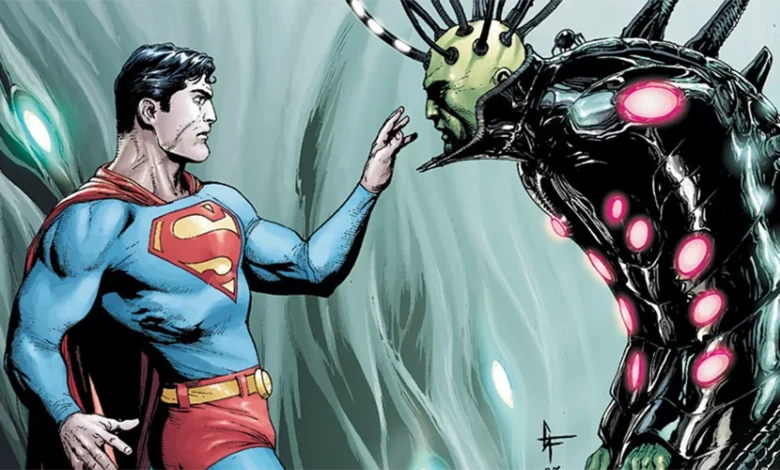
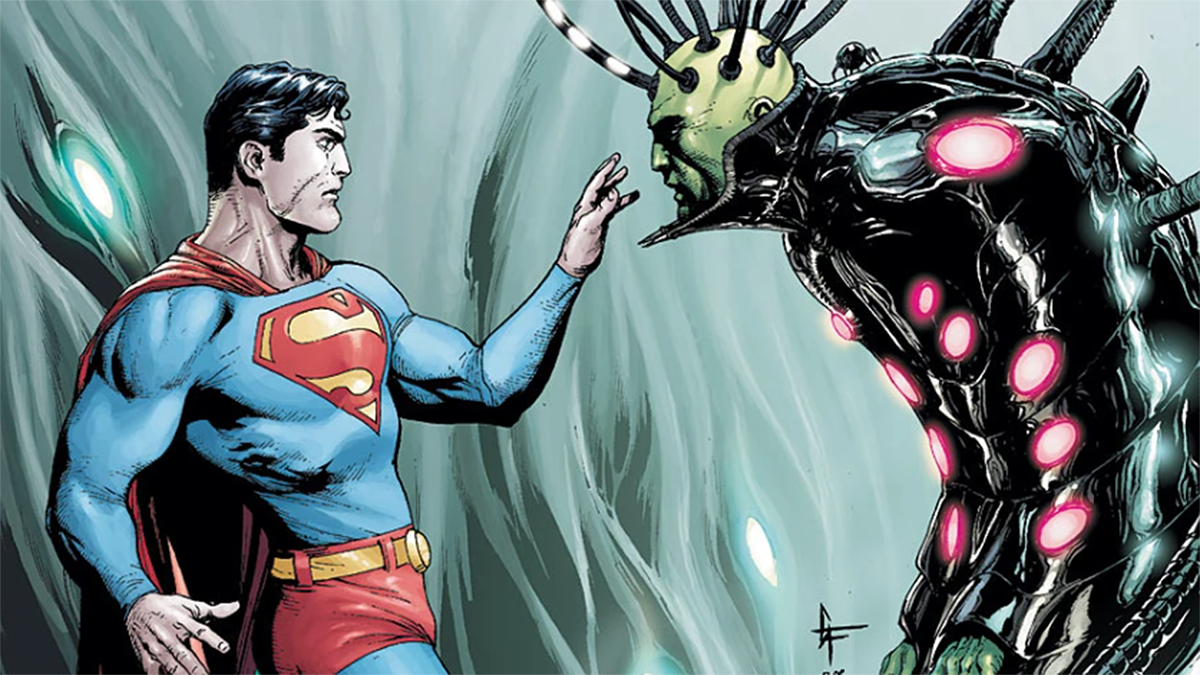
The plot of Man of Tomorrow is expected to shift the scale of the DCU from localized, Earth-based conflicts to an intergalactic stage. The film is confirmed to feature the debut of Brainiac, a classic DC antagonist who has long been requested by comic book enthusiasts for a live-action adaptation. Brainiac, a techno-organic entity from the planet Colu, represents a thematic departure from the grounded threats seen in previous iterations. His obsession with the acquisition of universal knowledge and his penchant for shrinking and bottling cities provide a high-stakes challenge that necessitates a broader ensemble of heroes.
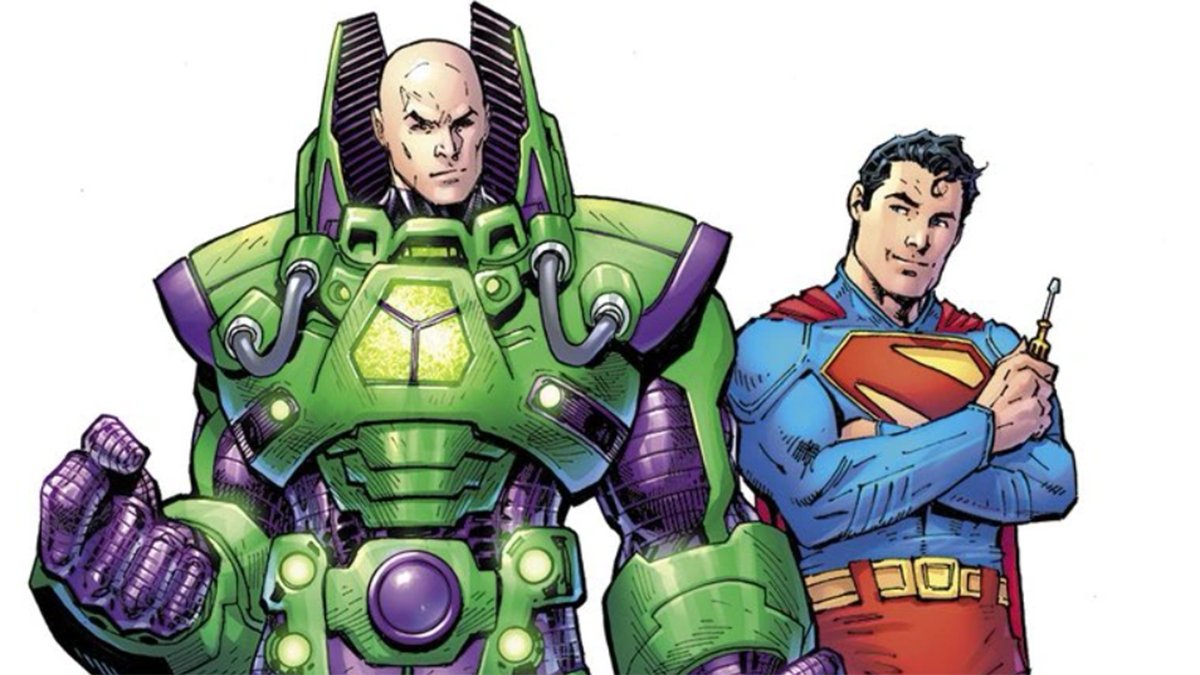
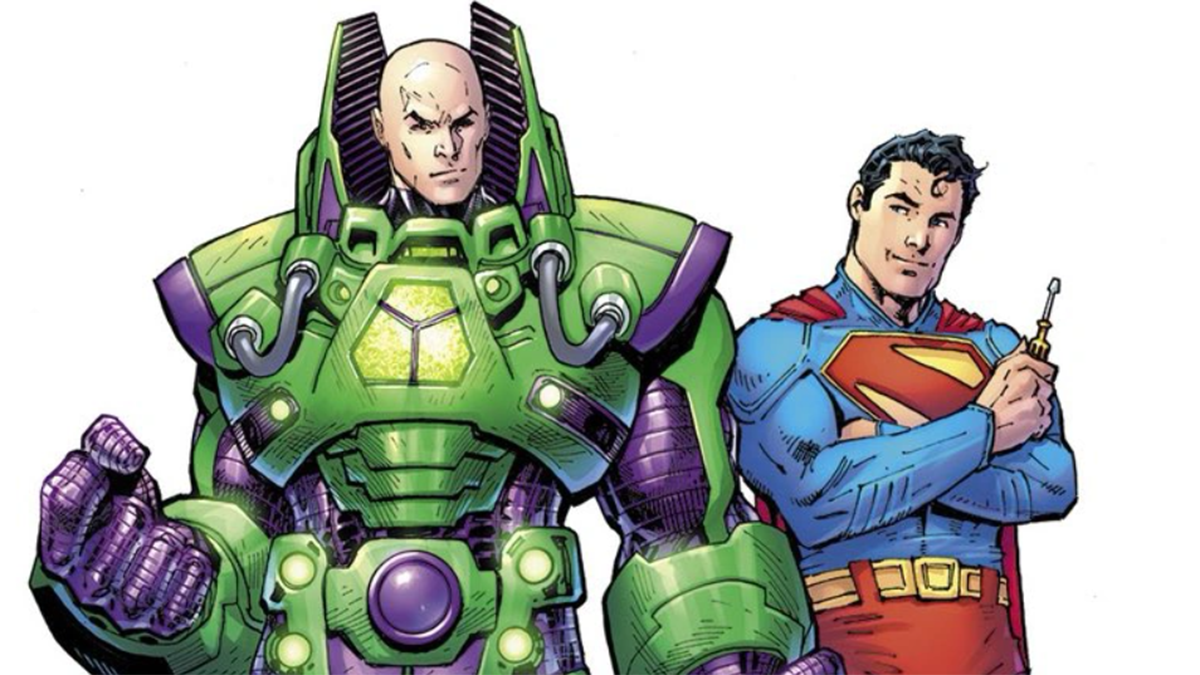
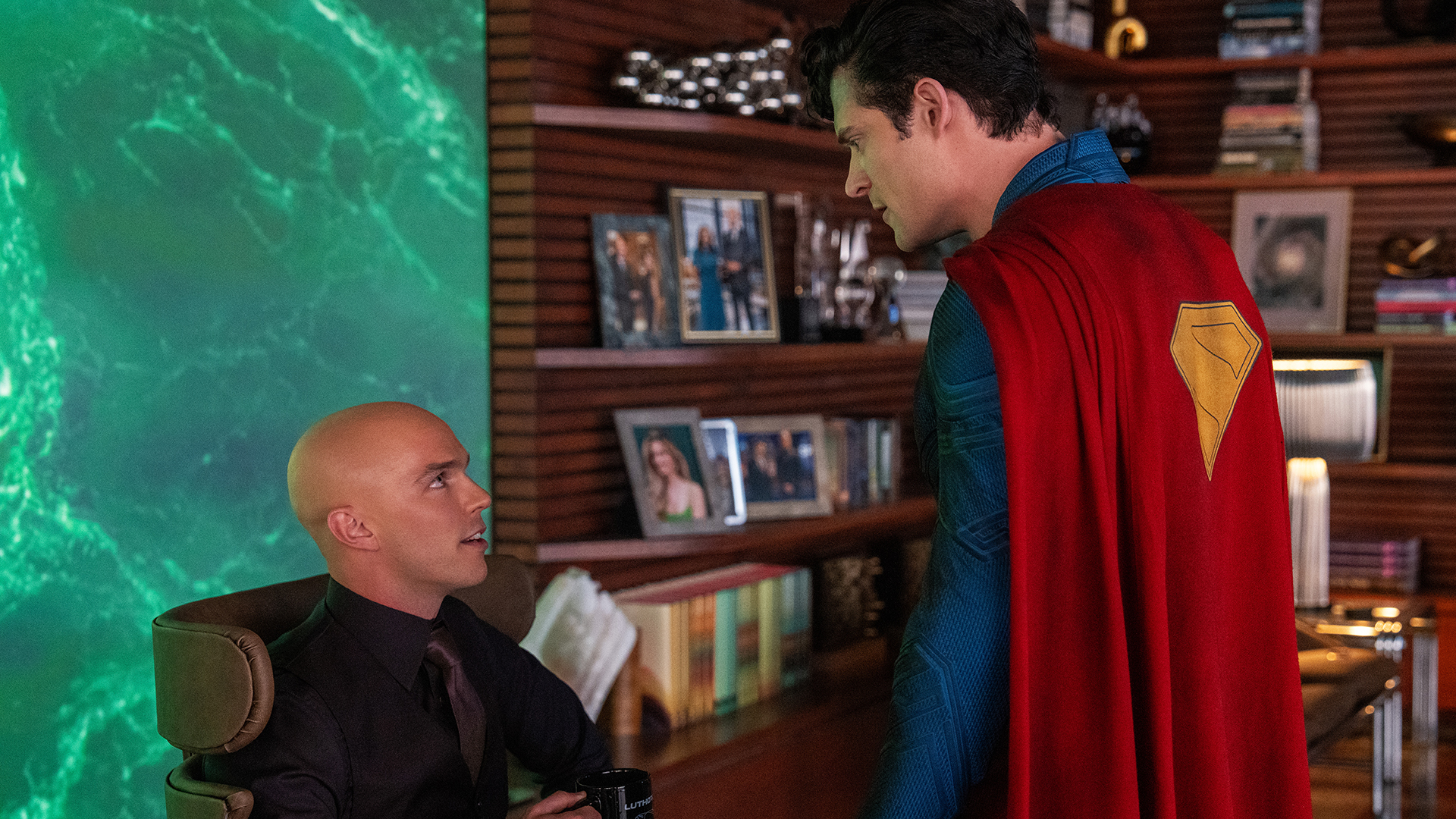
Initial reports indicate that the film will rely on a "reluctant alliance" dynamic between David Corenswet’s Superman and Nicholas Hoult’s Lex Luthor. This narrative choice mirrors the "enemies-to-allies" tropes often found in high-concept science fiction, providing a vehicle to explore the philosophical dichotomy between humanity’s greatest mind and the planet’s most powerful alien. The inclusion of secondary characters—including Mister Terrific, Guy Gardner, Hawkgirl, John Stewart, and Blue Beetle—suggests that the film will maintain the ensemble nature established in its predecessor, acting as a functional "Justice League" proto-team without the formal title.
Casting and Production Details
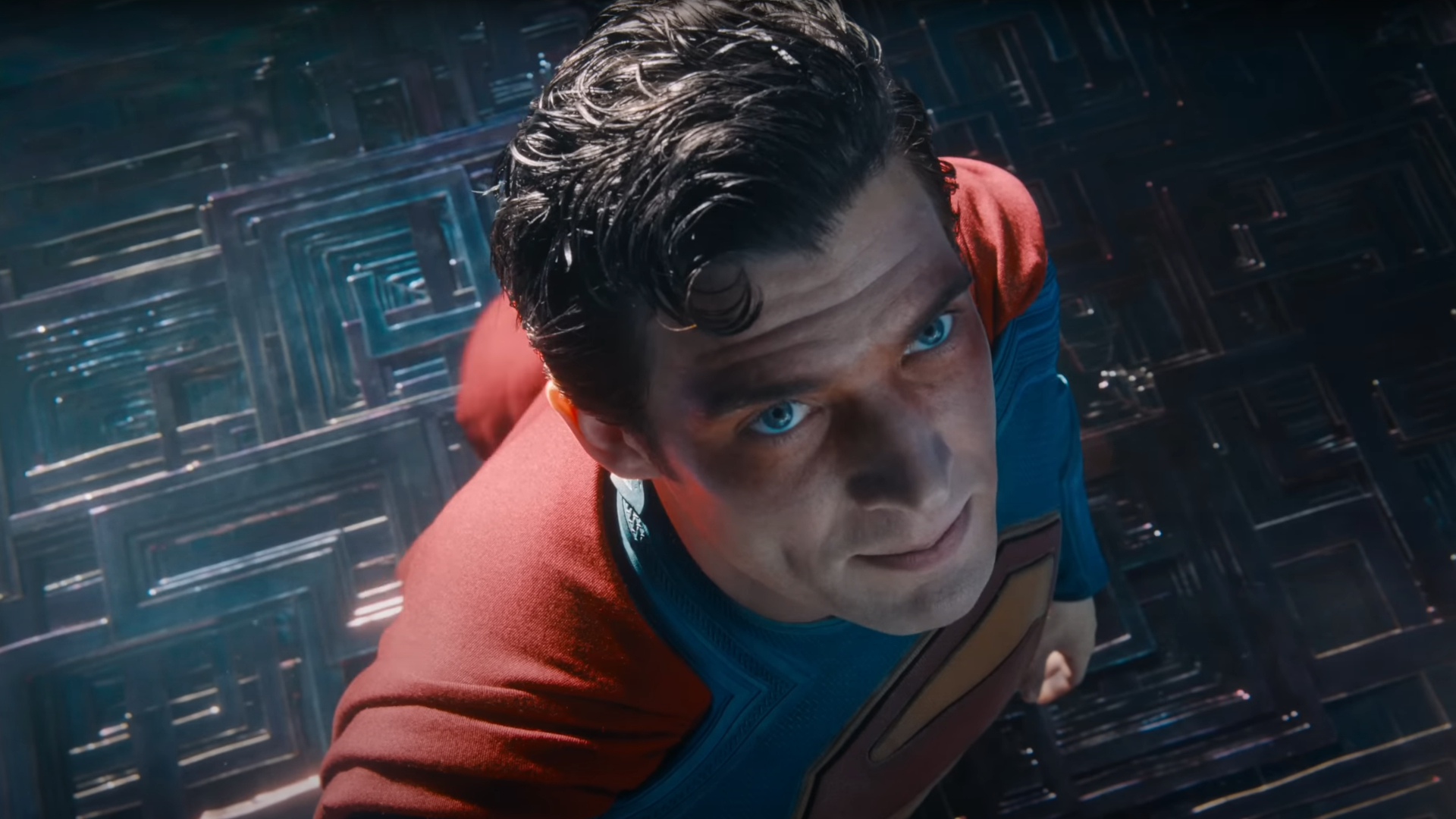
The production of Man of Tomorrow has remained largely consistent with the creative team behind the first film, despite the external corporate instability. James Gunn has retained his role as both writer and director, ensuring that the thematic vision for this specific iteration of the Man of Steel remains intact. The technical crew features industry veterans who have helped shape the aesthetic of the modern DCU, including cinematographer Sam McCurdy, editor Fred Raskin, and composer David Fleming.
The cast list reflects a commitment to continuity, with the primary ensemble from the 2025 film set to return. While the full roster remains partially guarded by standard non-disclosure protocols, the involvement of high-profile talent such as Adria Arjona has fueled extensive speculation regarding the introduction of new mythos-heavy characters. Sources suggest Arjona may be portraying Maxima, an alien conqueror from the planet Almerac. If realized, this character would align with Gunn’s established history of utilizing lesser-known comic book figures to provide depth to a franchise, offering a morally ambiguous foil to the more virtuous protagonists. Additional confirmed cast members include established figures like Andre Royo, Matthew Lillard, and Sinqua Walls, whose specific roles remain the subject of ongoing industry analysis.
The Competitive Landscape: DCU vs. The MCU
The timing of Man of Tomorrow’s release in July 2027 places it in direct conversation with the Marvel Cinematic Universe’s (MCU) aggressive expansion phase, which includes the release of Avengers: Doomsday and the anticipation surrounding the X-Men reboot. Historically, the DC brand has struggled to maintain the same level of narrative consistency as its primary competitor. While the Marvel model has thrived on decades of cumulative storytelling, the DCU’s "Gods and Monsters" experiment was intended to be a fresh start.
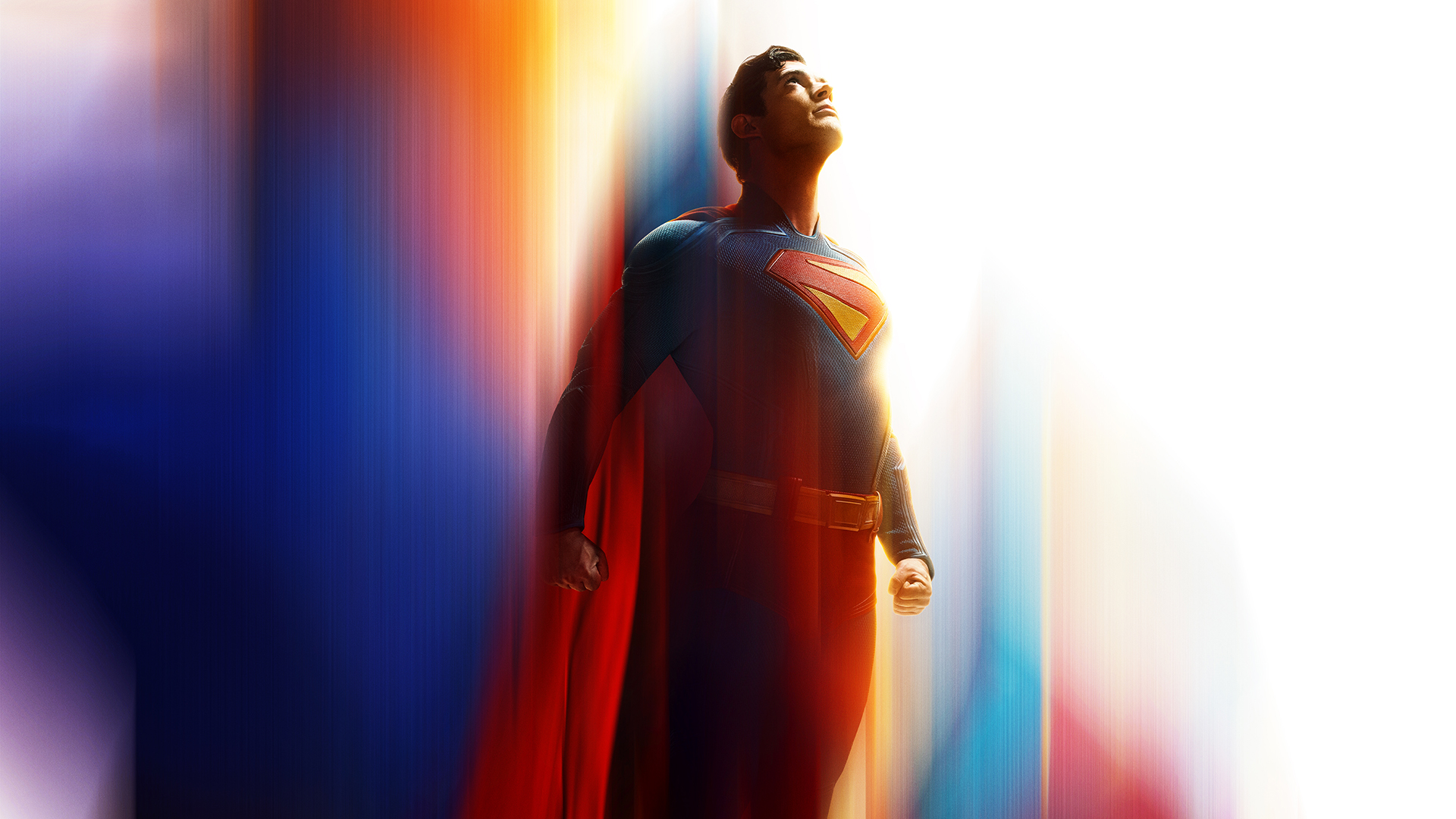
The abrupt curtailing of this experiment serves as a case study in the risks of ambitious studio-wide reboots. By failing to complete the "Gods and Monsters" roadmap, Warner Bros. and Skydance are effectively resetting the baseline yet again. This places an outsized amount of pressure on Man of Tomorrow to be both a self-contained cinematic event and a satisfying conclusion to the specific version of Superman that audiences were introduced to in 2025.
Market Implications and Distribution Strategy
With the release date set for July 9, 2027, the film is positioned for a peak summer theatrical run. Market analysts anticipate a standard theatrical window of approximately 90 days, though the recent history of Warner Bros. distribution suggests a potential acceleration toward home media platforms, specifically Max, by the early autumn of 2027. The financial success of the film will likely be a primary indicator for the new studio leadership regarding the viability of future DC projects.
Marketing efforts are expected to follow the successful template established by the 2025 Superman campaign, which utilized a staggered release of teasers and character posters to maintain sustained public interest. Industry insiders expect the first promotional trailer to debut in late 2026, aligning with the holiday season to maximize brand awareness among general audiences.
Conclusion: The Legacy of a Final Chapter
The termination of the "Gods and Monsters" era marks the end of a tumultuous period of leadership and artistic experimentation at DC Studios. For audiences, Man of Tomorrow stands as the last vestige of a vision that sought to balance the classic iconography of DC’s superheroes with modern, character-driven storytelling. While the broader plans for a unified DC universe have been dismantled by shifting corporate interests, the film remains a testament to the creative efforts of those who sought to define a new generation of hero. As the industry looks toward the next phase of DC’s cinematic evolution, the 2027 release will be remembered as a bridge between two distinct eras of studio management, providing a definitive, albeit unexpected, conclusion to one of the most ambitious experiments in modern superhero cinema.