The Evolution of the Prince and Princess of Wales: A New Era of Public Affection and Modern Monarchy

The relationship between the Prince and Princess of Wales has long served as a cornerstone of the British Royal Family’s public image, but recent observations from body language experts and royal historians suggest the couple is transitioning into a significantly more expressive phase of their marriage. After nearly fourteen years of marriage and a decade and a half in the global spotlight, Prince William and Princess Catherine appear to have moved beyond the traditional constraints of royal stoicism. According to leading analysts, this shift marks the beginning of a "new chapter," characterized by an honest intensity and a willingness to share their mutual affection with a public that has followed their journey from university students to the future King and Queen.
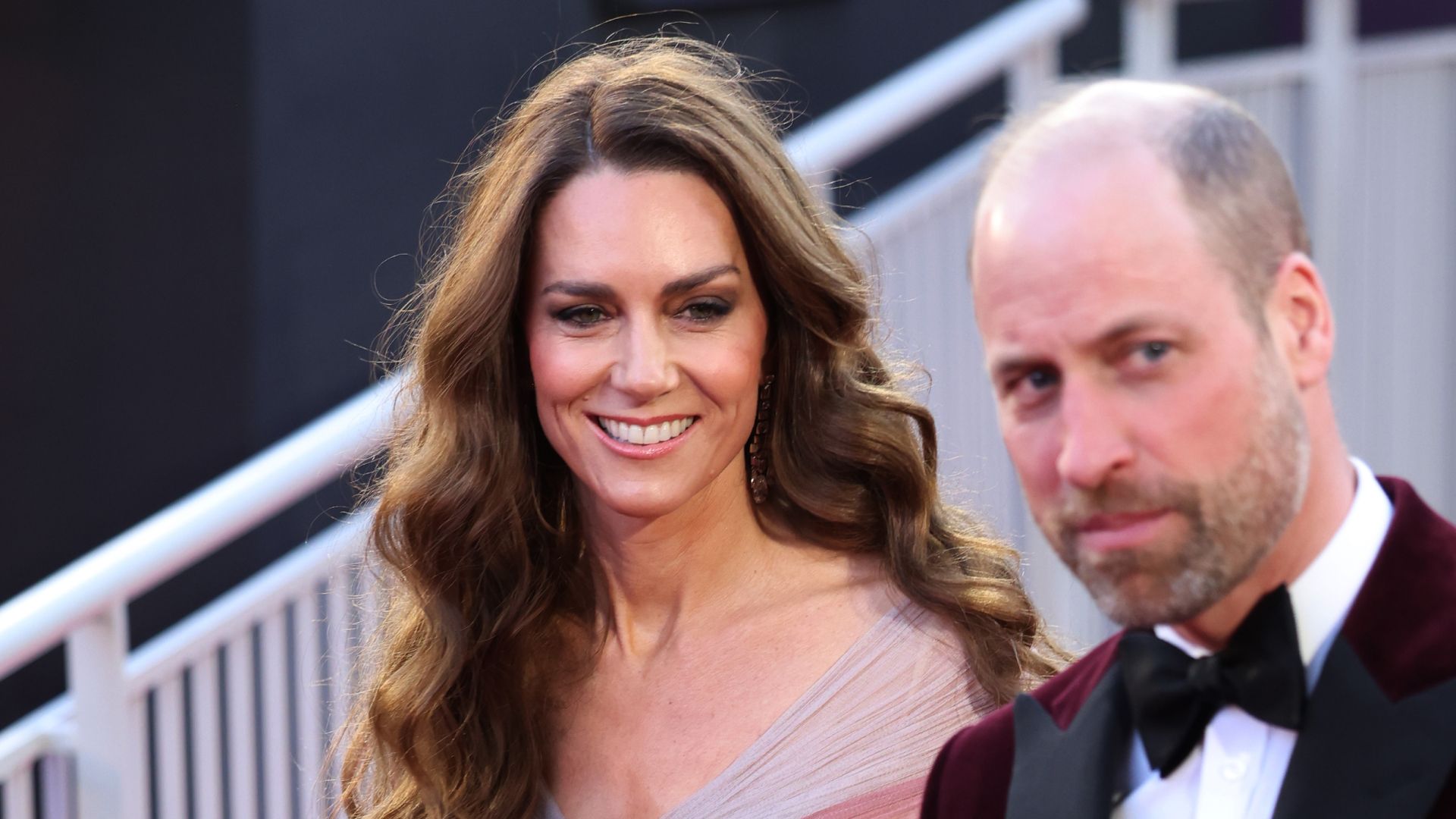
Body language expert Judi James, speaking on the couple’s recent public engagements, noted that their "rituals suggest there’s been no real change in the intensity of their love for one another; what’s happened is they have finally felt safe enough to trust enough to show it." This evolution is not merely a personal milestone for the couple but is increasingly viewed as a strategic and generational shift in the royal brand. By moving away from the "never complain, never explain" mantra of previous generations, William and Catherine are fostering a sense of relatability and emotional transparency that resonates with a modern audience.
The Analysis of a "New Chapter" in Royal Conduct
The recent increase in public displays of affection (PDA) between the Prince and Princess of Wales has been documented across various high-profile events. One notable instance occurred following the Princess’s completion of the Three Peaks Challenge for charity, where Prince William was observed embracing his wife in a manner that experts described as "jettisoning all inhibitions." According to James, such moments indicate a desire to "cherish" one another that supersedes the rigid protocols of the past.
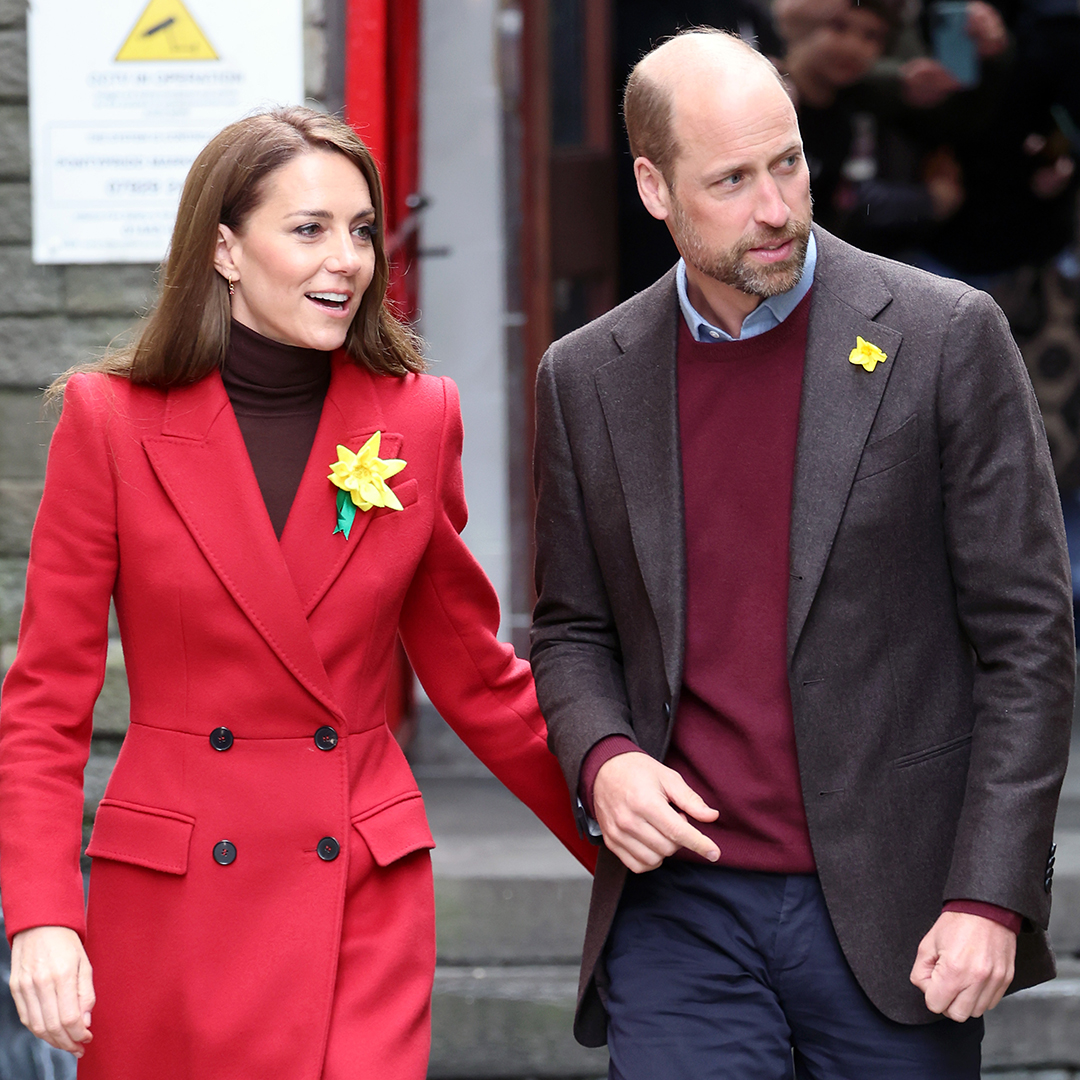
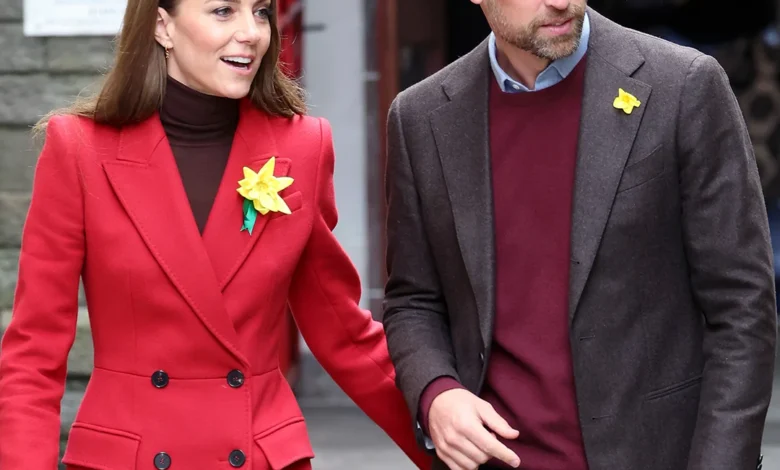
This behavioral shift was further evidenced during a visit to Pontypridd Market in Wales in February 2025. Observers noted a heightened level of tactile interaction, including supportive touches and shared glances that conveyed a deep sense of partnership. Analysts suggest that this newfound public comfort is a byproduct of the couple’s longevity and the stability they have provided to the monarchy during a period of significant institutional transition. Having weathered both personal and professional challenges, the couple appears to have reached a plateau of security where they no longer feel the need to maintain a strictly formal distance in public settings.
A Chronology of the Royal Romance: From St. Andrews to the Prince of Wales Title
To understand the significance of this "new chapter," it is essential to trace the trajectory of a relationship that has been under scrutiny since 2001.
- 2001–2003: The Formative Years: William and Catherine met as students at the University of St. Andrews in Scotland. Initially friends, their relationship reportedly turned romantic after William saw Catherine in a charity fashion show. Their early years were defined by a shared desire for privacy, often escaping to the quietude of the Scottish Highlands.
- 2010: The Engagement: After several years of dating and a brief, high-profile split in 2007, the couple announced their engagement in November 2010. The engagement was a global media event, symbolized by the Princess wearing the late Diana, Princess of Wales’s sapphire and diamond ring.
- 2011: The Royal Wedding: On April 29, 2011, the couple married at Westminster Abbey. The event was watched by an estimated two billion people worldwide, cementing their status as the face of the monarchy’s future.
- 2013–2018: Expanding the Family: The birth of Prince George (2013), Princess Charlotte (2015), and Prince Louis (2018) shifted the focus of the couple’s public life toward parenthood and early childhood development, a cause that has since become a central pillar of the Princess’s advocacy work.
- 2022: Becoming the Prince and Princess of Wales: Following the passing of Queen Elizabeth II, King Charles III bestowed the titles of Prince and Princess of Wales upon William and Catherine. This elevation brought increased responsibility and a higher level of public expectation.
- 2024–2025: Resilience and Re-emergence: Following a challenging 2024, which saw the Princess undergo major abdominal surgery and subsequent preventative chemotherapy, the couple re-emerged with a renewed focus on family unity and public service.
The Impact of Recent Challenges on Public Expression
The shift toward a more tactile public persona cannot be viewed in isolation from the health challenges the family faced in 2024. The Princess of Wales’s cancer diagnosis and her subsequent recovery period appeared to catalyze a change in the couple’s public narrative. In a deeply personal video message released in September 2024, the family was shown in intimate, candid moments that were uncharacteristically informal for senior royals.
This video, which featured the couple leaning on one another and playing with their children in a natural setting, served as a turning point. It signaled to the public that the Prince and Princess were prioritizing emotional health and family cohesion. Historians argue that the vulnerability shown during this period humanized the couple in a way that traditional royal duties could not. Consequently, the PDA seen in 2025 is interpreted by many as an extension of the "honest intensity" born out of surviving a significant family crisis.
Supporting Data: Public Perception and the Modern Brand
The evolution of the Waleses’ public behavior is reflected in public opinion data. According to recent YouGov polling, Prince William and Princess Catherine consistently rank as the most popular members of the Royal Family, often following only the late Queen Elizabeth II in favorability ratings.
Data suggests that the public particularly values their "authenticity" and "steadiness." By incorporating more natural interactions into their public appearances, the couple is successfully bridging the gap between the ancient institution they represent and the modern values of the 21st century. This "generational royal brand," as Judi James calls it, is essential for the survival of the monarchy in an era where transparency is often equated with legitimacy.
Furthermore, the couple’s approach to their children—Prince George, Princess Charlotte, and Prince Louis—mirrors this shift. They are frequently seen engaging in "active parenting" during public events, a stark contrast to the more distant child-rearing practices of previous royal generations. This holistic approach to their public and private lives creates a cohesive image of a modern family that happens to be royal.
Official Responses and Broader Implications
While Buckingham Palace and Kensington Palace rarely comment on the personal dynamics of the Royal Family, the strategic nature of their public appearances is evident. The Prince of Wales has often spoken about his desire to do things "differently" than his predecessors, focusing on impact-led philanthropy and a more accessible form of leadership.
The broader implications of this "new chapter" are significant for the future of the British state. As King Charles III continues his reign with a "slimmed-down" monarchy, the Prince and Princess of Wales carry a disproportionate amount of the institution’s soft power. Their ability to project a stable, loving, and modern partnership provides a sense of continuity that is vital for the monarchy’s role as a symbol of national unity.
Moreover, the couple’s newfound openness serves as a buffer against the criticisms often leveled at the Royal Family regarding their perceived "coldness" or "out-of-touch" nature. By showing that they are a couple who "cherish" one another, they are effectively neutralizing one of the most common critiques of the Windsor family dynamic.

Conclusion: A Legacy in the Making
As the Prince and Princess of Wales move further into this latest stage of their marriage, the "honest intensity" of their feelings is likely to remain a permanent fixture of their public life. This is not merely a phase but a calculated evolution of their roles as the future King and Queen. By trusting the public and the press with a glimpse into their mutual adoration, William and Catherine are not just protecting their own marriage; they are redefining what it means to be a royal in the modern age.
For royal fans and observers, the sight of a tactile, supportive, and affectionate Prince and Princess is a welcome development. It suggests that the House of Windsor is capable of growth and that its future leaders are grounded in a partnership that is as emotionally resonant as it is historically significant. As they continue to navigate the complexities of royal duty, the "new chapter" of their marriage stands as a testament to their resilience and their commitment to a more humanized monarchy.