The Invisible Infrastructure: Why America’s Public Libraries Are Our Most Underrated Educational Resource

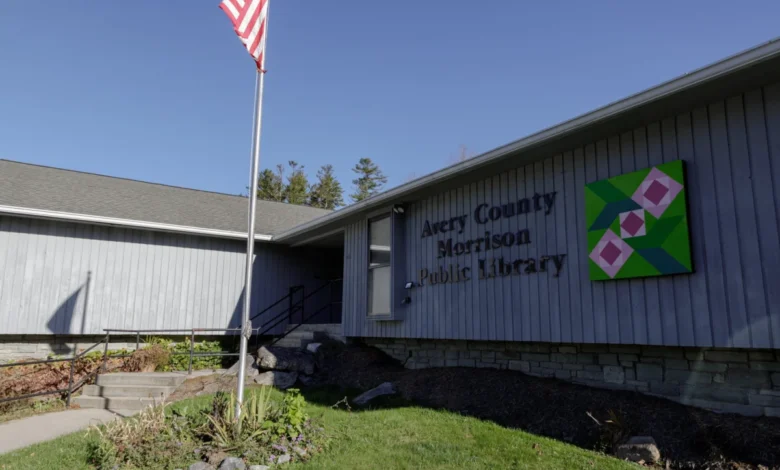
Despite persistent, alarmist headlines suggesting we are living in a "post-literate" age—often fueled by data points noting that fewer than half of American adults finished a book in 2022—the physical reality of American civic life paints a strikingly different picture. While the digital landscape often dominates the discourse on information consumption, the physical footprint of public libraries is experiencing a quiet, massive resurgence. With more than 17,000 public library branches scattered across the United States—a number that eclipses the count of hospitals and even McDonald’s restaurants—these institutions remain the bedrock of community infrastructure. However, as the demand for their services shifts from quiet reading rooms to high-tech community hubs, the disconnect between what libraries offer and how the public discovers those offerings has become a critical national challenge.
A Surge in Physical Engagement
The narrative of the library’s decline is statistically misinformed. While library visits saw a predictable downturn during the height of the COVID-19 pandemic, the bounce-back has been both swift and substantial. In 2023, Americans made more than 800 million visits to public libraries, averaging 2.2 million visits per day. This figure represents nearly double the usage seen in 2021. This increase is not merely a return to traditional book lending; it is a direct result of a fundamental evolution in service models.
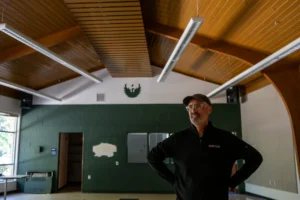
Libraries have transformed into multifunctional community centers. From the rural, single-room facility in Donnelly, Idaho, that provides essential after-school care for working parents, to the robust urban systems like the District of Columbia Public Library, which hosted more than 2,600 free summer events in a single year, these spaces are filling gaps left by retreating public and private social safety nets.
The Evolution of the Library: A Historical Context
The concept of the public library as a pillar of democracy is not a modern invention; it is a legacy of the late 19th and early 20th centuries. The most prominent architect of this system was Andrew Carnegie, who recognized that an informed citizenry was the backbone of a functional republic. Between 1883 and 1929, the Carnegie Corporation funded the construction of nearly 1,700 public libraries. Carnegie’s philosophy was simple: access to knowledge should be universal, free, and physically accessible.
For decades, this model held firm. However, the 21st century introduced a digital divide that threatened to render these physical spaces obsolete. In response, libraries pivoted. By integrating high-speed broadband, workforce training, English language instruction, and sophisticated STEM (Science, Technology, Engineering, and Mathematics) programming, libraries have managed to remain relevant in an era where information is supposedly "everywhere."
Decoding the Modern Library Experience
To walk into a contemporary library on a Tuesday afternoon is to witness a microcosm of modern societal needs. In one room, elementary school students might be participating in a "STEAM Team" workshop, engaging with hands-on science through projects like creating fairy slime or engineering catapults. In another corner, high schoolers might be recording podcasts or accessing specialized software for college applications. By Saturday morning, the same space transitions into a hub for early childhood development, where caregivers participate in guided sing-alongs.
These programs provide a standard of enrichment that private companies often charge hundreds of dollars to access. Yet, for the public, these opportunities remain entirely free. This shift represents a significant move from being a "warehouse for books" to being a "provider of social infrastructure." The implications are clear: as schools and community centers face budget tightening, the library has stepped into the breach to provide academic support, career counseling, and technology access.
The Visibility Gap: A Failure of Modern Communication
Despite this success, a significant "visibility gap" persists. While libraries have updated their physical offerings, their marketing and communication strategies remain largely tethered to the 20th century. Many libraries continue to rely on physical flyers posted on bulletin boards inside the building. This strategy effectively markets services only to those who are already through the door, failing to capture the segment of the population that needs these services most but does not know they exist.
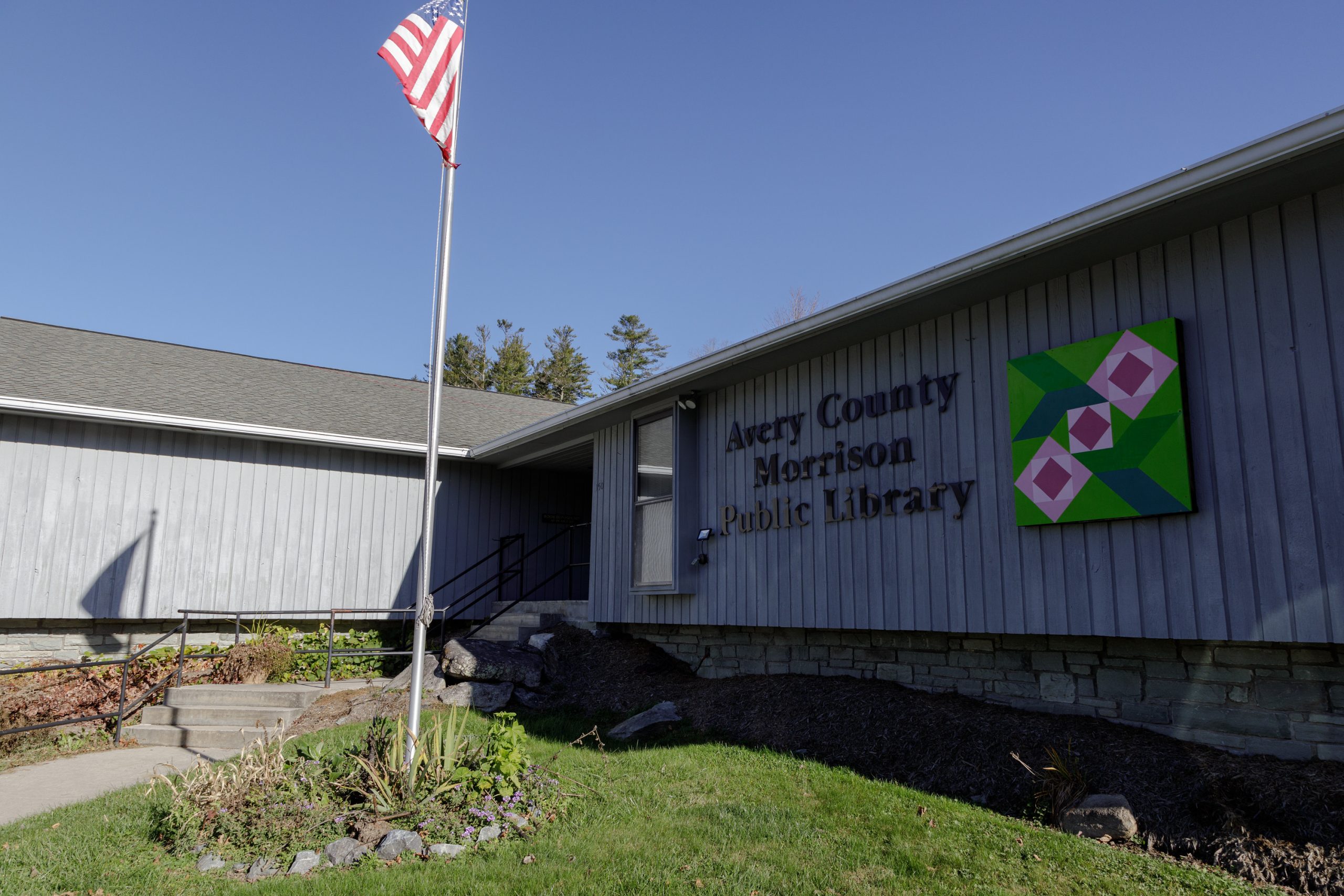
Research from organizations like Child Trends confirms that parents typically seek educational resources through three primary channels: internet searches, school district websites, and word-of-mouth recommendations. When a parent searches for "free tutoring" or "STEM camps for kids" on their smartphone at 9 p.m., they are rarely directed to their local public library’s event calendar. This creates a missed opportunity for both the families and the institutions.
Bridging the Divide: The Role of Philanthropy
The current challenge is not a lack of programming, but a lack of integration. To rectify this, experts suggest that the next phase of library evolution requires a "digital makeover" that goes beyond a simple website update. It necessitates the development of shared technology platforms that allow small, rural, and underfunded libraries to broadcast their events to the same digital channels—like school portals and community search engines—that parents already use.
This is where the next wave of philanthropic intervention is required. While public funding is essential for covering the costs of buildings, staff, and physical collections, private philanthropy is uniquely positioned to fund the "innovation layer." This involves:
- Technological Infrastructure: Developing open-source platforms that allow thousands of libraries to sync their programming data with broader educational networks.
- Staff Capacity: Funding dedicated roles within library systems that focus on digital outreach, community partnerships, and social media integration.
- Systemic Integration: Partnering with school districts to integrate library event data directly into the communication portals used by parents.
Implications for Civic Trust
Beyond the educational benefits, the stakes of this mission are tied to the broader health of American democracy. In an era of increasing social fragmentation, public trust in institutions is at a historic low. According to various sociological studies, the public library remains one of the few institutions that still commands high levels of trust across the political and socioeconomic spectrum.
Libraries function as "third places"—social environments separate from the two usual social environments of home ("first place") and the workplace ("second place"). They are among the last remaining civic spaces that bridge the divide between neighbors, regardless of their background or belief systems. By allowing these institutions to drift into a state of "invisibility," society risks losing one of the few remaining threads holding the civic fabric together.
The Path Forward
The infrastructure is already in place. The buildings exist, the staff are trained, and the programming is of high quality. The task for policymakers and philanthropic leaders is to move from a model of passive existence to one of active engagement.
If we accept the premise that free is not always "findable," then the investment must be shifted toward the digital pathways that connect citizens to their communities. A coordinated effort to align library services with the digital habits of modern families could transform these spaces from local secrets into national assets. As the data shows, the American public is ready and willing to use these institutions; they simply need to be shown the way.
Ultimately, the goal is to ensure that the vision Andrew Carnegie had over a century ago—broad access to knowledge as the bedrock of a democratic society—is not just preserved in our history, but actively practiced in our digital future. If the libraries are the heartbeat of the community, it is time to ensure that the entire community can find the pulse.